Bickerseiland — History & Analysis
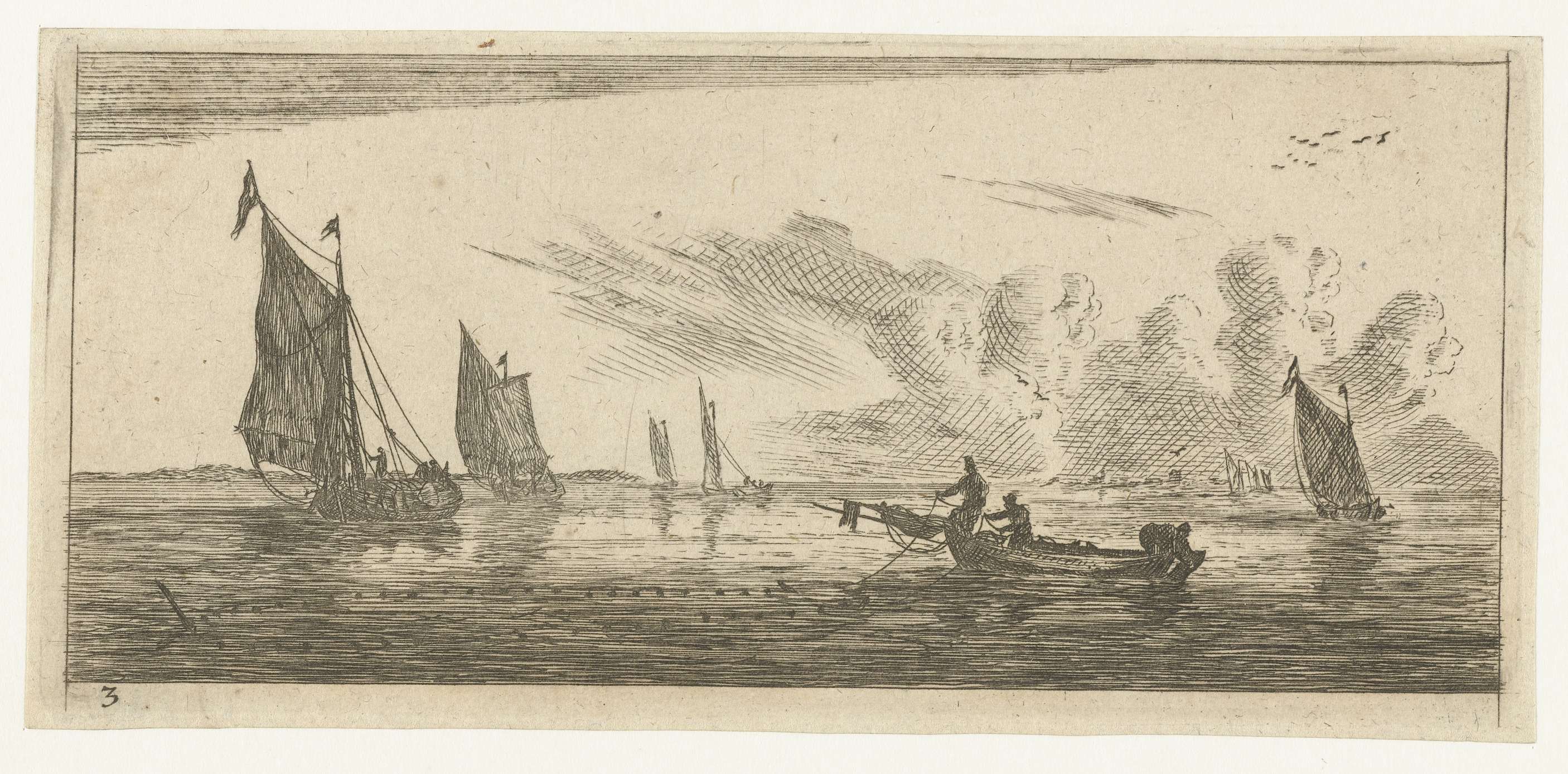
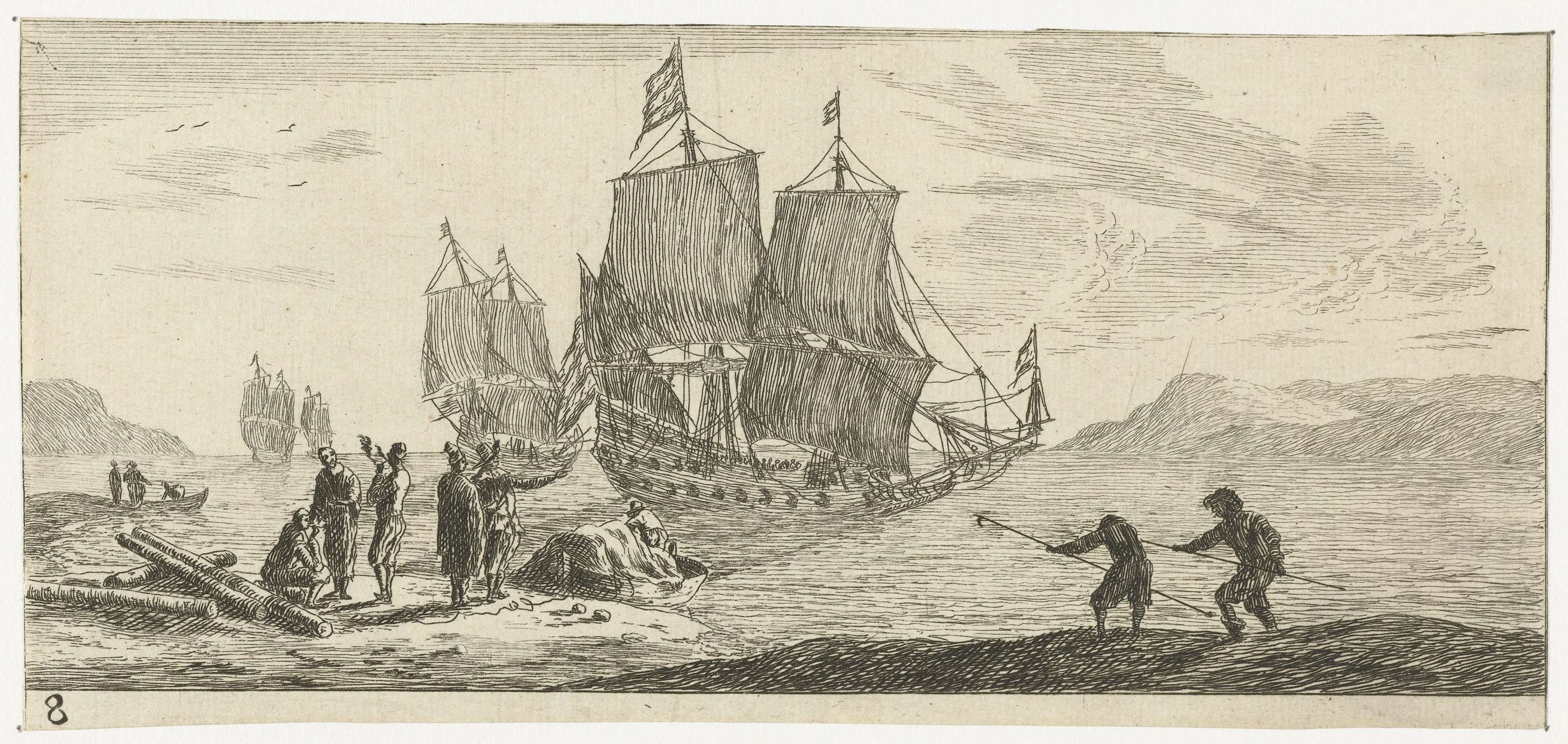
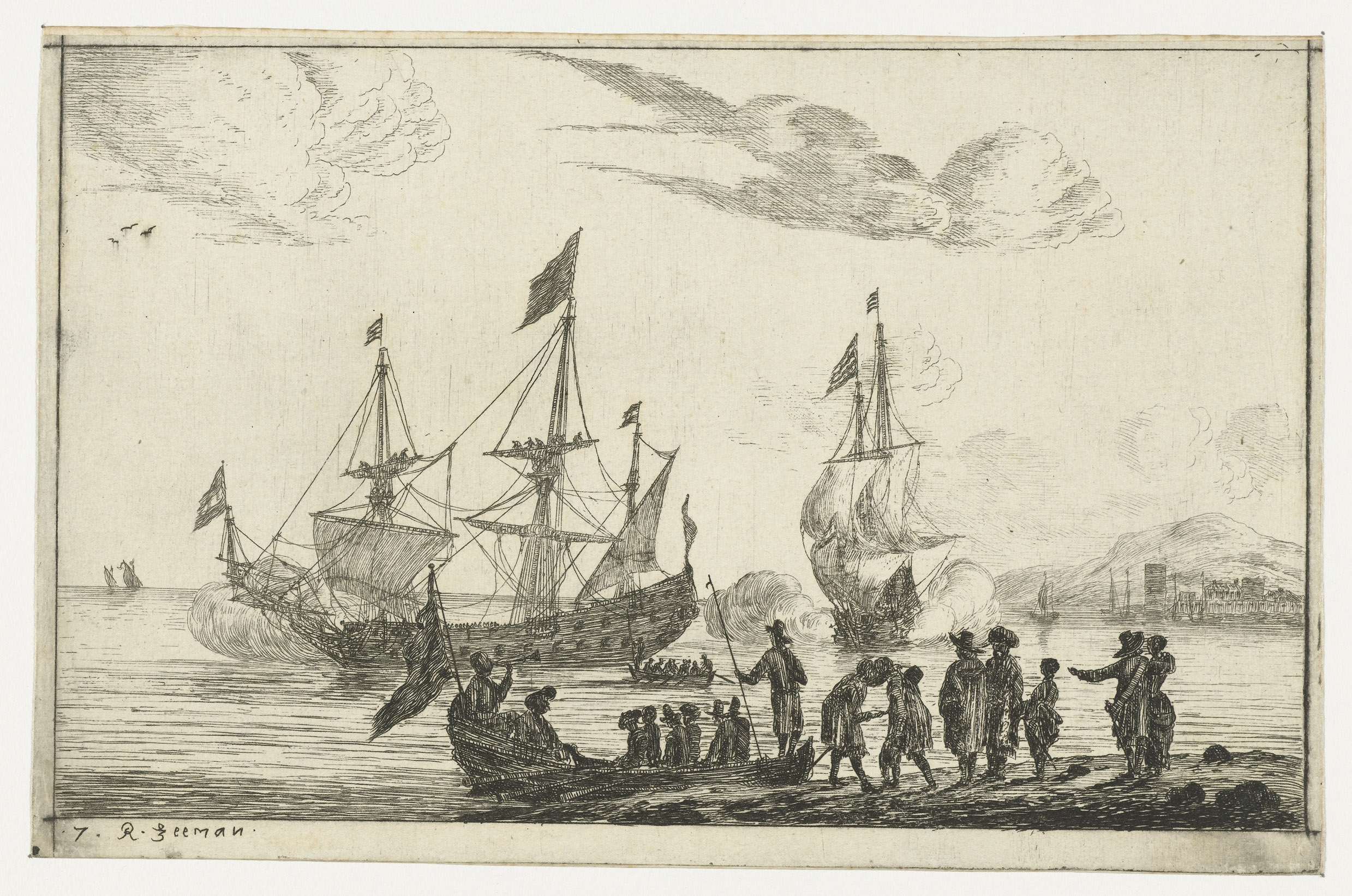
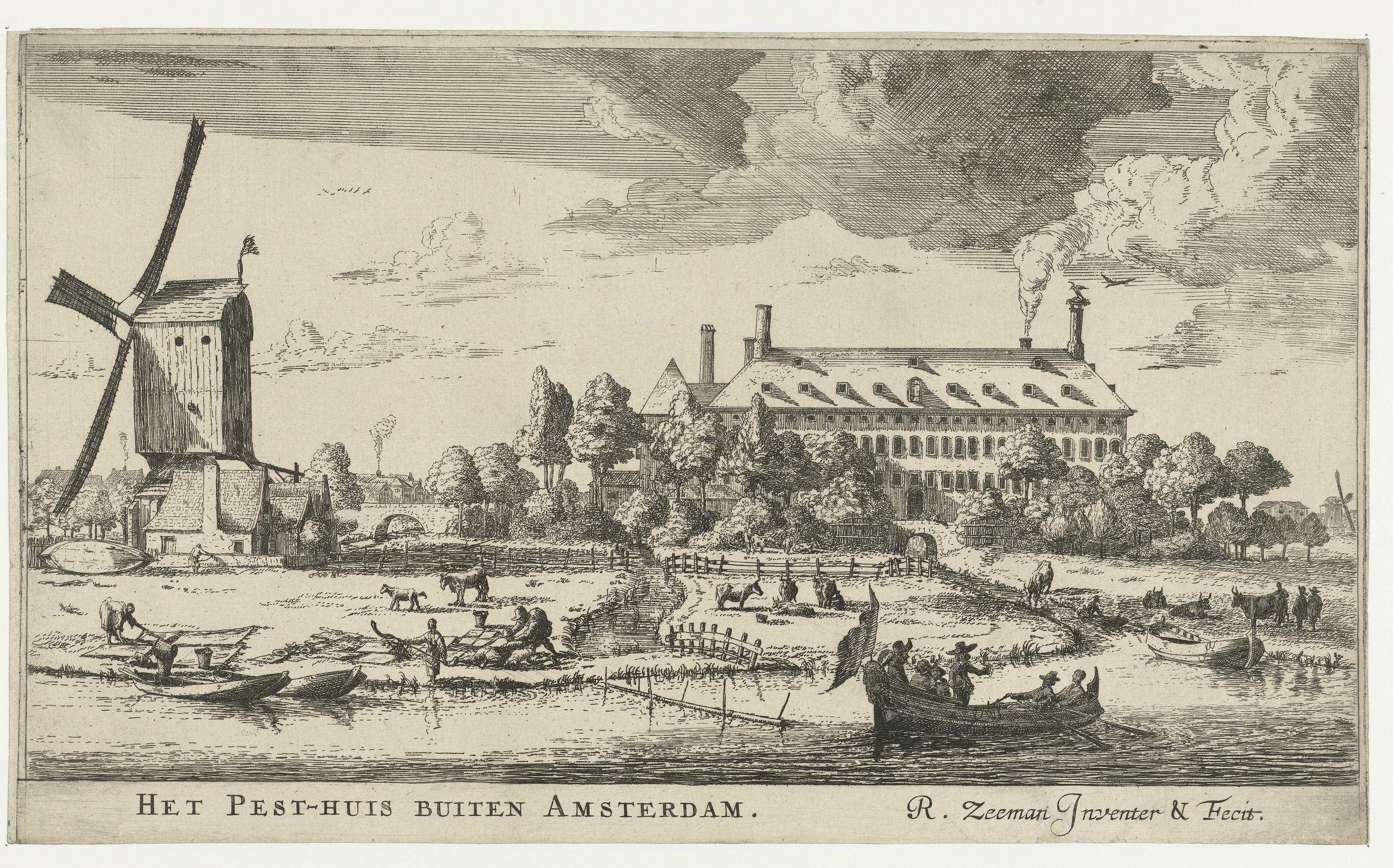
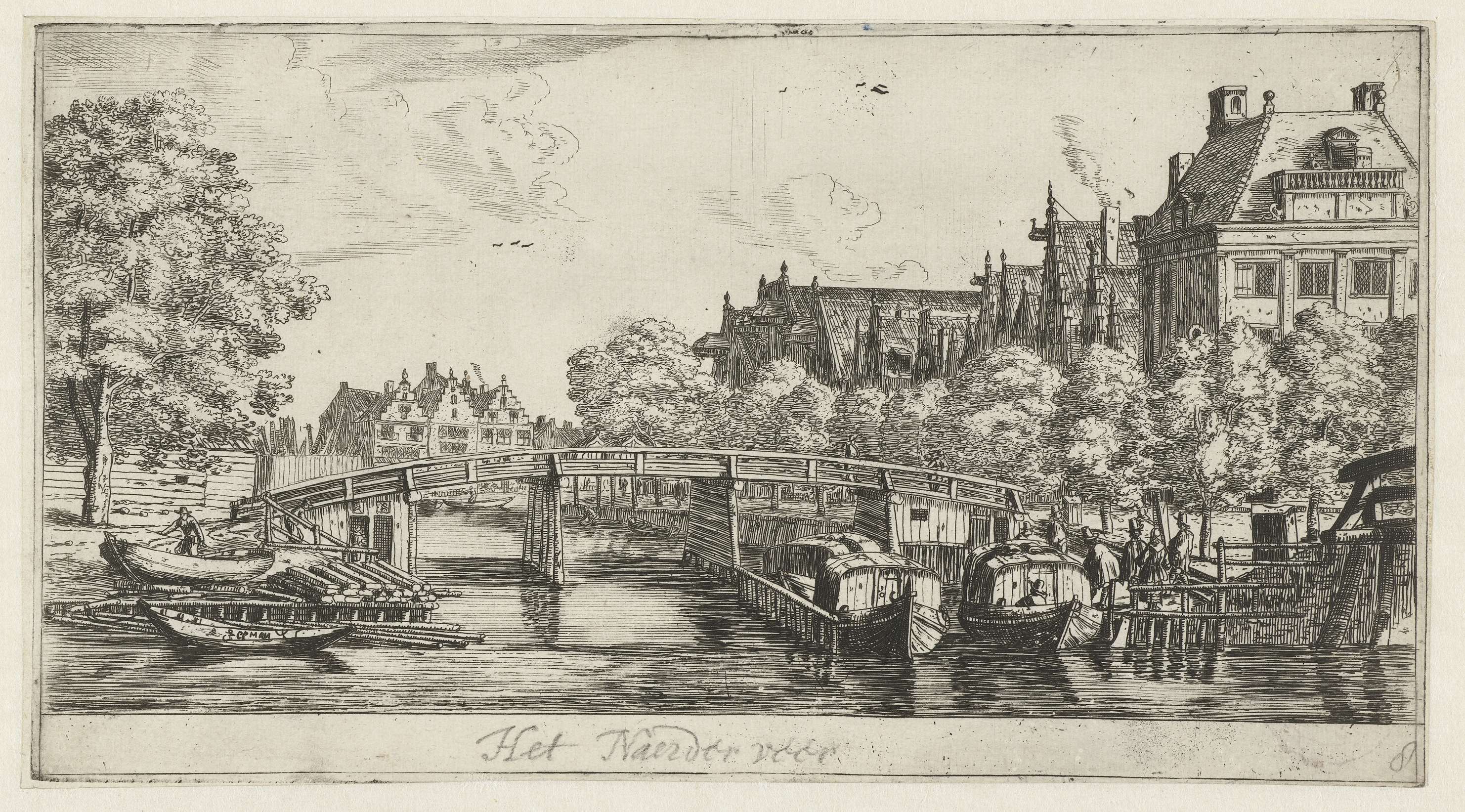
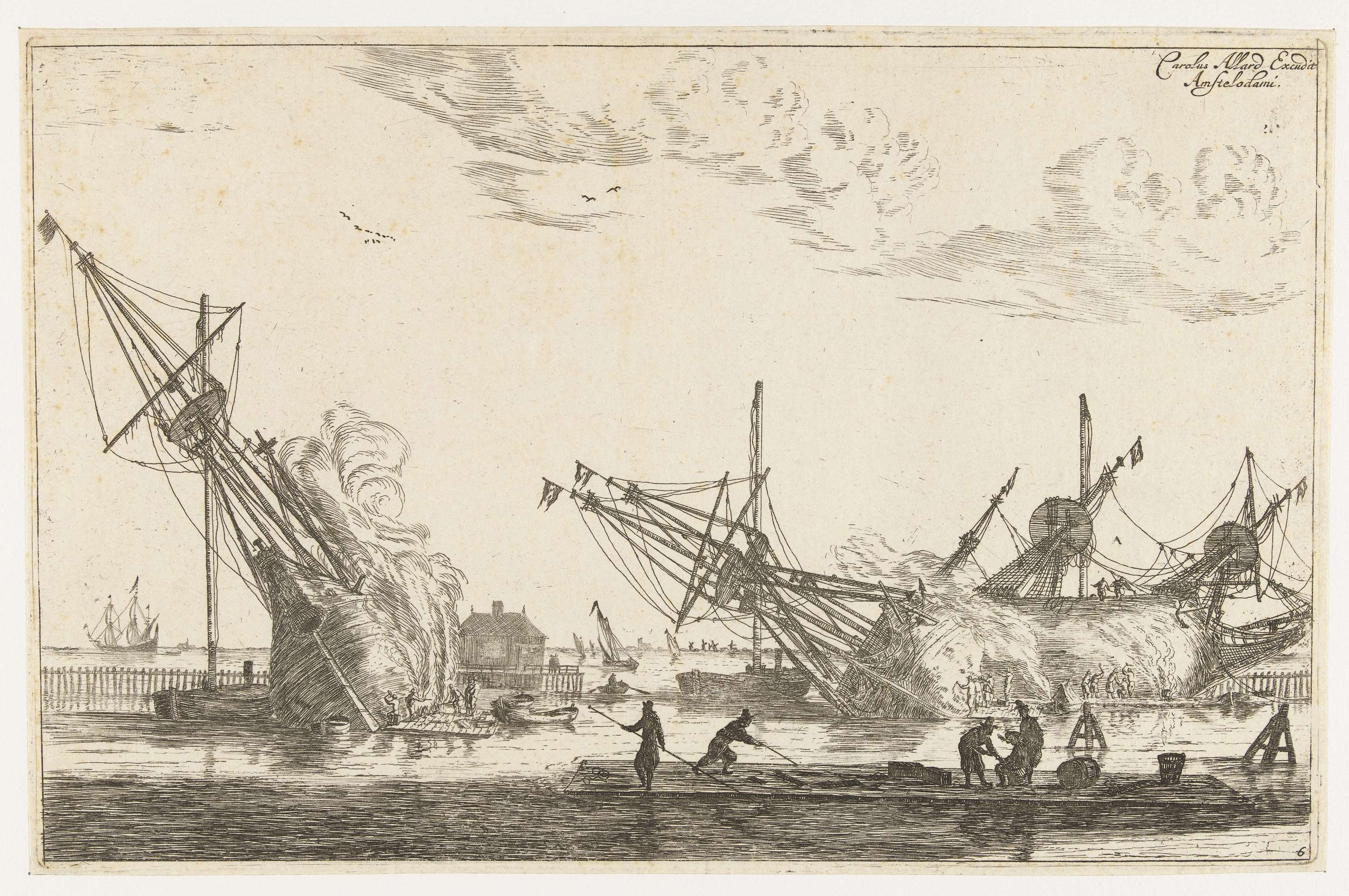
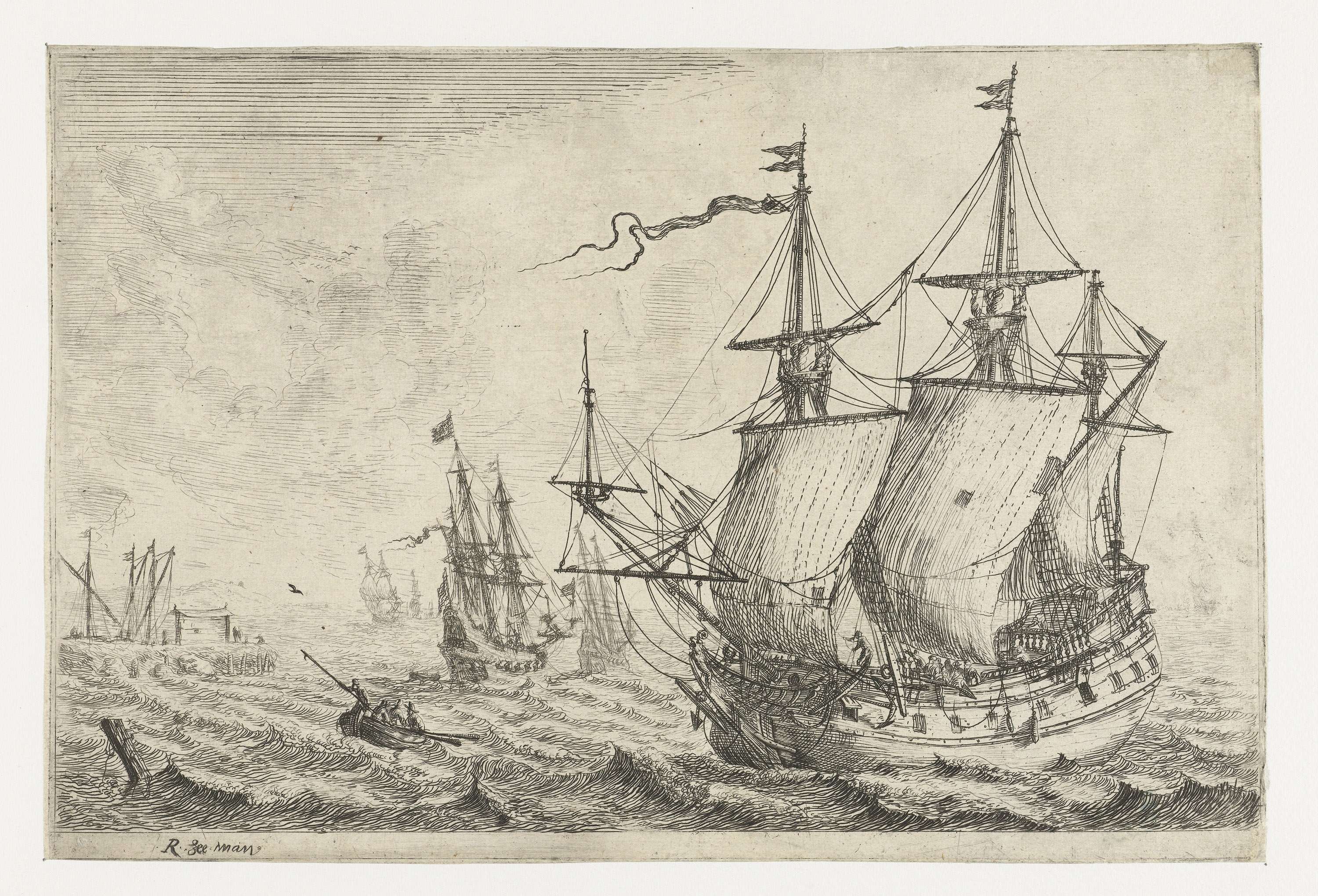
Is this a mirror — or a memory? In Bickerseiland, the artist reveals a world where the boundary between the seen and the felt dissolves, inviting viewers to ponder the essence of place and identity. Look to the left where the gentle curve of the river bends, reflecting a soft interplay of light that dances across the water’s surface. The muted palette of blues and greens evokes a serene, almost dreamlike quality, while sturdy trees frame the scene, creating a natural border that draws the eye inward.
Notice how the delicate brushwork captures the shimmering reflections, inviting contemplation of the tranquility of nature alongside human existence nestled within it. Yet, beneath this calm exterior lies a narrative of coexistence and tension. The boats dotting the river symbolize human aspiration and the fragility of life, contrasting with the timelessness of the landscape. The distant architecture hints at a community thriving in harmony with nature, while the subtle variations in the water’s hue suggest the passage of time — a reminder that moments, like reflections, are fleeting yet impactful.
During the years 1652 to 1654, Reinier Nooms was deeply immersed in the maritime life of Amsterdam, a city bustling with trade and artistic innovation. Creating this work at a time when landscape painting was gaining prominence, he sought to capture not only the physical beauty of his surroundings but also the emotional resonance that such places evoke in the human spirit. This piece is a testament to his ability to harmonize realism with feeling, solidifying his place in the rich tapestry of Dutch Golden Age art.