Blick auf die Nied bei Rödelheim — History & Analysis
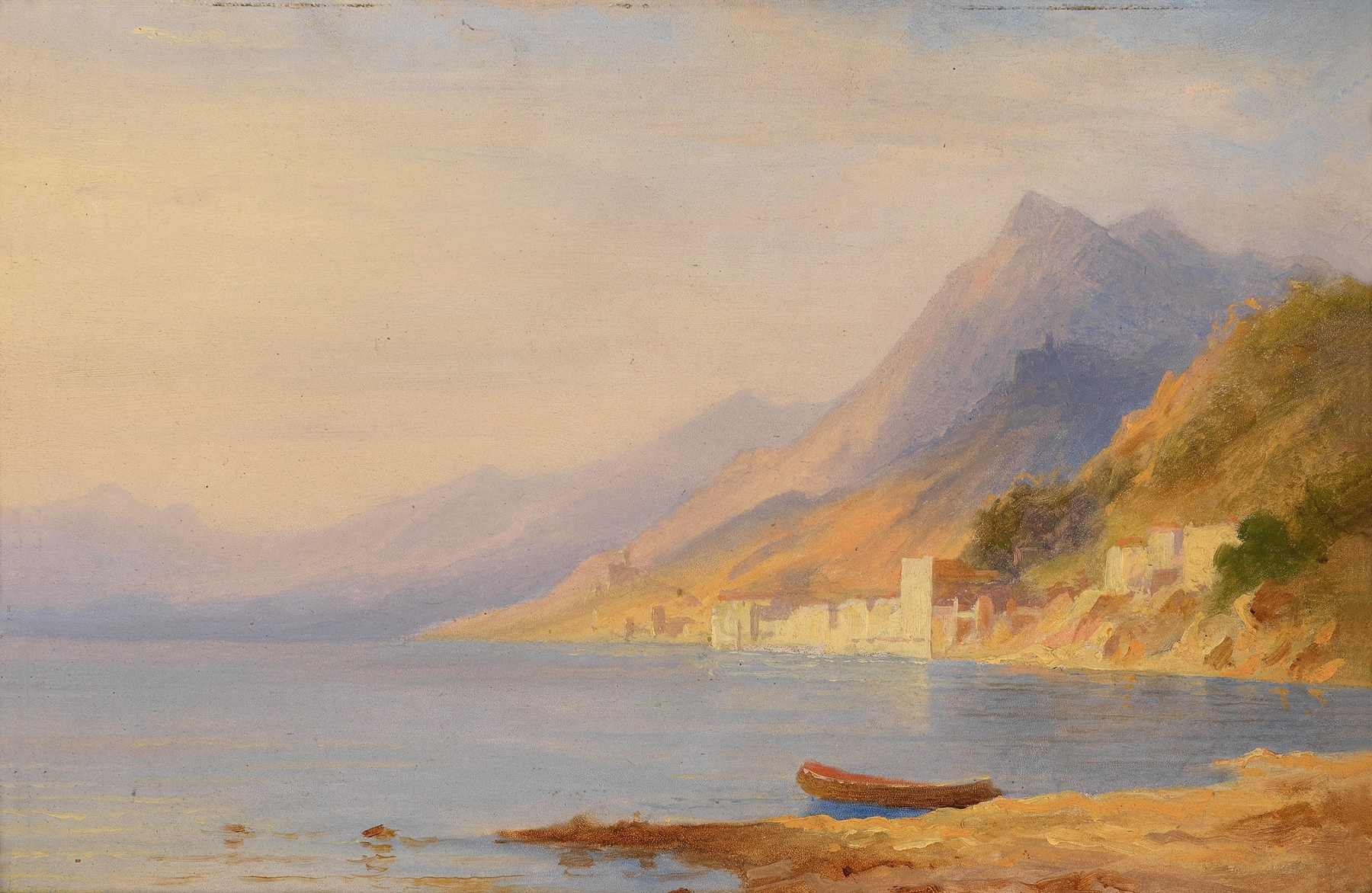
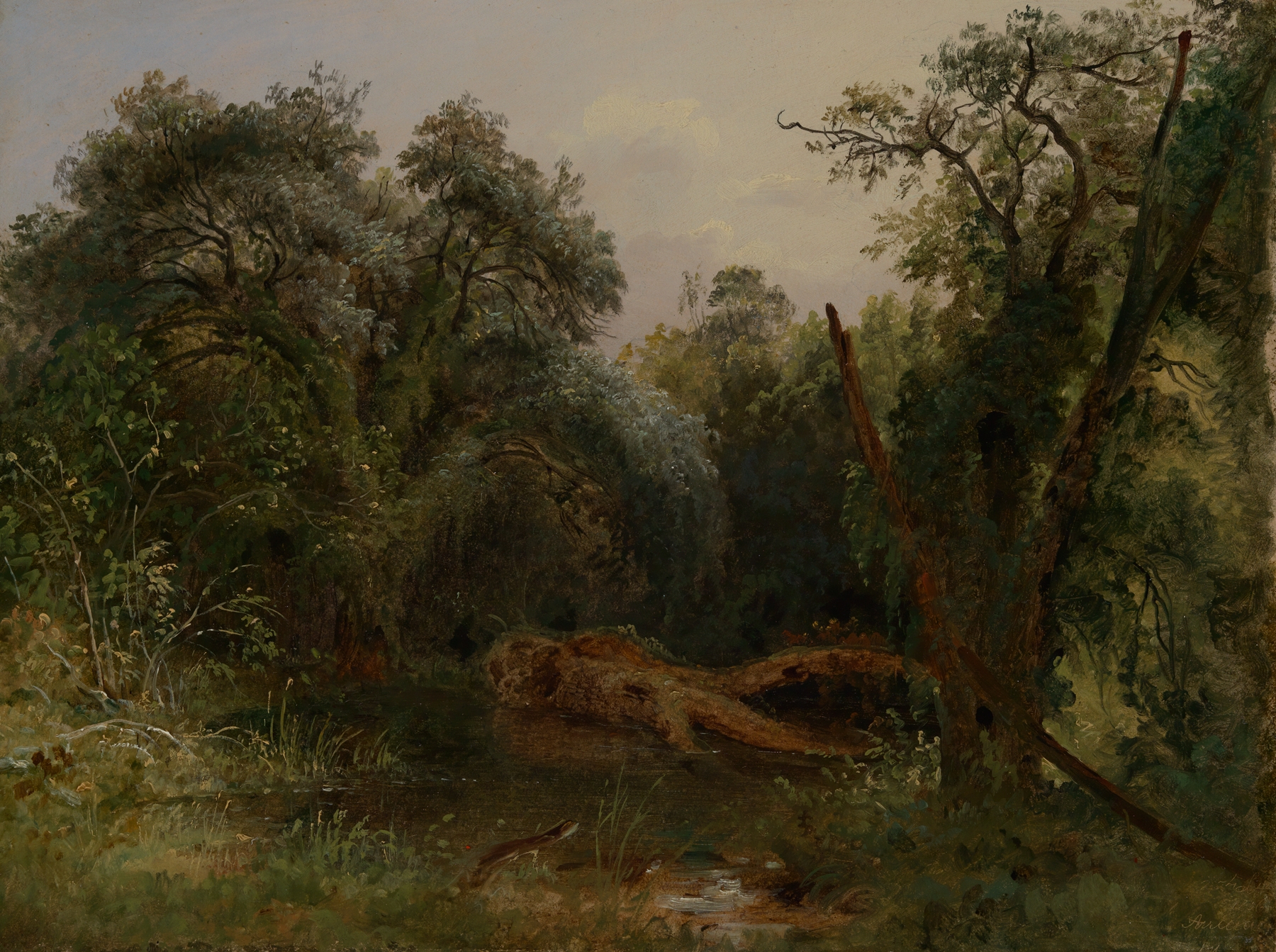
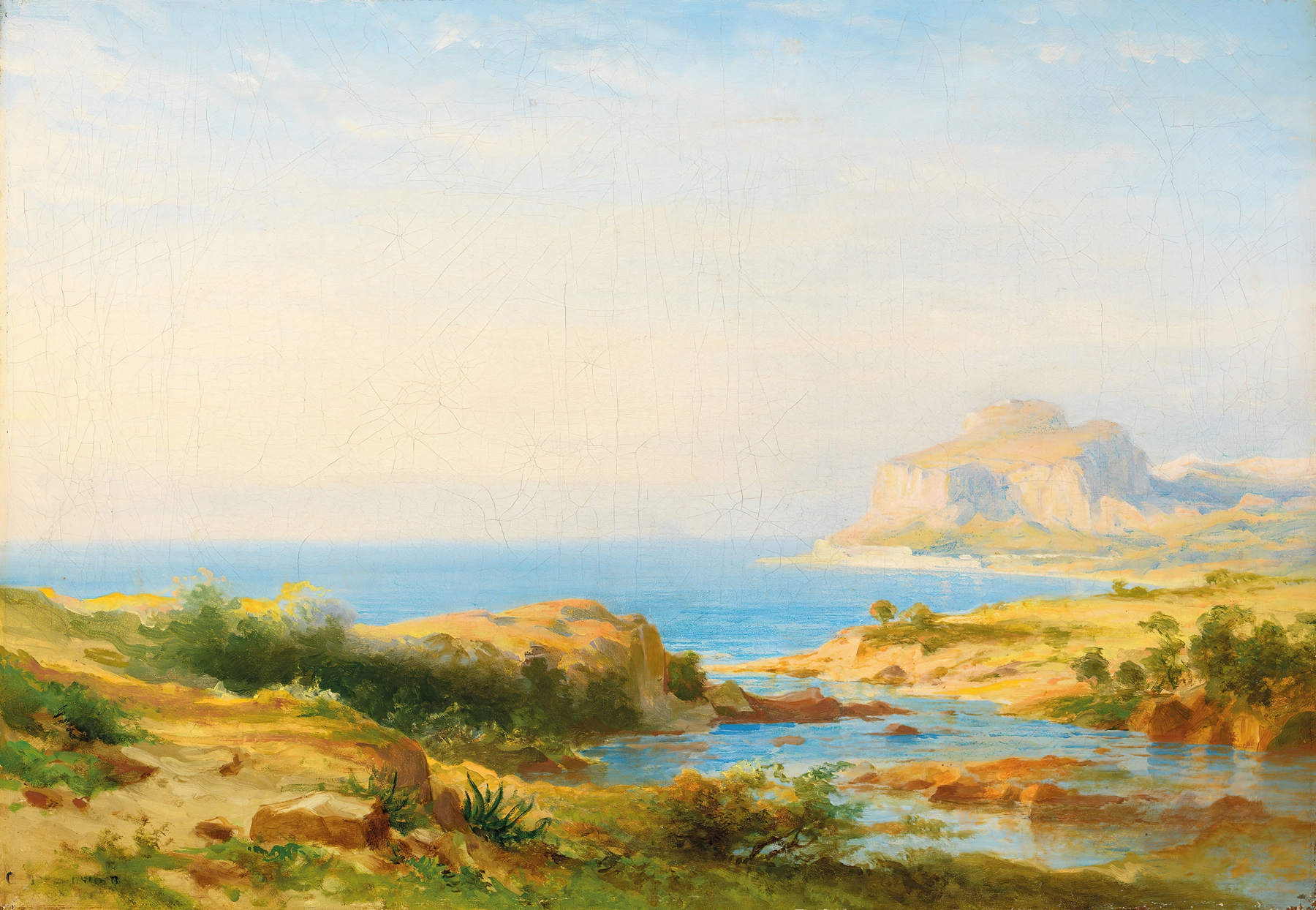
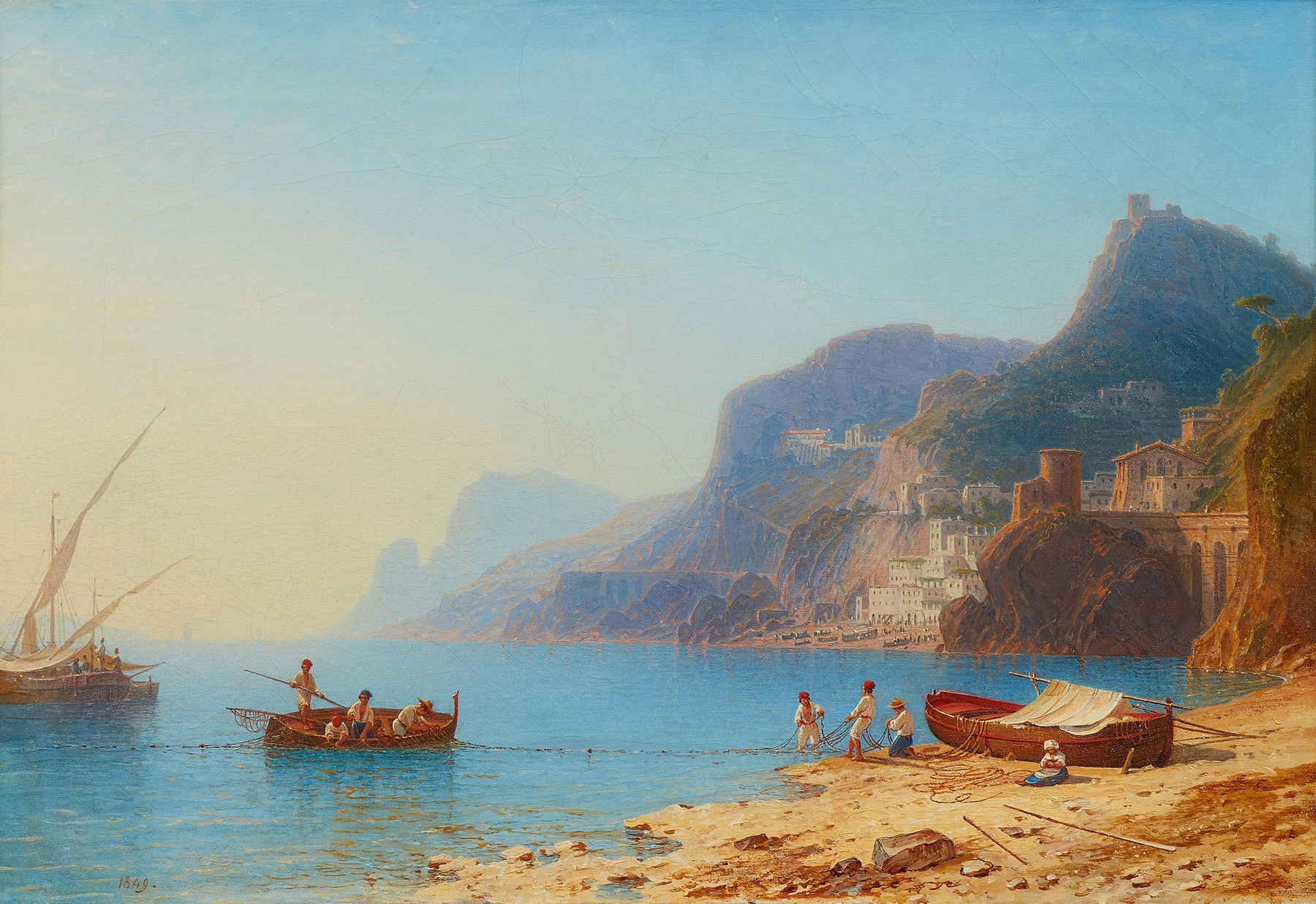
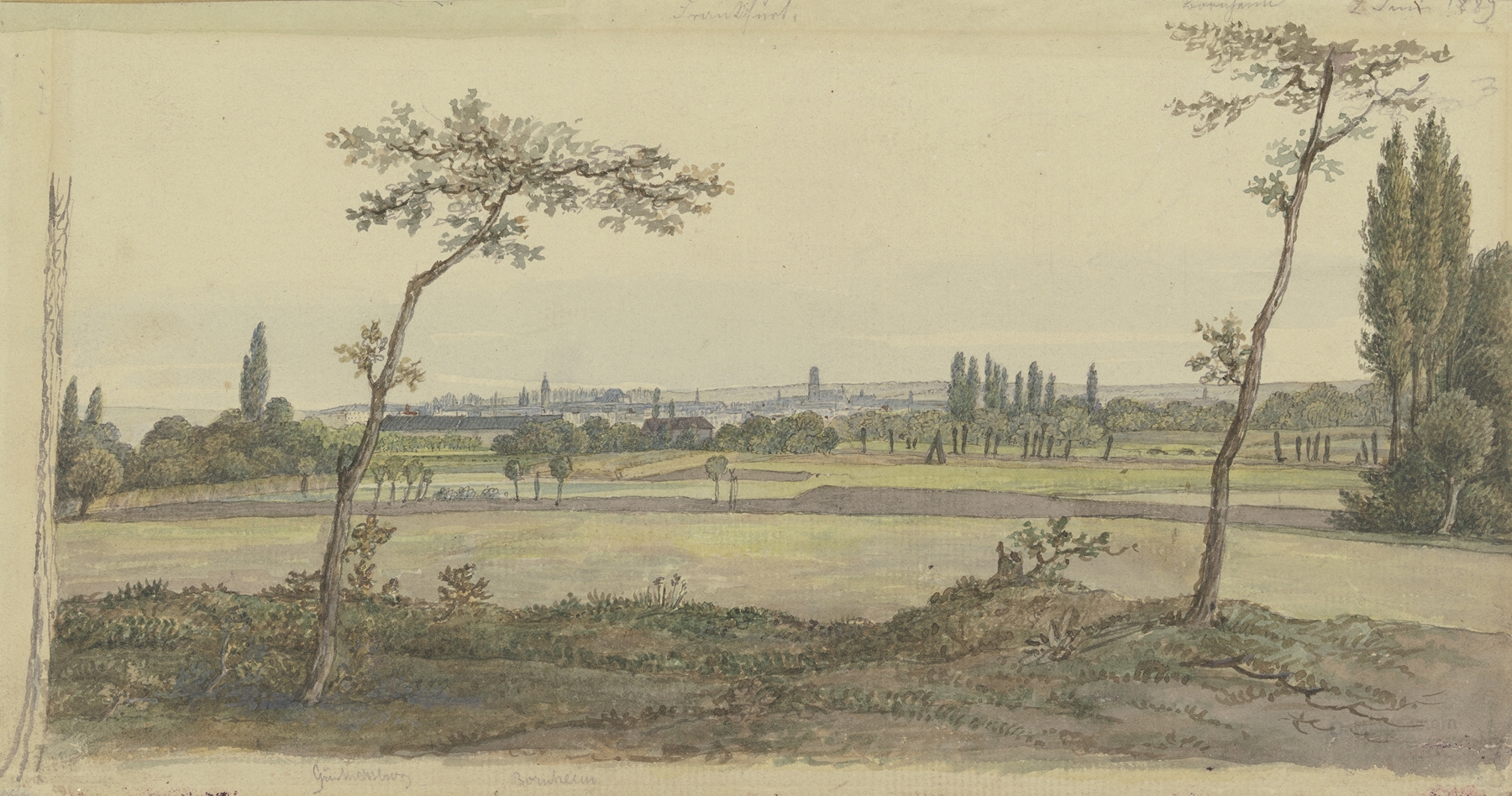
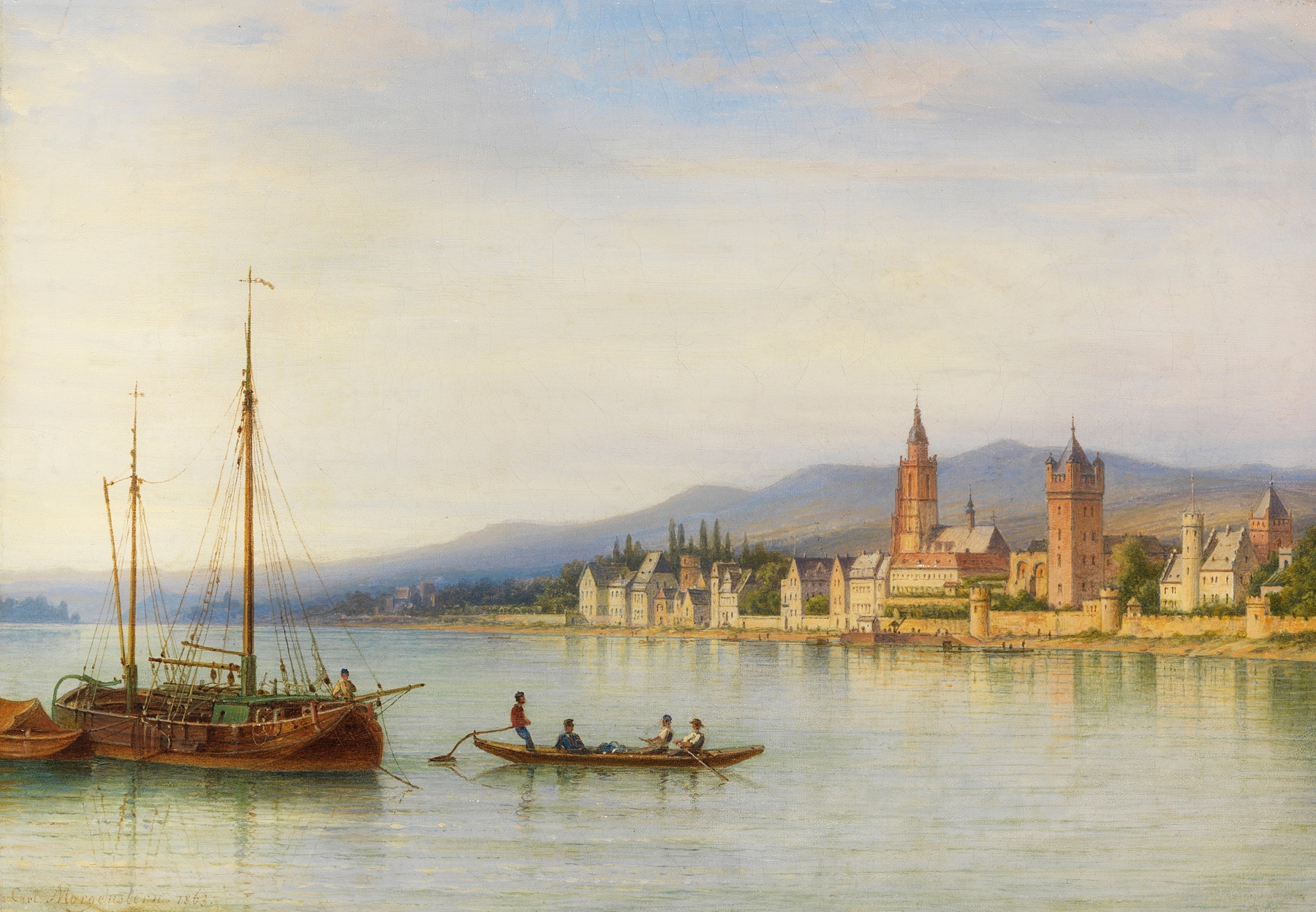
“The canvas doesn’t lie — it simply waits.” In this stillness lies the essence of desire, a yearning captured in a moment of tranquil beauty. Look closely at the foreground, where delicate brushstrokes form the winding riverbank, leading the eye gently toward the horizon. The soft hues of green and blue intermingle, creating a serene landscape that breathes life into the scene. Notice how the light dances upon the water's surface, reflecting the gentle hues of the sky, inviting contemplation and reverie.
This masterful use of color and technique captures not just a view, but a longing for connection with nature. As you explore the painting, consider the juxtaposition of the vibrant vegetation against the stillness of the water. This contrast speaks to the tension between movement and repose, a reflection of the human experience of desire itself. The distant hills loom large yet inviting, evoking an emotional pull, as if they hold secrets waiting to be uncovered.
The quiet majesty of the landscape resonates, suggesting that what we seek may often lie just beyond our reach. In 1830, Carl Morgenstern painted this evocative piece amidst an artistic landscape that was shifting towards Romanticism, a movement deeply invested in emotion and nature. Living in Germany at the time, he was influenced by the prevailing themes of introspection and a yearning for the sublime, which echoed throughout European art. This period marked a fascination with the natural world and the artist’s own personal exploration of aesthetic beauty, making his work both a reflection of his inner desires and a part of the broader art movement.