Im Park von Ariccia — History & Analysis
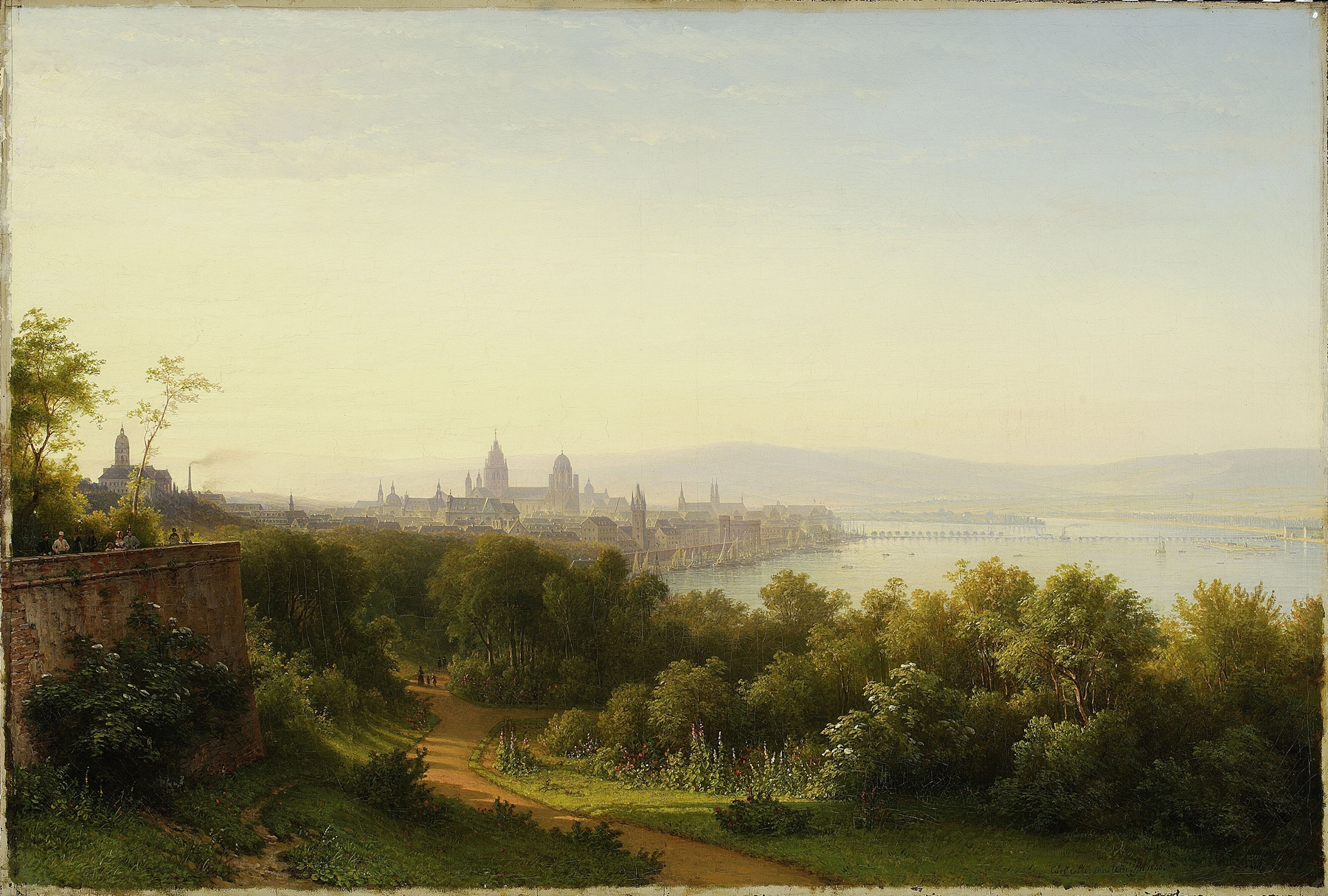
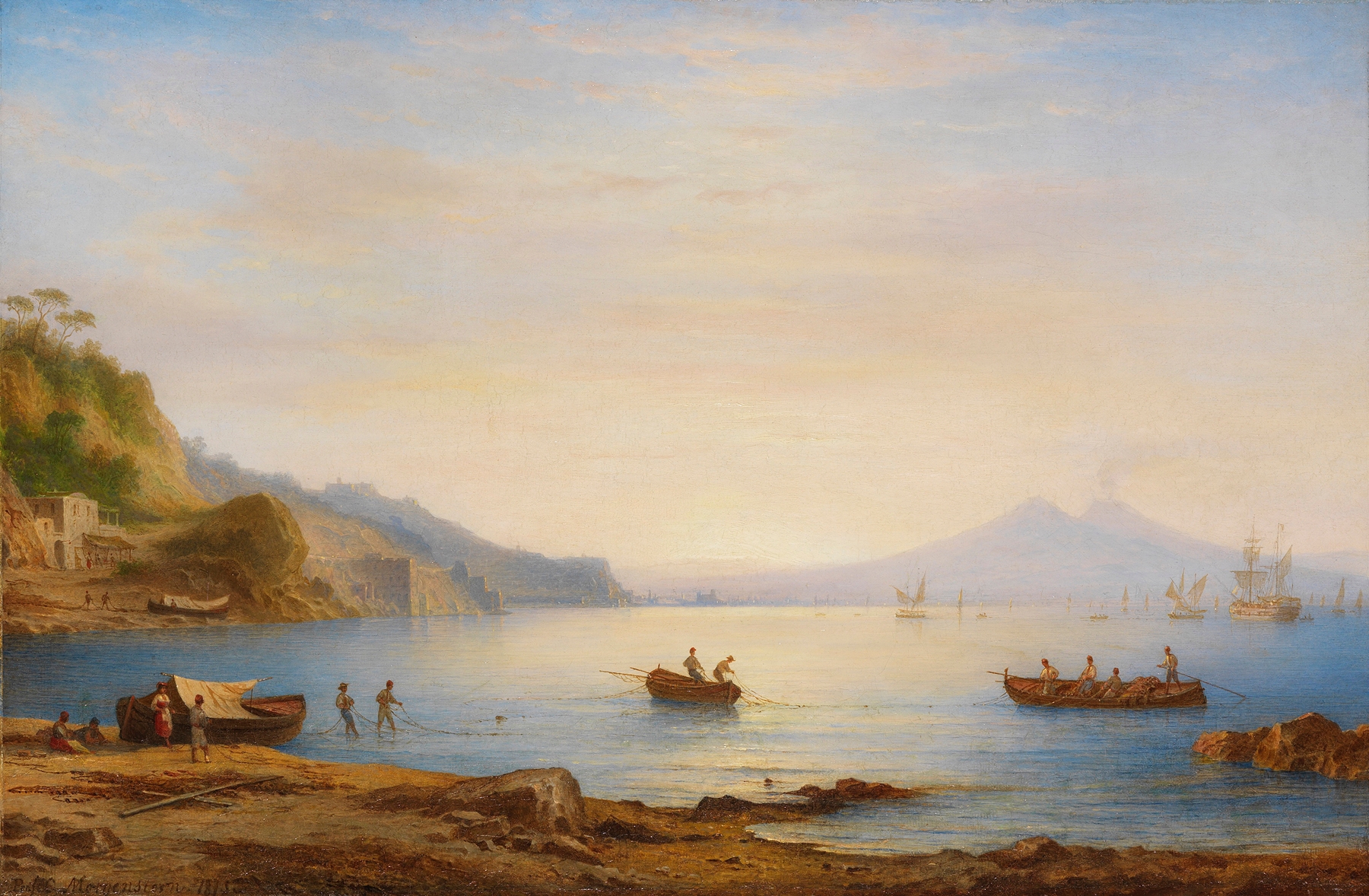
Who listens when art speaks of silence? In the stillness of Im Park von Ariccia, longing envelops the viewer, inviting contemplation of what lies beyond the visible. Look to the foreground, where a gentle path winds through a lush, serene park, beckoning you to wander. The soft greens and earth tones are punctuated by dappled sunlight filtering through the trees, creating a rhythmic interplay of light and shadow.
Notice the figures in the distance, their postures relaxed yet distant, evoking a sense of both connection and solitude amidst nature's embrace. The composition draws your eye along the path, leading to a horizon where the promise of deeper emotions lingers just out of reach. Delve deeper into the nuances of the piece: the way the figures appear to be engaged in their own worlds, suggesting an unspoken yearning for connection. The contrast between the vibrant surroundings and the stillness of the characters heightens the emotional tension, hinting at unfulfilled desires and the quiet melancholy that often accompanies relationships.
Each brushstroke reflects the artist’s tender approach to capturing not only a scene but the profound silence filled with unexpressed sentiments. In 1836, Carl Morgenstern painted this work during a transformative period for landscape art, marked by the Romantic movement's emphasis on emotion and nature. Settled in Berlin, he explored the tension between human experience and the natural world, reflecting the growing European fascination with pastoral scenes. Im Park von Ariccia is both a snapshot of a moment in time and a timeless exploration of longing, resonating with viewers long after the initial glance.