Ansicht von Subiaco, im Vordergrund eine Brücke — History & Analysis
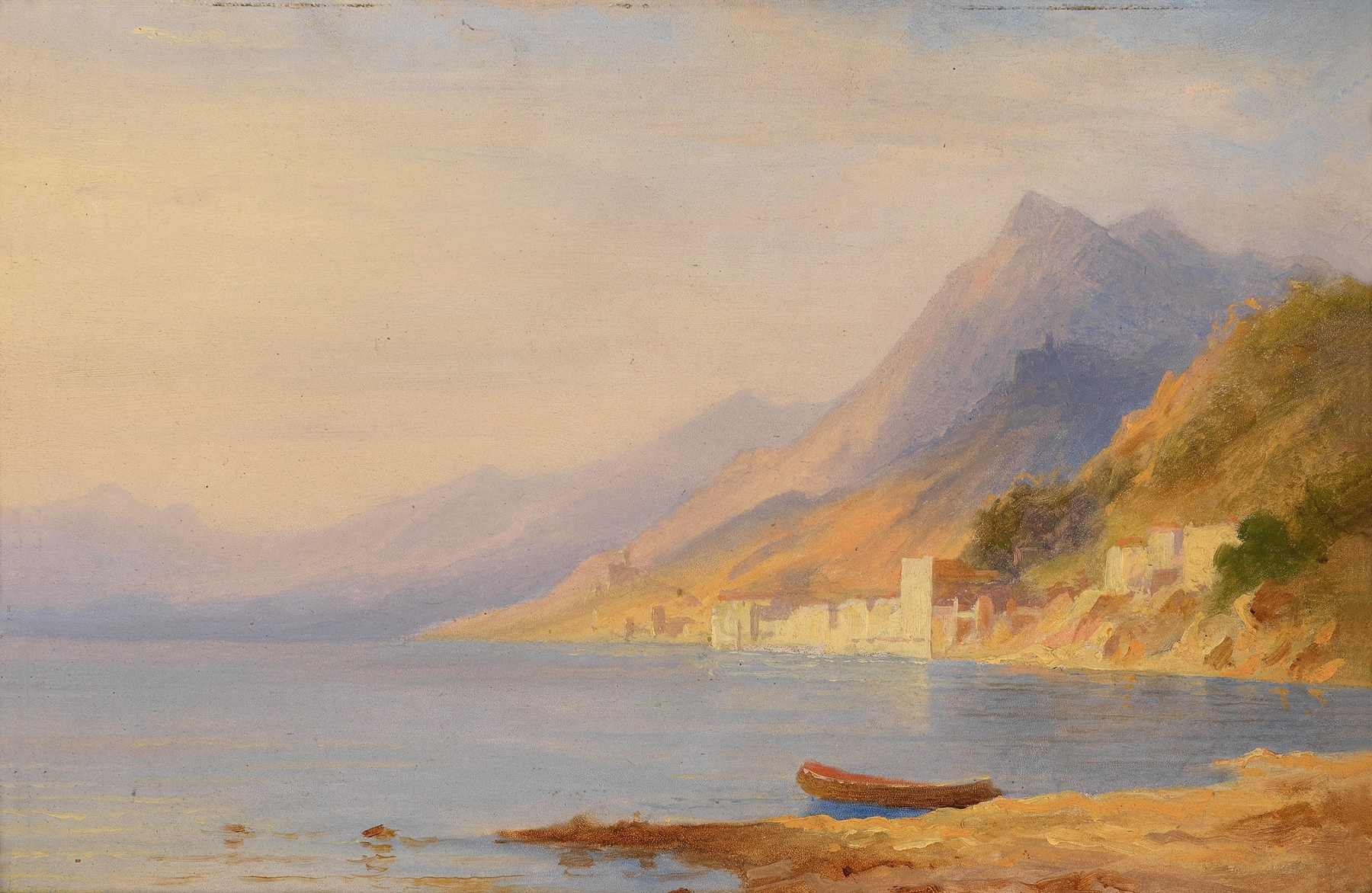
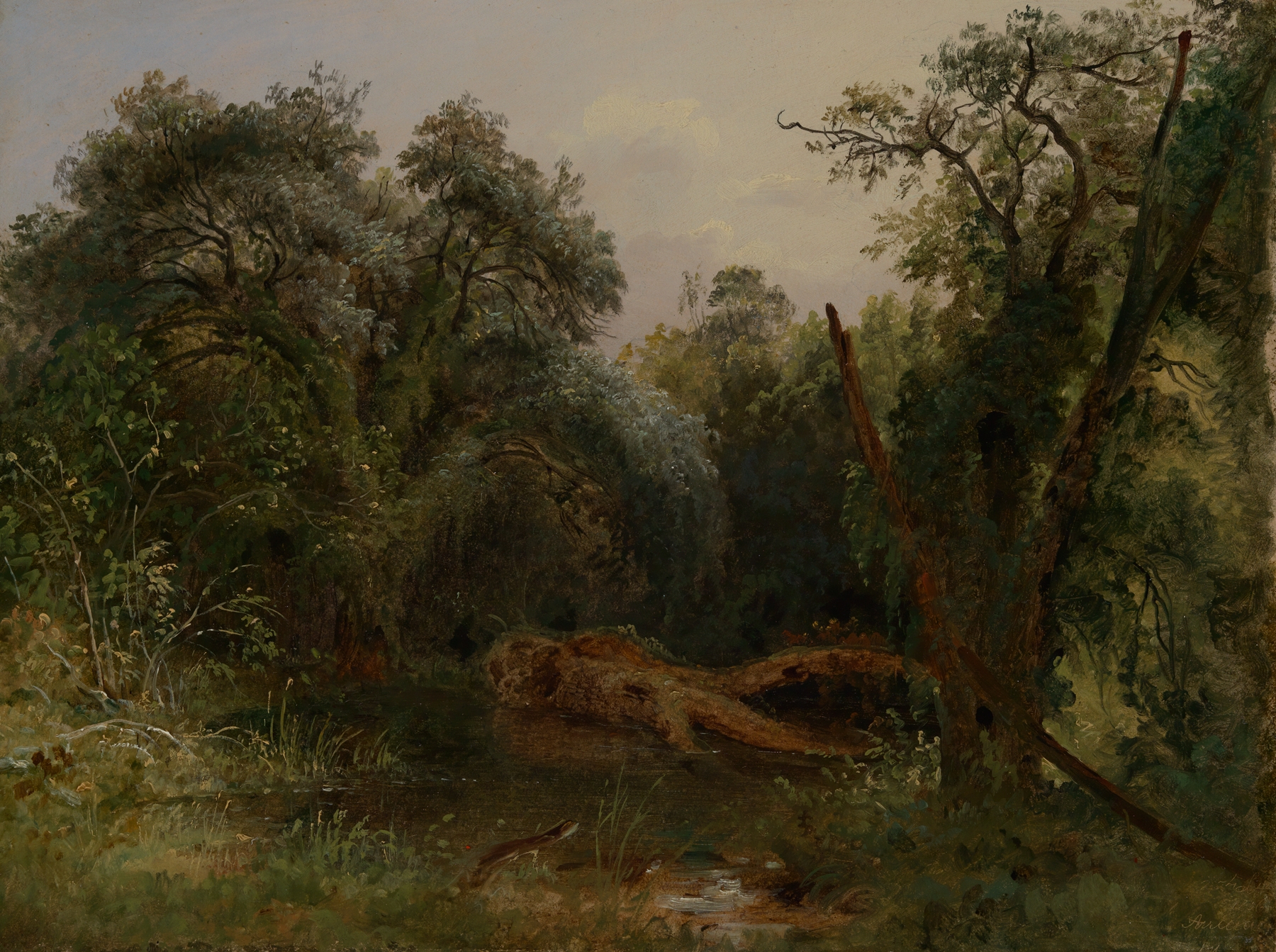
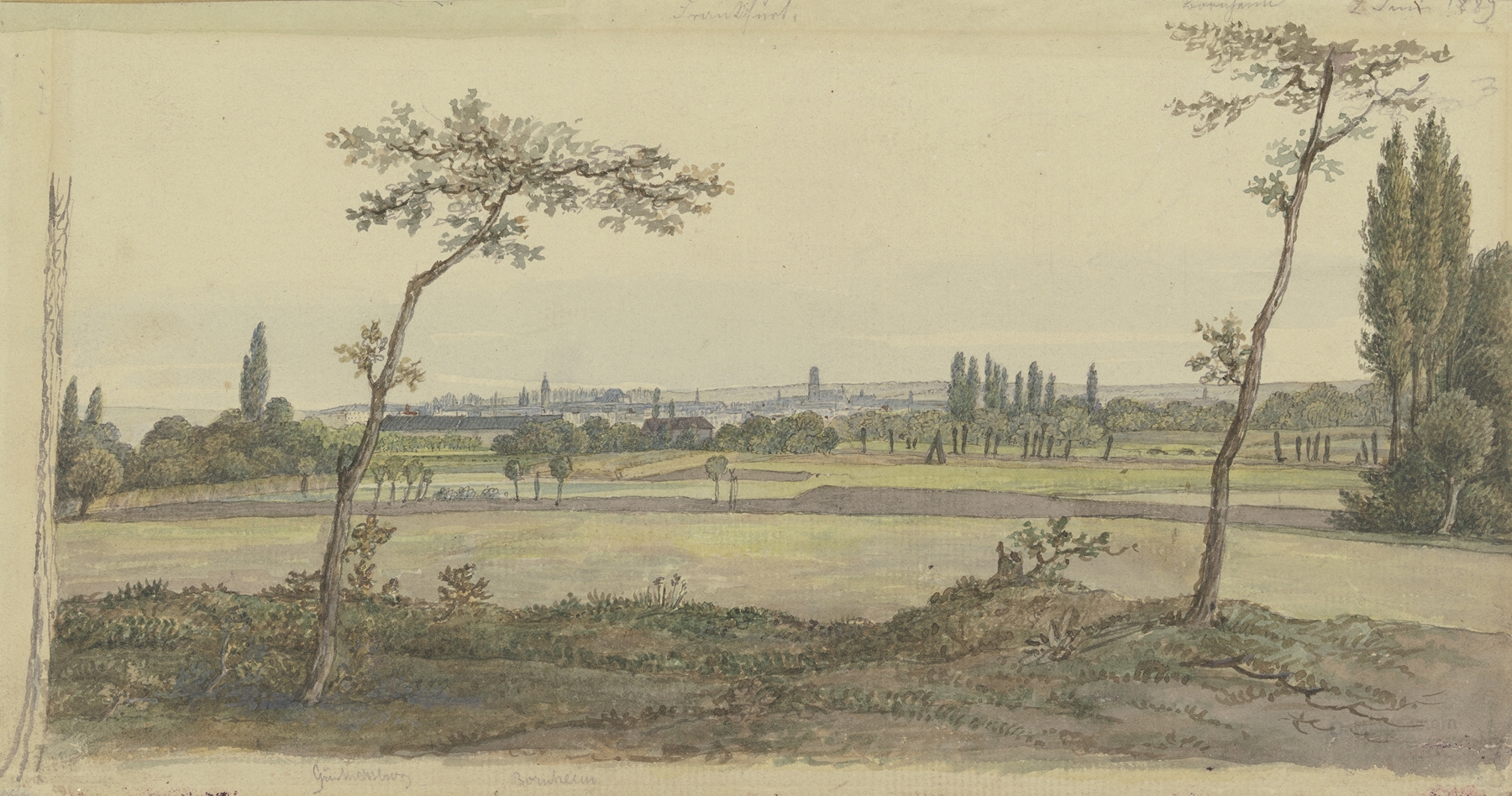
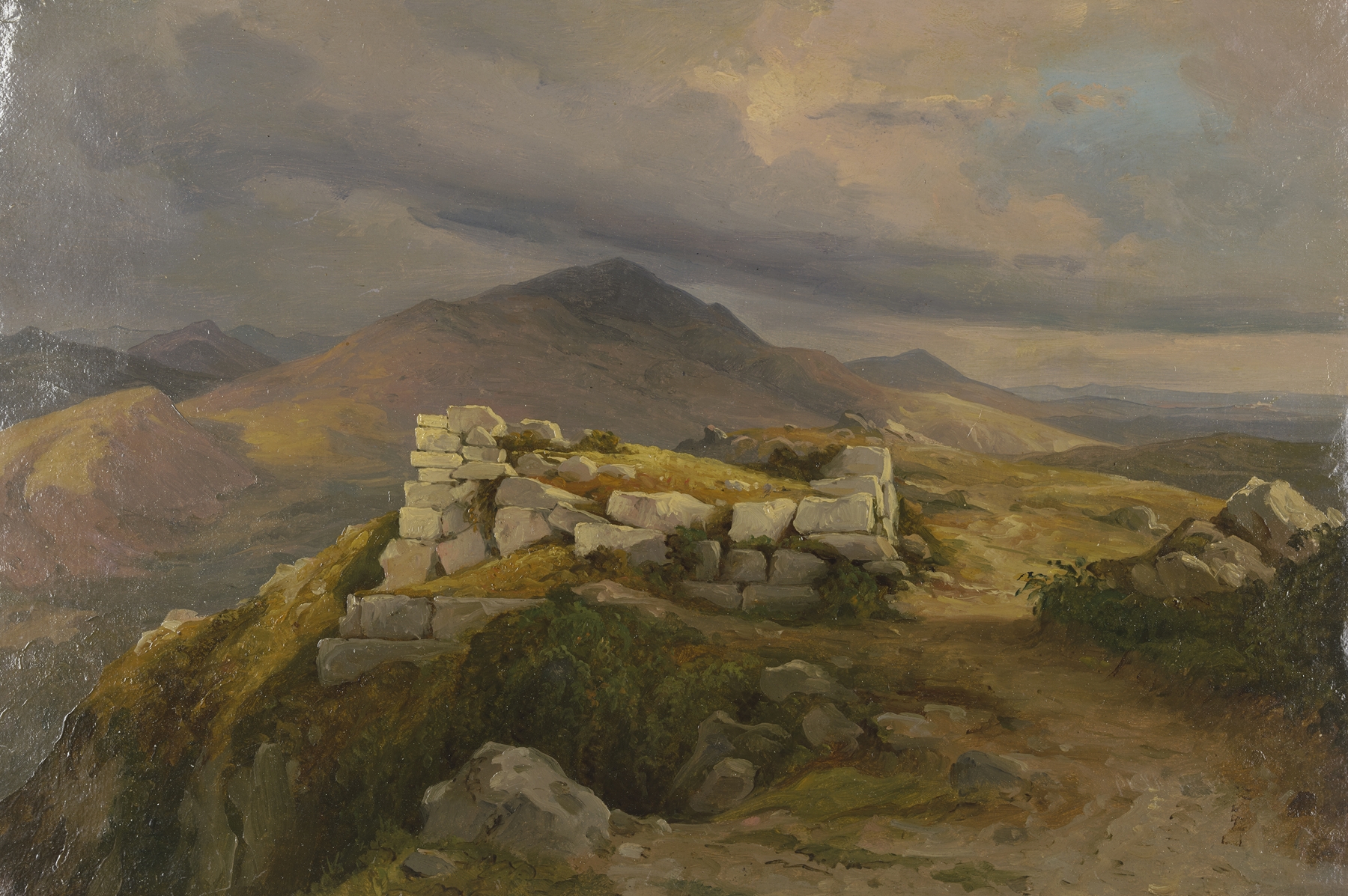
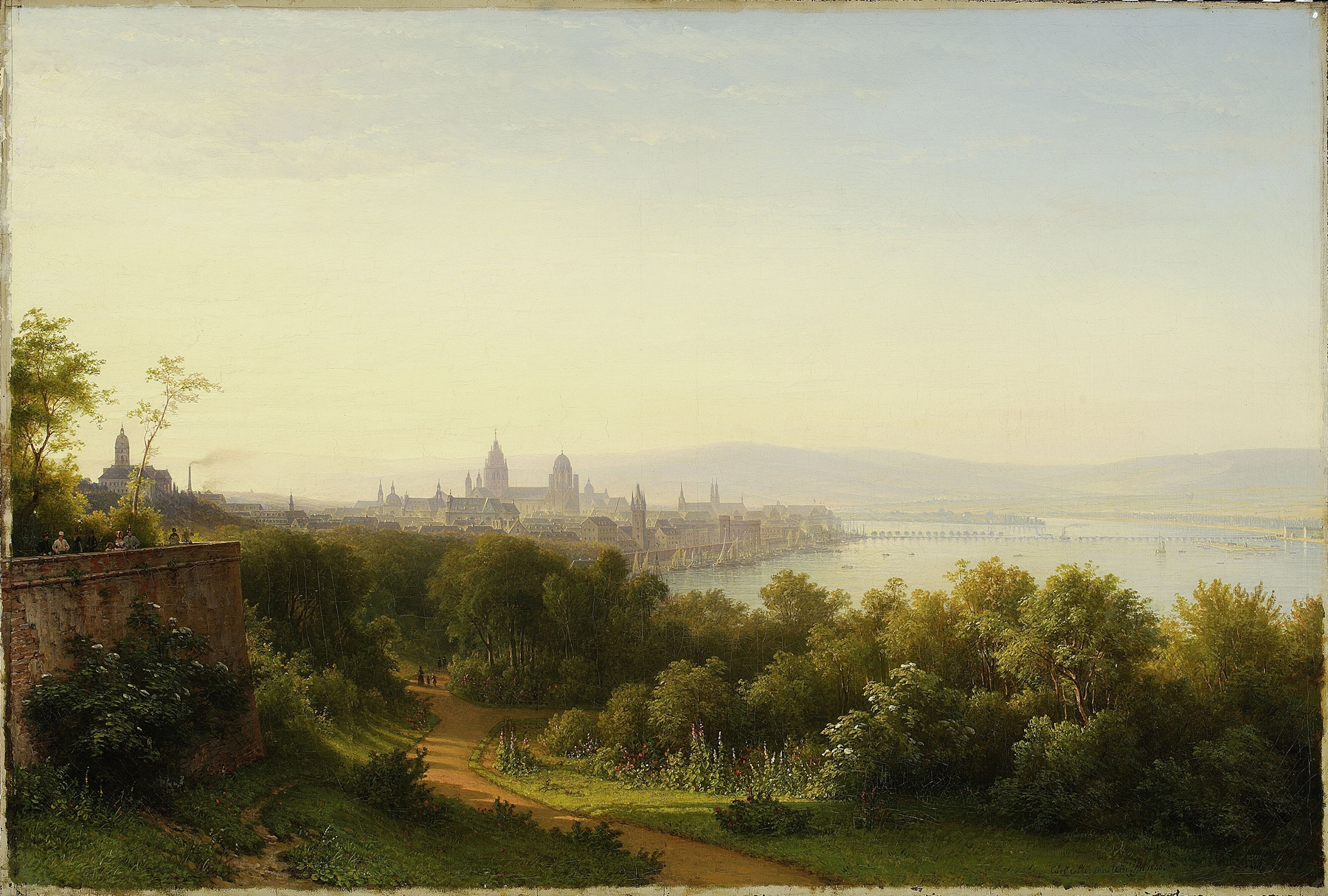
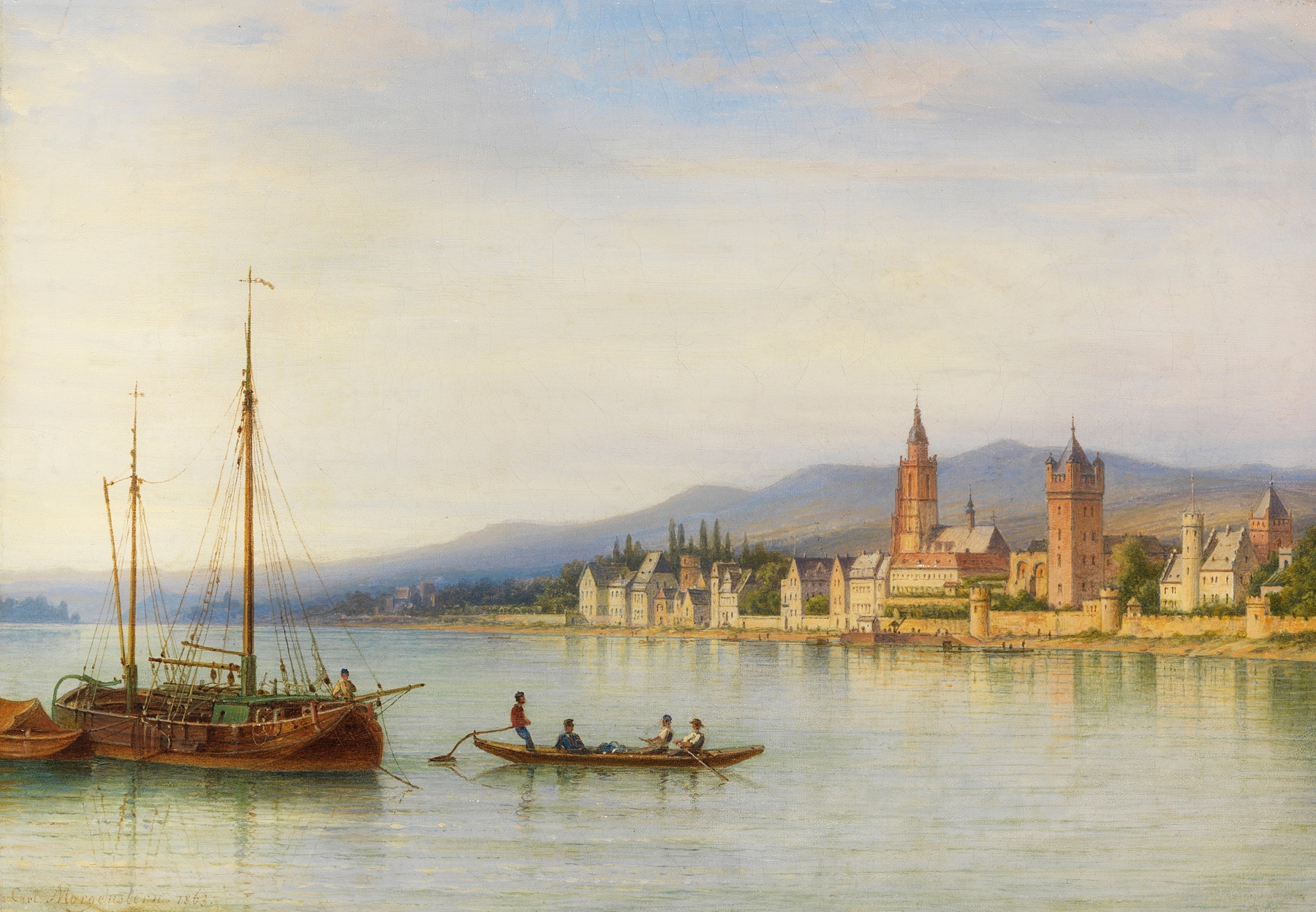
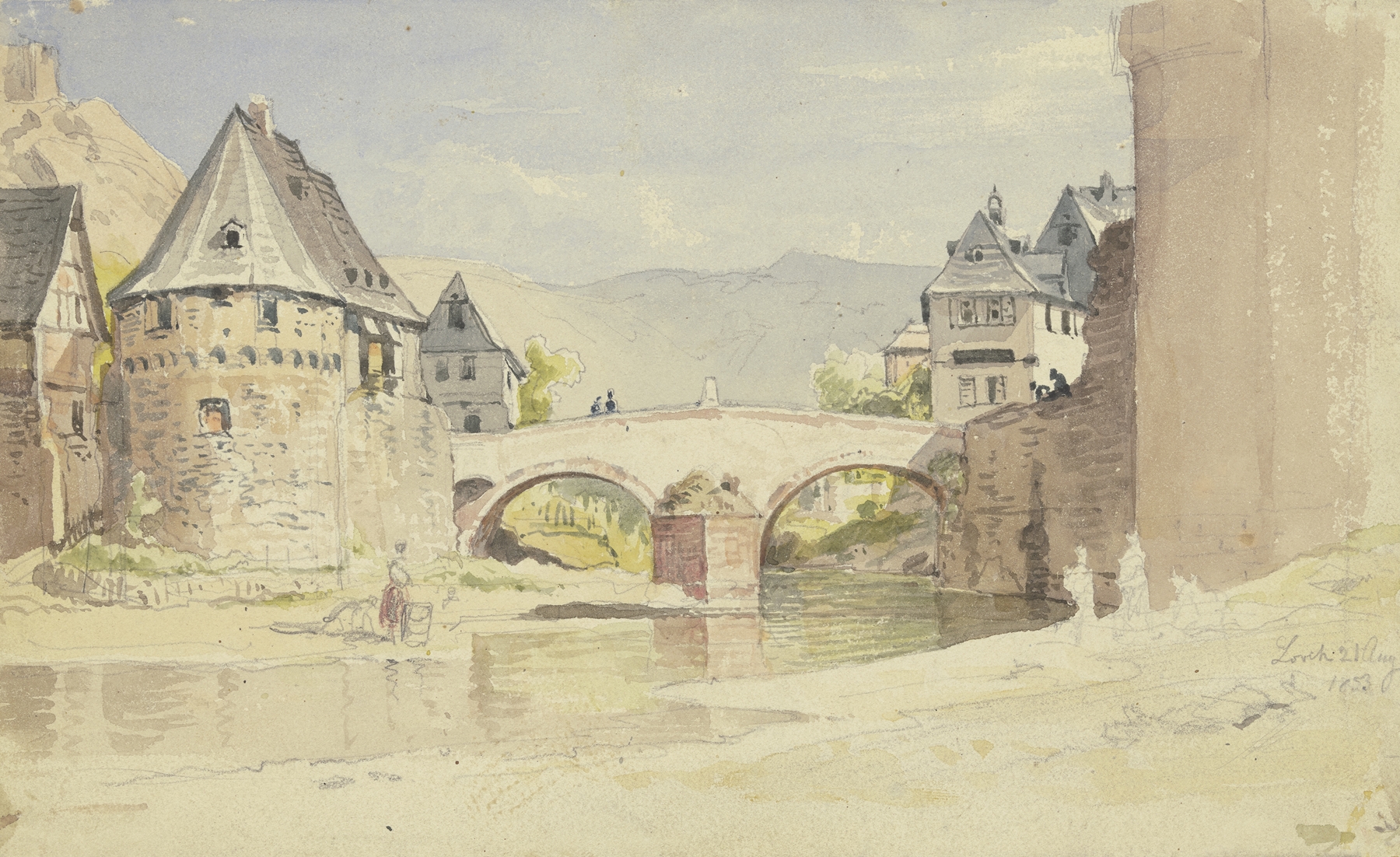
“Art reveals the soul when the world turns away.” In the delicate interplay of illusion and reality, we find a bridge between the known and the unknown, where our perceptions blur under the weight of the artist's vision. Look to the center of the canvas, where a curving bridge gracefully spans the foreground, its architecture echoing the gentle contours of the landscape behind it. Notice how soft, golden light filters through the trees, casting dappled shadows on the bridge's surface, inviting you to step into this serene scene. The lush greens and earth tones create a harmonious balance, while the distant hills, painted in cooler, muted blues, create a subtle tension that draws the eyes deeper into the composition.
Yet, amidst this tranquil setting lies a deeper emotional narrative. The bridge, a symbol of connection and transition, suggests the passage between two realms, one of safety and another of uncertainty. The play of light evokes a sense of fleeting time, reminding us of life's transient nature. As you gaze longer, the idyllic beauty morphs into a contemplative moment, inviting questions about where the bridge leads and what lies beyond its arch.
Created during a period of social change in the mid-19th century, this work reflects Carl Morgenstern's exploration of idyllic landscapes and architectural harmony. The exact date remains unknown, but his time in Germany saw burgeoning Romanticism, where artists sought to intertwine nature and human experience. This approach not only influenced his paintings but also mirrored a growing appreciation for the beauty of the natural world amidst rapid industrialization.