Eltville am Rhein — History & Analysis
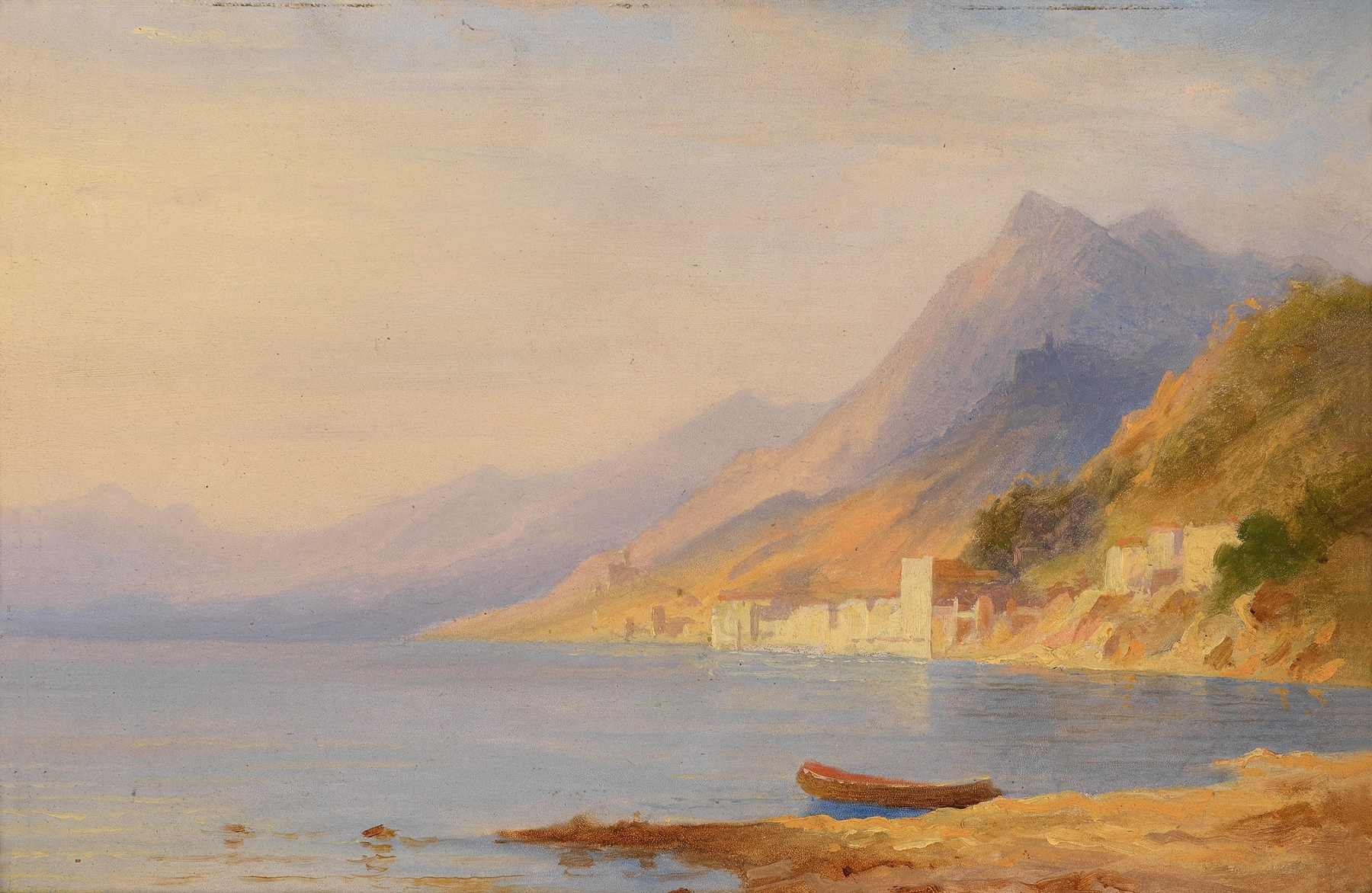
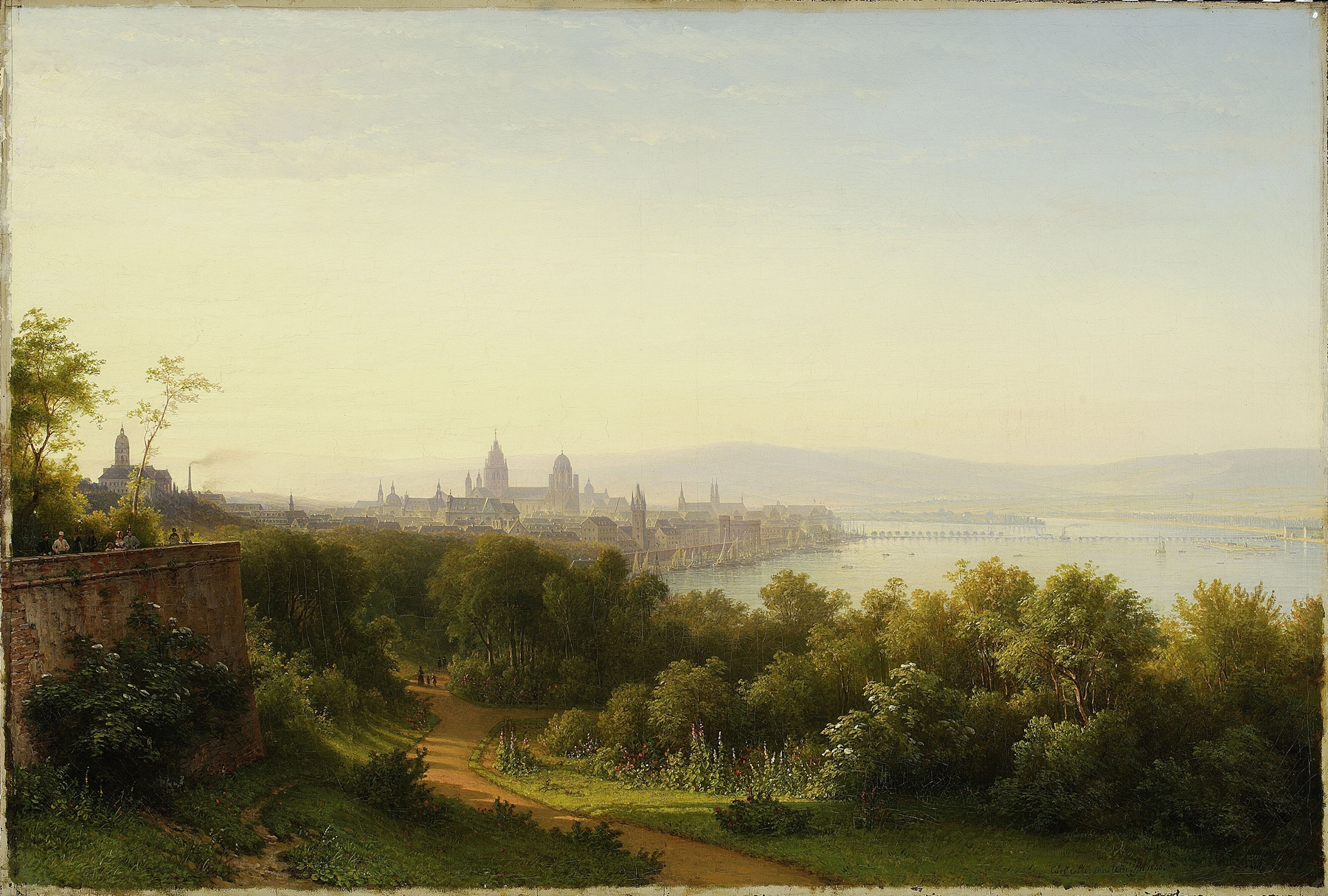
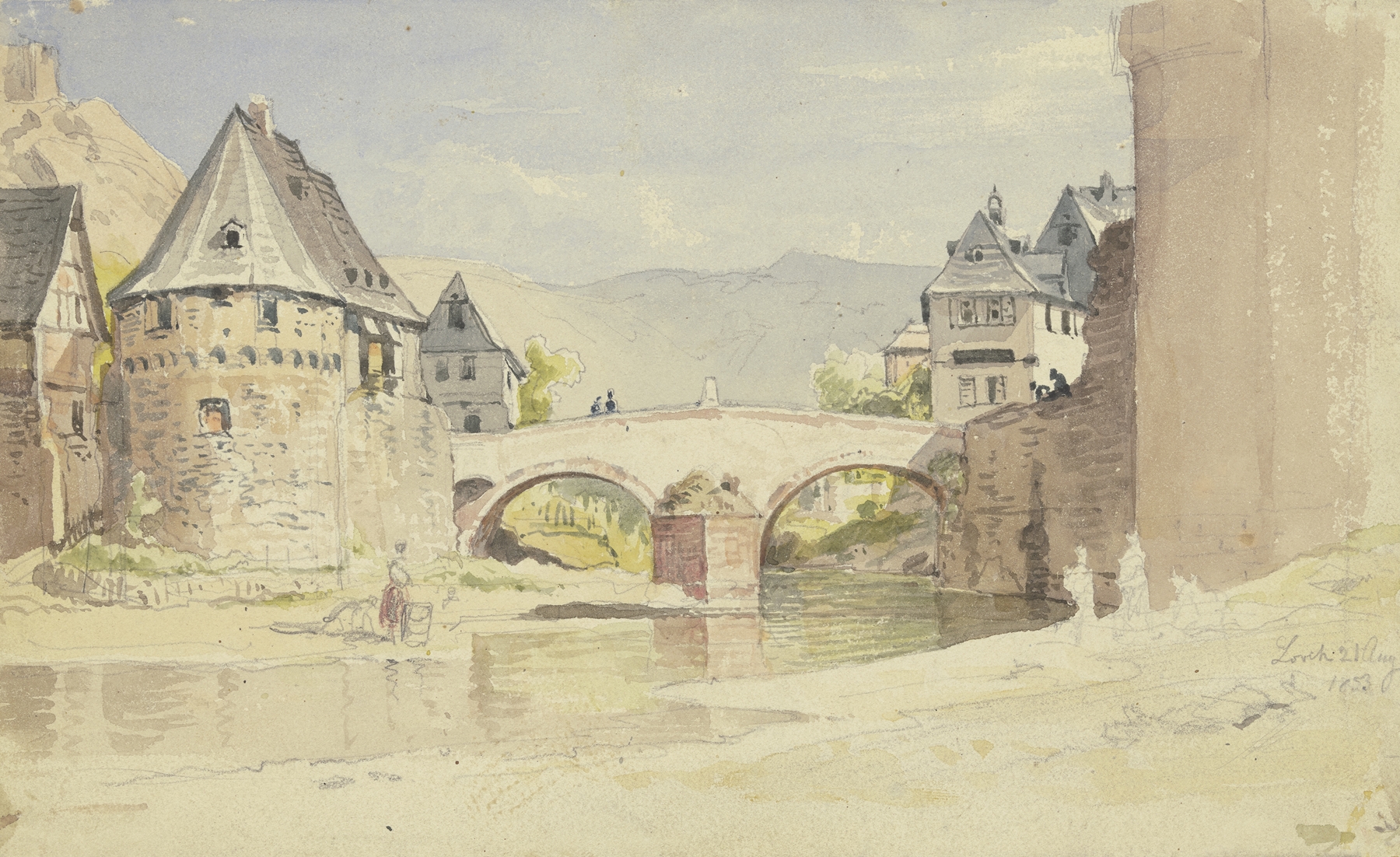
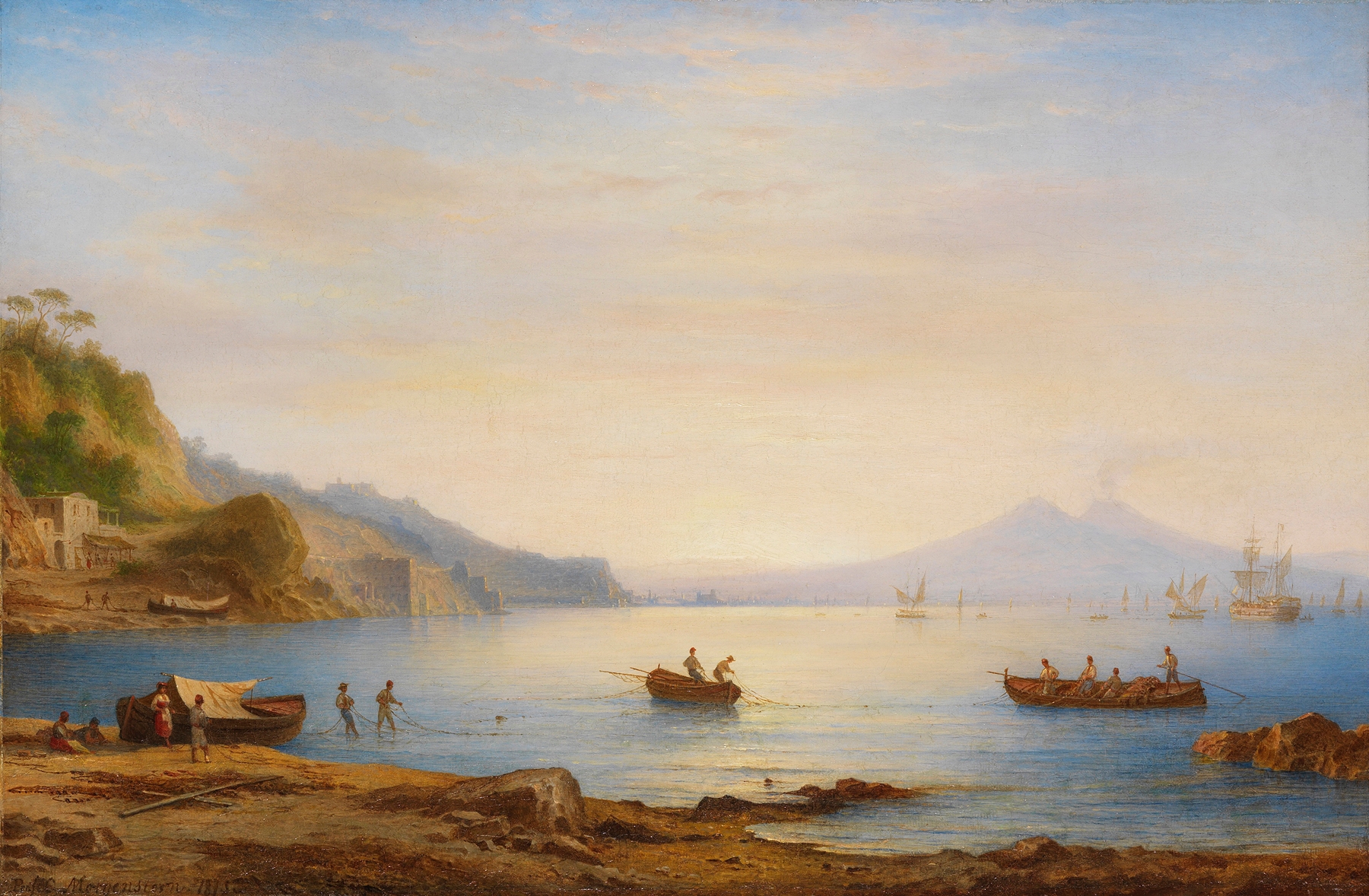
“Art reveals the soul when the world turns away.” In a world teeming with chaos, the quest for beauty often remains unfulfilled, leaving a profound yearning in its wake. Focus first on the serene waters of the Rhine, where the gentle ripples capture the soft light of dusk. To the left, the idyllic village of Eltville nestles against the backdrop of rolling hills, its rooftops bathed in warm hues of orange and pink. Notice how Morgenstern masterfully employs a palette that dances between earth tones and ethereal pastels, creating a tranquil balance that draws the viewer’s gaze across the canvas, inviting reflection on the life it depicts.
Beneath the surface of this serene landscape lies a yearning for connection — both with nature and a sense of belonging. The delicate interplay of light and shadow highlights the village’s quaint architecture, symbolizing the harmony that can exist between humanity and the natural world. The way the river winds through the scene mirrors life’s ebb and flow, echoing a desire for continuity and solace amid fleeting moments.
In 1863, Carl Morgenstern painted this evocative piece during a period of personal and artistic exploration. Residing in Germany, he was immersed in the Romantic movement, which sought to capture emotional depth and the sublime beauty of nature. This work emerged against a backdrop of societal change, reflecting a collective yearning for simpler, more meaningful connections as industrialization began to alter the landscape of everyday life.