Die abgegangene Steinerne Brücke von 1556 über die Wisper in Lorch im Rheingau — History & Analysis
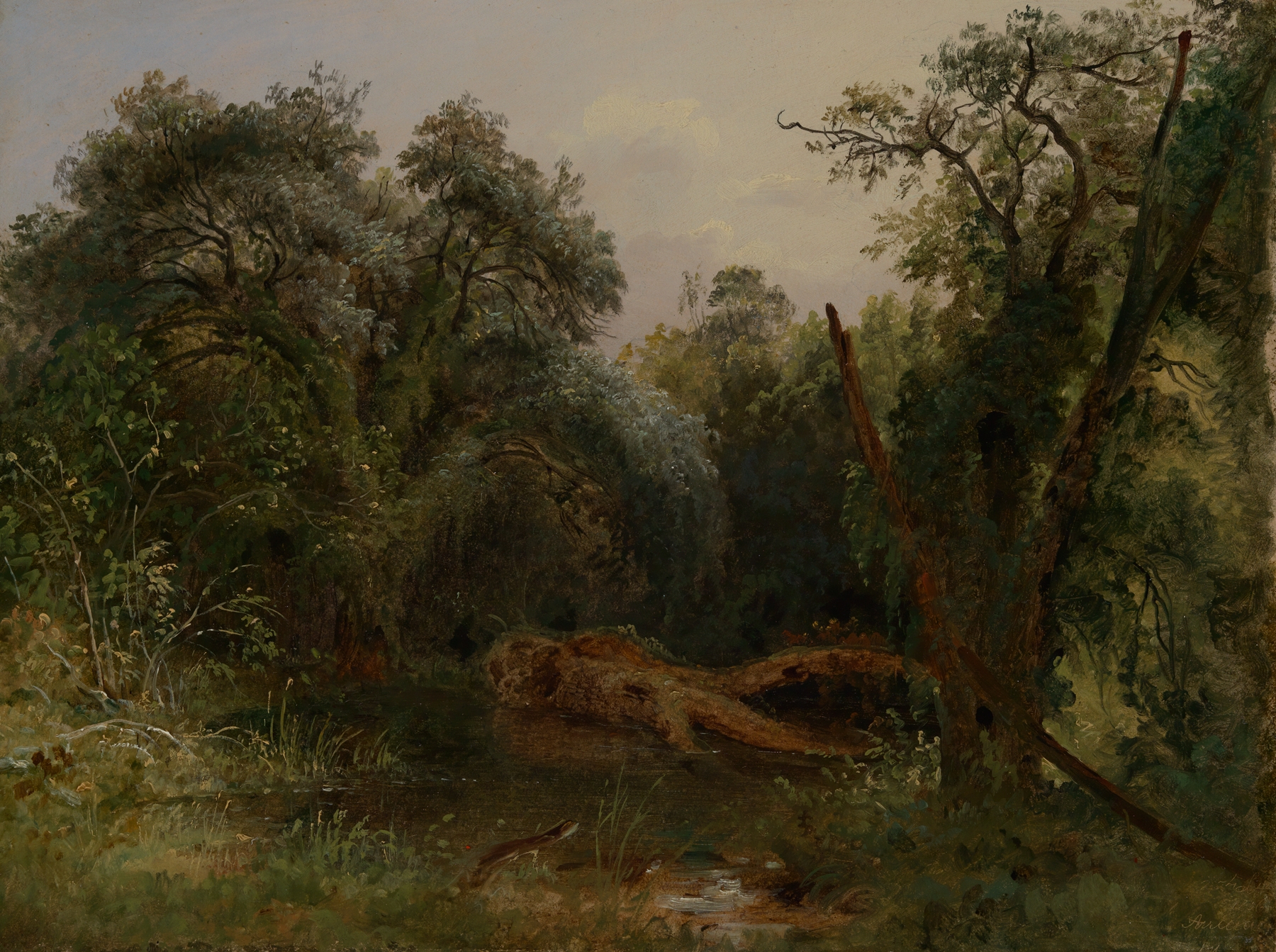
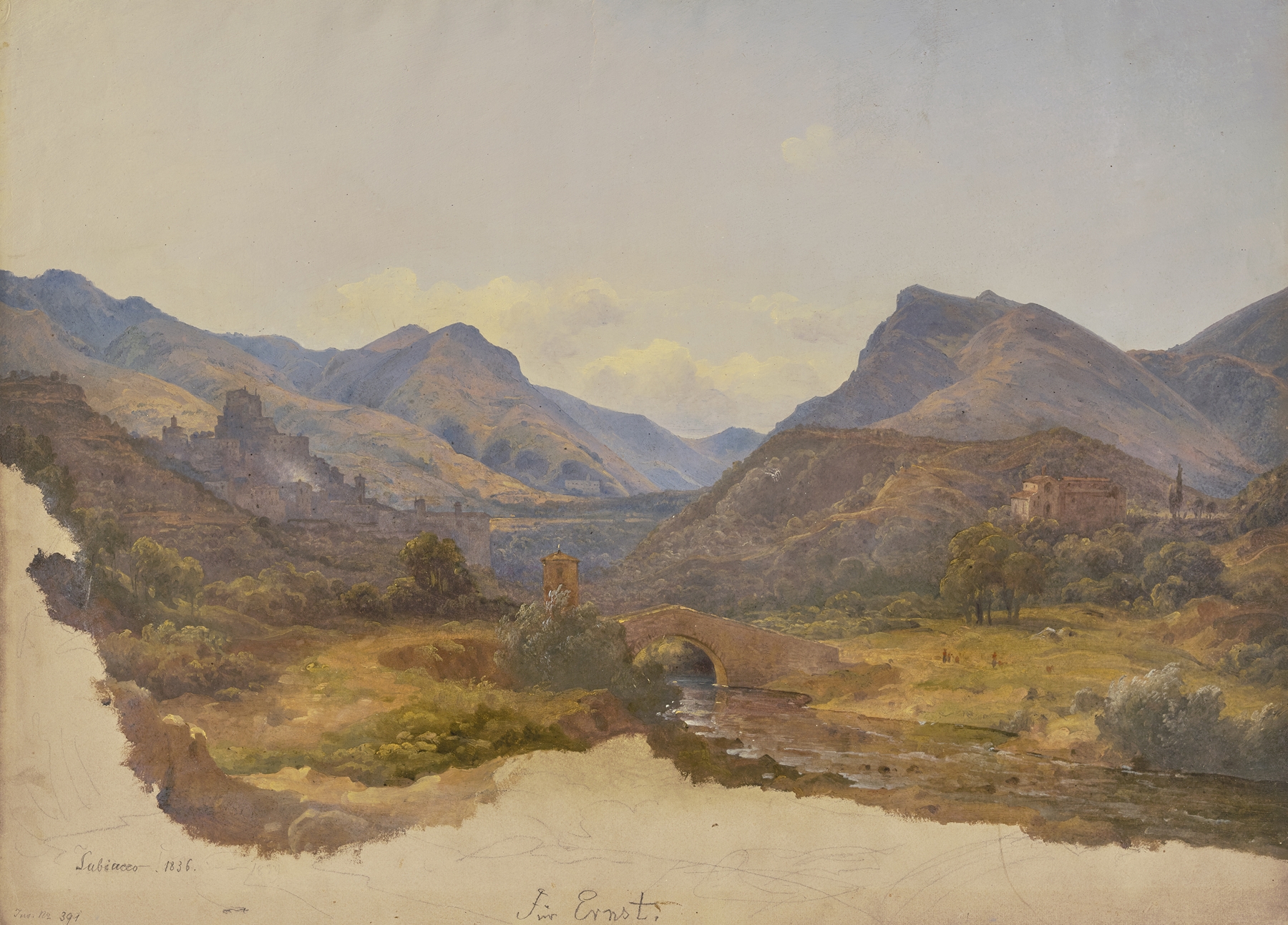
What secret hides in the quiet of the canvas? Perhaps it is the delicate balance between serenity and underlying madness, a realm where nature and human endeavor collide. Look to the left at the ancient stones of the bridge, their weathered surfaces a testament to time’s relentless passage. The sweeping arch rises gracefully above the placid waters of the Wisper, reflecting the lush green banks that cradle the river like a lover’s embrace.
Notice how the soft light dances across the scene, highlighting the warmth of the earthy tones while casting gentle shadows that whisper of forgotten tales. The meticulous detail in each brick invites you to consider the hands that shaped them, anchoring this pastoral scene in both history and artistry. Yet, beneath the tranquil surface lies a deeper tension—the bridge not only connects two shores but also signifies the fragility of human ambition against nature’s insistence on reclaiming its domain. The juxtaposition of the idyllic landscape and the man-made structure evokes questions of permanence; will this bridge endure the test of time, or will it succumb to the relentless encroachment of the wild?
Small details, like the fluttering leaves caught in the breeze, suggest an unsettling undercurrent, reminiscent of madness lurking just out of sight. In 1853, while creating this piece, Morgenstern was influenced by the Romantic movement that sought to elevate nature and individual experience. Living in Germany, he was surrounded by a growing interest in the picturesque qualities of landscapes, reflecting a time when artists began to explore emotional depth and personal interpretation in their work. This was a period marked by a tension between tradition and innovation in art, a theme that resonates powerfully within this painting.