Blick vom Rheingrafenstein in das Nahetal — History & Analysis
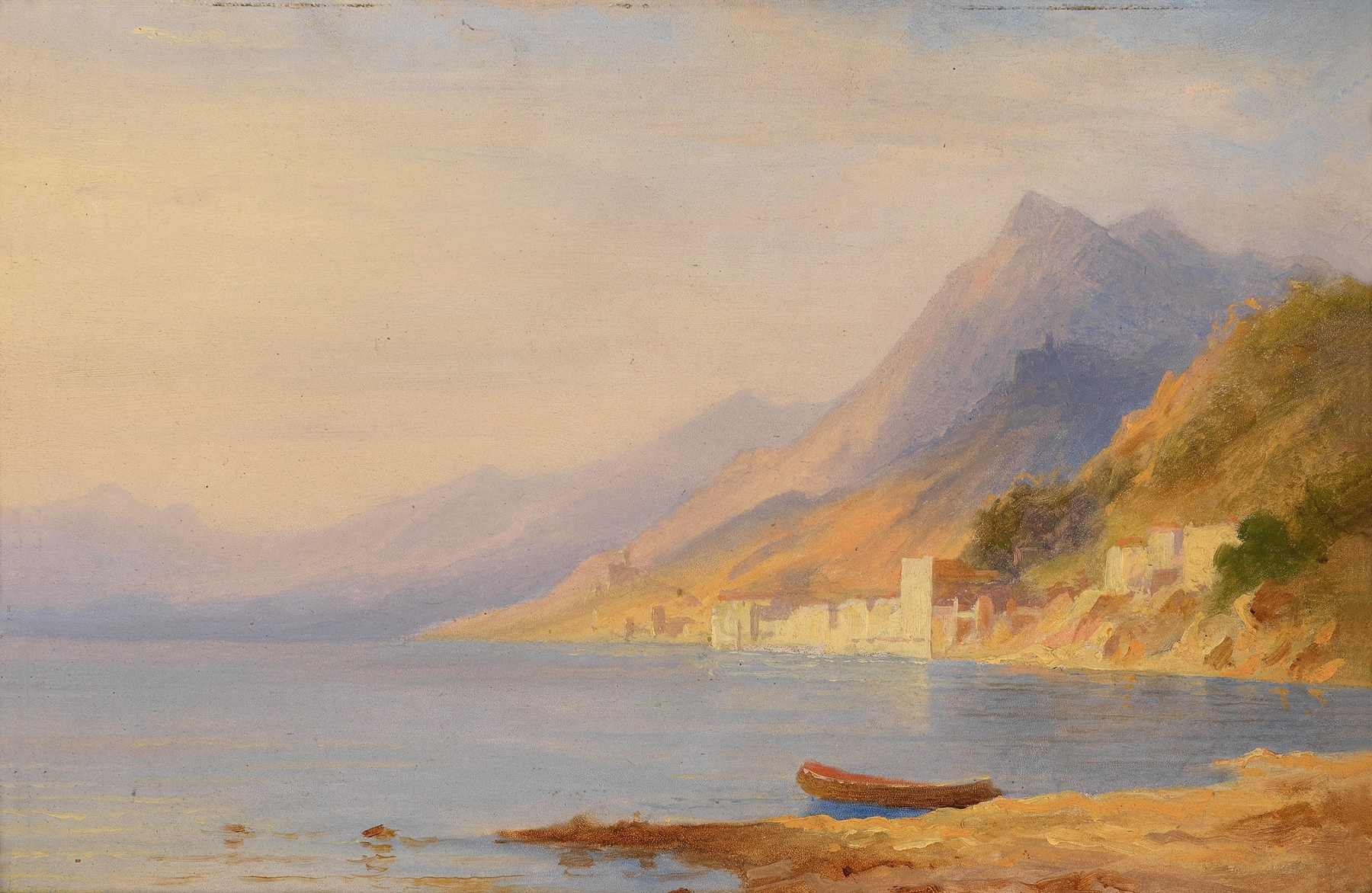
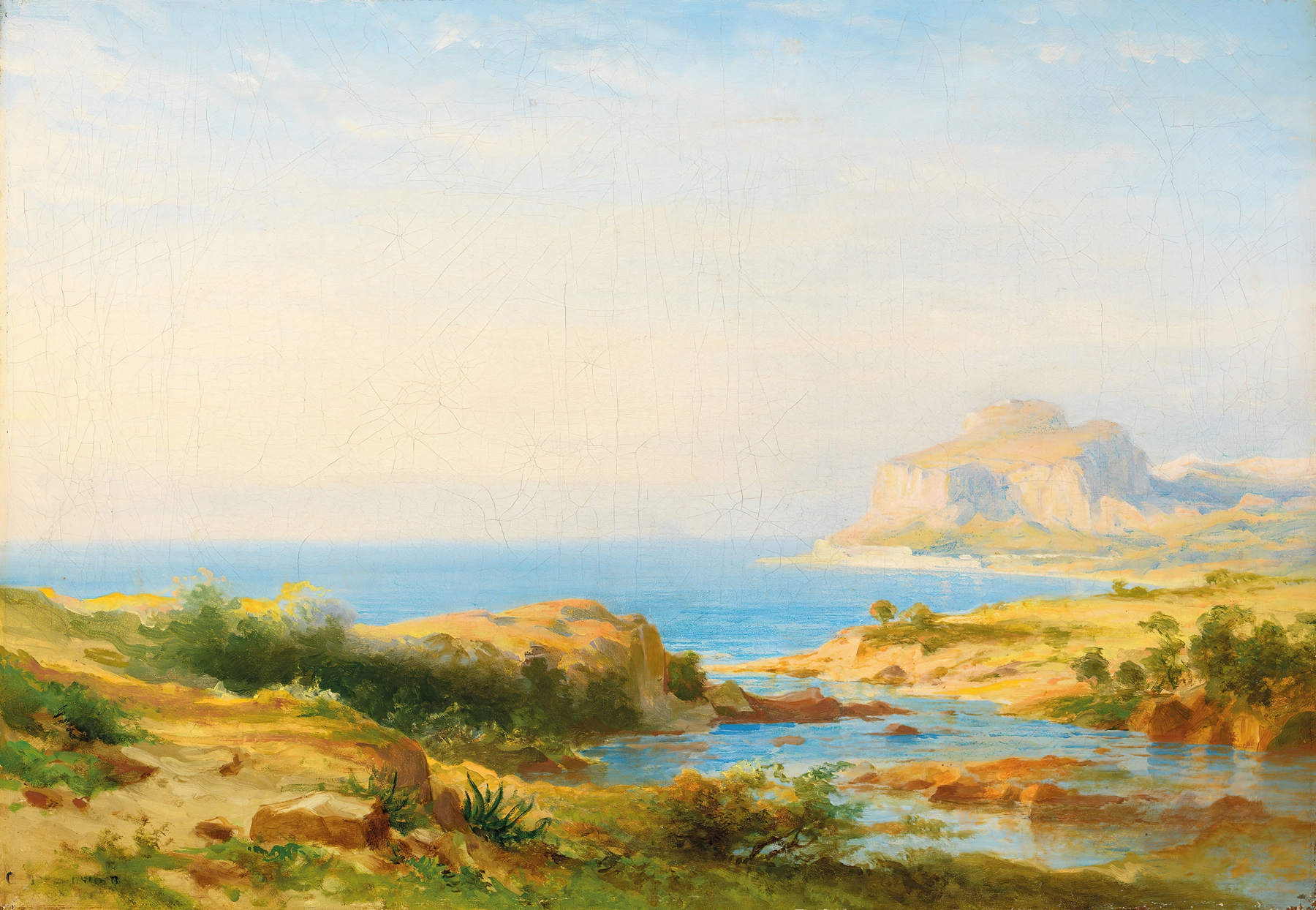
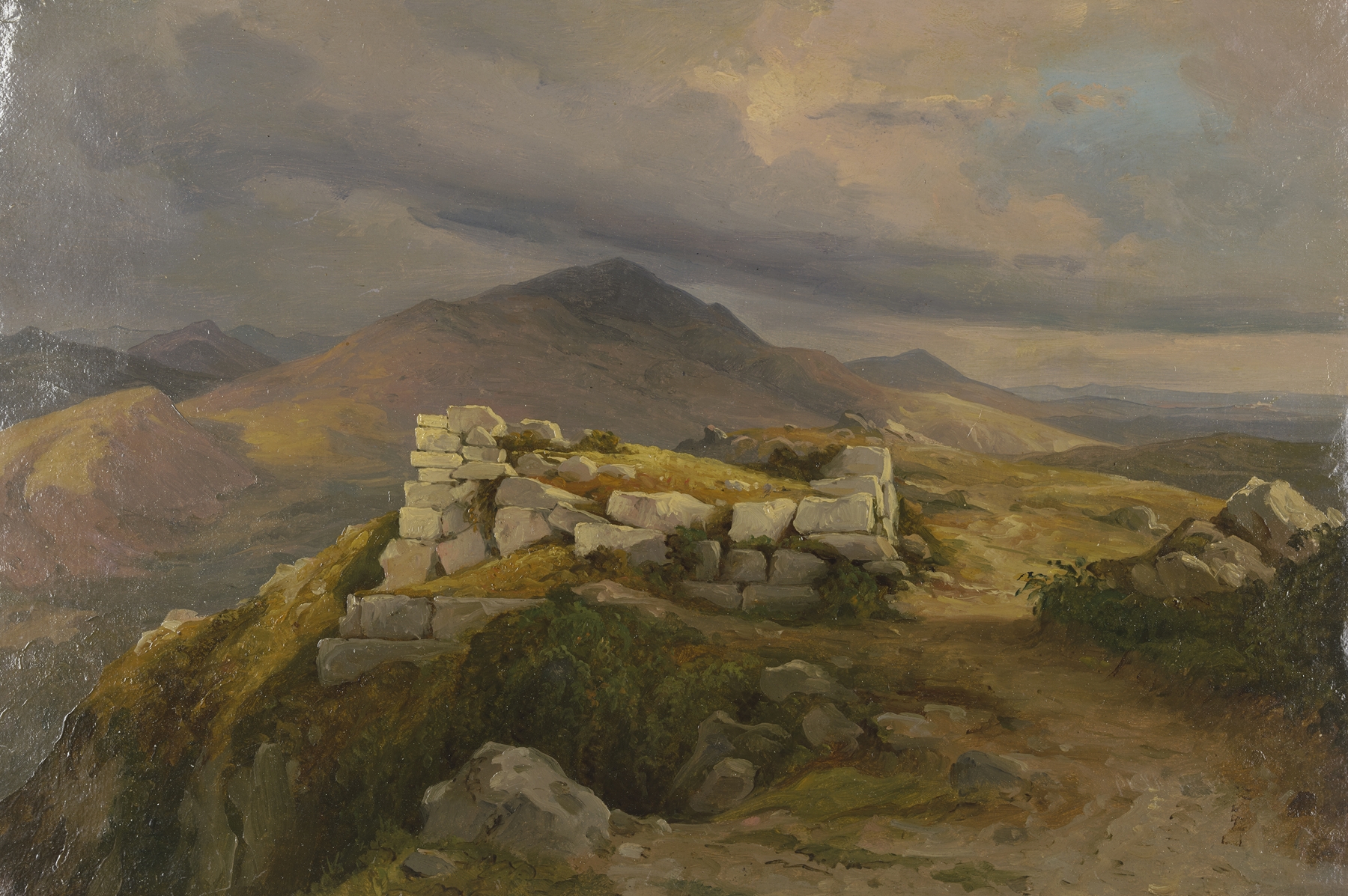
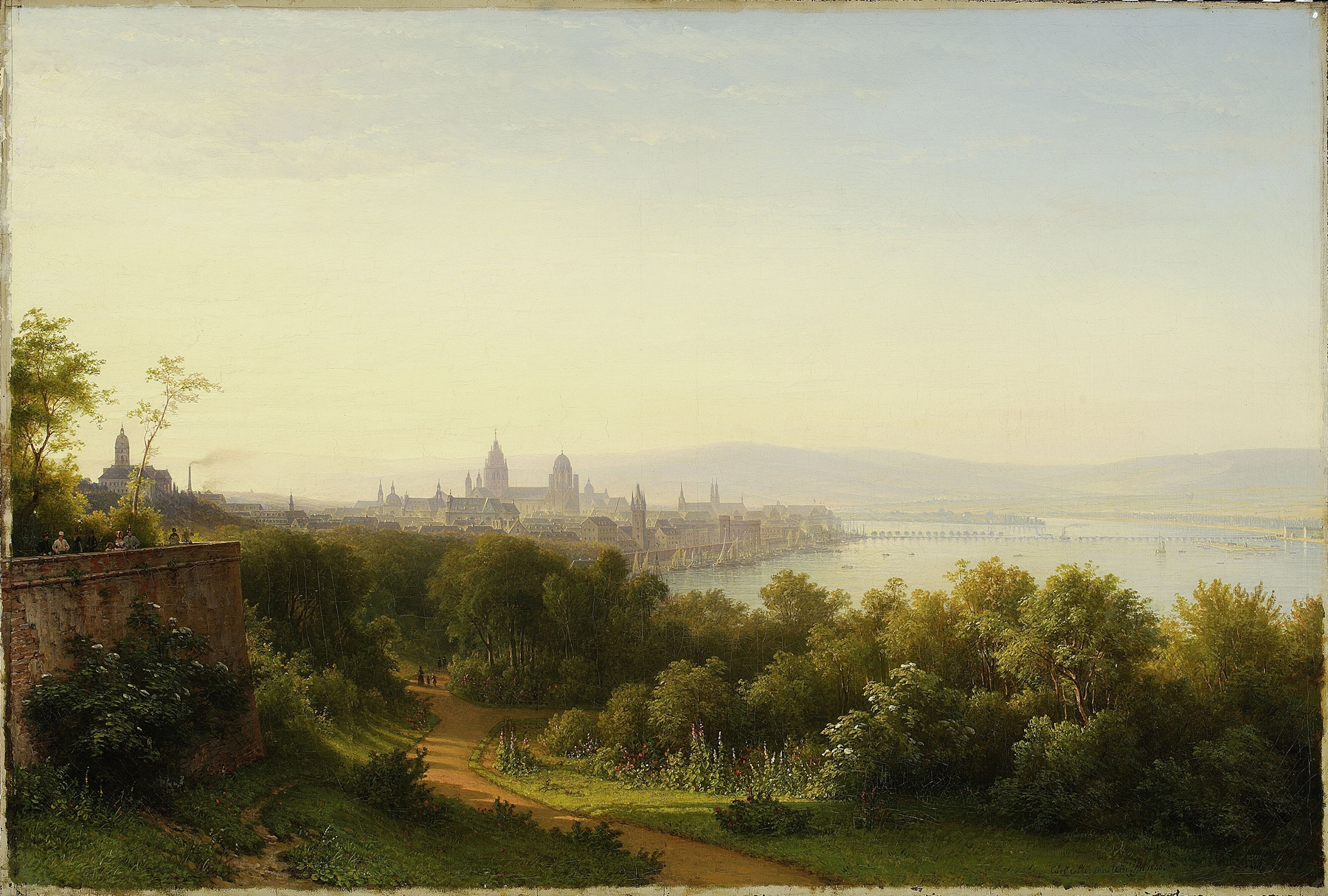
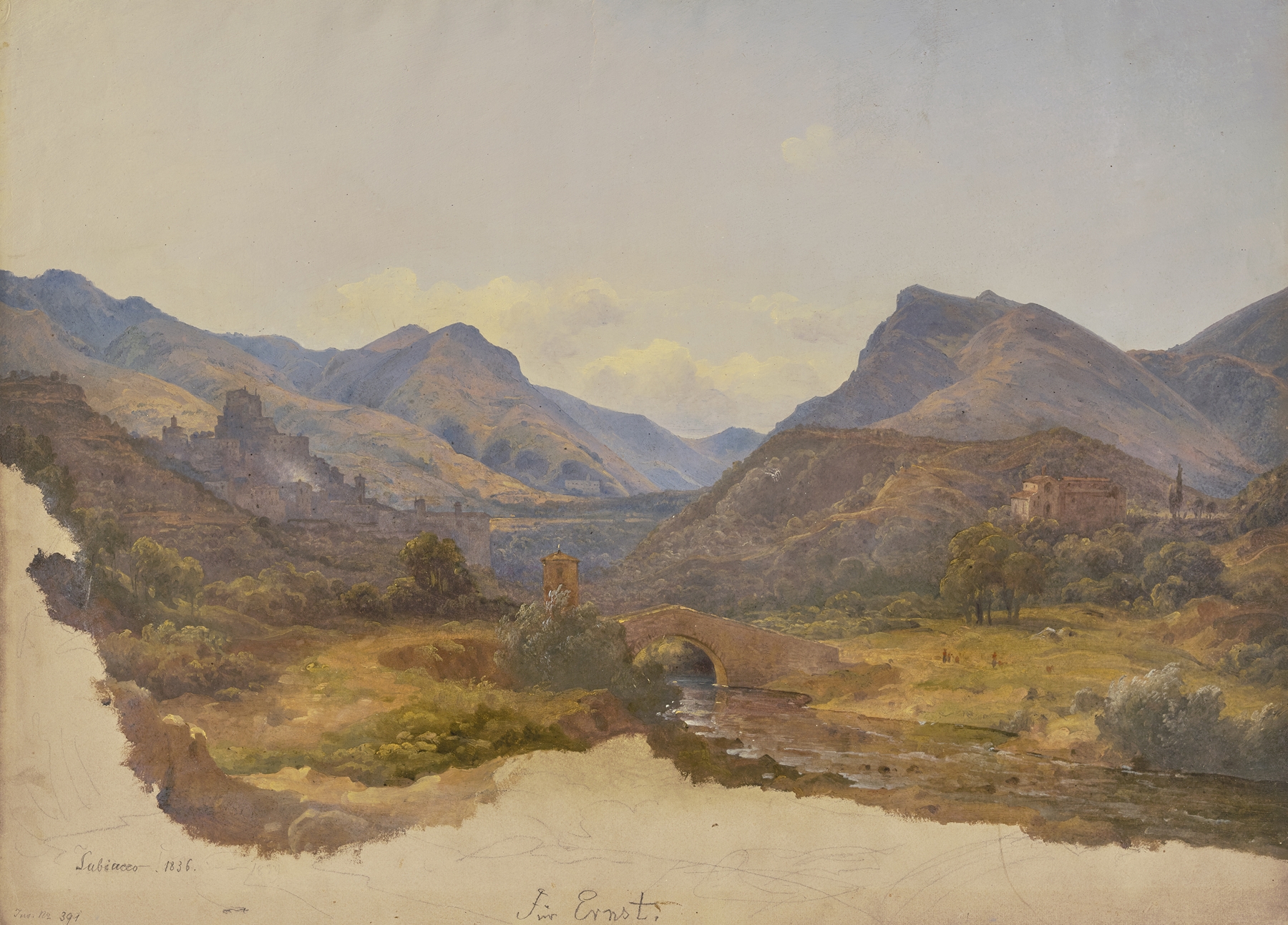
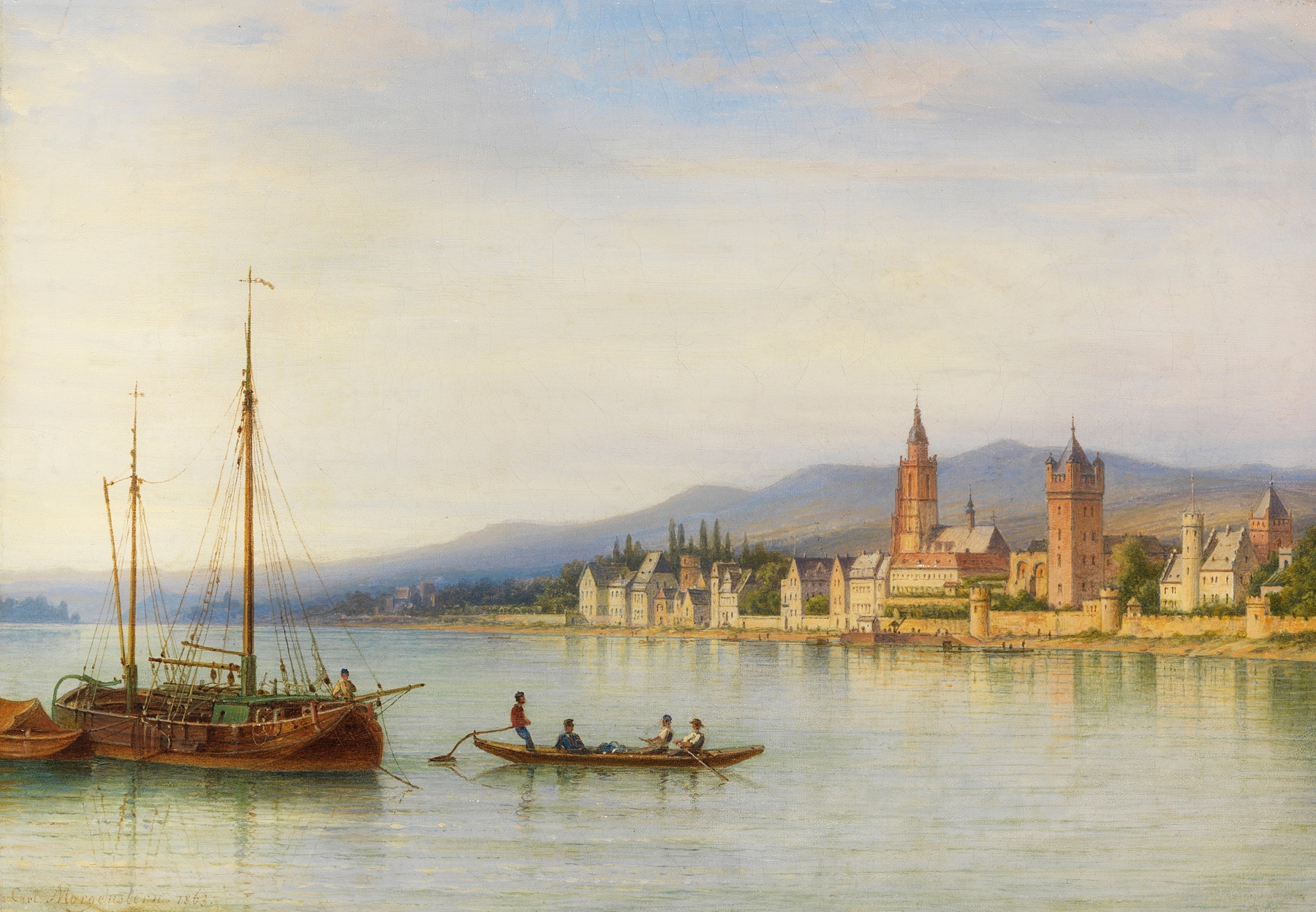
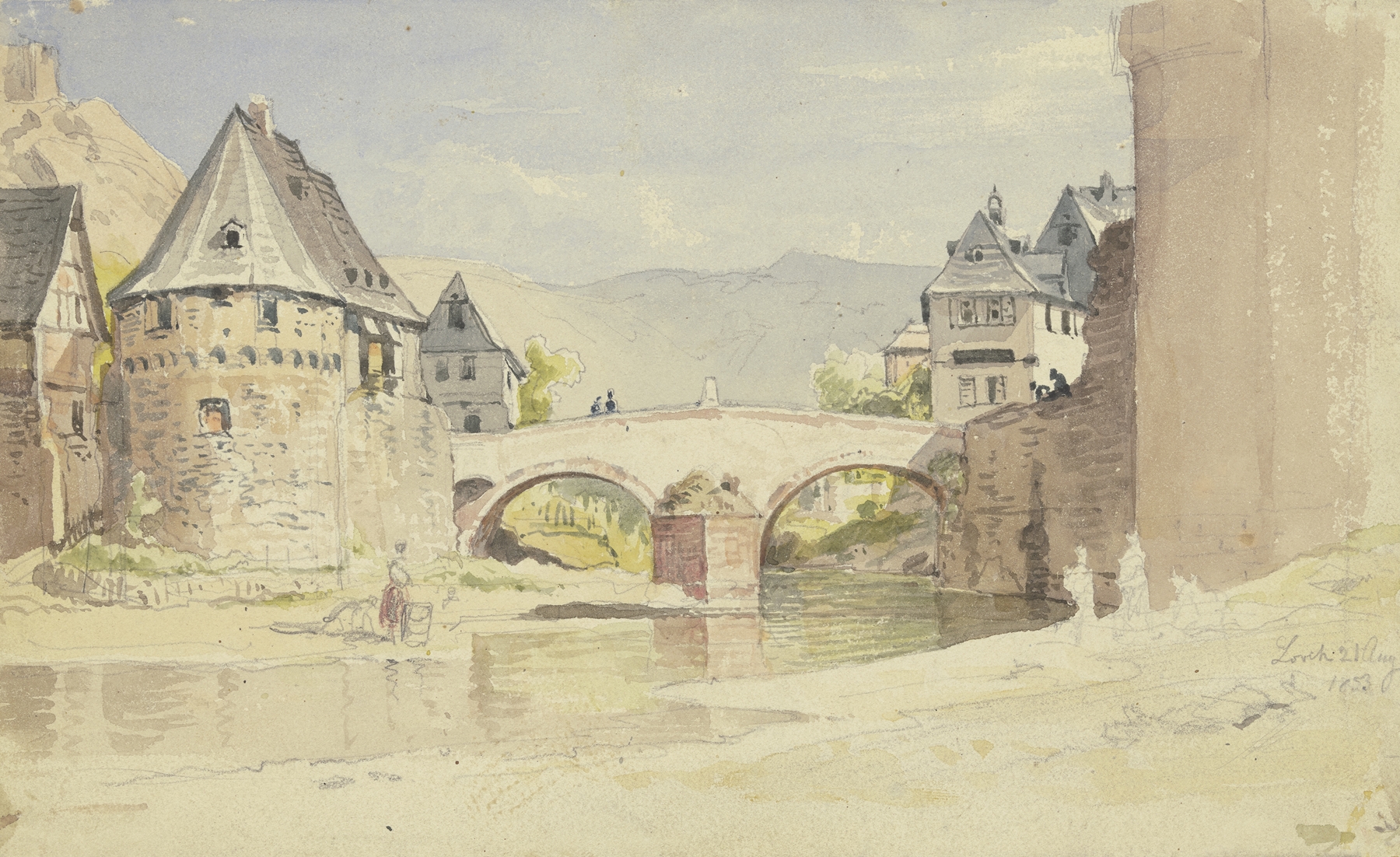
“Art reveals the soul when the world turns away.” In the stillness of fading light, a neglected landscape whispers tales of decay and rebirth, inviting a deeper reflection on time’s passage and nature’s resilience. Focus on the expansive horizon, where the delicate hues of twilight blend seamlessly into the darkening sky. Notice how the artist contrasts the lush greens of the Nahetal valley with the craggy outcrops of the Rheingrafenstein, each stroke revealing the rugged beauty of the natural world. The interplay of light and shadow creates an almost ethereal quality, drawing the viewer's gaze to the serene river snaking through the valley below, a lifeline amidst the surrounding wilderness.
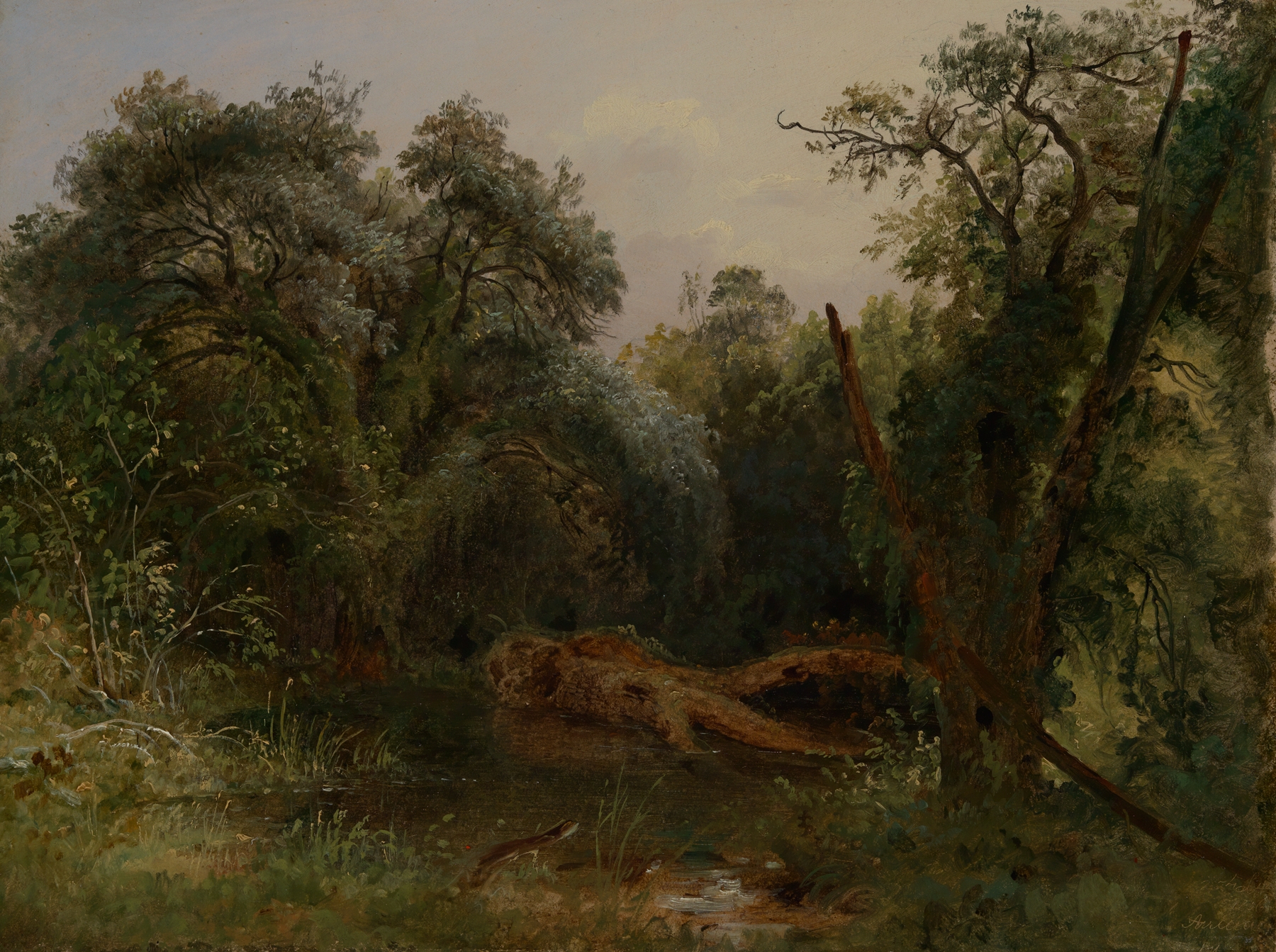
Hidden in the details are layers of emotional tension; the untouched beauty of the valley suggests a paradise slowly succumbing to the ravages of time. Observe the way the trees, robust yet weary, seem to cling to the earth, embodying both strength and fragility. This duality speaks to the inevitability of decay while simultaneously celebrating the persistent heartbeat of nature's beauty.
The piece was created during a time when the artist was immersed in the Romantic movement, characterized by an emphasis on emotion and the sublime. Painted in Germany, amidst a backdrop of burgeoning industrialization, Blick vom Rheingrafenstein in das Nahetal reflects the tension between nature and progress. It captures Morgenstern’s desire to celebrate the lasting power of the landscape, even as the world around it began to change irrevocably.