Boats at Berck-sur-Mer — History & Analysis
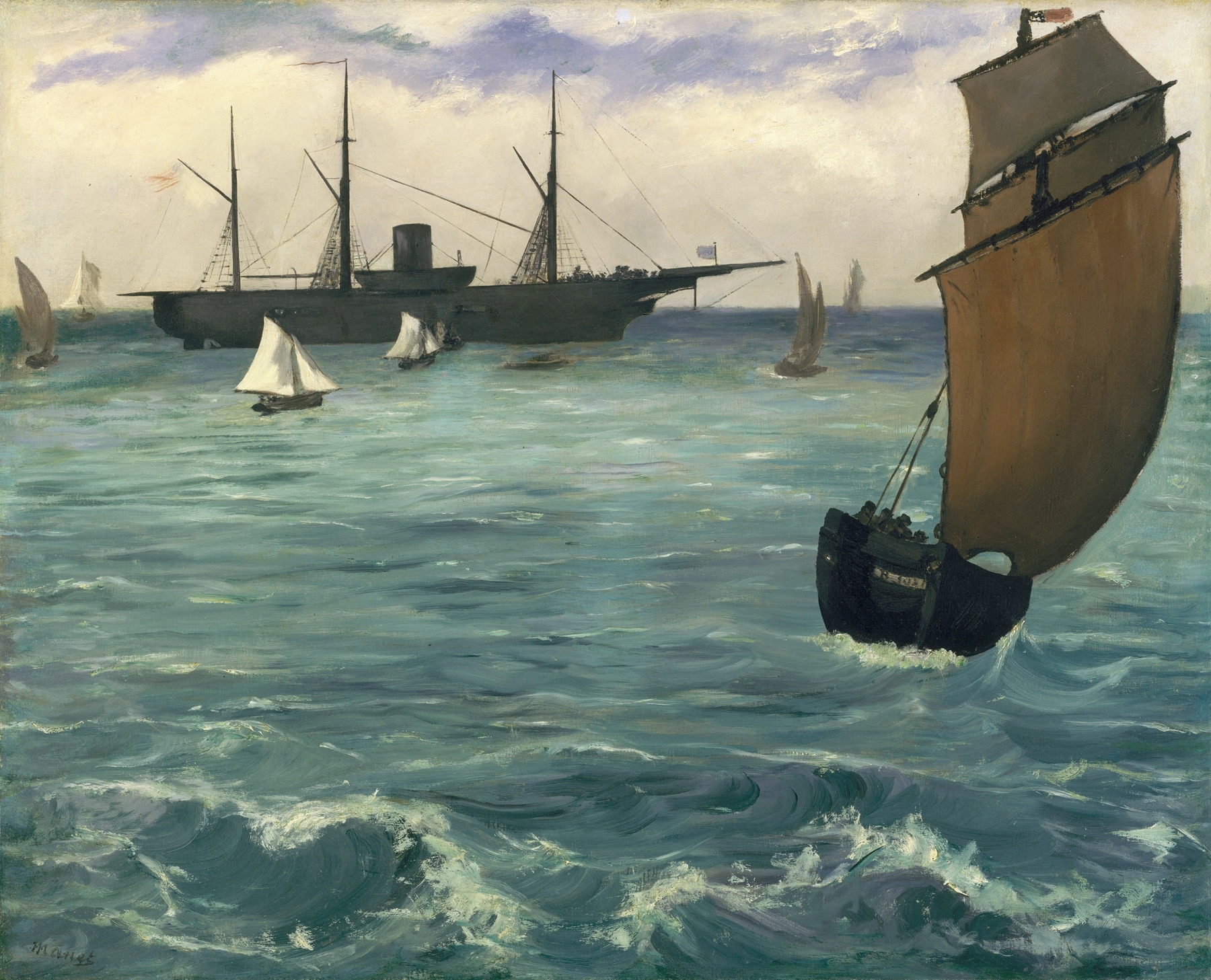
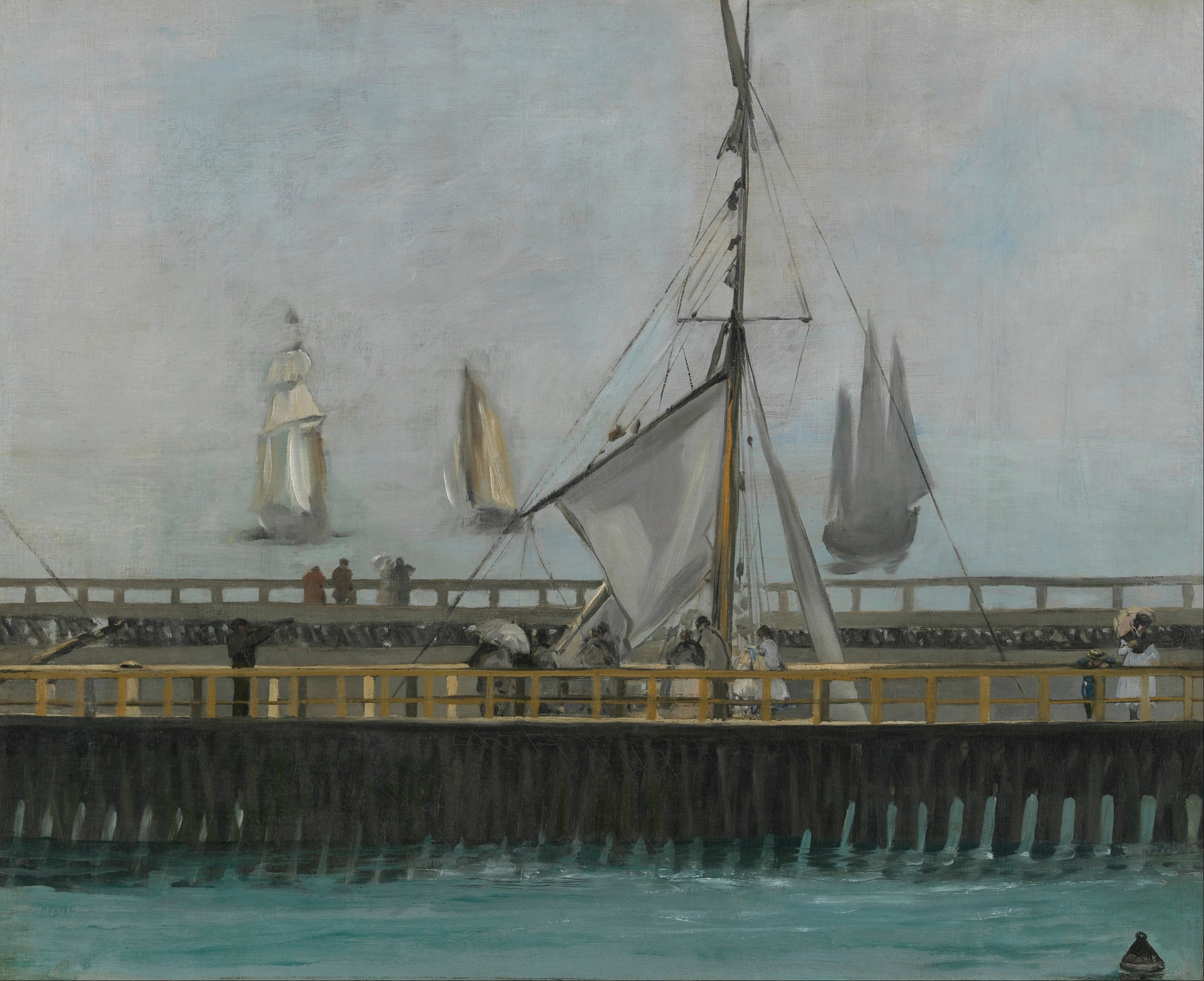
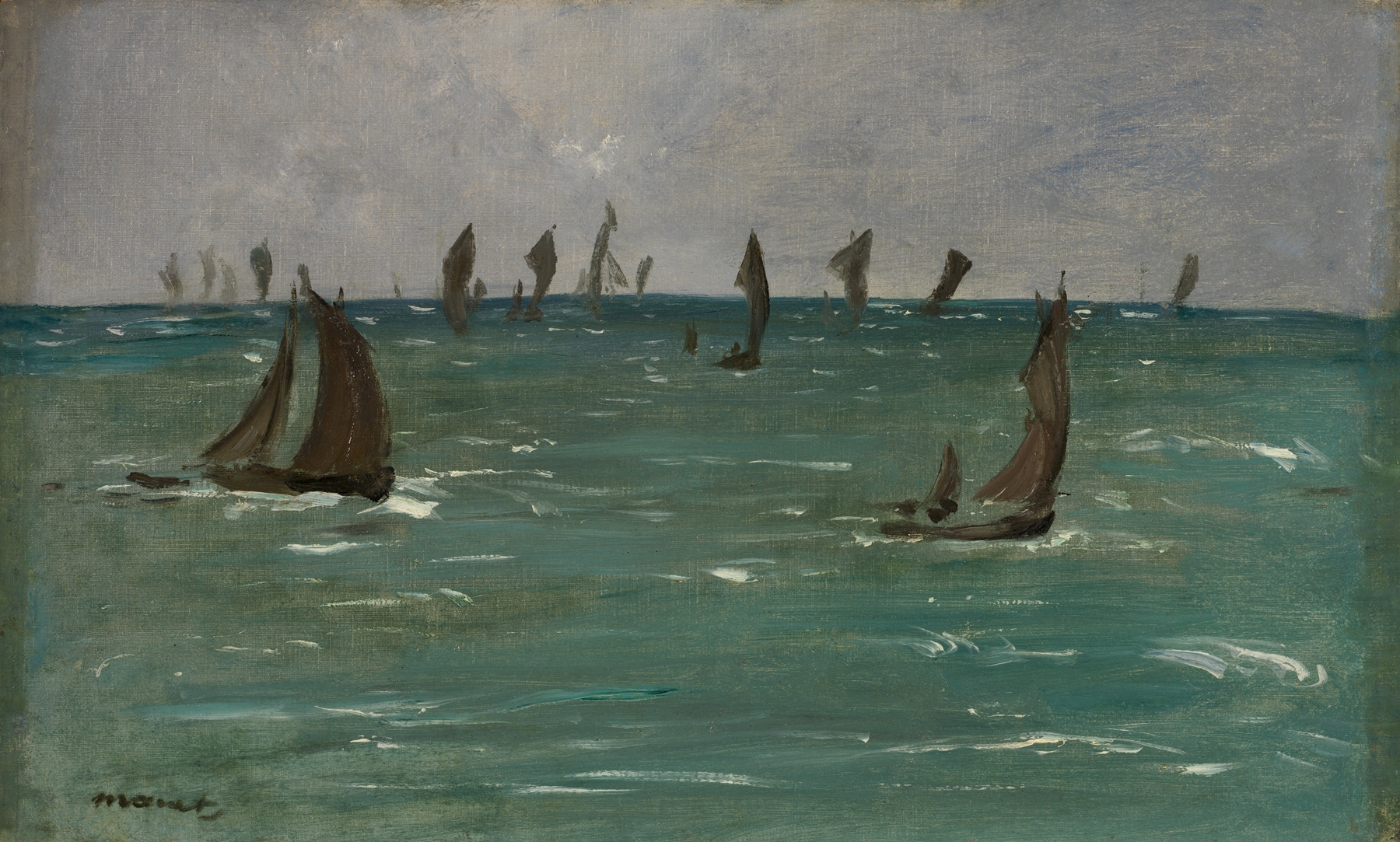
“Every silence here is a confession.” In the stillness of this coastal scene, the fear of stillness is palpable, lurking beneath the gentle sway of the boats. It’s a moment suspended between action and inaction, where the whisper of the breeze stirs unease just as much as it offers solace. Look to the left at the row of boats, each one anchored yet seemingly ready to drift. The muted blues and grays of the water contrast sharply with the warm, sunlit hues of the shore, evoking a feeling of tension between tranquility and dread. Notice how the sky, expansive and inviting, almost mocks the temporary refuge of man’s creations—the boats.
Manet’s brushstrokes are fluid yet defined, capturing the essence of movement while simultaneously preserving the fear of the unknown, the endless horizon that lies ahead. Within this picturesque setting, hidden complexities emerge. The boats’ stillness suggests a moment of hesitation, as if the fishermen are reluctant to leave the safety of the shore for the unpredictability of the sea. The juxtaposition of the serene landscape against the anxiety of those who traverse it reveals a universal struggle—the conflict between comfort and adventure, fear and courage.
Each vessel, while anchored, seems to embody the tension of potential journeys that could either liberate or ensnare. Created in 1873 while in Berck-sur-Mer, Manet was at a pivotal moment of his career, grappling with the expectations of the art world. This piece reflects a period of exploration as he branched out from his previous works, embracing en plein air painting alongside the Impressionists, though still holding onto aspects of realism. The world was in flux, as was Manet, responding to the changing tides in both art and society.