The jetty of Boulogne-sur-Mer — History & Analysis
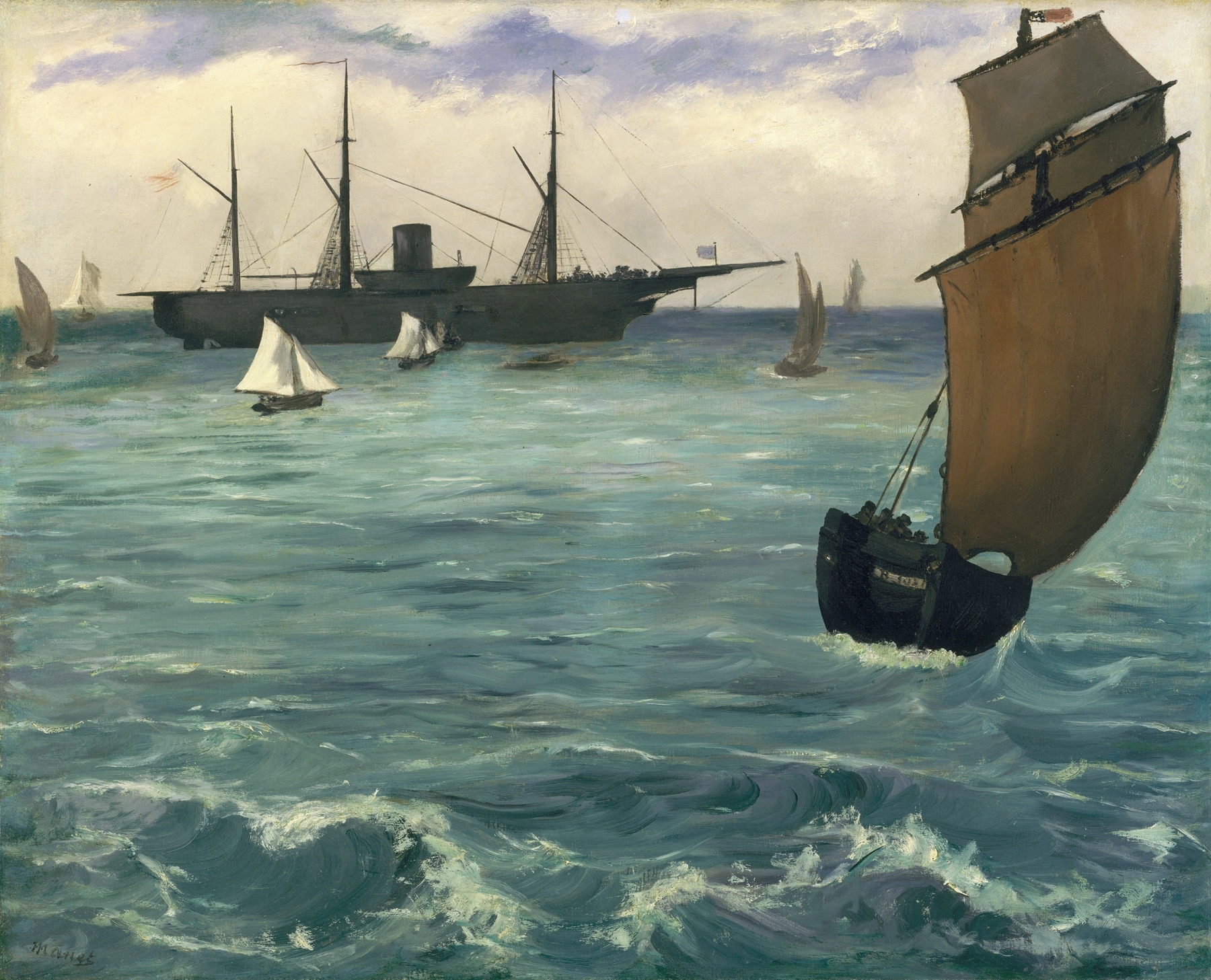
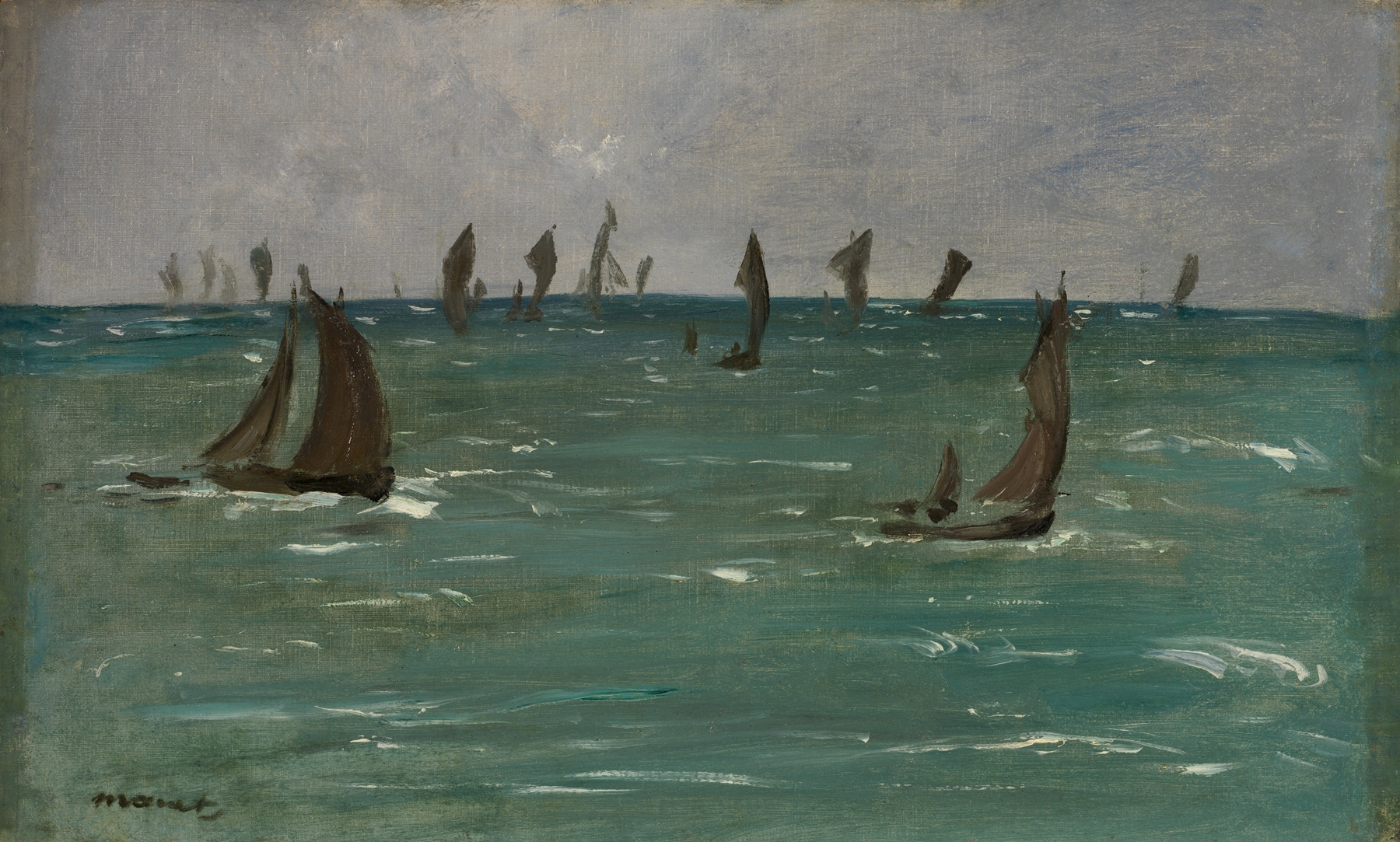
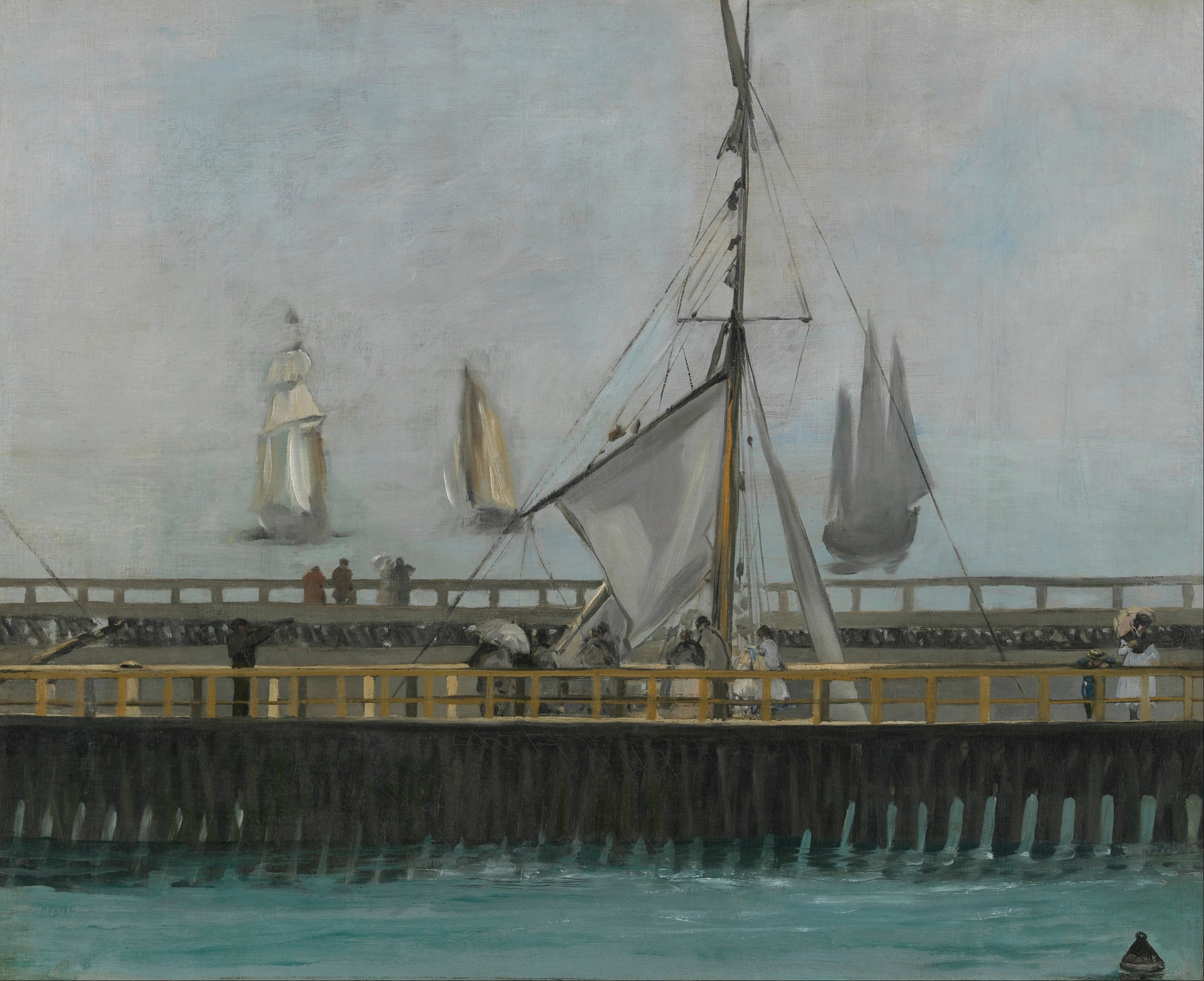
“The canvas doesn’t lie — it simply waits.” In the delicate interplay of light and shadow, we discover the fragility of fleeting moments captured in paint. Here, a harbor scene unfolds, inviting contemplation of time, existence, and the transient nature of life itself. Look to the foreground where the sturdy wooden jetty juts out into the shimmering water, its weathered texture emphasized by strokes of rich ochre and umber. The gentle ripples of the sea, rendered in cool blues and greens, reflect the soft light of a cloud-dappled sky. The boats bobbing serenely in the distance create a rhythmic harmony, drawing the viewer’s eye deeper into this tranquil scene.
Notice how Manet’s brushwork, both loose and articulate, evokes a sense of immediacy, inviting you to linger in the moment. Beneath the surface of this idyllic harbor lies a tension between permanence and impermanence. The worn jetty suggests a history laden with stories, while the ephemeral light dances on the water's surface, reminding us of the fragility of our experiences. The juxtaposition of the robust structure against the fleeting nature of the sea introduces a poignant contrast, whispering of adventures that are both cherished and lost to time.
Each wave crashing against the wood speaks of change, urging the viewer to consider their own journey through life’s uncertainties. In 1868, Manet painted this scene while in Boulogne-sur-Mer, during an era of artistic experimentation and shifting perceptions within France. As Impressionism began to take root, he was navigating his own style — a blend of realism and abstraction. This piece reflects not only the aesthetic revolution of the time but also the artist’s personal exploration of everyday life and the beauty found within it.