The ‘Kearsarge’ at Boulogne — History & Analysis

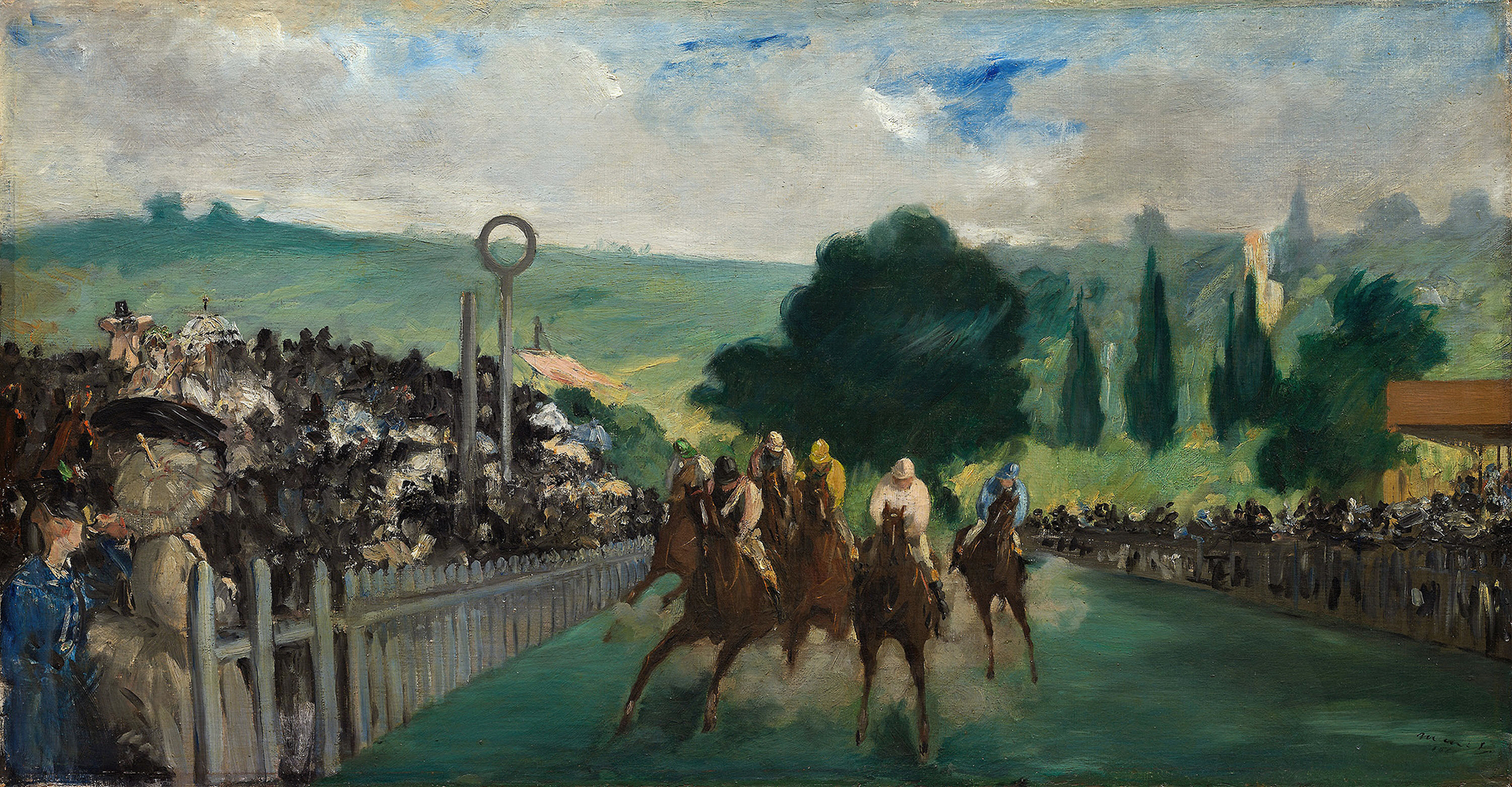
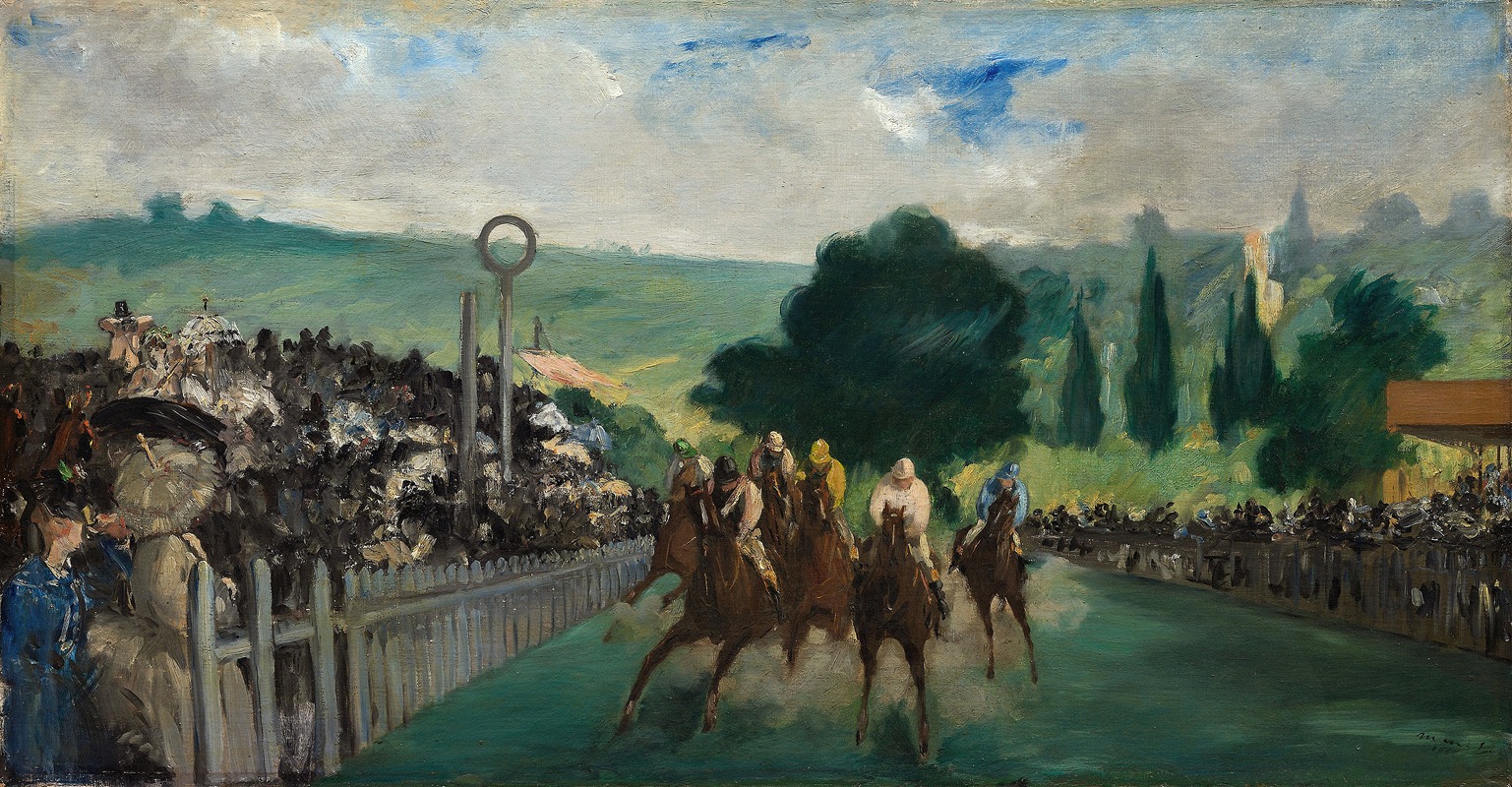
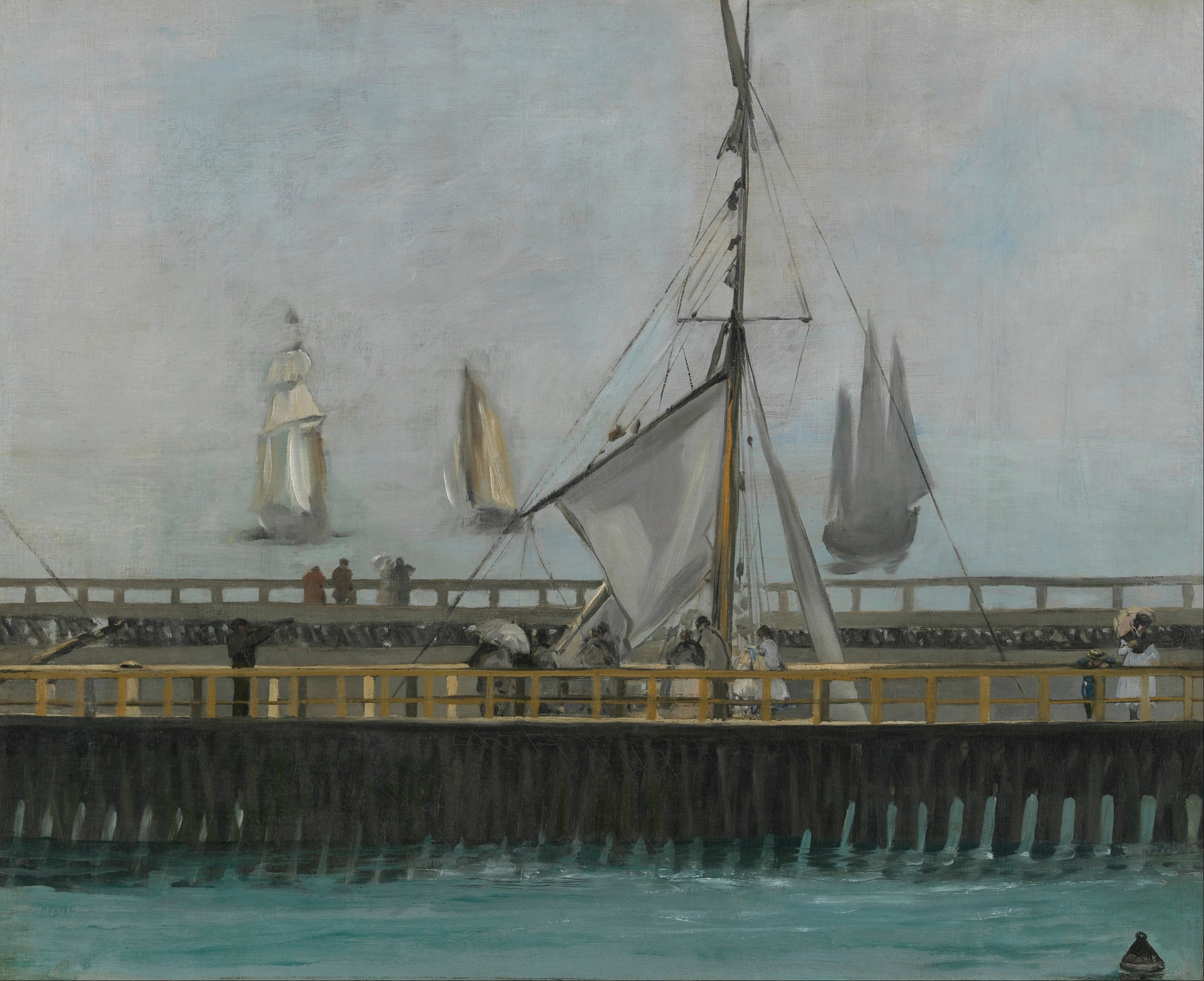
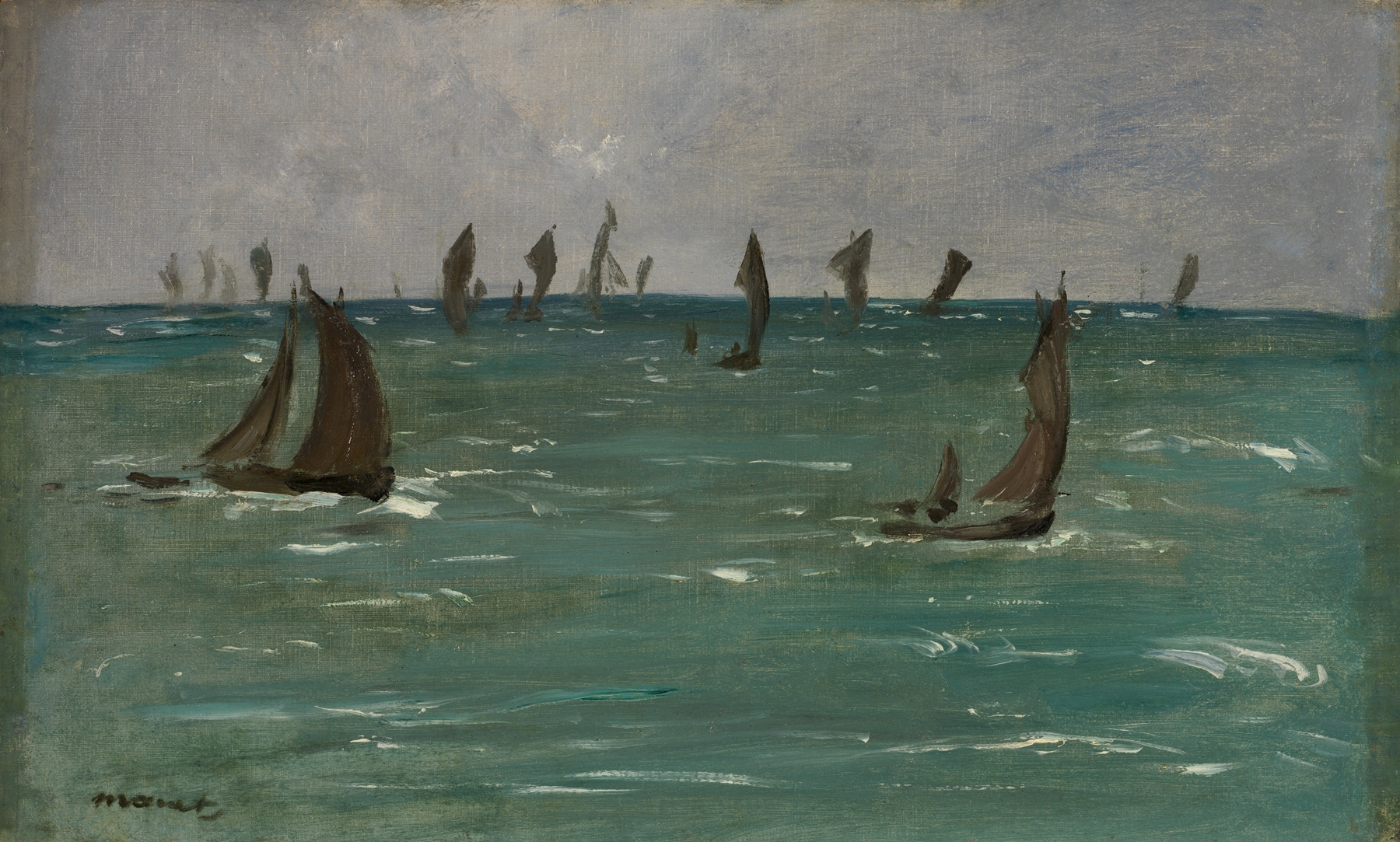
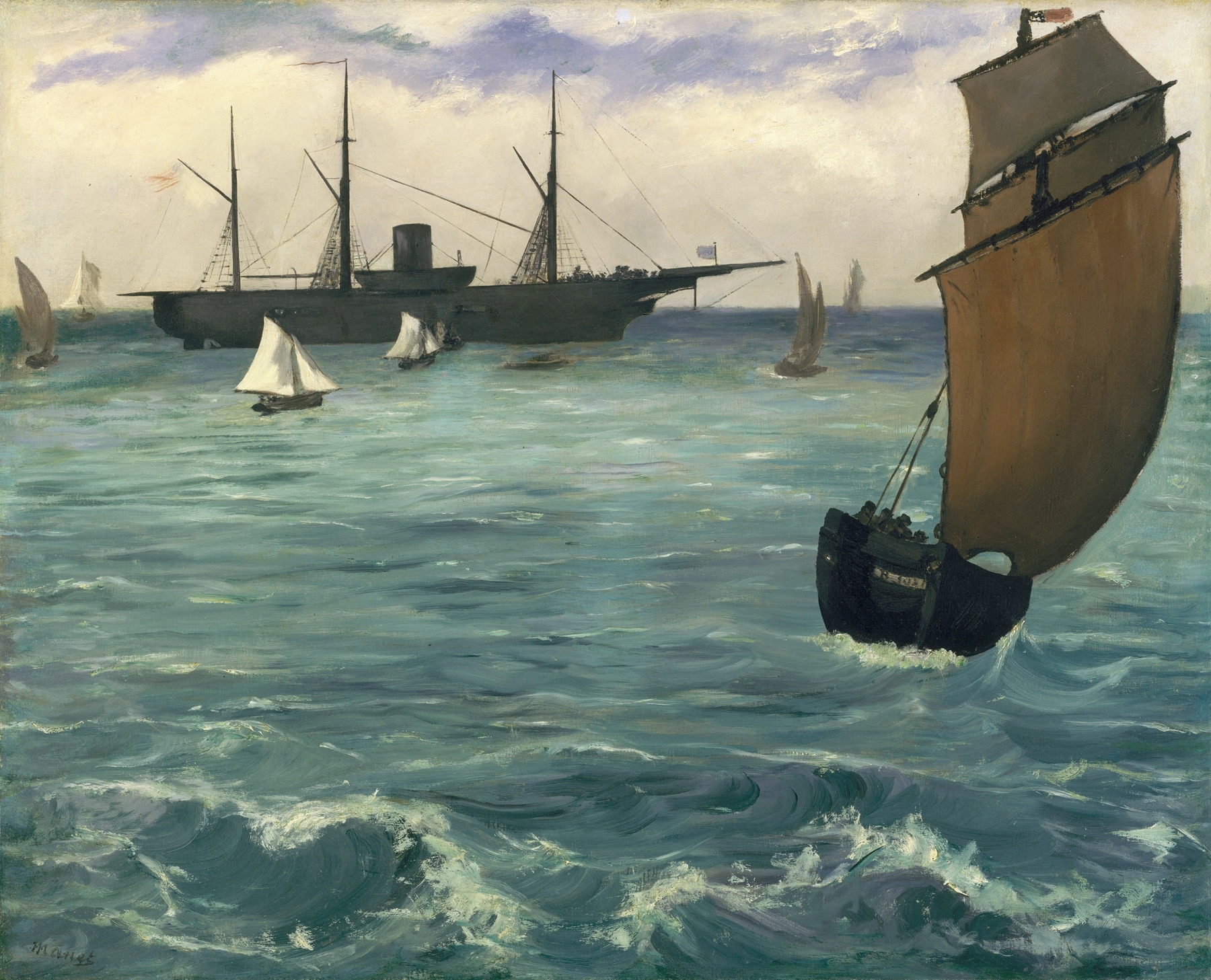
“Sometimes beauty is just pain, disguised in gold.” This notion resonates powerfully in the presence of a vibrant maritime scene, where elegance and melancholy intertwine with every brushstroke. As you gaze at the canvas, focus first on the majestic ship, the Kearsarge, dominating the left side of the composition. The vessel’s intricate details, adorned in rich blues and whites, contrast sharply with the warm, sunlit waters of Boulogne. Notice how the light glistens on the waves, imbuing the scene with a sense of warmth and tranquility, while the darker clouds loom in the distance, hinting at impending storms.
It’s a painting that masterfully captures the tension between serenity and chaos, mirroring the duality of nature itself. Delving deeper, the painting speaks of awakening — not just of the sea, but also of the human spirit. The ship, a symbol of progress and potential, represents the era's technological advancements, yet its anchored presence evokes a sense of stagnation. The juxtaposition of activity on the water with the stillness of the land captures a fleeting moment of anticipation, as if the viewer stands poised at the brink of change.
Each brushstroke resonates with the promise of adventure, yet also whispers of the perils that await beyond the horizon. In the summer of 1864, Édouard Manet painted this work while living in Paris, a time marked by great experimentation in the art world. The Impressionist movement was beginning to take root, challenging traditional techniques and subjects. This painting, reflecting both Manet's innovative spirit and the socio-political landscape of the time, represents a pivotal moment in his career as he sought to break free from conventional artistic constraints.