Boats at quay — History & Analysis
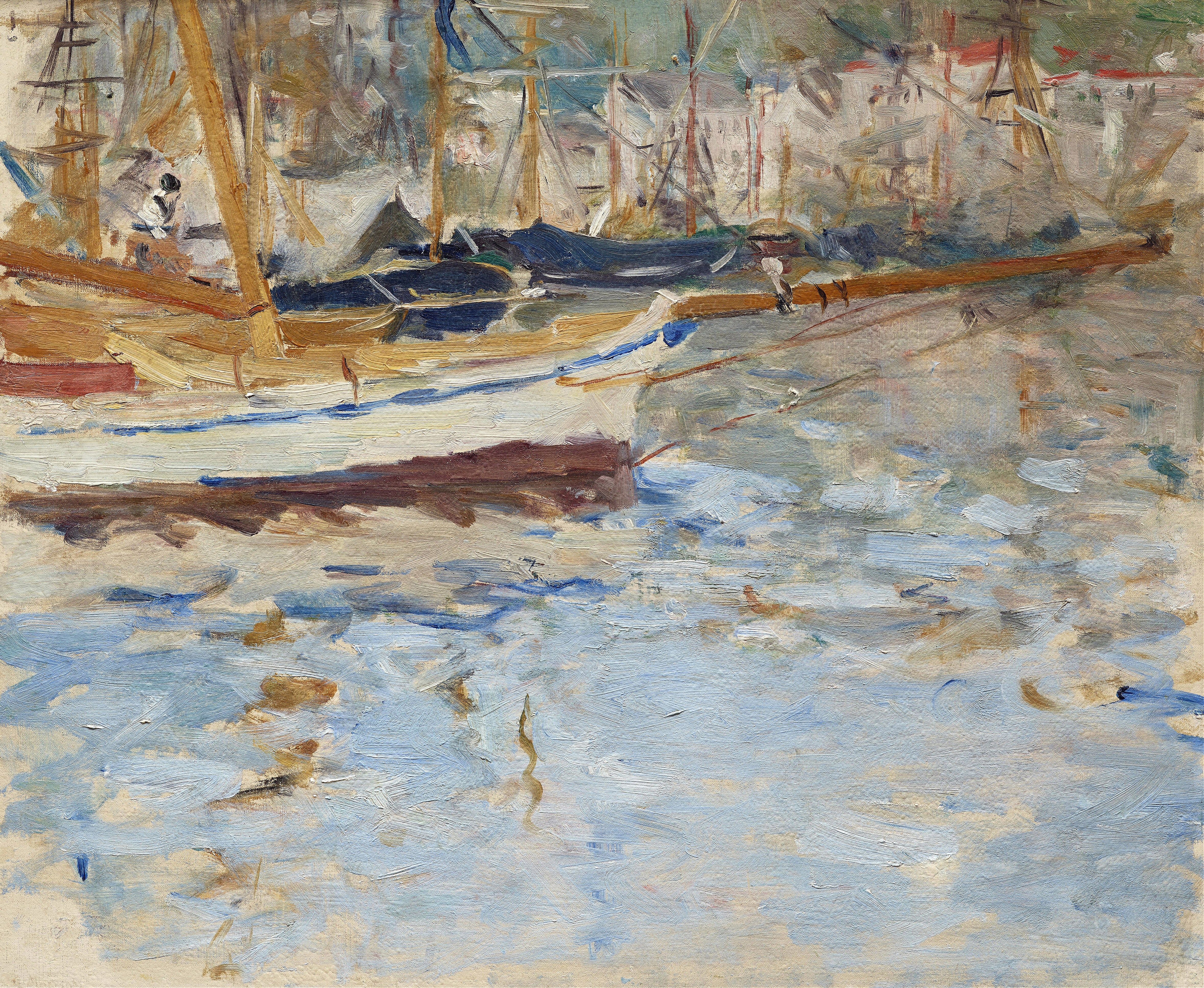
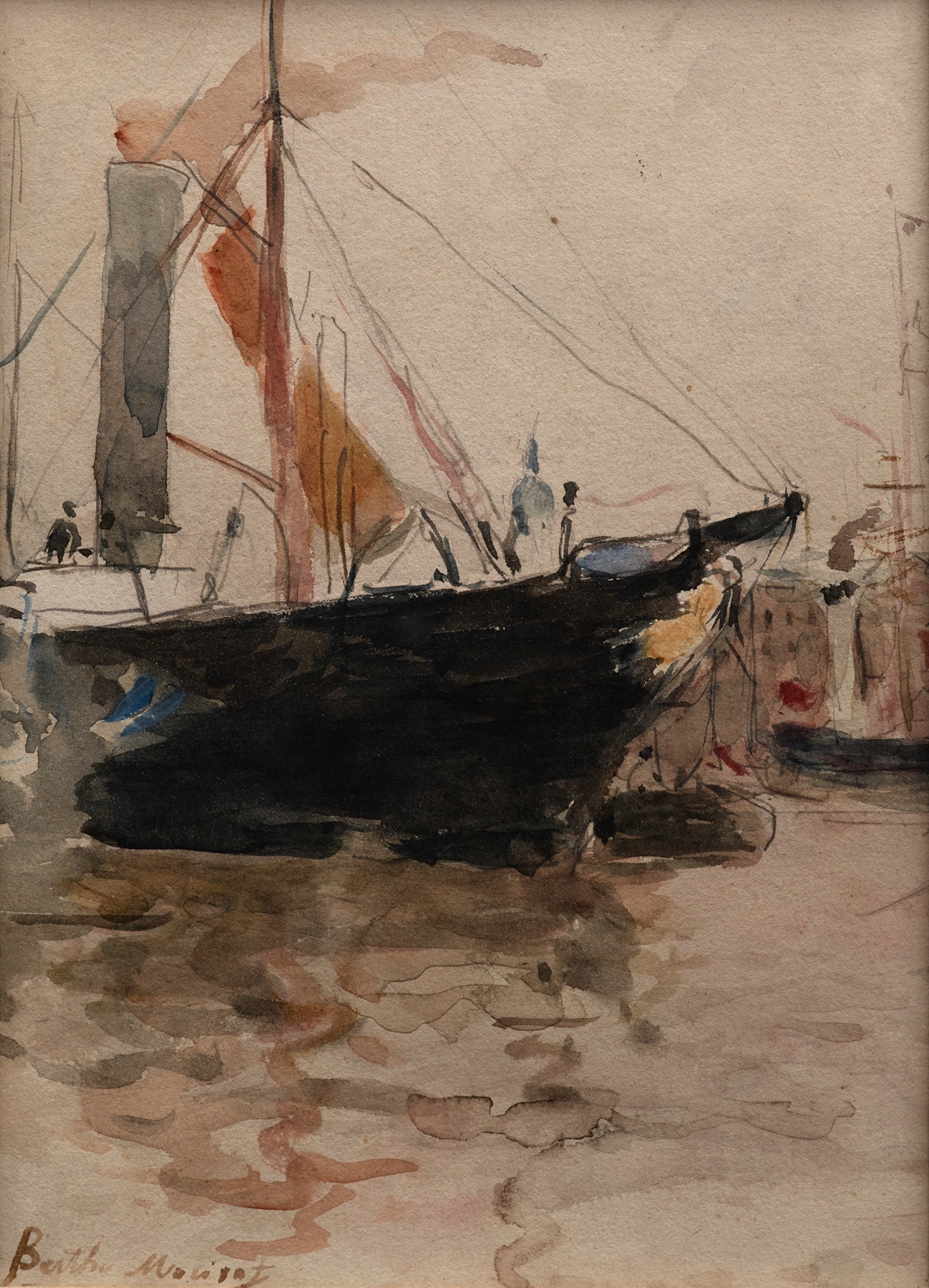
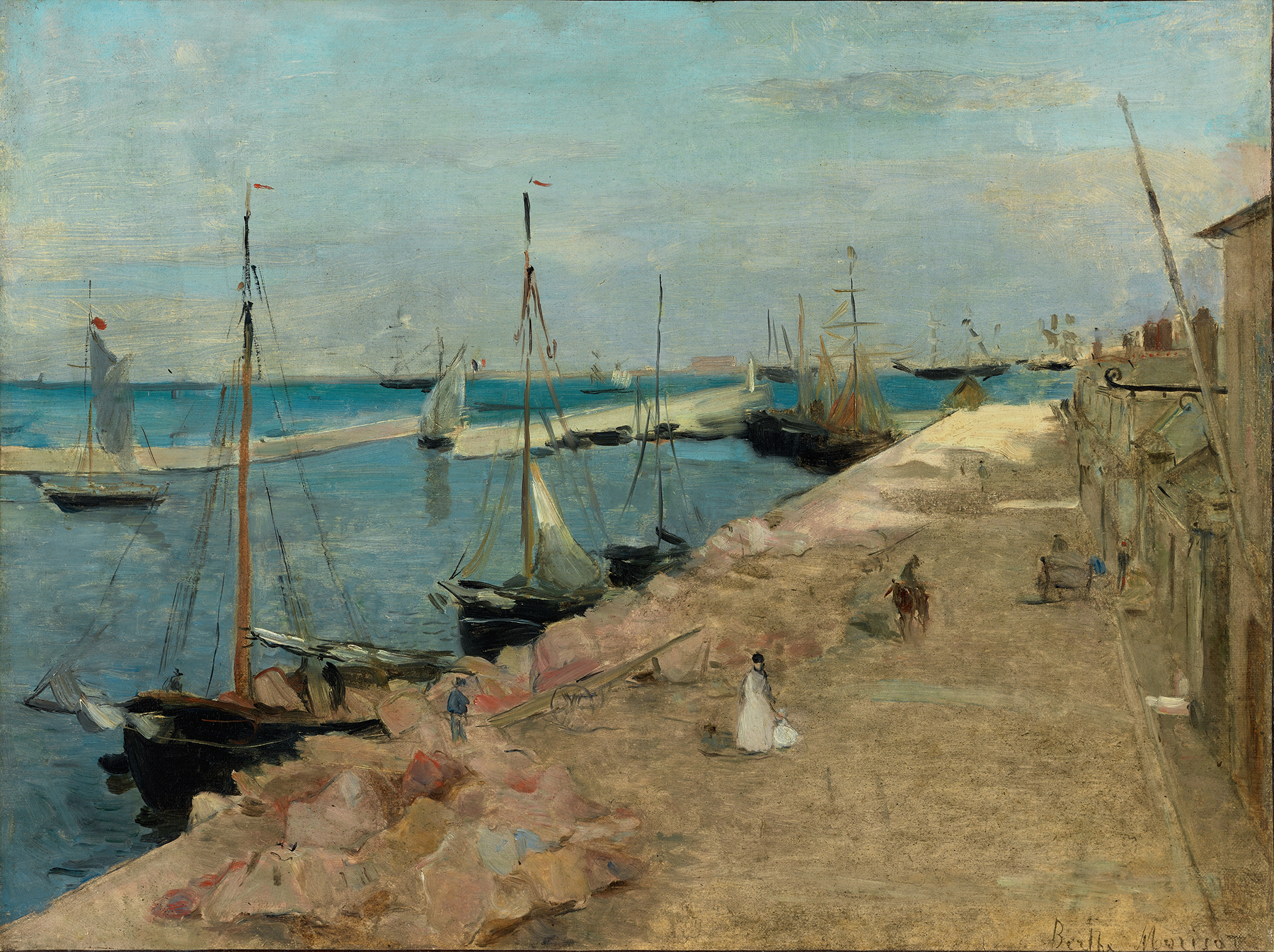
Where does light end, and longing begin? In Berthe Morisot's Boats at Quay, the boundary blurs into an ethereal dance of color and texture, inviting contemplation of the void between presence and absence. Look to the left at the soft brush strokes that define the boats, their forms gently outlined against the shimmering water. Notice how the light falls upon each vessel, illuminating them with a delicate glow that evokes both warmth and melancholy.
The palette, rich with blues and whites, conjures a sense of serenity, while the subtle variations in color suggest movement, as if the boats themselves are whispering secrets to the wind. Beneath the surface, the interplay of light and shadow creates a tension between the tranquil scene and an underlying sense of yearning. The boats, tethered yet restless, seem to embody a longing for the freedom of open water, hinting at the unfulfilled dreams of those who gaze upon them.
Furthermore, the empty quay suggests a pause—a moment pregnant with possibility, evoking feelings of solitude and introspection. In 1886, when this piece was created, Morisot was deeply embedded in the Impressionist movement, navigating her evolving role within a predominantly male artist community. Painted in France during a time of artistic innovation and social change, Boats at Quay reflects her unique perspective as a woman artist, capturing both the beauty of her surroundings and the emotional complexity of human experience.