The Port of Nice — History & Analysis
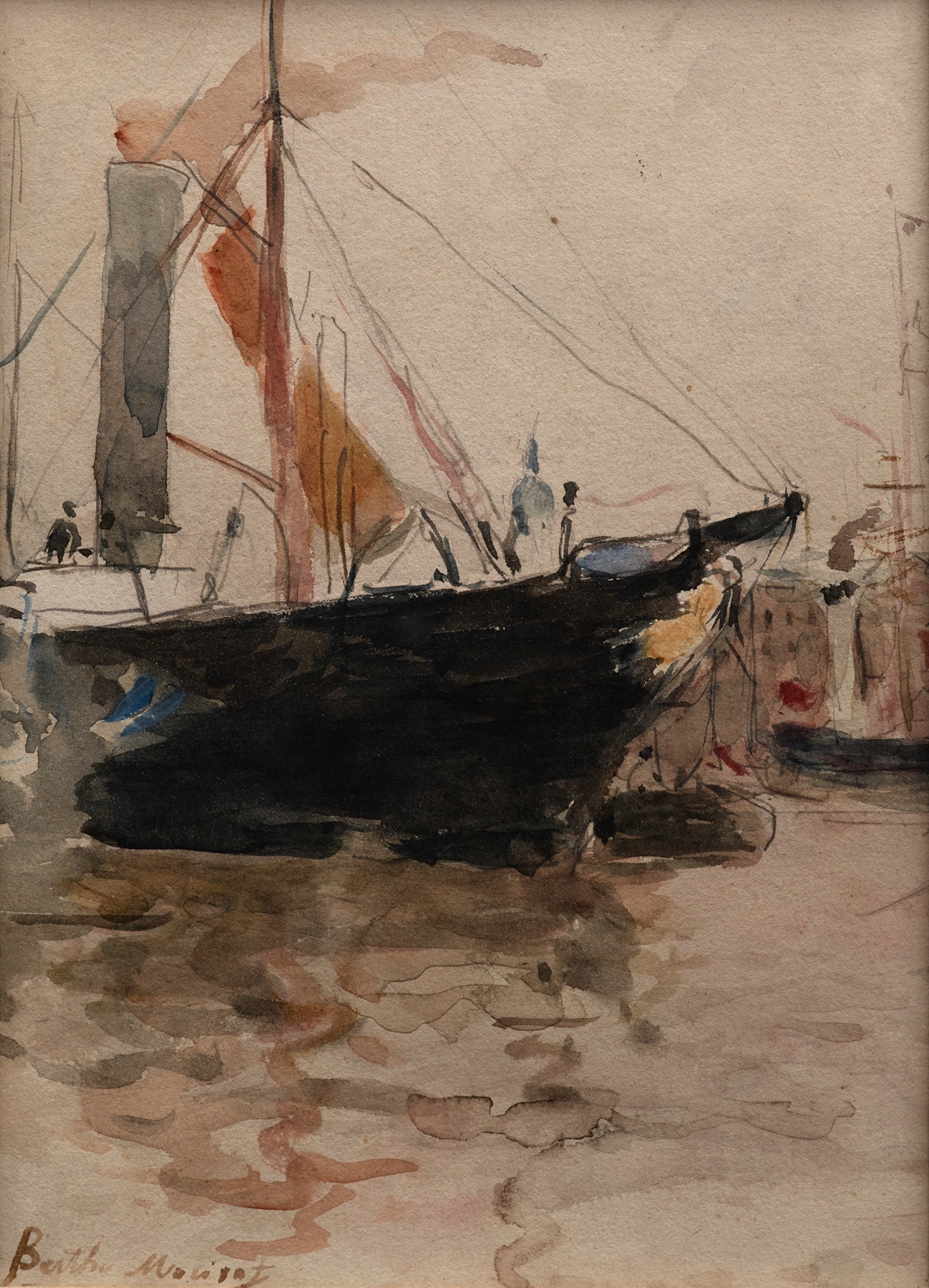
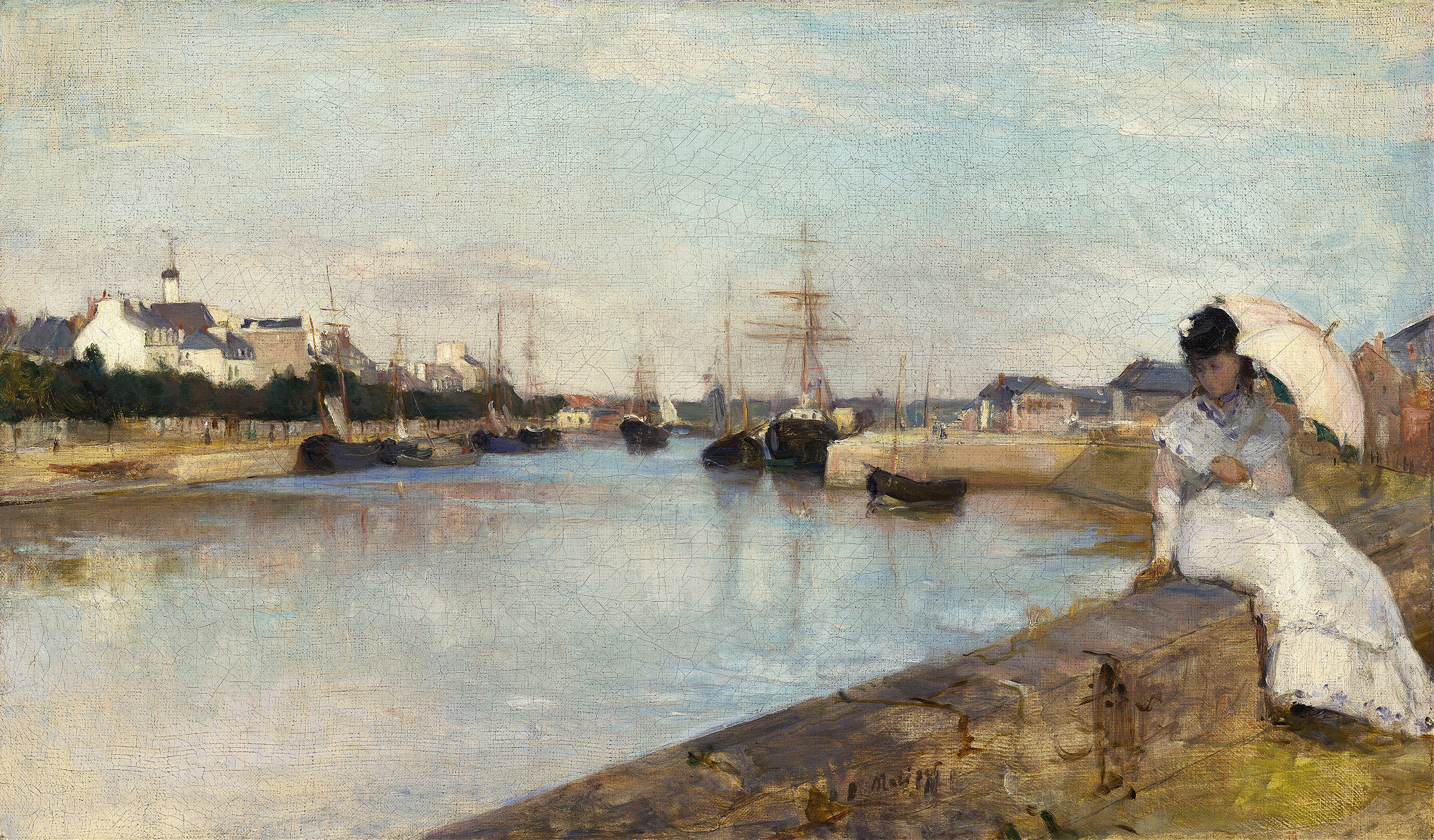
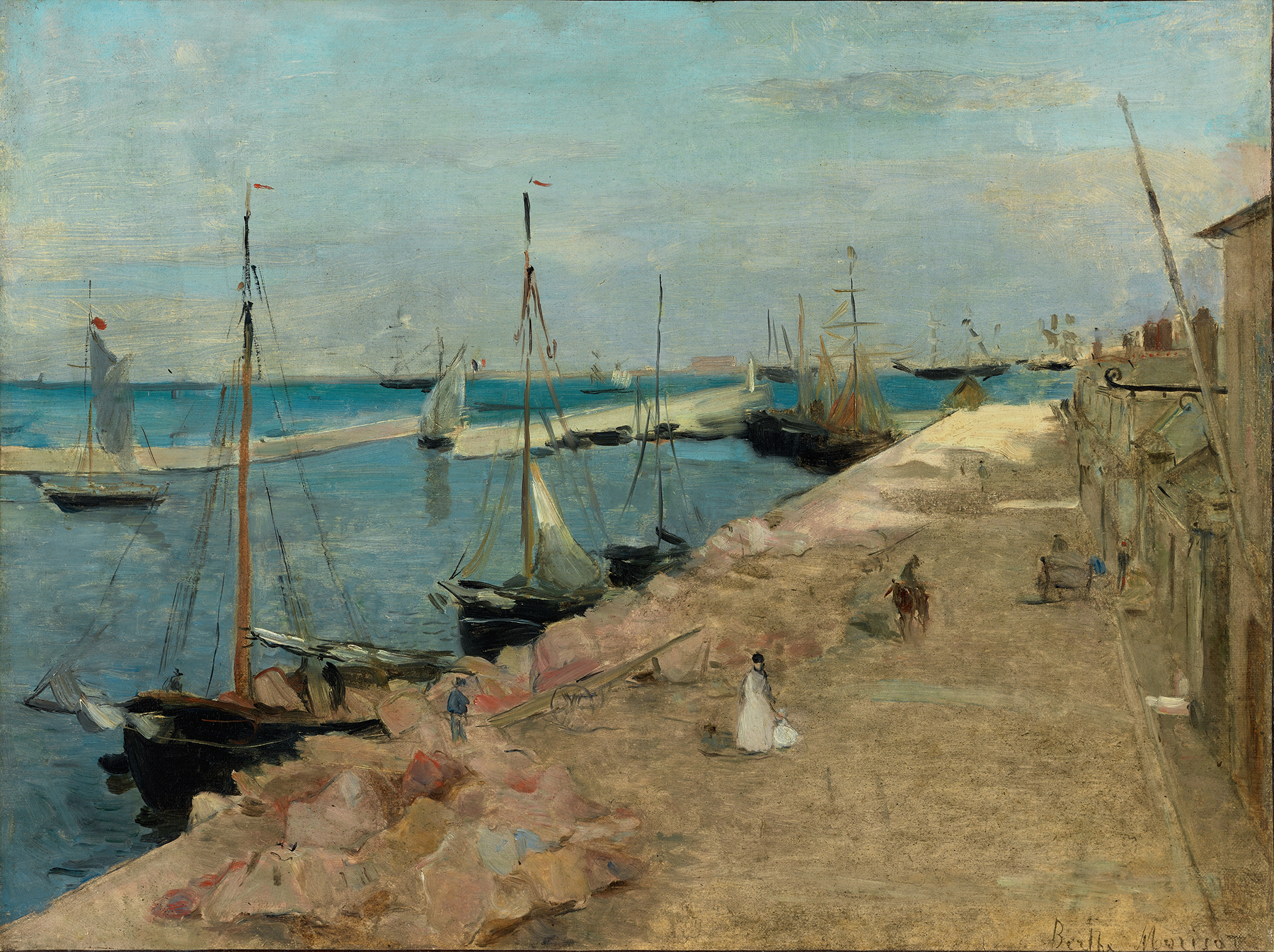
“Every brushstroke is a heartbeat remembered.” In the fleeting nature of memory, color becomes a vessel, carrying fragments of the past to the forefront of consciousness. Look to the center of The Port of Nice—there, the sun-drenched waters glisten, reflecting the sky's rich palette of blues and whites. The delicate brushwork captures the ripples of the sea, while boats float gracefully, their sails caught in a moment of breezy serenity. The composition is airy, filled with light that dances across the surface, inviting the viewer to step closer and immerse themselves in this coastal escape.
As you explore the canvas, notice how the juxtaposition of the vibrant colors against the soft, muted tones evokes a sense of nostalgia. The boats symbolize freedom and adventure, yet their stillness hints at moments of quiet contemplation. The gentle strokes convey not only the movement of water but also the passage of time—a reminder of moments once lived yet now forever suspended in paint.
During the years 1881-1882, Morisot painted this work while residing in France, where she was deeply engaged with the Impressionist movement. This period marked a time of growing recognition for her talent, as well as a shift in the art world towards capturing everyday life and its beauty. Through her unique perspective and skill, she contributed significantly to the understanding of light and color, forever leaving her mark on the canvas of art history.