Harbor Scene, Isle of Wight — History & Analysis
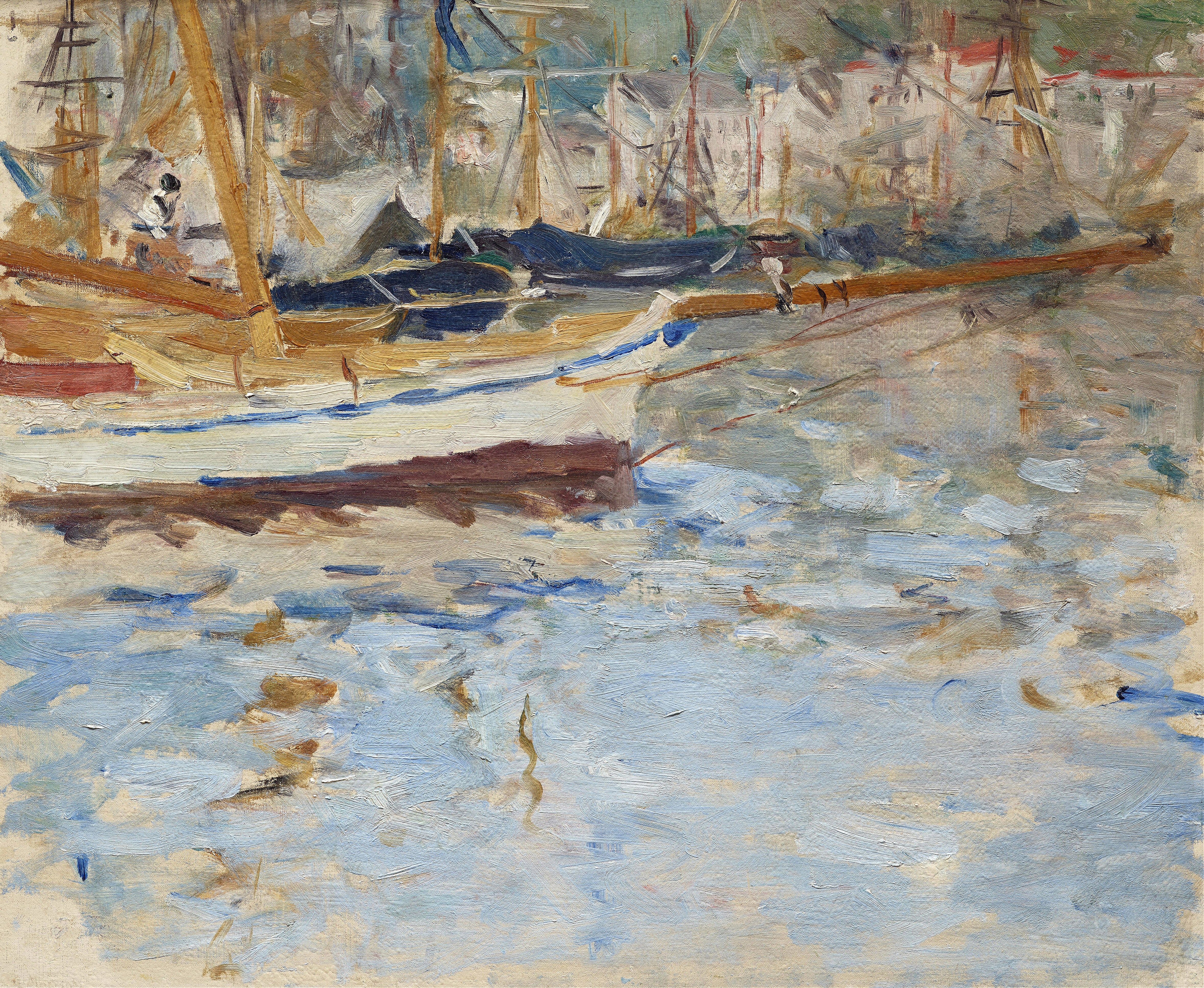
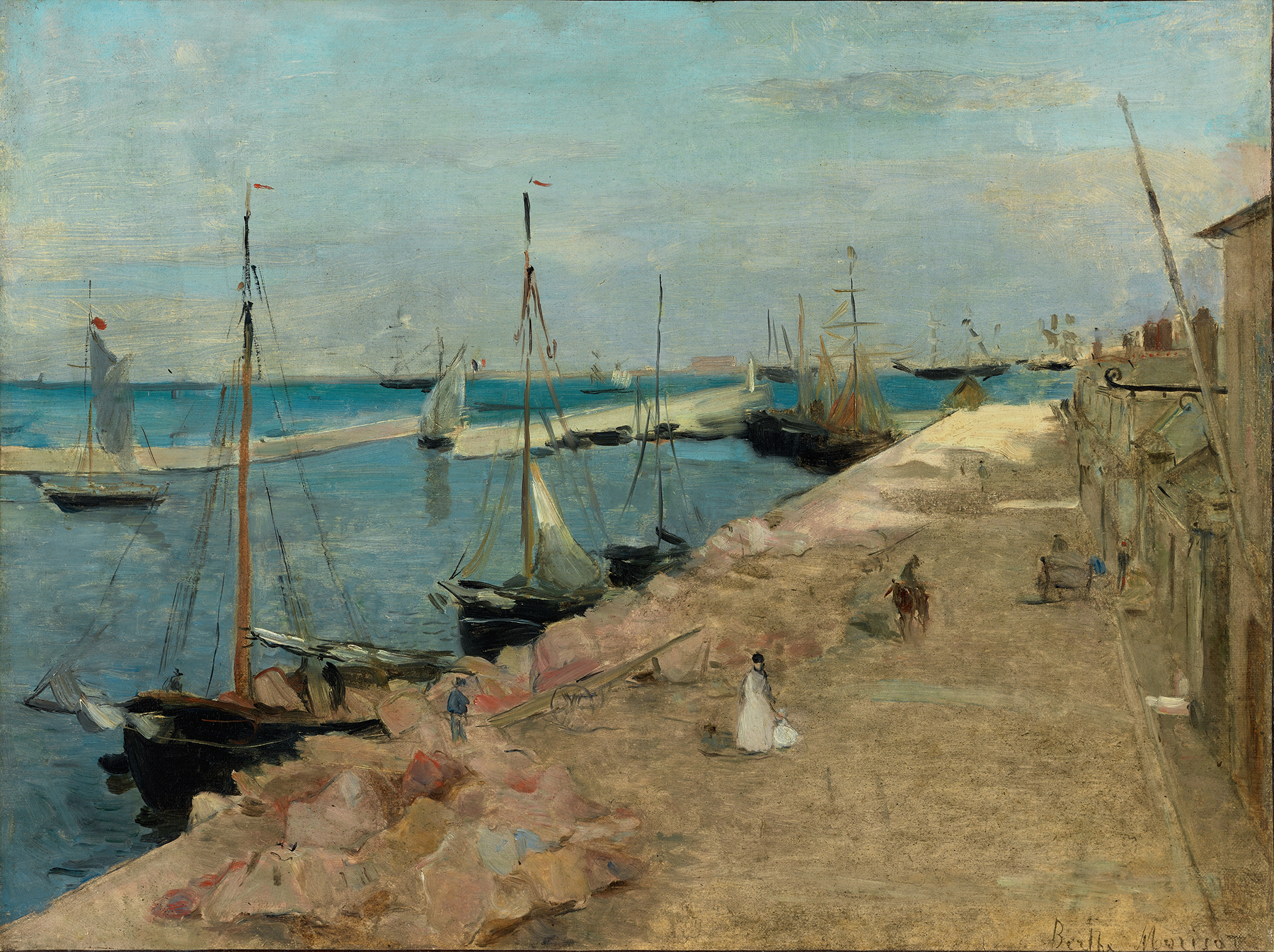
Who listens when art speaks of silence? In Harbor Scene, Isle of Wight, a world of muted tones and delicate brushstrokes whispers of an obsession that dances just beneath the surface of calm waters. Look to the foreground, where a small boat gently rocks amid the tranquil harbor. The subtle interplay of blues and soft grays creates a soothing backdrop, drawing your eye to the figures on the shore.
Notice how the light diffuses through the atmosphere, casting a serene glow upon the scene while hinting at the unseen emotions tethered to the sailors’ lives. The brushwork is both fluid and precise — a contrast that captures the weight of stillness amid the bustle of maritime life. Delve deeper into the painting's nuances, where the tension between stillness and movement emerges. The figures, rendered with graceful strokes, appear momentarily frozen in their daily tasks, embodying a moment of quiet reflection before the chaos of life at sea.
The horizon blurs ever so slightly, evoking the artist’s obsession with the ephemeral nature of time and place, revealing an inner landscape of longing and tranquility that compels viewers to pause and contemplate. Painted between 1875 and 1882, this work emerged during a period when Morisot was deeply engaged in the Impressionist movement, challenging norms with her unique perspective on domestic and outdoor scenes. Living in Paris, she collaborated closely with fellow artists, exploring themes of femininity and everyday life. At this time, Morisot sought to express the beauty of intimate moments, and her connection to coastal landscapes would become a significant aspect of her oeuvre.