Forêt de Compiègne — History & Analysis
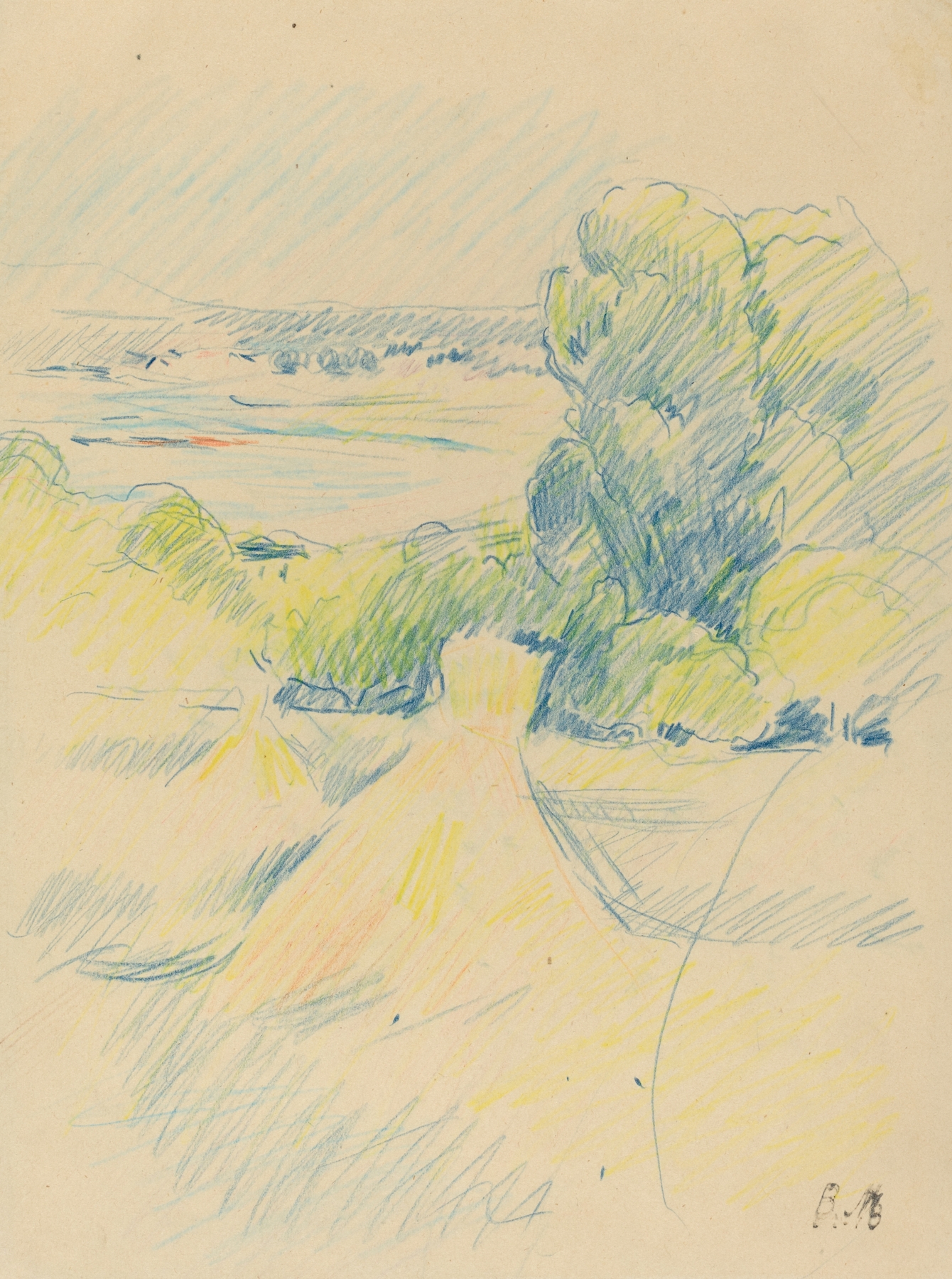
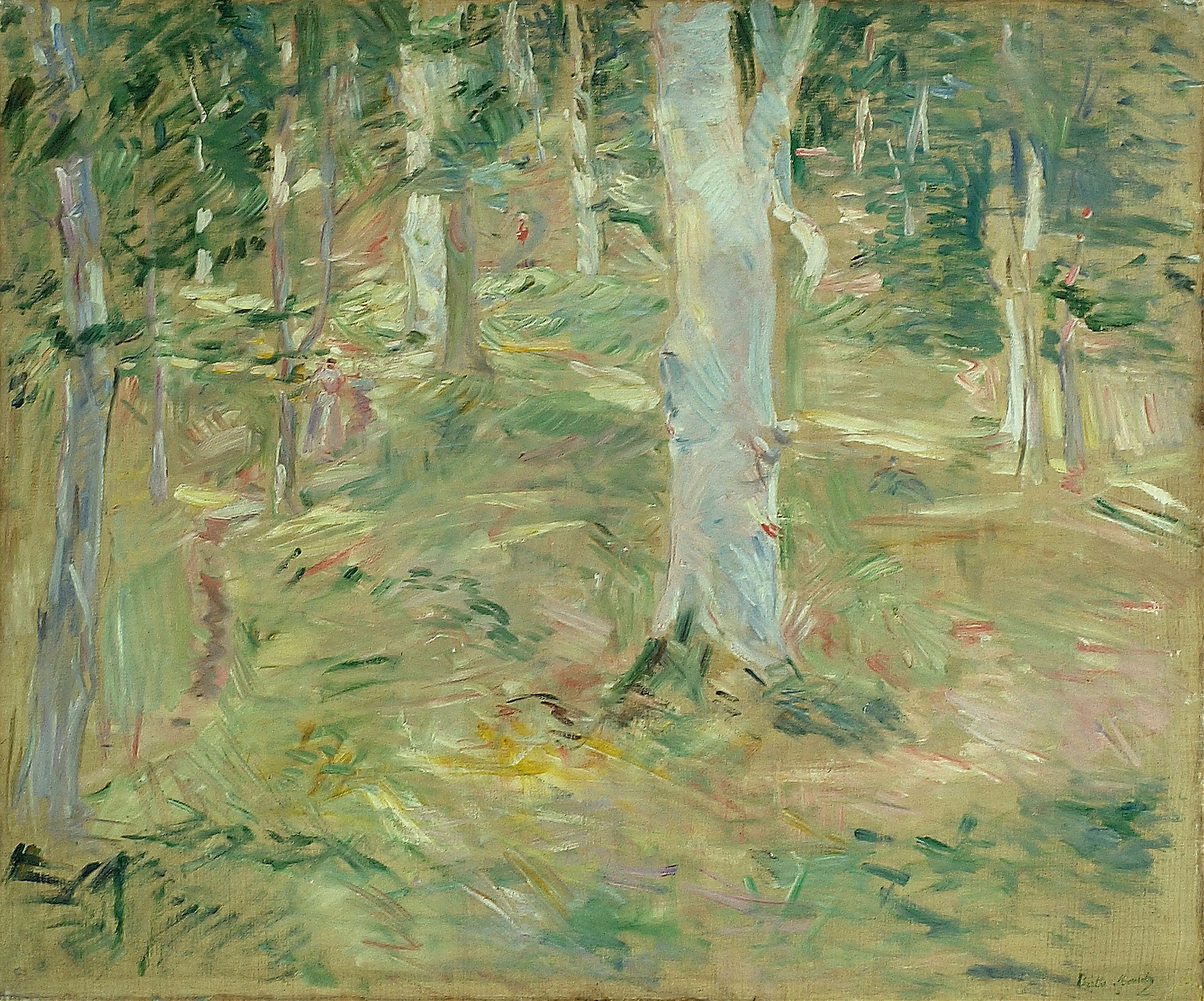
What secret hides in the quiet of the canvas? In Berthe Morisot's Forêt de Compiègne, an enchanting blend of nature and introspection unfolds, inviting viewers to contemplate the delicate balance between vitality and fragility. Look to the left, where a gentle interplay of greens envelops the viewer, shaping the trees that stand sentinel over a tranquil path. The brushstrokes are light and fluid, creating a sense of movement and life within the foliage, while the dappled sunlight filters through, illuminating the scene with a soft, ethereal glow.
The pastel hues of the sky meld seamlessly with the verdant earth, drawing the eye deeper into the sanctuary of the forest, where every detail whispers stories of serenity and solitude. In this work, Morisot captures the tension between nature's wild beauty and human vulnerability. The lightness of her palette speaks to the ephemeral quality of the moment, suggesting a fleeting encounter that invites reflection. There’s an inherent fragility in the scene, as if the very air holds its breath, allowing the viewer to share in the delicate intimacy of this natural world.
Each stroke seems to resonate with a quiet longing, hinting at the transient nature of both the landscape and life itself. Created in 1885, Forêt de Compiègne was painted during a period when Morisot was establishing herself as a leading figure in the Impressionist movement. Living in France, she was surrounded by fellow artists who were pushing the boundaries of traditional painting. This work reflects her deep connection to the landscape and her desire to capture fleeting moments, revealing her unique perspective on the world.