Landscape — History & Analysis
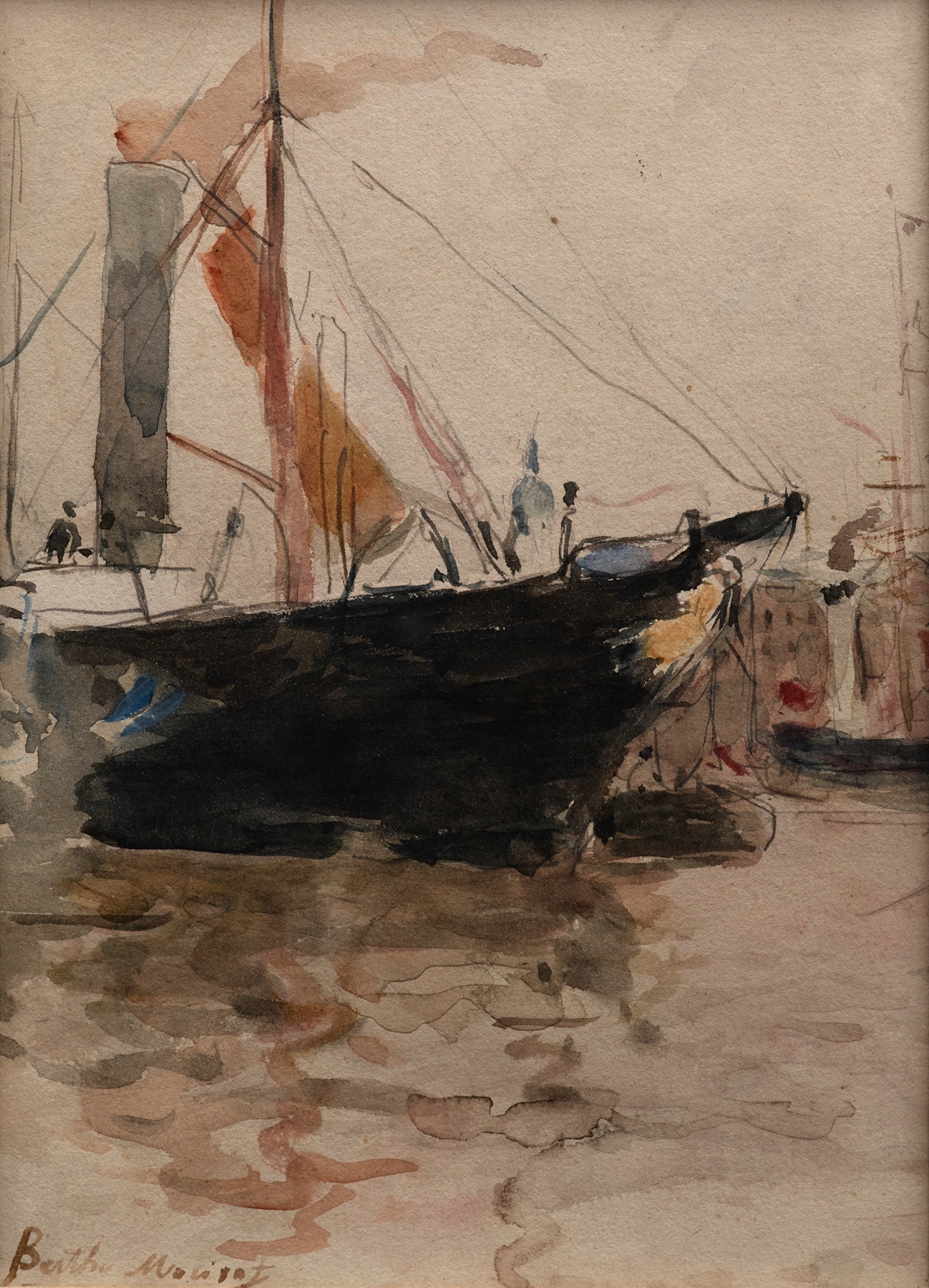
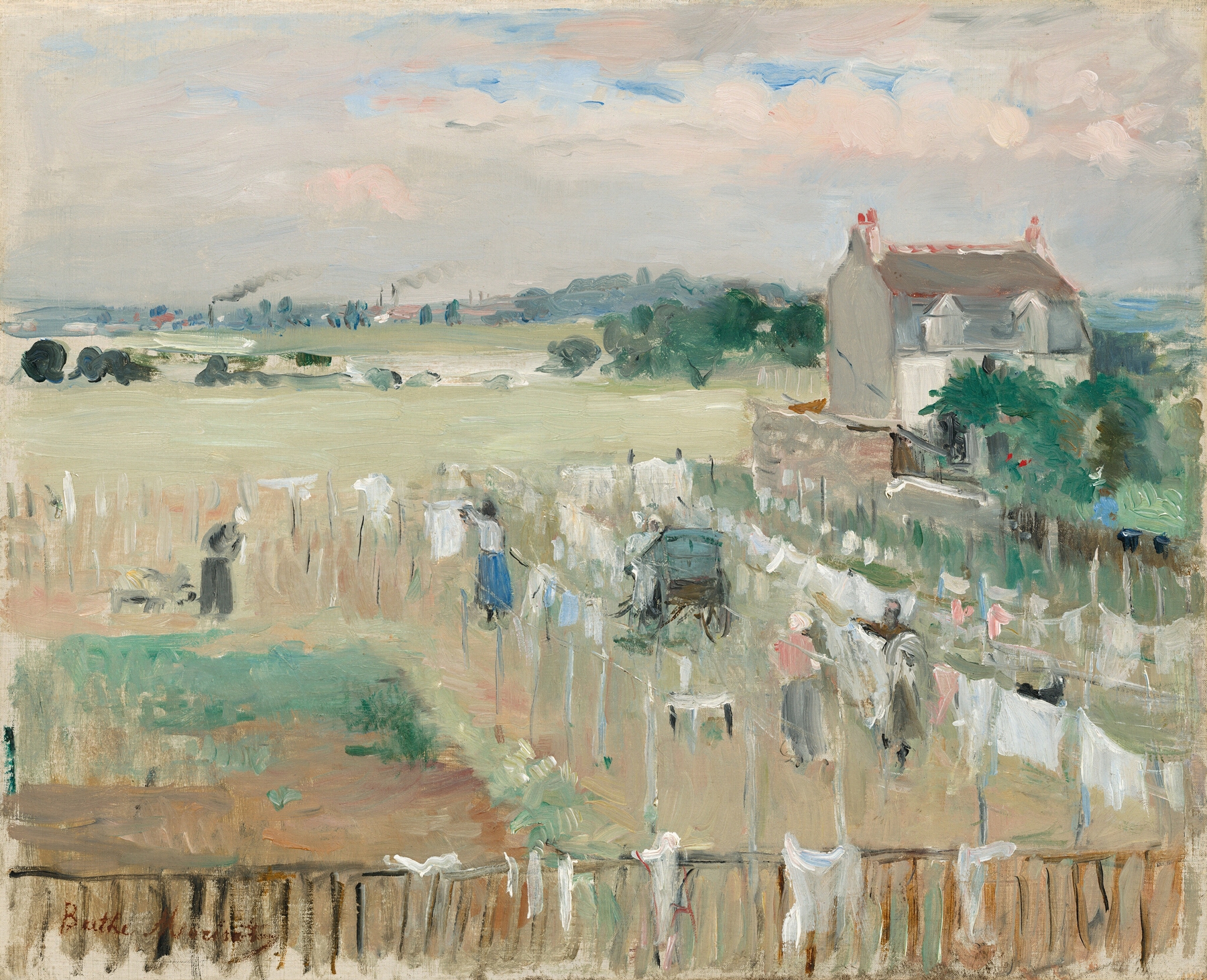
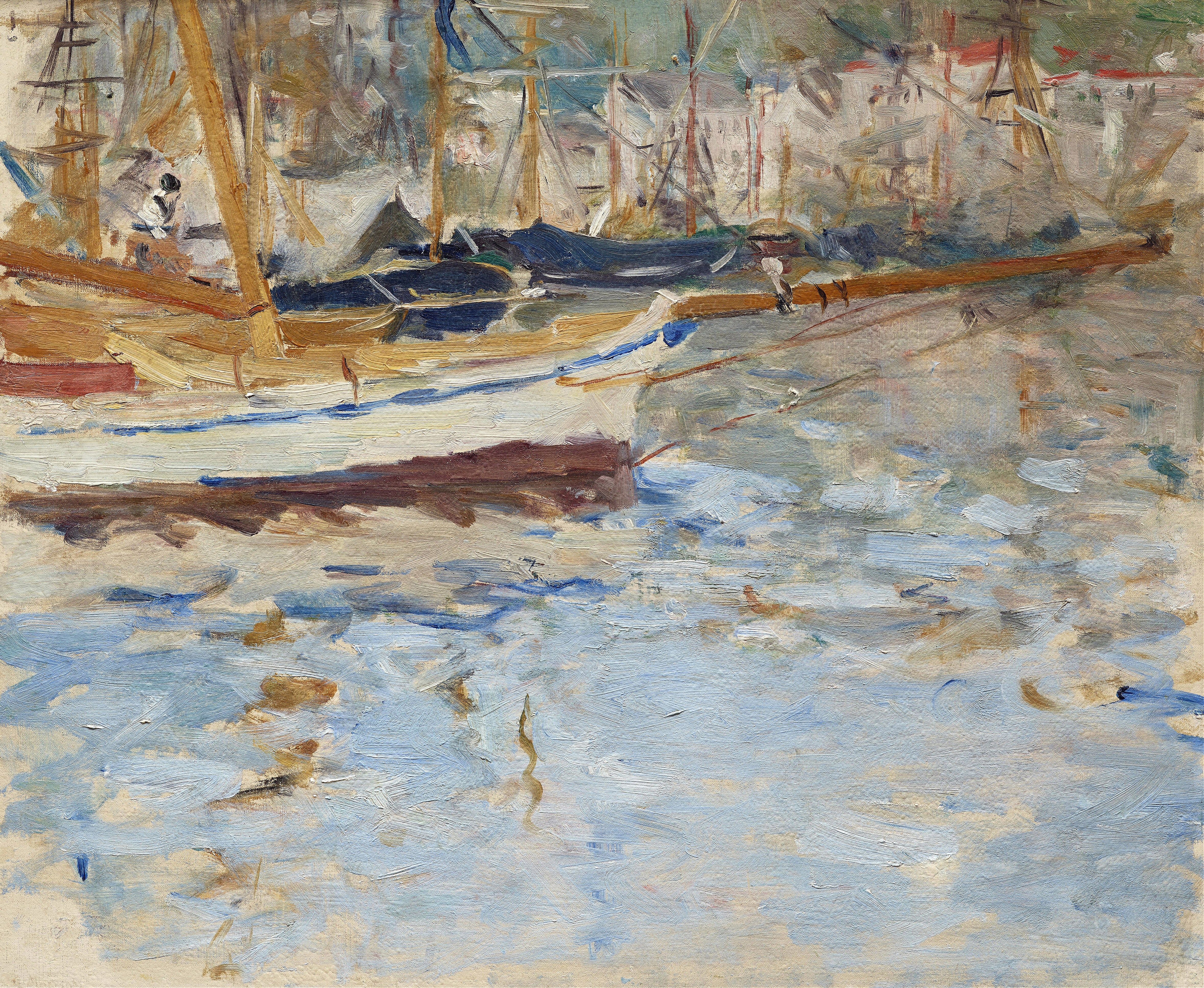
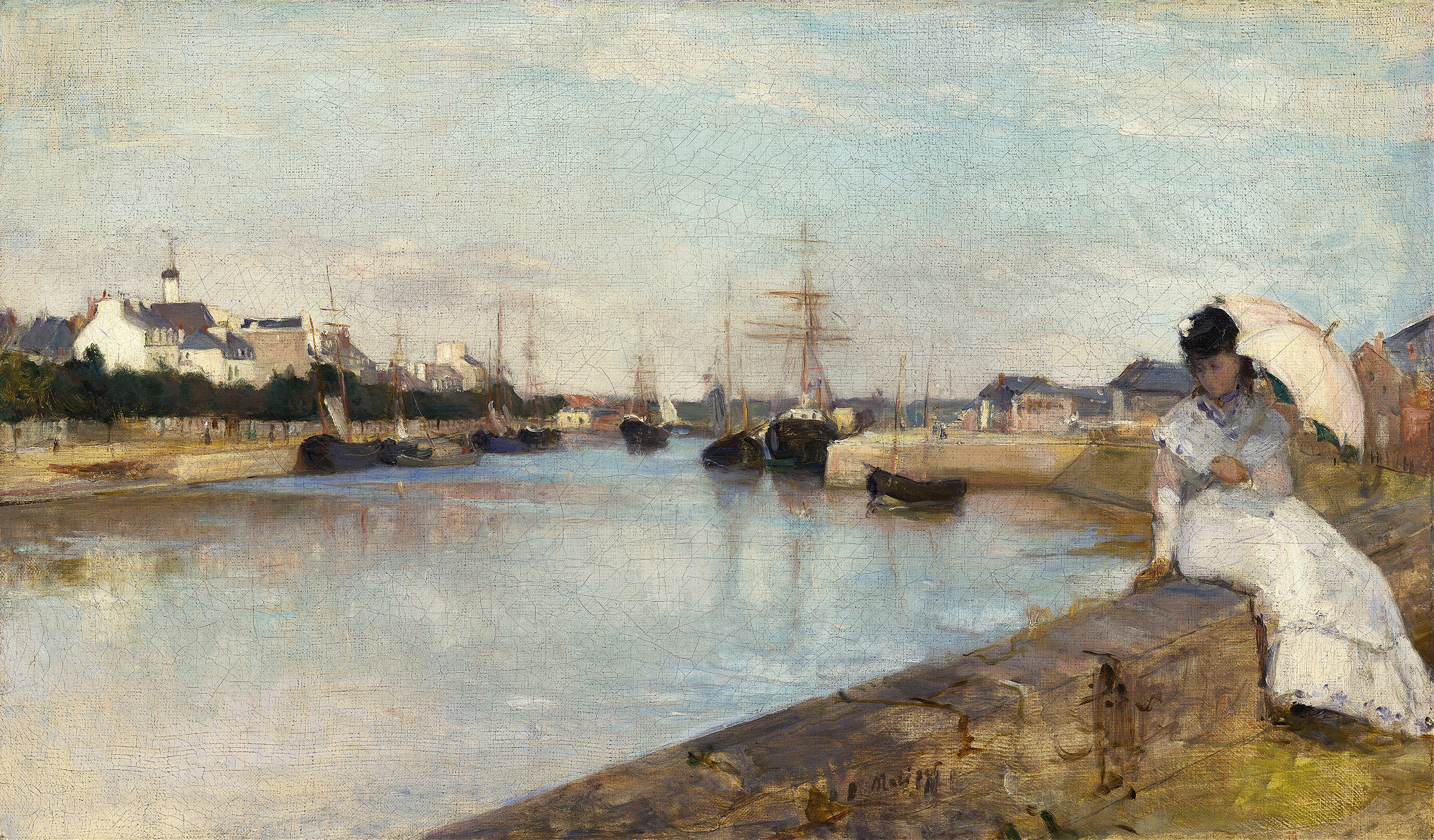
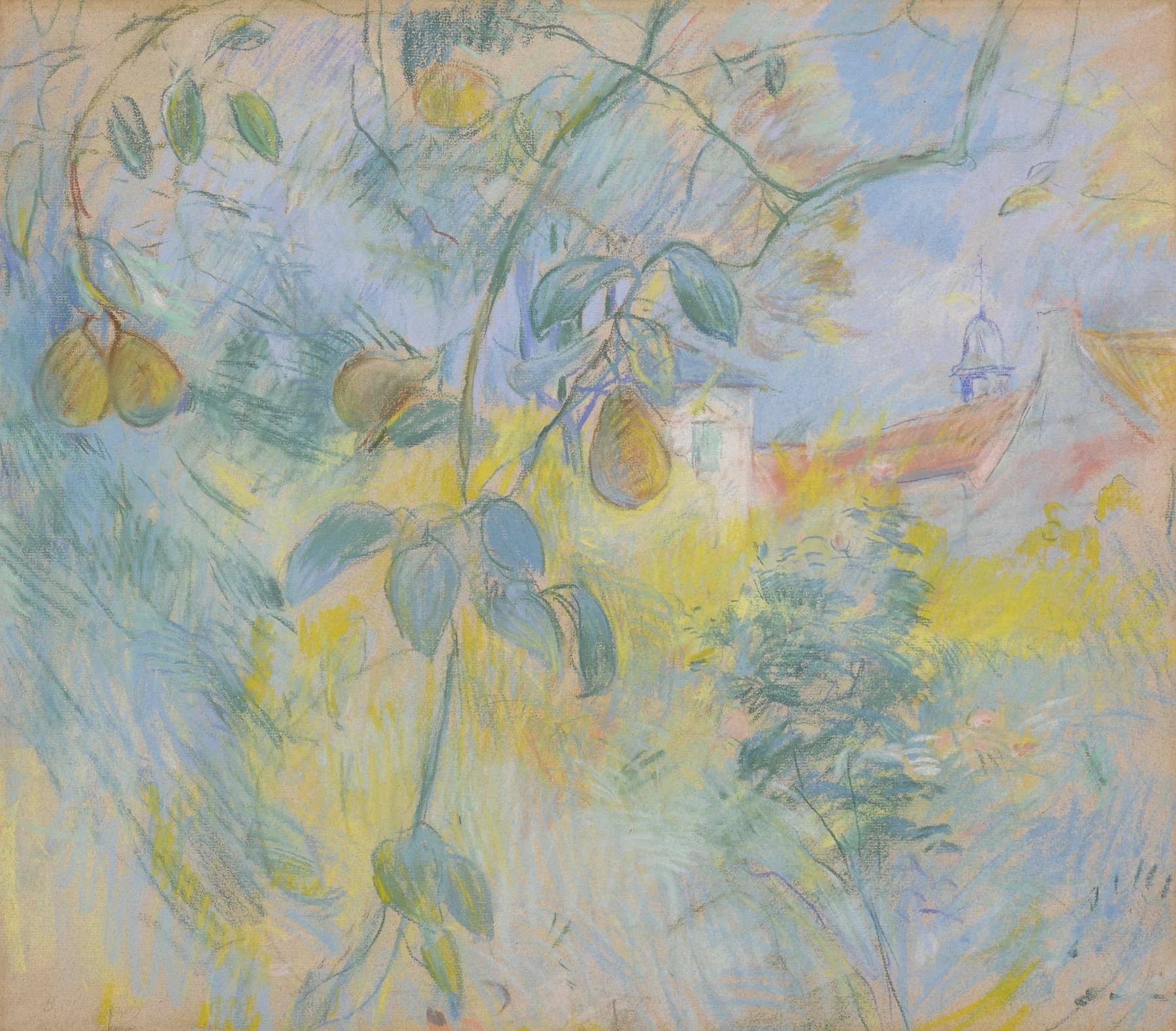
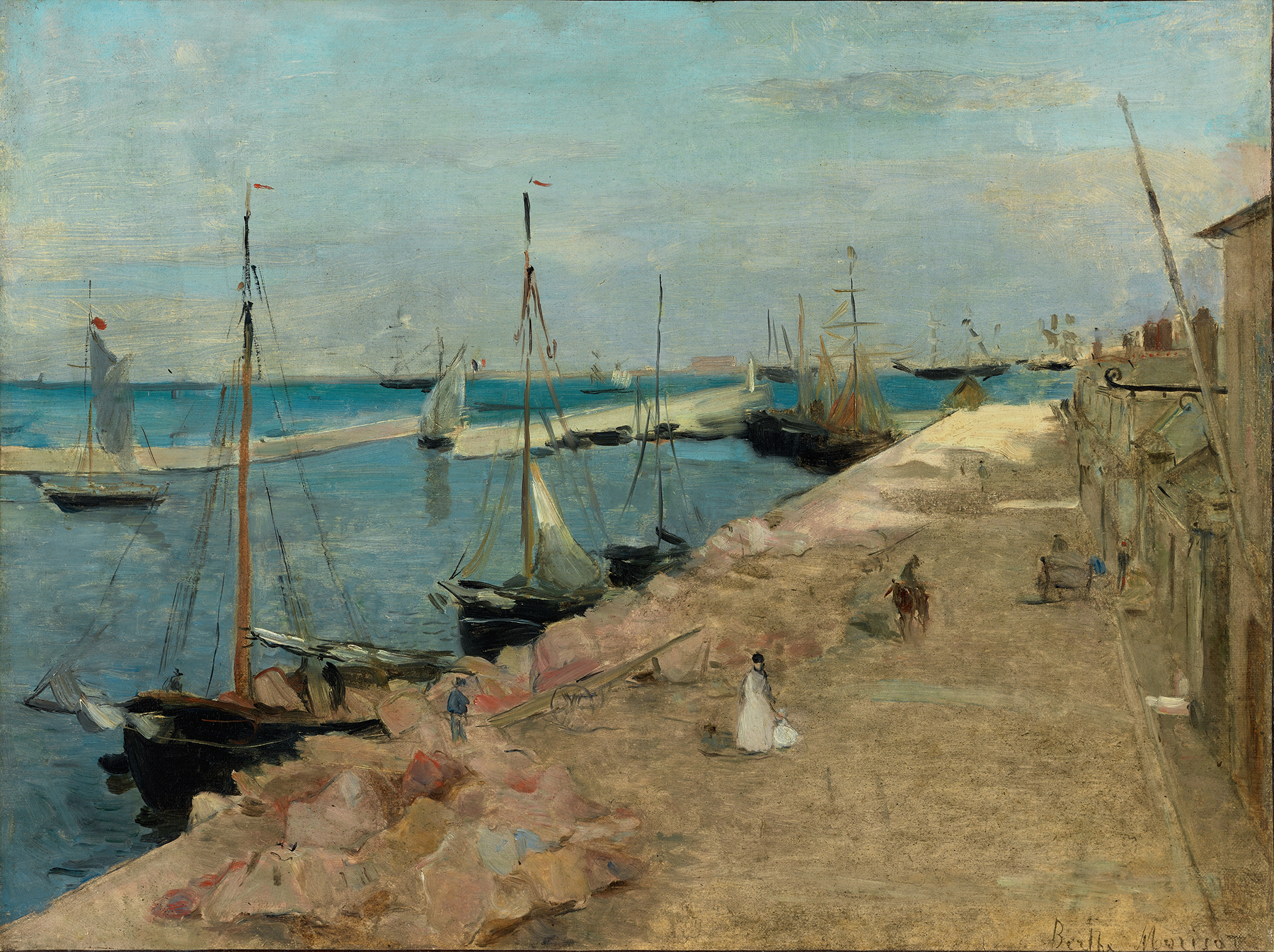
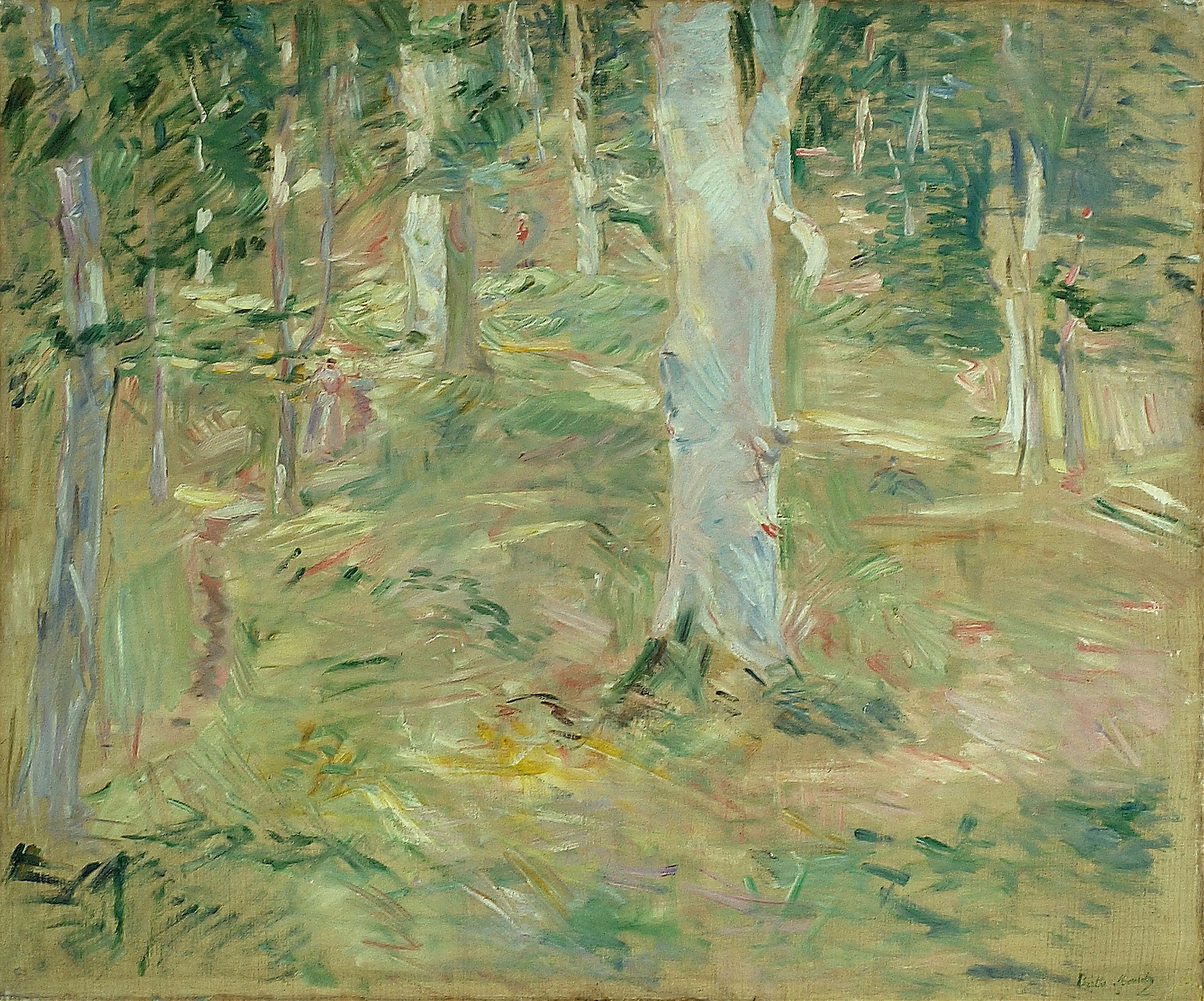
“Art reveals the soul when the world turns away.” In the quiet decay of nature, we find a poignant reflection of our own transience. The beauty of a landscape can be both comforting and melancholic, inviting us to explore the fragility of existence. Look to the foreground, where gentle brushstrokes animate the grass with hints of fading summer. Notice how Morisot captures the delicate interplay of light and shadow, infusing the scene with a sense of softness. The palette is a whisper of earthy greens and muted browns, speaking to the passage of time as leaves turn and petals fall.
The composition, with its flowing lines and organic shapes, draws the eye deeper into the canvas, inviting contemplation of what lies beneath the surface. Within this tranquil scene, hidden tensions emerge. The intertwining branches suggest growth and decay, a reminder of the cyclical nature of life. The stillness evokes a sense of waiting, as if the landscape itself is holding its breath, caught between vibrant life and impending stillness.
Each stroke serves as a testament to the artist's understanding of beauty in impermanence, urging us to embrace our own fleeting moments. During the late 19th century, Morisot painted this work, situated within the lively milieu of Impressionism. As a leading figure among her peers, she was navigating the shifting tides of a male-dominated art world, advocating for a recognition of women's contributions to art. This period was marked by experimentation and a growing interest in capturing the ephemeral qualities of nature, a theme that resonated deeply within her oeuvre.