Woman in a Garden — History & Analysis
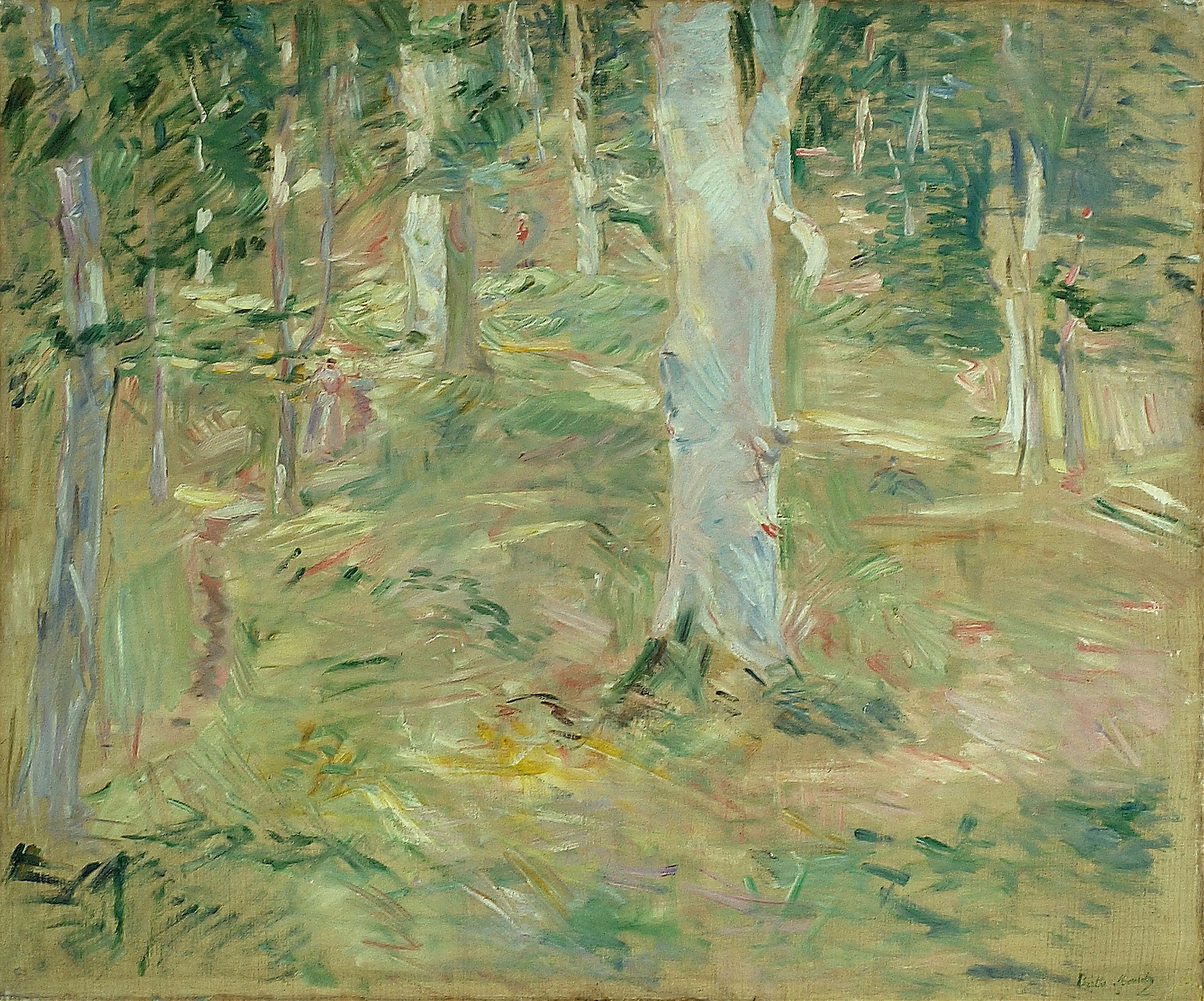
Sunlight filters through the canopy of blooming flowers, casting dappled shadows on the soft earth beneath. A woman, dressed in a flowing white gown, bends gracefully to admire the blossoms, her delicate fingers brushing against petals that seem to tremble in the breeze. There is an air of intimacy in the garden, yet a subtle distance lingers, as if she is both present and lost in her own thoughts. Look to the left where the vibrant colors of crimson and lavender flowers burst forth, inviting the viewer's gaze to wander.
The woman's face, illuminated by the gentle glow of the sun, reflects a mixture of serenity and introspection, her eyes gazing past the blooms. The loose brushstrokes convey a sense of movement, as if the scene is alive, while the soft pastel palette evokes a bittersweet longing that permeates the composition. The tension between the vivid garden and the woman's pensive demeanor reveals layers of emotional depth. Each flower, a symbol of life and beauty, contrasts with her seemingly solitary moment, hinting at an inner melancholy.
The way her gown billows in the breeze adds a fleeting quality, suggesting that while life is vibrant, it is also ephemeral and tinged with wistfulness. Berthe Morisot created Woman in a Garden between 1882 and 1883, during a period when she was establishing herself as a leading figure within the Impressionist movement in Paris. At this time, she faced the challenges of being a woman artist in a male-dominated field, yet she persevered, capturing the intimate moments of life around her. This work reflects her ability to blend personal emotion with the beauty of nature, marking her significance in the evolution of modern art.