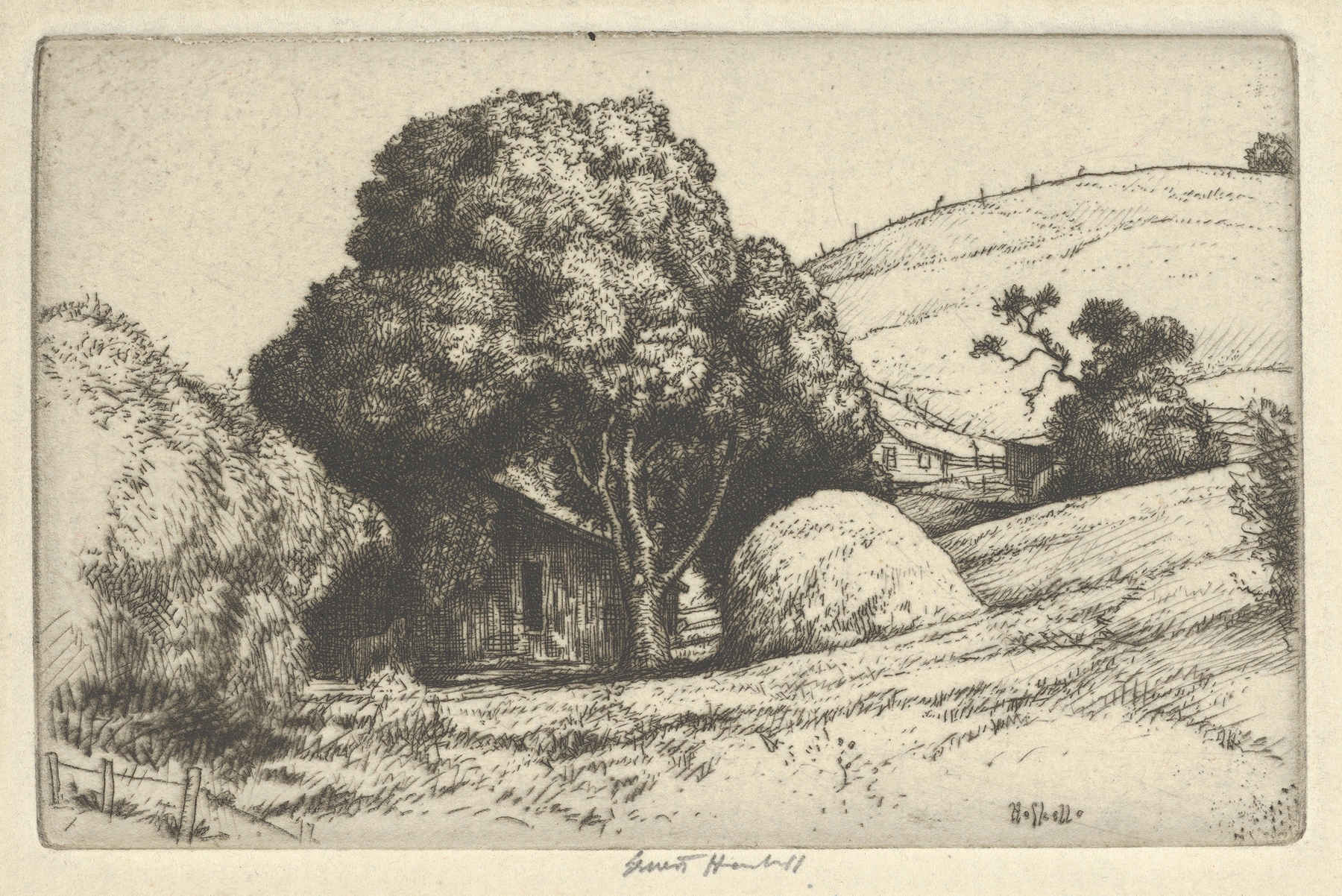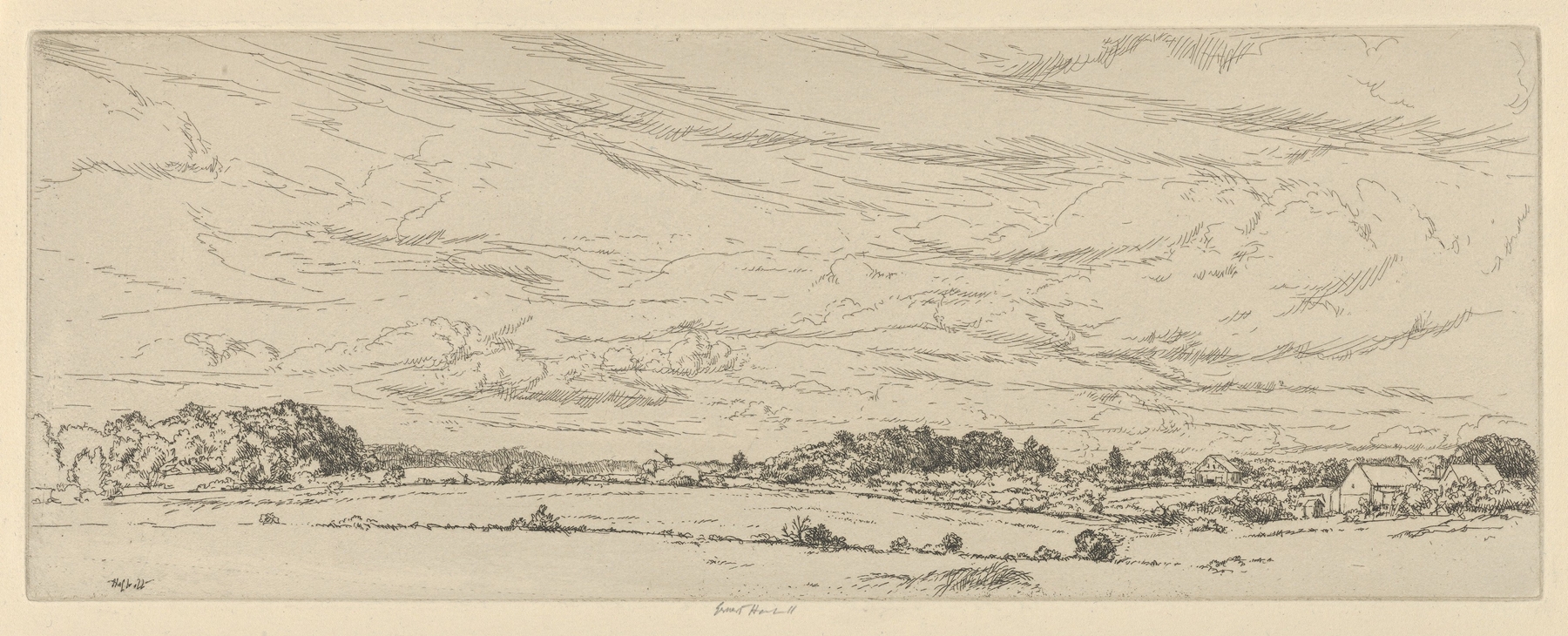
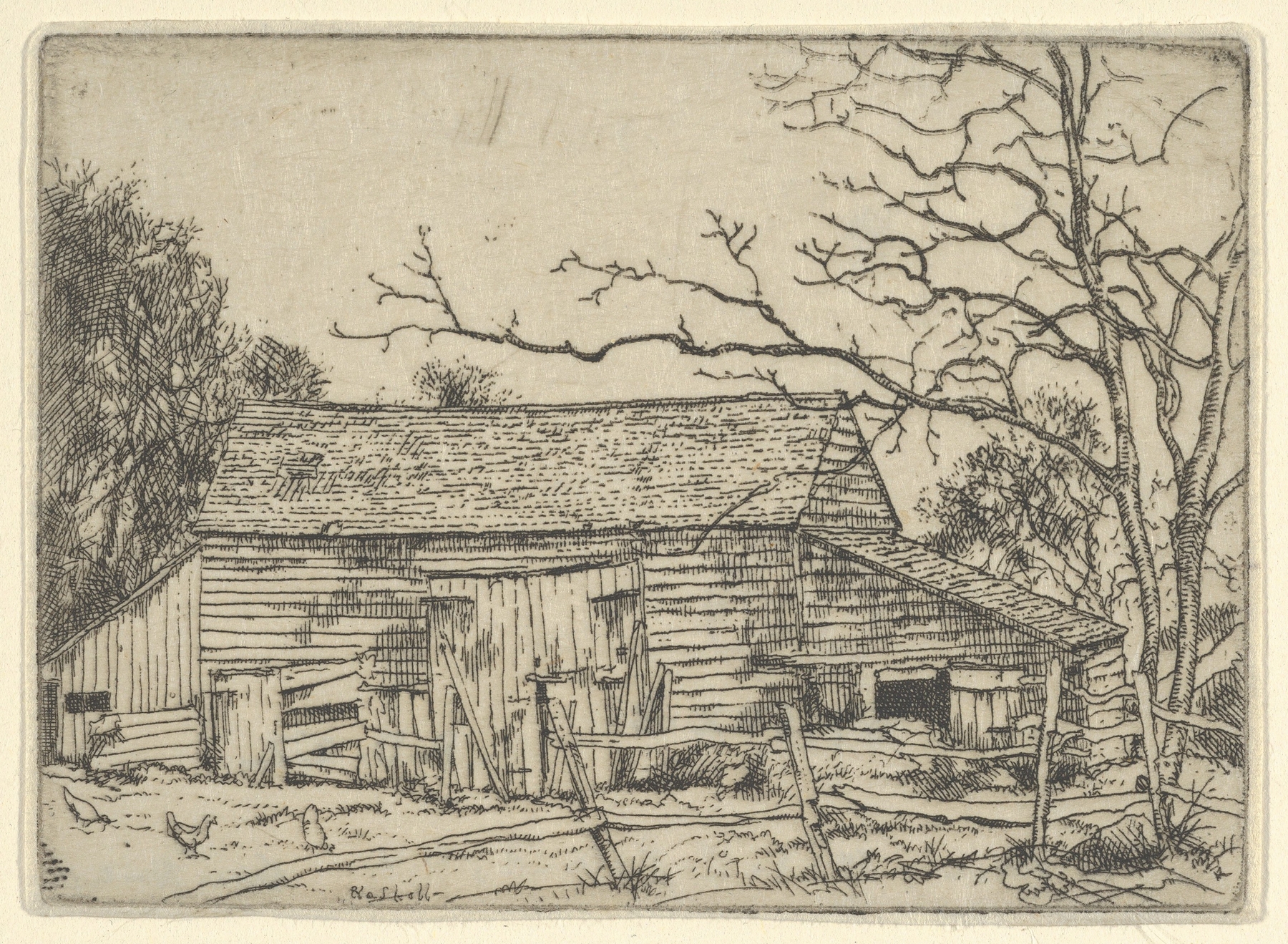
Can beauty exist without sorrow? In *Boubier’s Field*, the interplay of light and shadow conjures a landscape where the transformation of nature reveals both vibrancy and melancholy. Look to the forefront of the canvas, where the soft, golden hues of wheat sway gently in the breeze. The painter's brushstrokes create a rhythmic movement, inviting your eye to dance along the undulating fields. Notice how the azure sky looms overhead, permeated by wisps of clouds that evoke a sense of fleeting time. The composition masterfully balances warm and cool tones, enhancing the emotional tension between the joy of harvest and the inevitability of change. Beneath the surface, the painting suggests a deeper narrative about the cycles of life. The wheat, ripe and ready, signifies abundance and hope, while the distant horizon, shrouded in soft blues, hints at an uncertain future. This contrast between present bounty and looming ambiguity imbues the scene with a poignant beauty, prompting reflection on the transient nature of existence. The field's splendor is tinged with an awareness of time's passage, fragility, and the unyielding march toward transformation. In 1924, amidst the backdrop of a post-war society seeking solace in the familiar comforts of nature, the artist painted this piece while living in the tranquility of rural America. The era marked a turning point in artistic expression, where Haskell, influenced by the changing dynamics of the world, sought to capture the essence of beauty in its most fragile forms. As artists embraced new perspectives, this work stands as a delicate reminder of life's impermanence.