Bow Saada Markets — History & Analysis
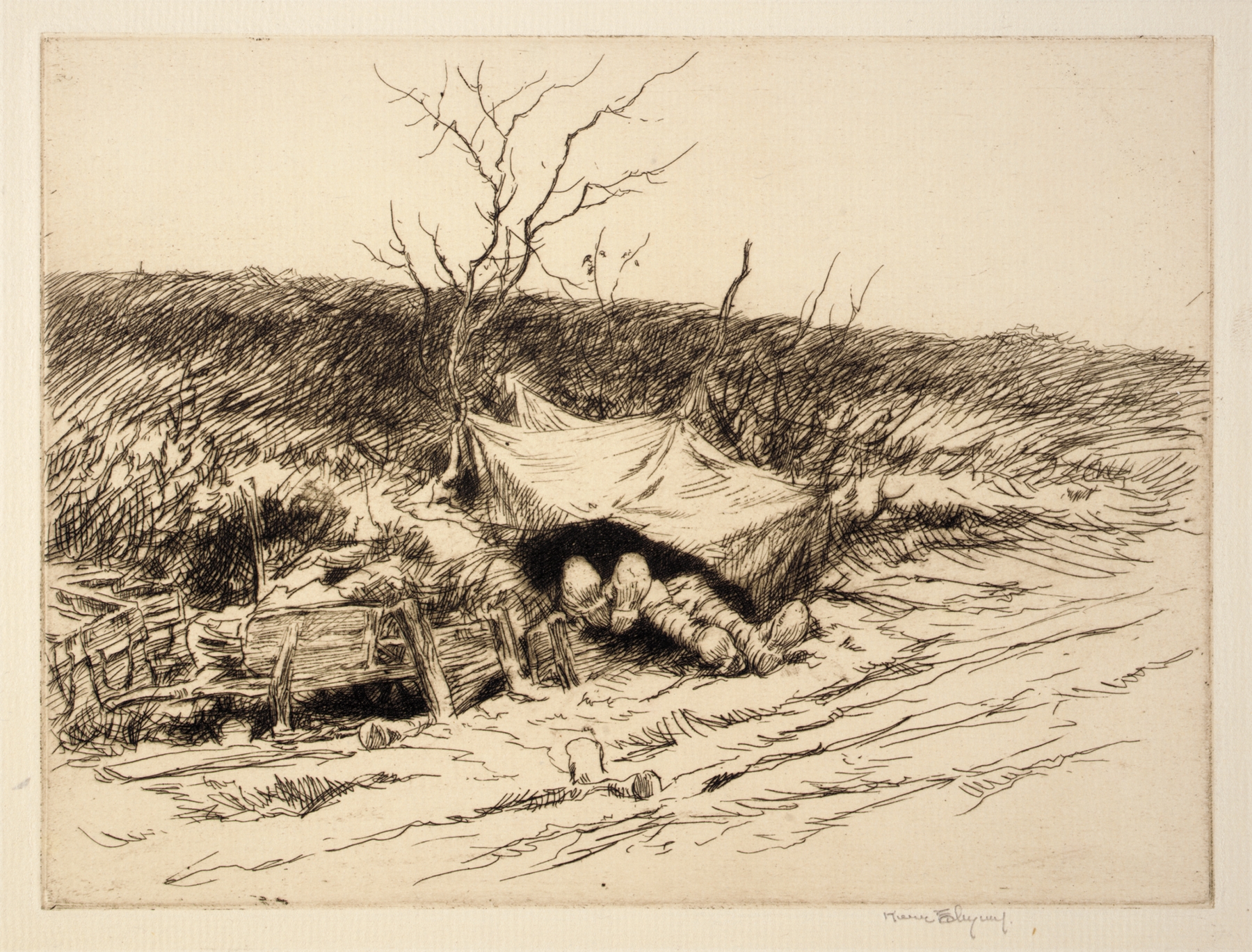
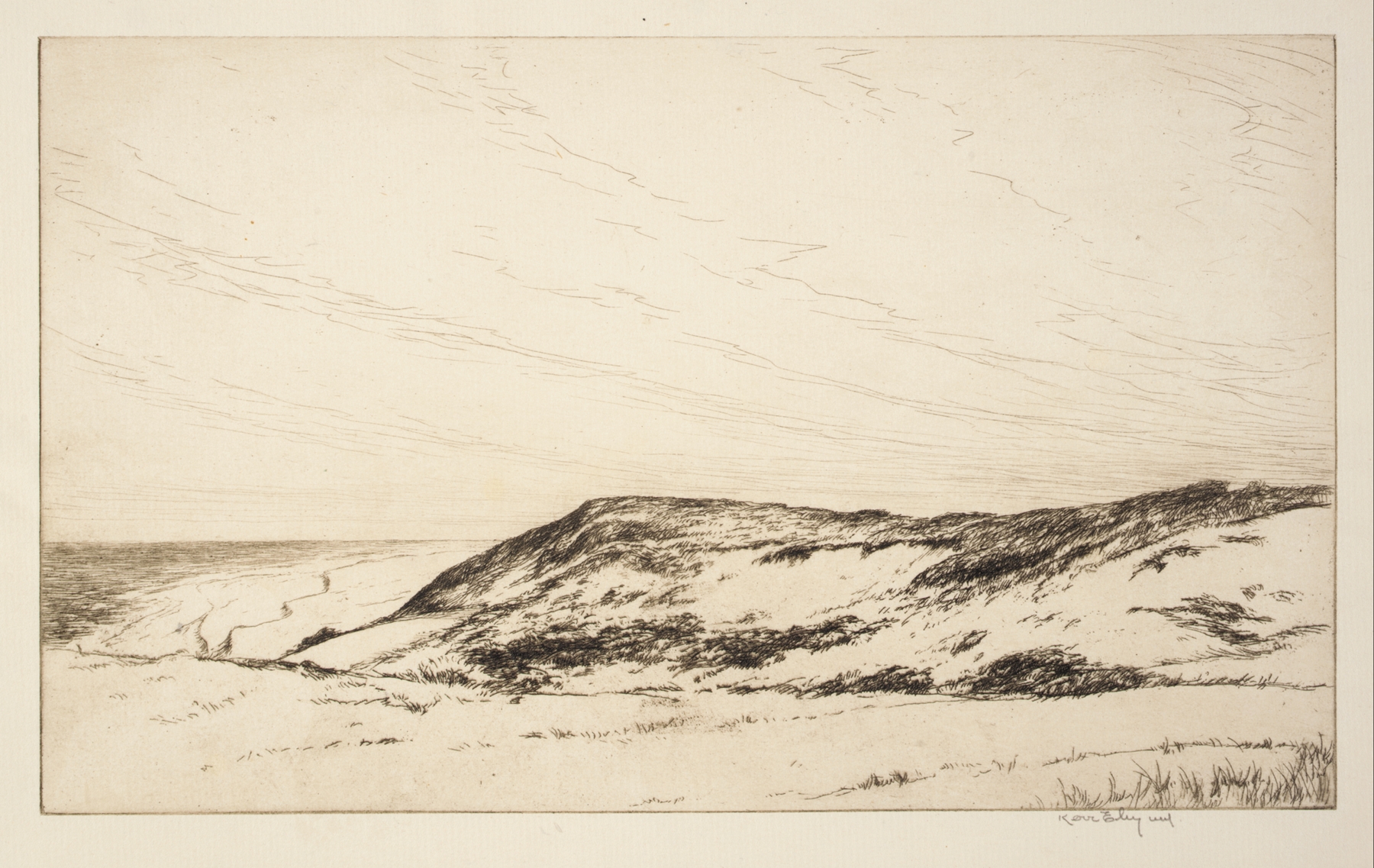
“Art reveals the soul when the world turns away.” In the vibrant depths of creation, we often find the divine hidden within the mundane. Look closely at the central figure in Bow Saada Markets, where the interplay of light and shadow draws your gaze to their weathered face. The warm, earthy tones of the market stalls contrast with the cooler shades of the distant landscape, creating a peaceful yet charged atmosphere. Notice how the brushwork dances, capturing the essence of movement—each stroke breathing life into the scene, as if time itself pauses to listen to the whispers of daily exchanges.
Digging deeper, the market symbolizes a confluence of cultures and the human spirit’s resilience amid the chaos of existence. The details—the textures of fabric, the glimmer of fruit, and the subtle interplay between figures—reveal stories of connection and survival. There’s a quiet grace here: a moment in which divinity intersects with humanity, reminding viewers of the beauty in everyday struggles and the richness of communal life.
Created in 1924, this work emerged during a period of transition for Kerr Eby, who was re-establishing his artistic voice after the horrors of World War I. Living in a world still reeling from conflict, Eby sought to depict scenes that not only captured reality but also illuminated the profound spiritual dimensions of human experience. This painting reflects his desire to convey authenticity and a deeper understanding of life’s rhythms at a time when society yearned for renewal.