Breakers — History & Analysis
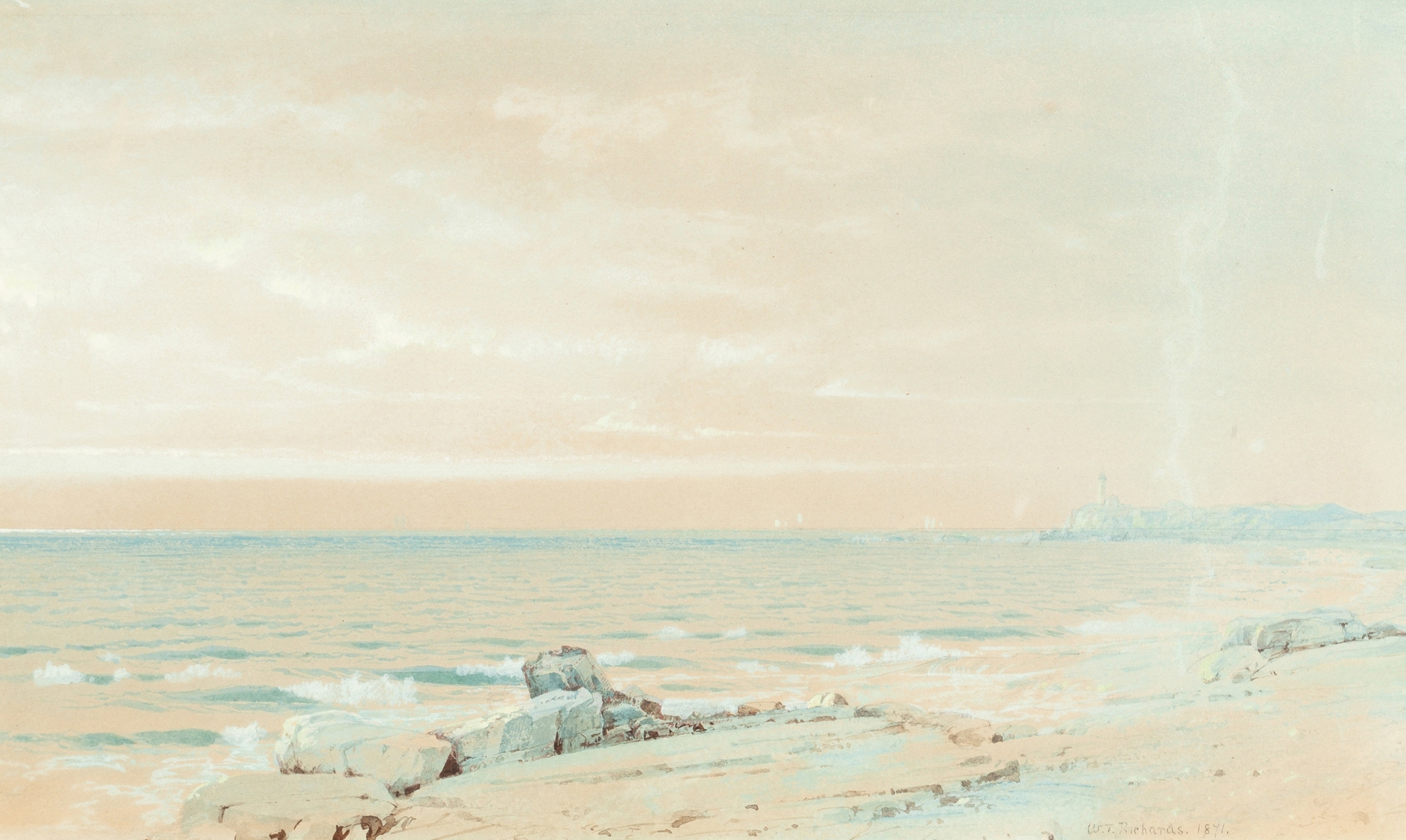
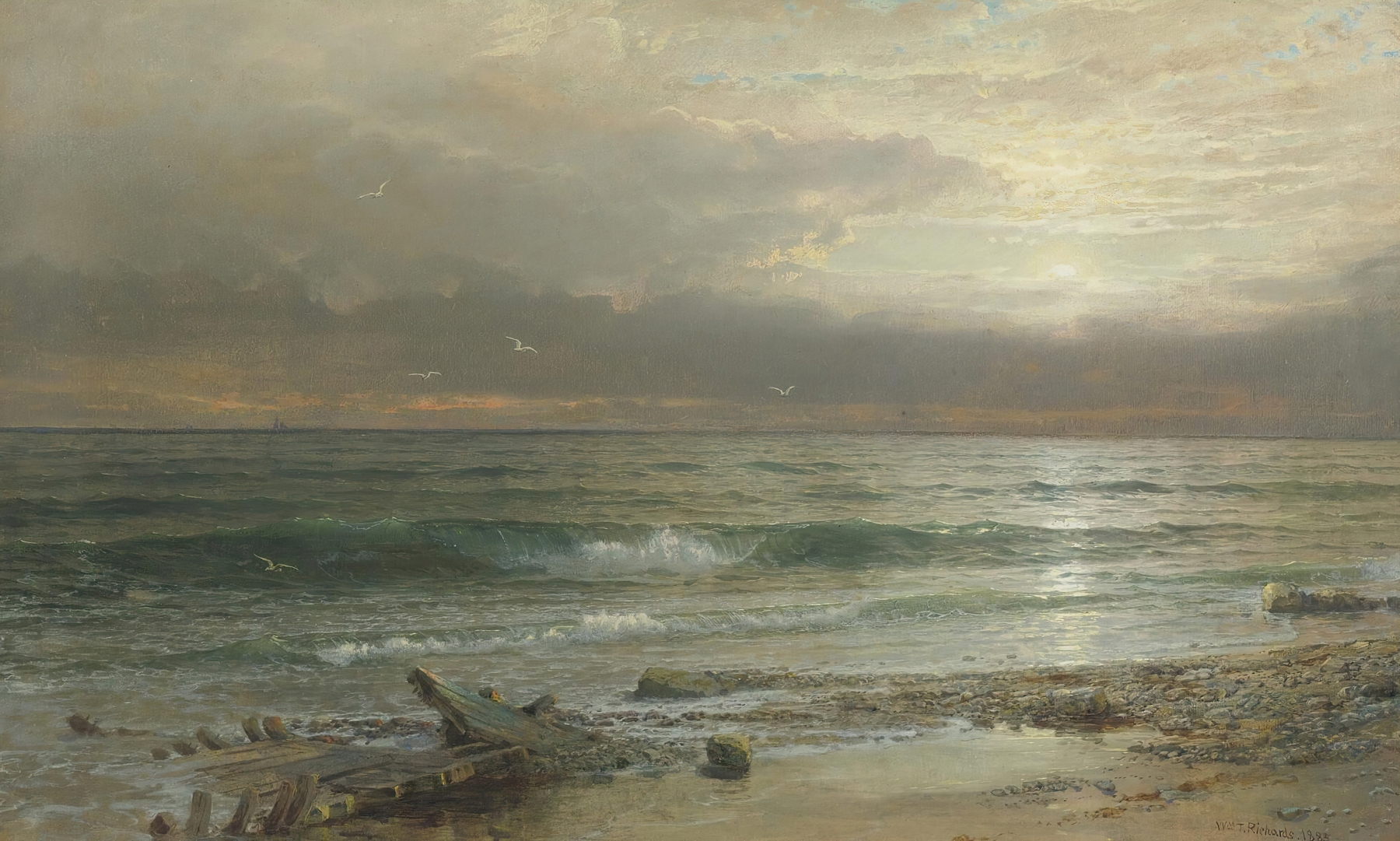
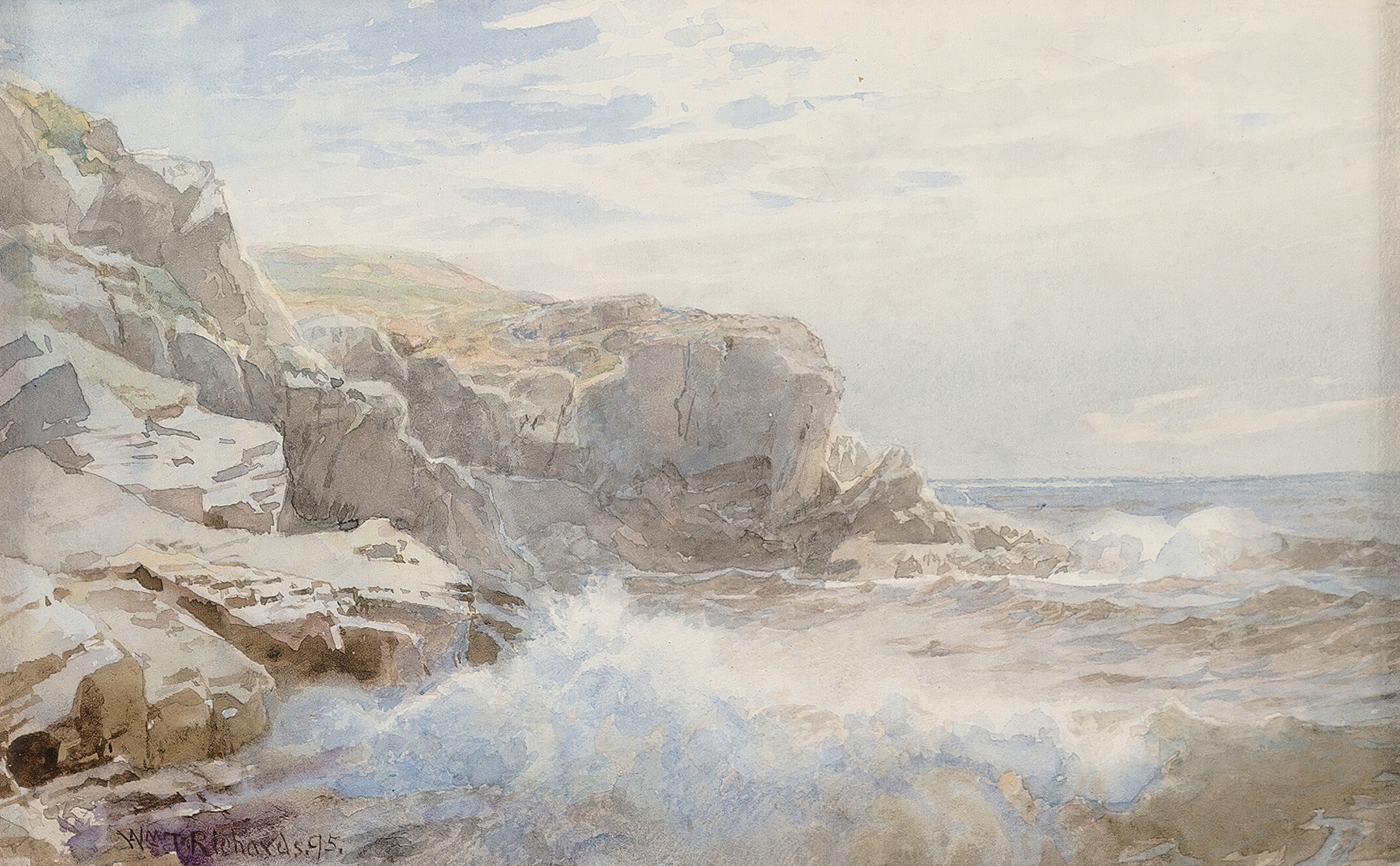
Is this a mirror — or a memory? The tumultuous sea churns beneath a sky laden with clouds, each brushstroke a testament to nature's relentless obsession with its own beauty and chaos. Focus on the vibrant waves crashing against the rocks in the foreground, their frothy crests drawing your eye with a palpable energy. Notice how the sunlight punctuates the scene, illuminating the water's surface and creating a dazzling play of light that dances across the canvas.
The deep, rich blues contrast with the bright whites of the foam, while the subtle greys of the sky add an emotional weight that hints at an unfolding story beyond mere observation. In this work, hidden meanings emerge from the tension between the serene beauty of the ocean and the savage power it embodies. The juxtaposition of calm and chaos resonates deeply, suggesting the duality of human emotion—obsession can be both captivating and destructive. As the waves crash, they symbolize the relentless pull of nature, mirroring the artist's own internal conflicts and fervent passion for capturing such moments.
In 1881, the artist created this piece during a period of personal and professional exploration, living in Pennsylvania amidst the growing American landscape painting movement. This was a time when many artists began embracing the natural world with fervor, reflecting the broader cultural shift towards realism and the sublime in art. Richards, deeply invested in both technique and sentiment, sought to encapsulate the rawness of nature in Breakers, a commitment that would cement his legacy in American art history.