The Mount Washington Range, from Mount Kearsarge — History & Analysis
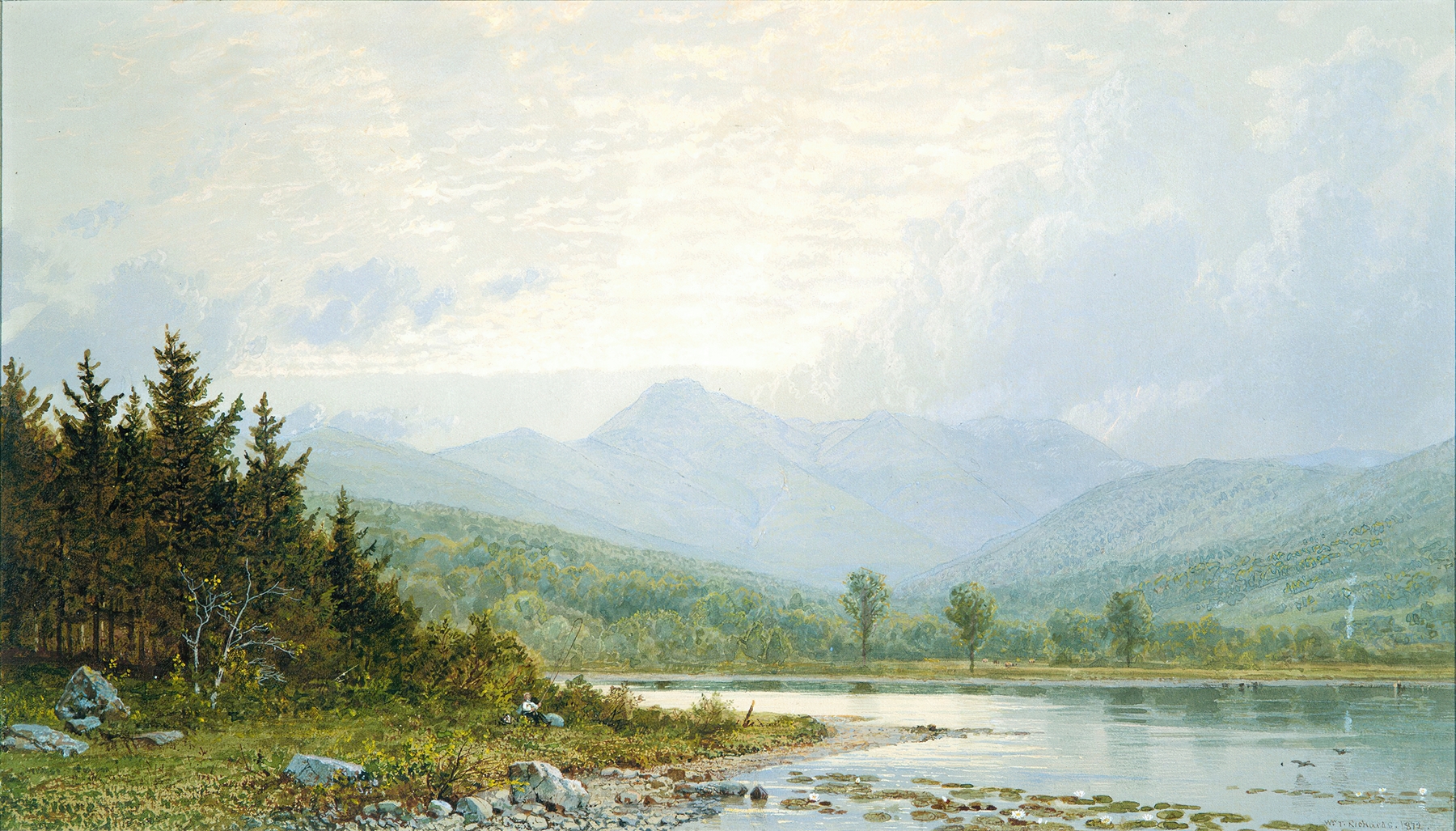
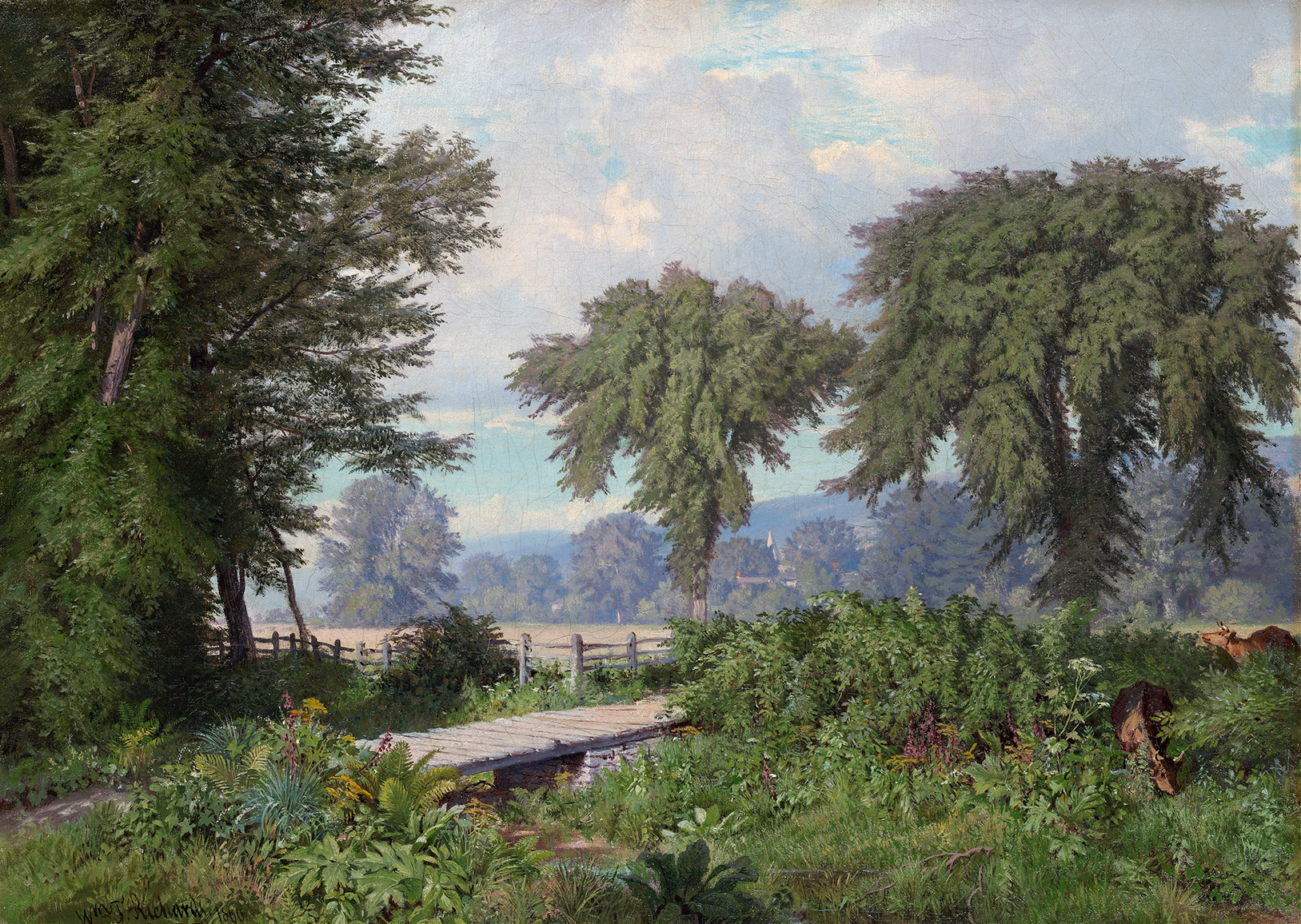
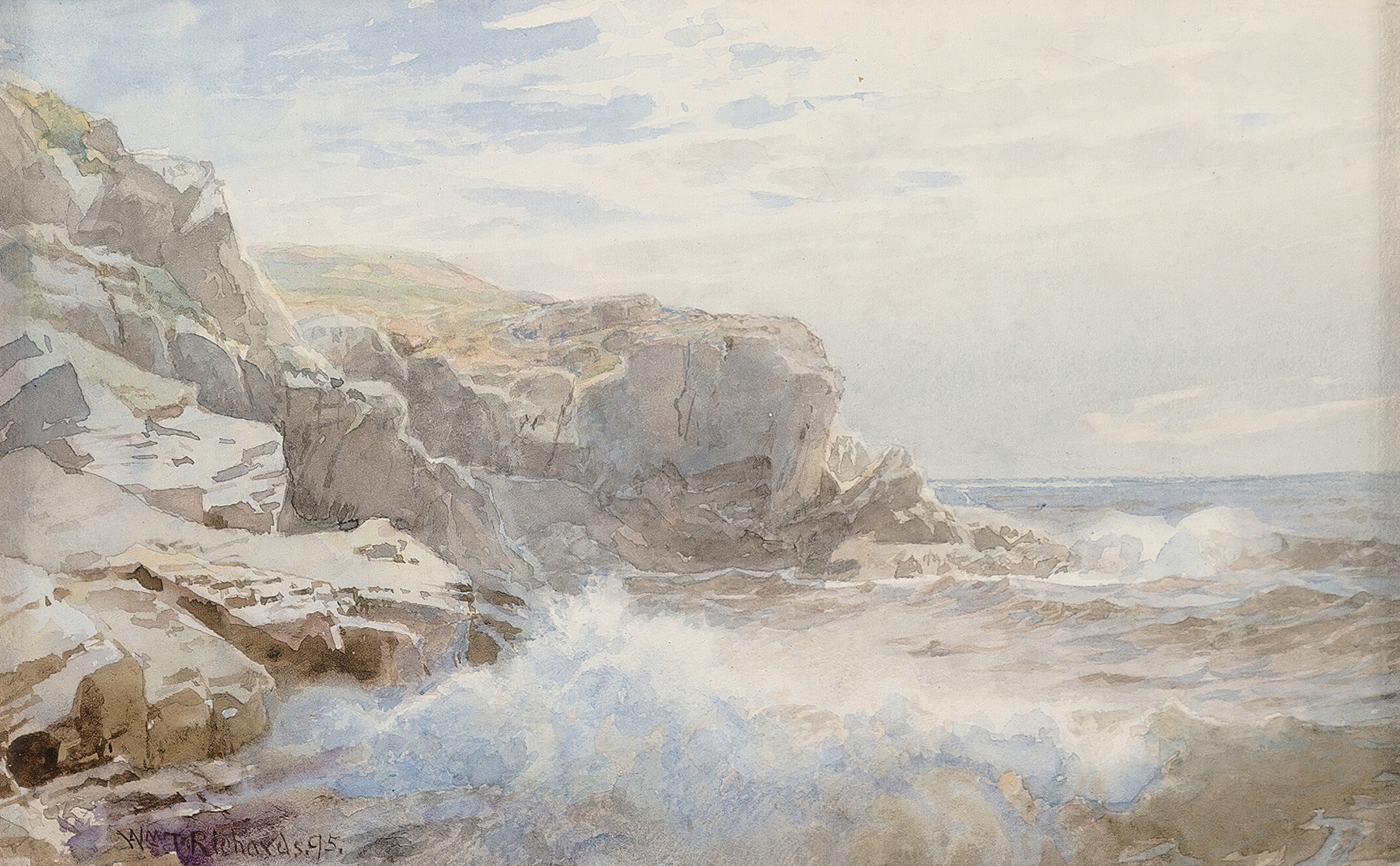
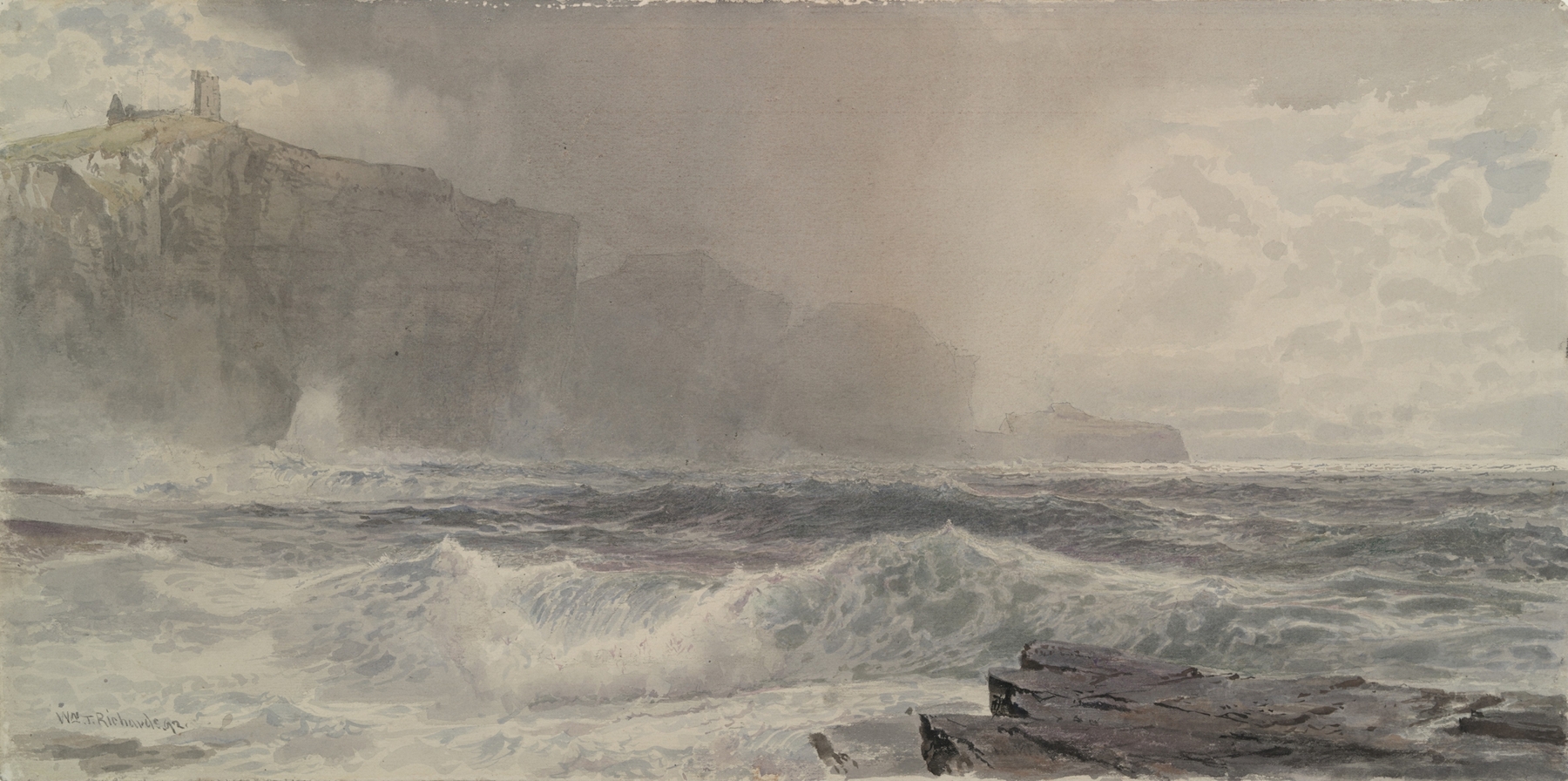
“To paint is to remember what time wants us to forget.” In the stillness of nature, we encounter echoes of what has been lost, inviting reflection on both beauty and transience. Look to the foreground where the rugged granite of Mount Kearsarge emerges, its jagged edges softened by the gentle diffusion of light. The vibrant greens of the foliage breathe life into the landscape, creating a stark contrast against the muted blues and whites of the distant Mount Washington Range. Notice how the interplay of light and shadow shapes the mountains, invoking a sense of depth and majesty, while the delicate clouds linger like memories in the sky above.
Hidden within this serene vista lies an underlying tension between permanence and impermanence. The grandeur of the mountains speaks to the eternal, while the fleeting clouds suggest evanescence. Richards captures not only the physical beauty but also the emotional weight of loss, suggesting that even the most formidable landscapes are subject to the passage of time. Each brushstroke resonates with an awareness of what is ephemeral, transforming the scene into a poignant meditation on memory.
In 1872, the artist worked on this piece amidst a rapidly changing American art scene, shifting from Romanticism to a more naturalistic approach. Living in Philadelphia, Richards was influenced by the Hudson River School, yet sought to forge his own path by depicting the sublime within the everyday. It was a period marked by a deepening appreciation for the American landscape, reflecting both the awe of nature and the inevitable effects of time on both the land and the human spirit.