Indian Summer — History & Analysis
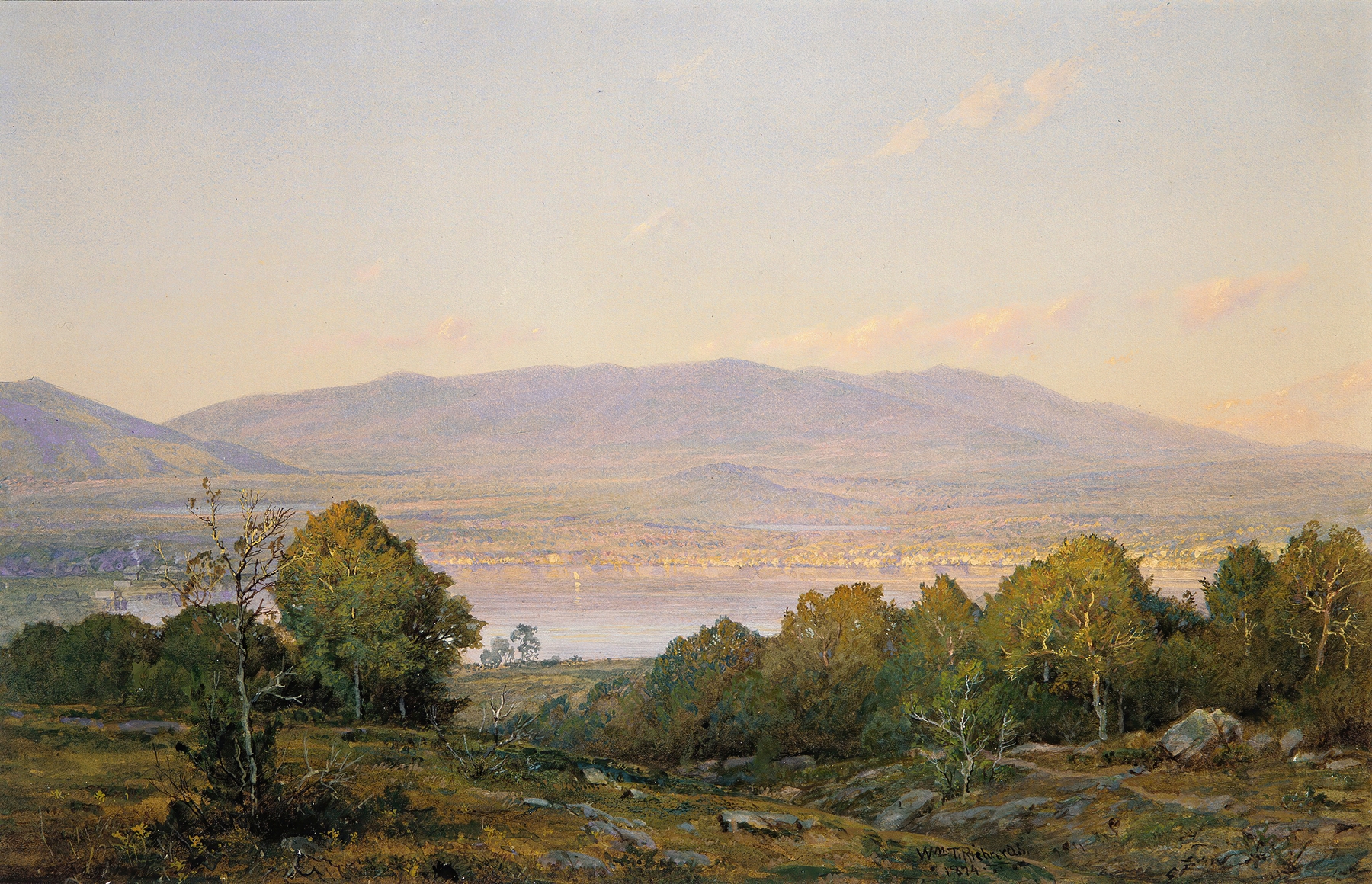
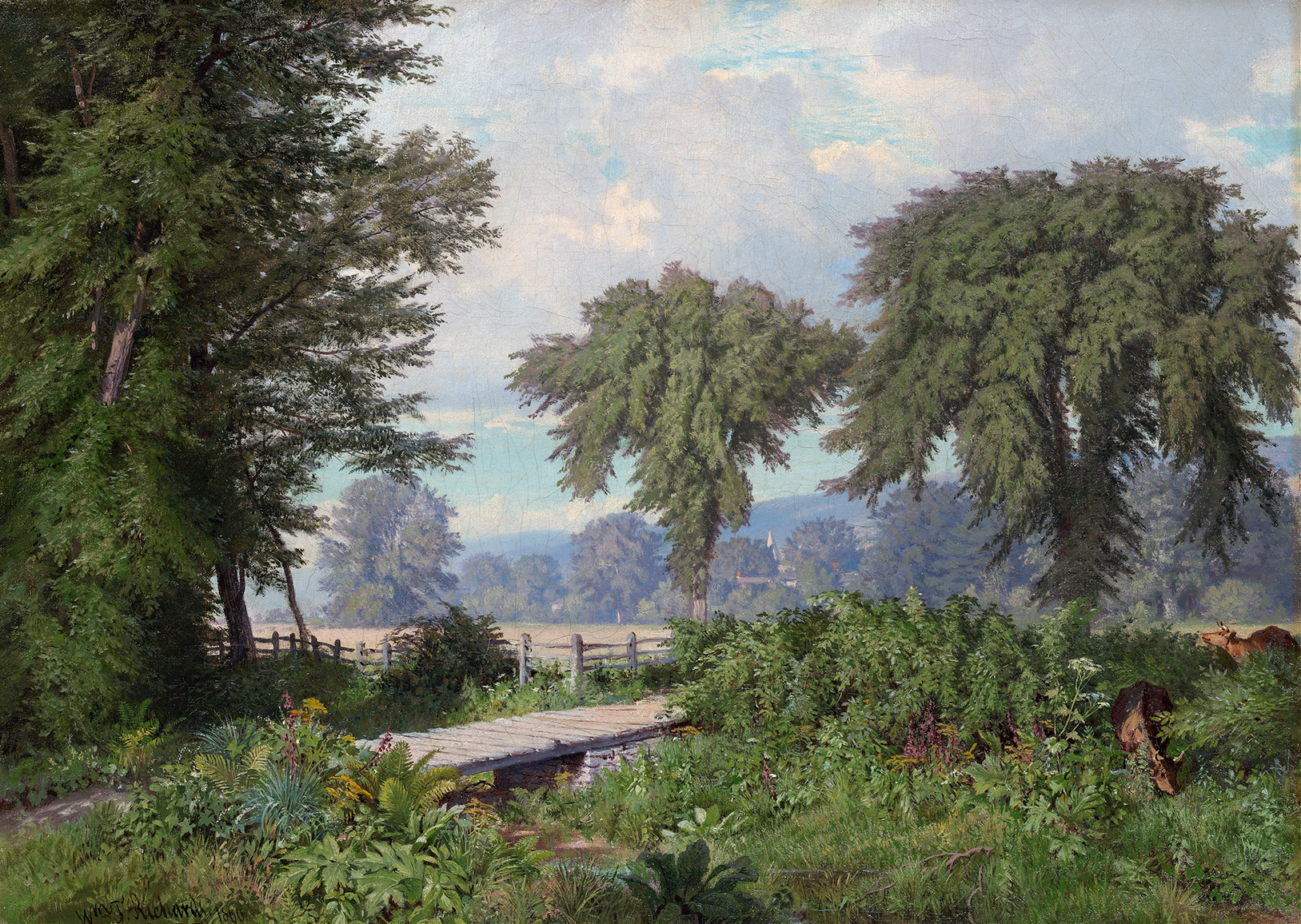
When did color learn to lie? Indian Summer envelops us in the warmth of its hues, yet behind the vibrant palette lies a profound melancholy that whispers of lost moments and unfulfilled hopes. Look to the foreground and observe the delicate array of wildflowers, painted with soft brushstrokes that imbue them with life. The vivid oranges and yellows dance alongside the muted greens, creating a symphony of color that draws your eye in. Notice how the light, filtered through the gentle canopy above, casts dappled shadows on the ground, suggesting both the serenity of the scene and the looming chill of approaching autumn.
The contrast between the rich, sunlit foliage and the encroaching darkness hints at the inevitable end of this ephemeral beauty. Deceptively tranquil, this landscape holds layers of meaning. The abundance of life in bloom suggests a fleeting joy, a reminder that such moments are often tinged with sorrow. As the viewer takes in the scene, feelings of nostalgia emerge, evoking memories of summer's warmth that cannot last. The lushness of the foliage stands in stark contrast to the emptiness that follows, urging contemplation of what remains unsaid, what is left behind as seasons change.
In 1875, the artist found himself in a period of personal reflection and artistic evolution. Living in Pennsylvania, he was deeply influenced by the natural world, establishing a connection with landscapes that spoke of both beauty and transience. During this time, the art world was shifting, embracing realism while still holding onto romantic ideals. This painting captures that tension—a moment of exquisite beauty that simultaneously acknowledges the shadow of impending loss.