Crashing Waves — History & Analysis
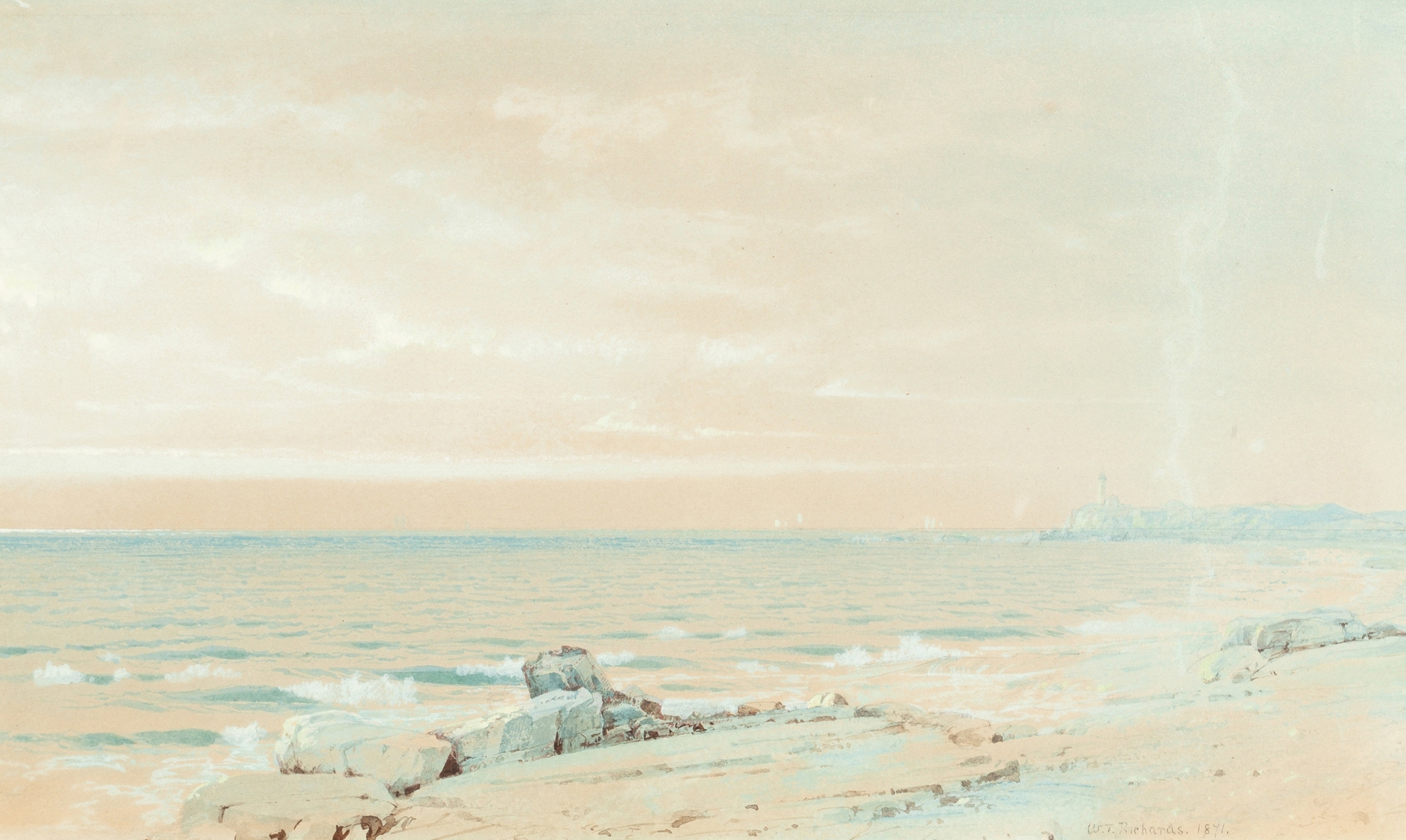
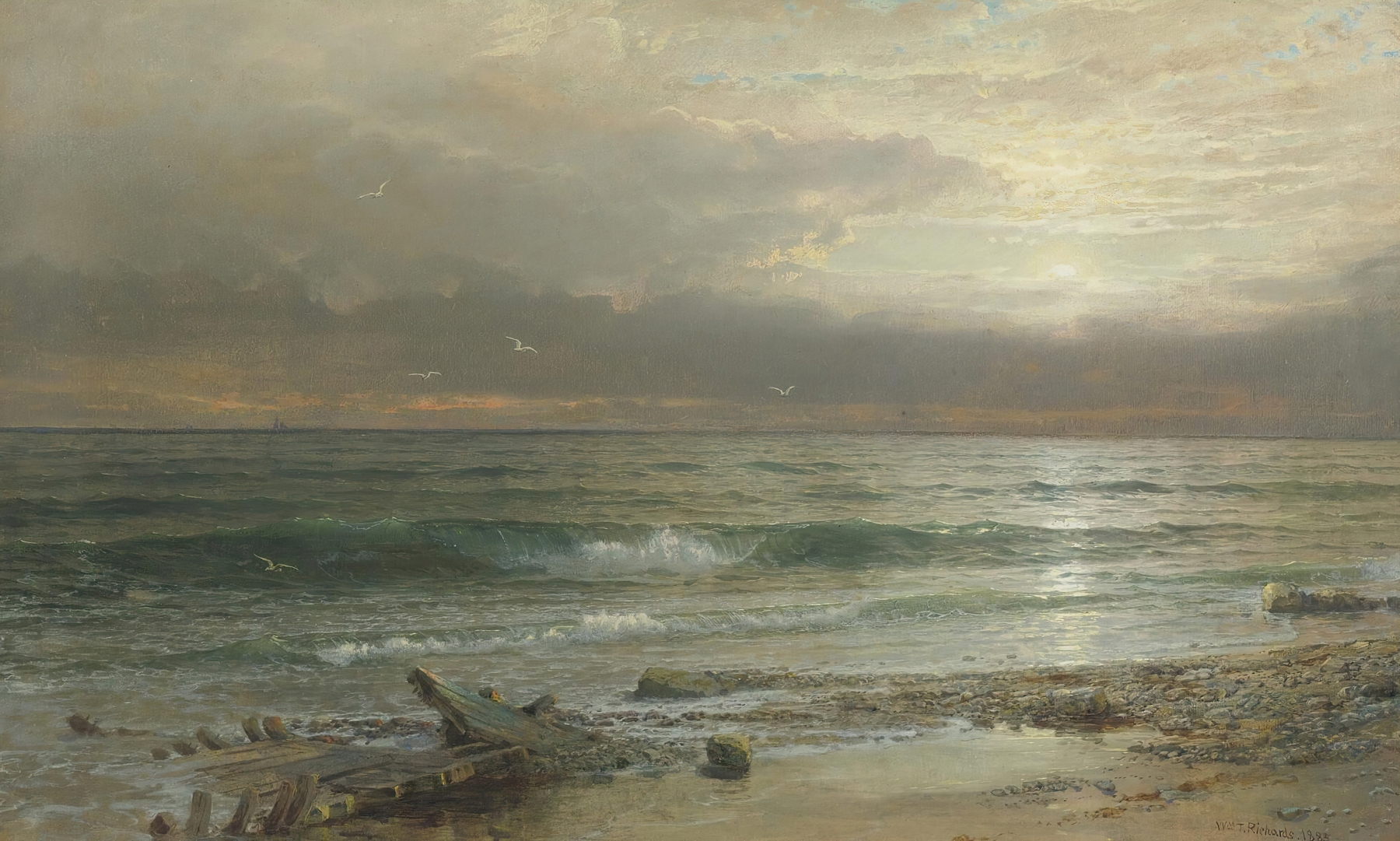
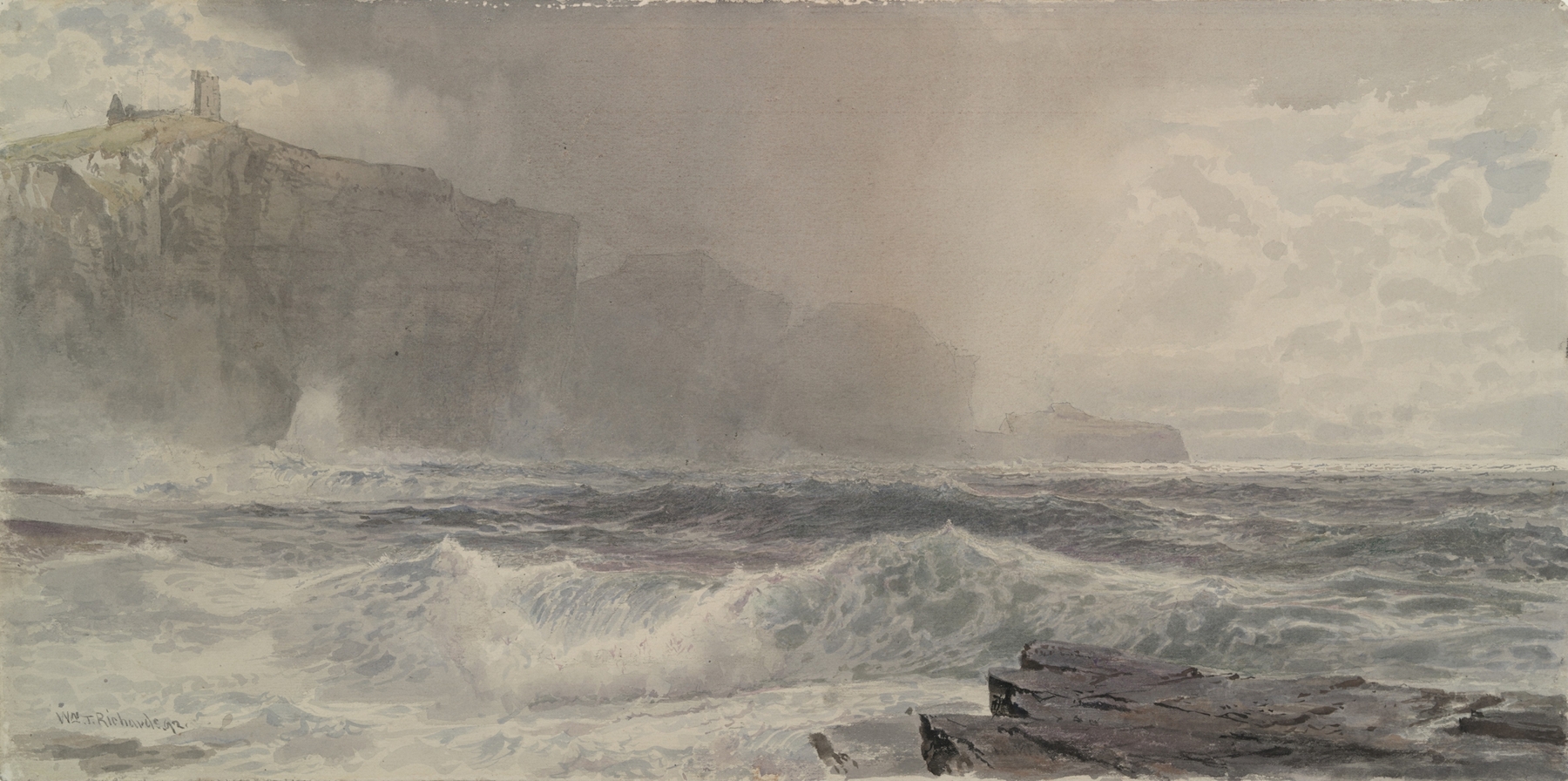
“Under the brush, chaos becomes grace.” In Crashing Waves, destiny unravels in a dance of tumult and tranquility, inviting viewers into a world where nature's fury interweaves with sublime beauty. Look to the foreground first, where frothy waves tumble and crash against the jagged rocks, each crest glistening with luminescent whites and blues. Notice how the artist captures the chaotic energy of the sea, utilizing thick, dynamic brushstrokes that convey both movement and force. The palette shifts from deep, moody greens to bright turquoise, invoking the restless spirit of the ocean.
The stark contrast between the ferocity of the elements and the delicate warmth of the sunlight peeking through the clouds creates an arresting visual dialogue. In this work, the crashing waves symbolize the tumultuous forces of life, while the steadfast rocks represent resilience and permanence. The interplay of light and shadow mirrors the duality of chaos and calm, reflecting the artist's exploration of nature's unpredictable yet harmonious rhythms.
Each detail, from the droplets of water flung into the air to the soft clouds above, serves as a reminder of the delicate balance between destruction and creation, urging viewers to reflect on their own journeys. In 1895, during a time of remarkable transformation in American art, Richards painted this piece in Pennsylvania, where he had established himself as a leading figure in the landscape genre. His dedication to capturing the sublime power of nature mirrored the broader artistic movements in the United States, which were increasingly focused on the relationship between humanity and the natural world.