Sunset on Mount Chocorua, New Hampshire — History & Analysis
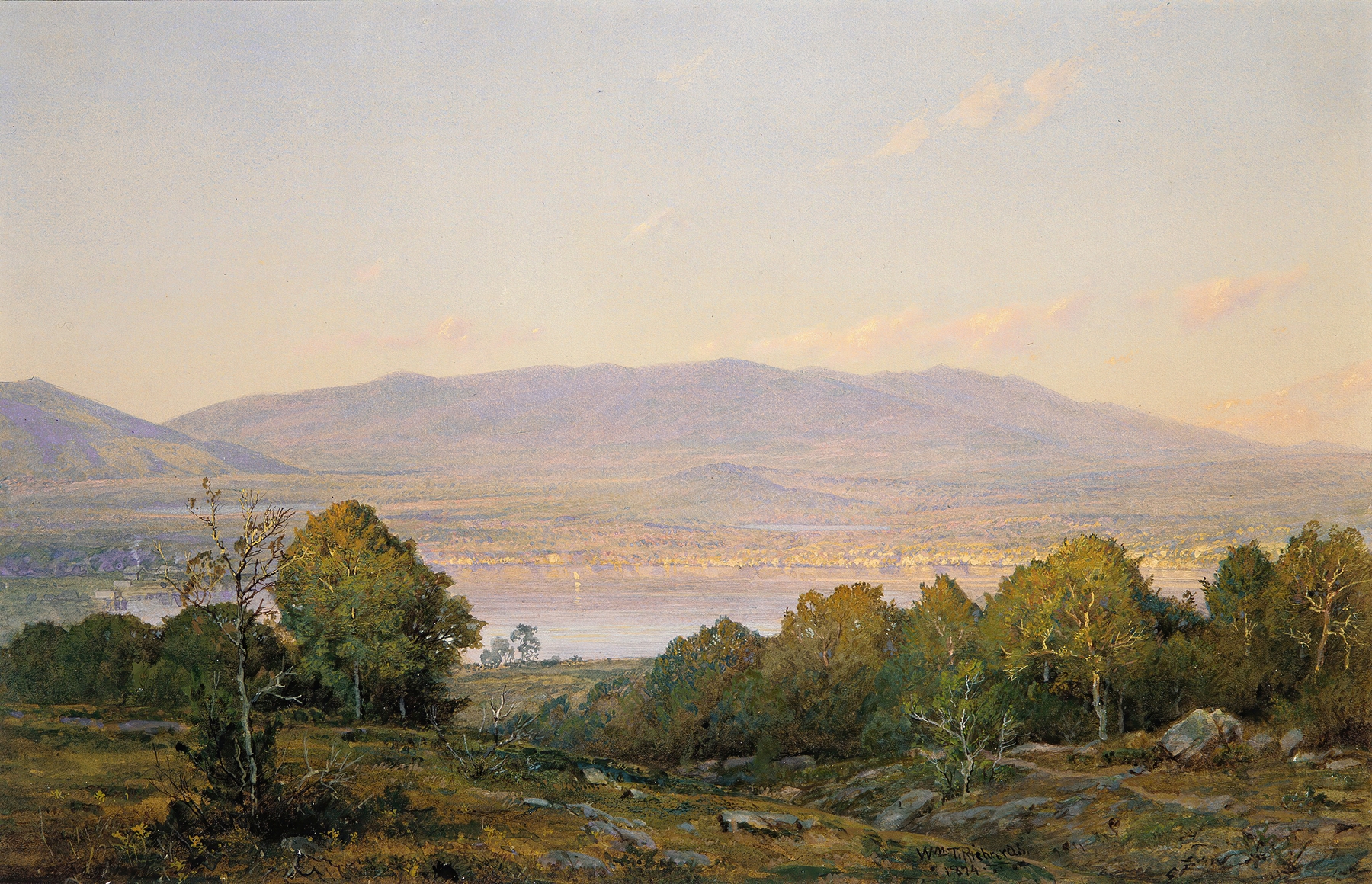
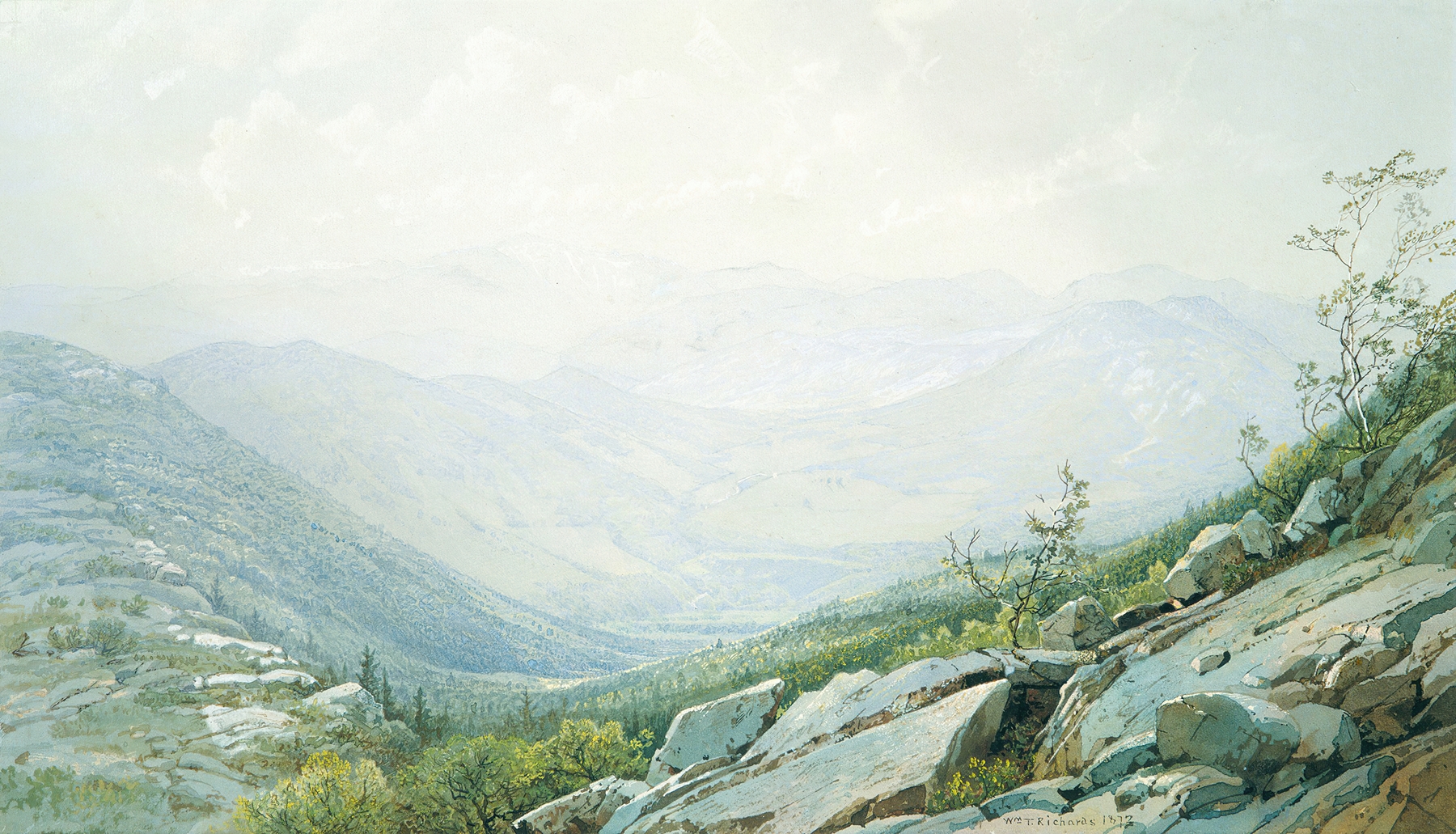
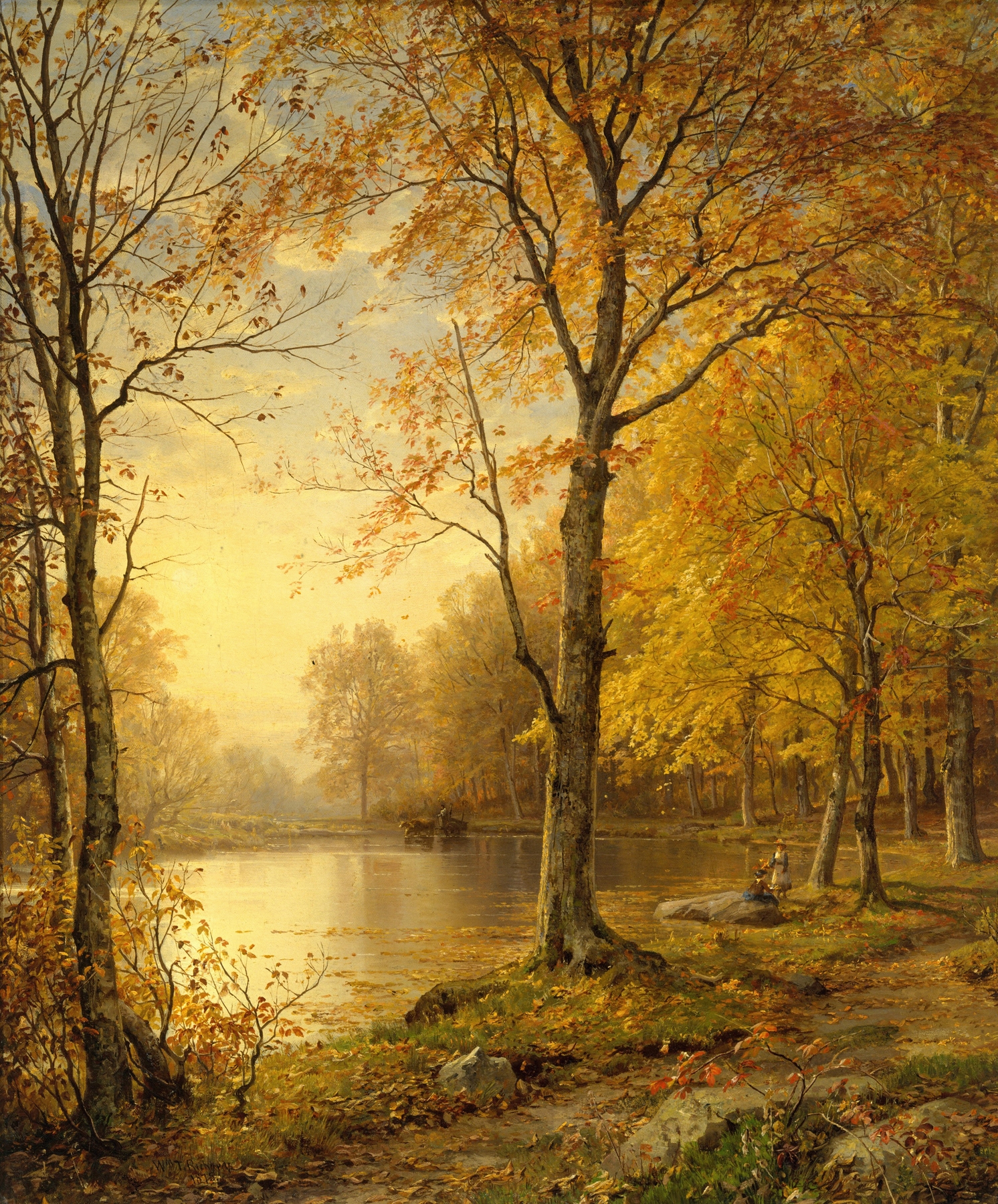
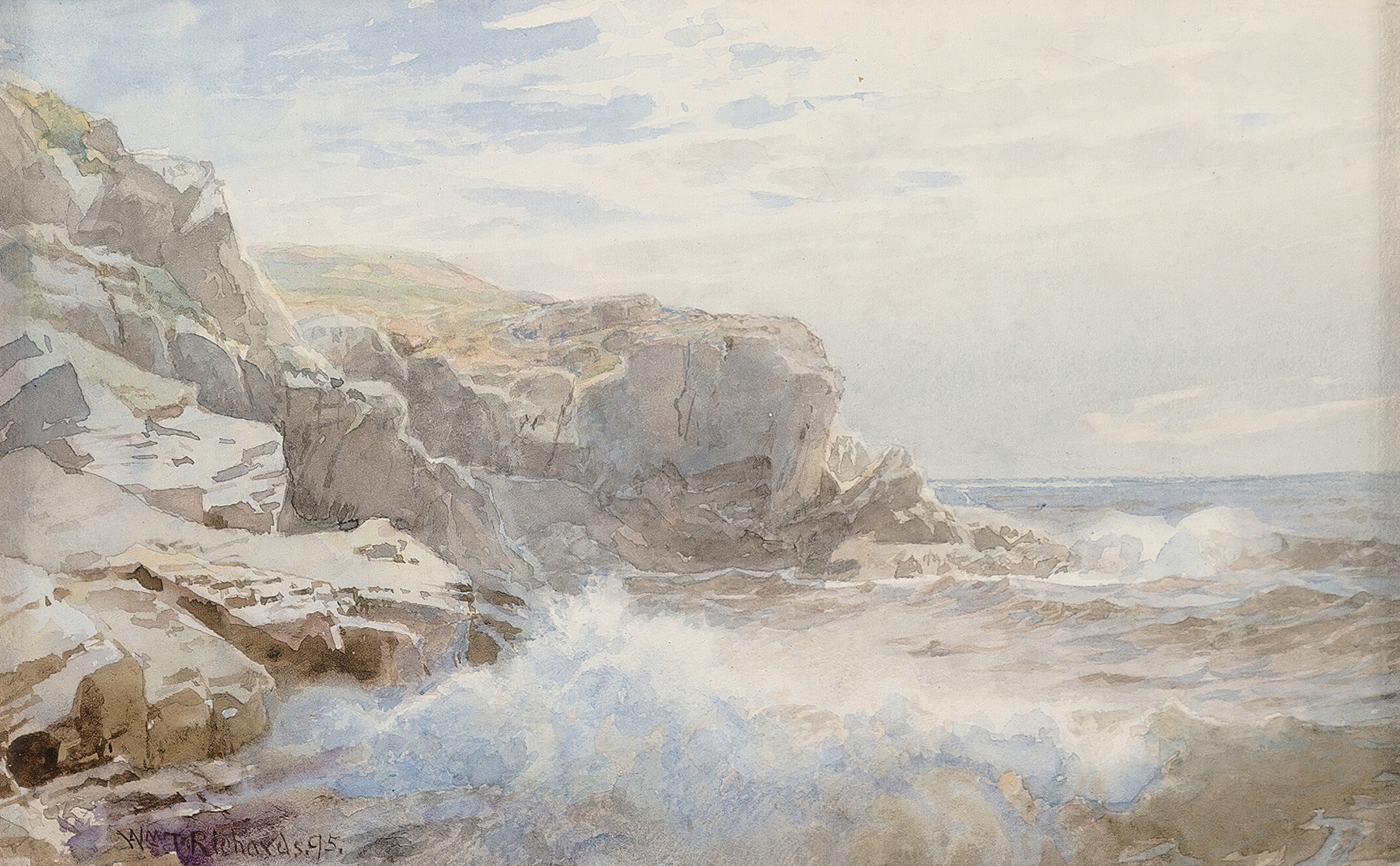
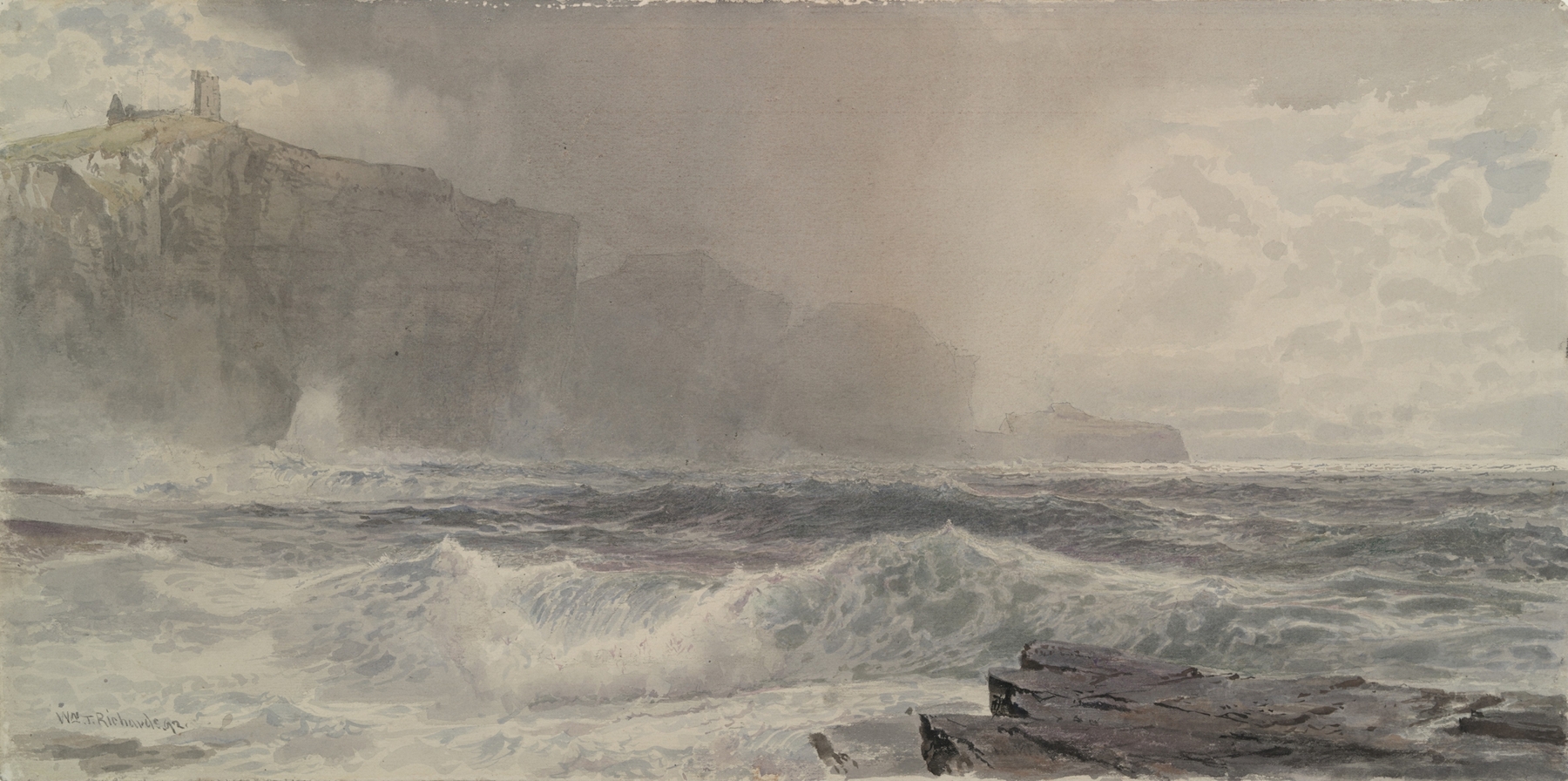
Could a single brushstroke hold eternity? In Sunset on Mount Chocorua, the fleeting beauty of nature is captured, awakening a sense of wonder that resonates through time. Look to the horizon where the sun's fiery glow spills across the canvas, igniting the mountain's silhouette with warm hues of orange and gold. Notice how the artist employs soft, layered brushstrokes to render the clouds, creating a dynamic interplay of light and shadow, which invites the eye to wander across the canvas.
The water below reflects this celestial dance, forming a shimmering pathway that leads us deeper into the scene, suggesting a journey both physical and spiritual. Delve into the contrasts presented in this artwork. The tranquility of the lake is juxtaposed with the dramatic, towering presence of Mount Chocorua, evoking a tension between serenity and awe. The meticulous detail in the foreground foliage suggests life and vitality, while the distant mist hints at the mysteries beyond the visible.
This duality reflects nature's ever-changing essence, where beauty and chaos coexist, awakening the viewer to a deeper appreciation of the natural world. In 1872, amid a burgeoning American landscape painting movement, William Trost Richards created this piece during a time when artists began to turn their gaze toward the sublime beauty of the American wilderness. Living in Pennsylvania, he was influenced by the Hudson River School's emphasis on naturalism and light, striving to convey a sense of place that echoed the reverence for nature found in his contemporaries' works.