Point Judith — History & Analysis
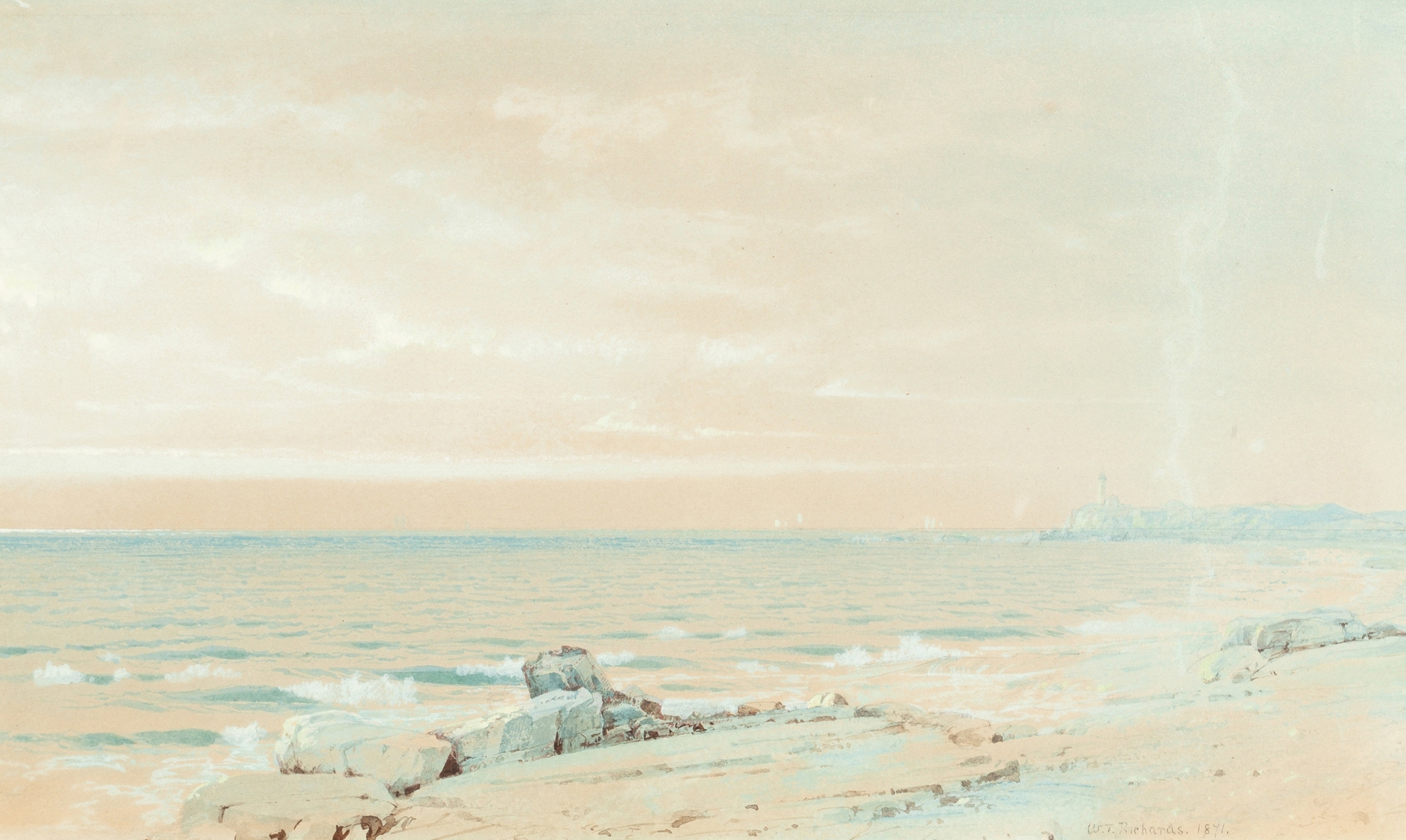
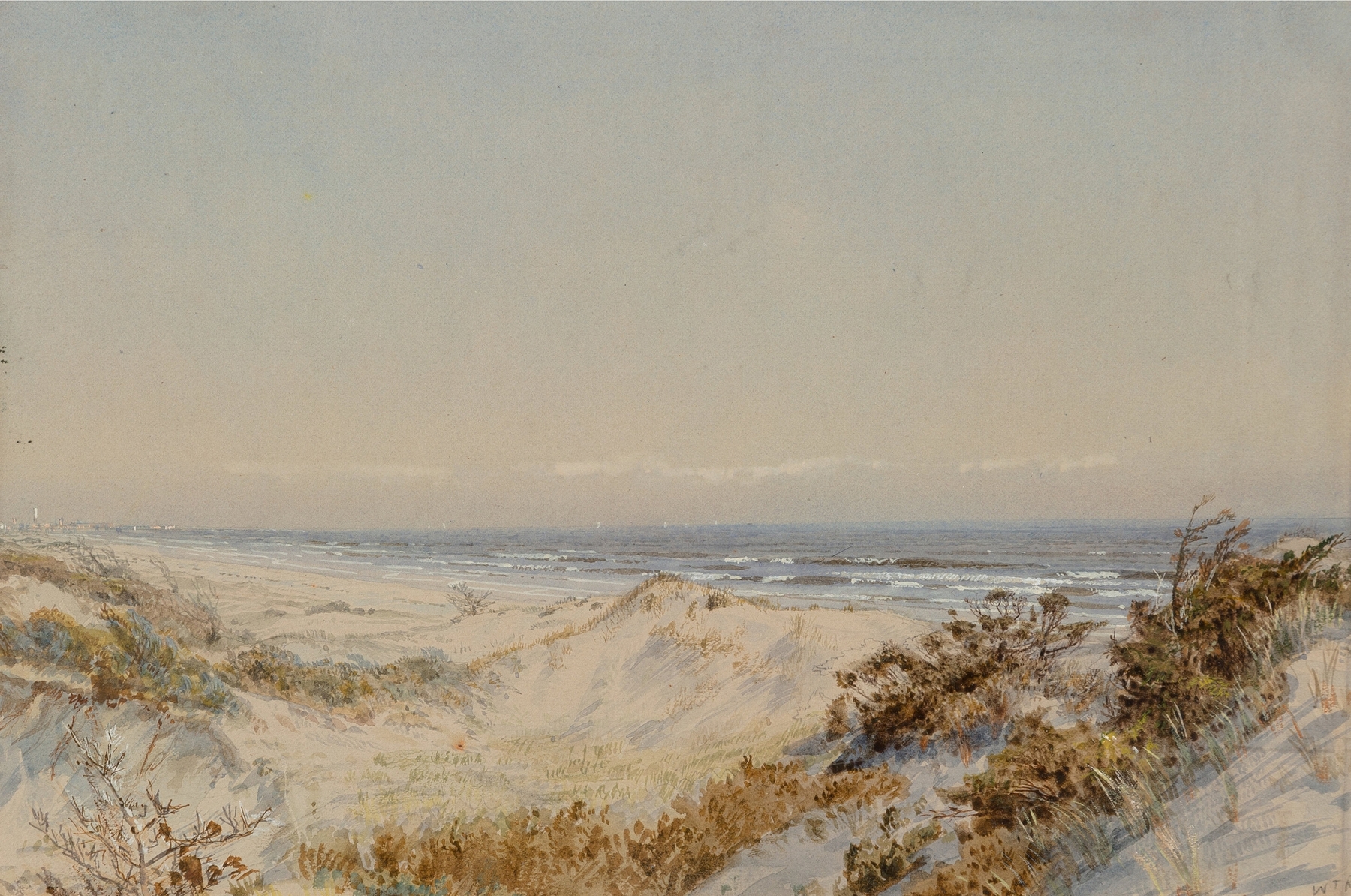
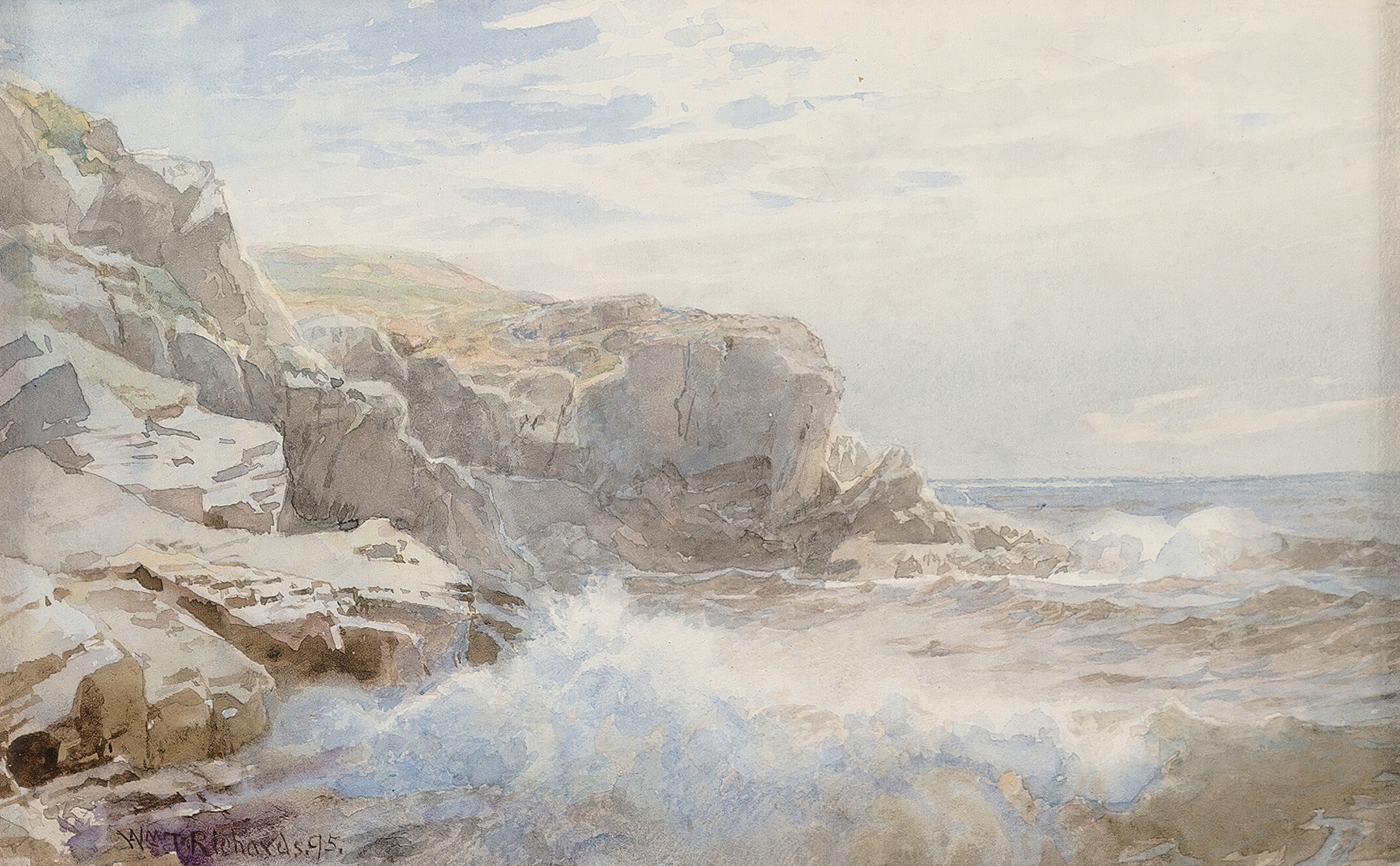
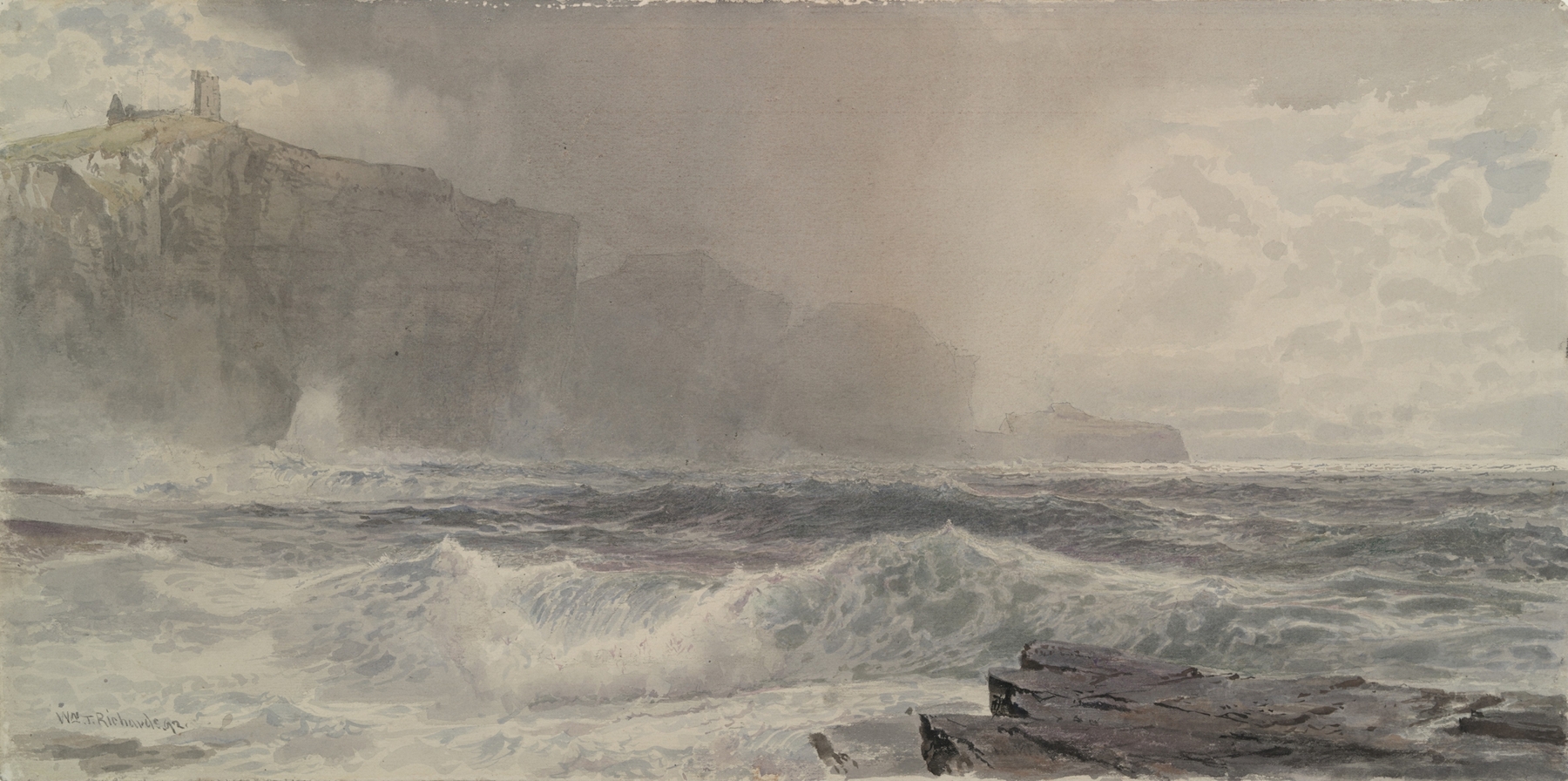
When did color learn to lie? In Point Judith, the interplay of light and shadow whispers truths about nature's divinity, challenging our perceptions with every brushstroke. Focus on the horizon, where the golden hues of dusk bleed into the tranquil water, creating a seamless blend of earth and sky. Notice how the clouds are tinged with soft pinks, their billowing forms echoing the gentle waves below.
The artist’s meticulous attention to detail reveals both the serenity and the tumult of the ocean, while the foreground provides a grounding contrast with rugged rocks embedded in the shore. The painting encapsulates a tension between the sublime beauty of nature and the underlying chaos of its forces. Each wave, with its frothy crest, suggests movement and life, while the distant lighthouse stands stoically, a beacon of hope amidst uncertainty.
This juxtaposition evokes a spiritual reflection; the viewer can sense both the majesty and the fragility of the world around us, capturing a moment that is at once tranquil and tumultuous. William Trost Richards painted Point Judith in 1885 during a period when he was deeply engaged with the natural world and the burgeoning American landscape painting movement. Living in Pennsylvania yet frequently traveling to coastal scenes, his work during this time reflects a keen interest in plein air techniques and the exploration of light, responding to the broader artistic shift towards realism and an appreciation for the divine in the everyday landscape.