Dunes Near Atlantic City — History & Analysis
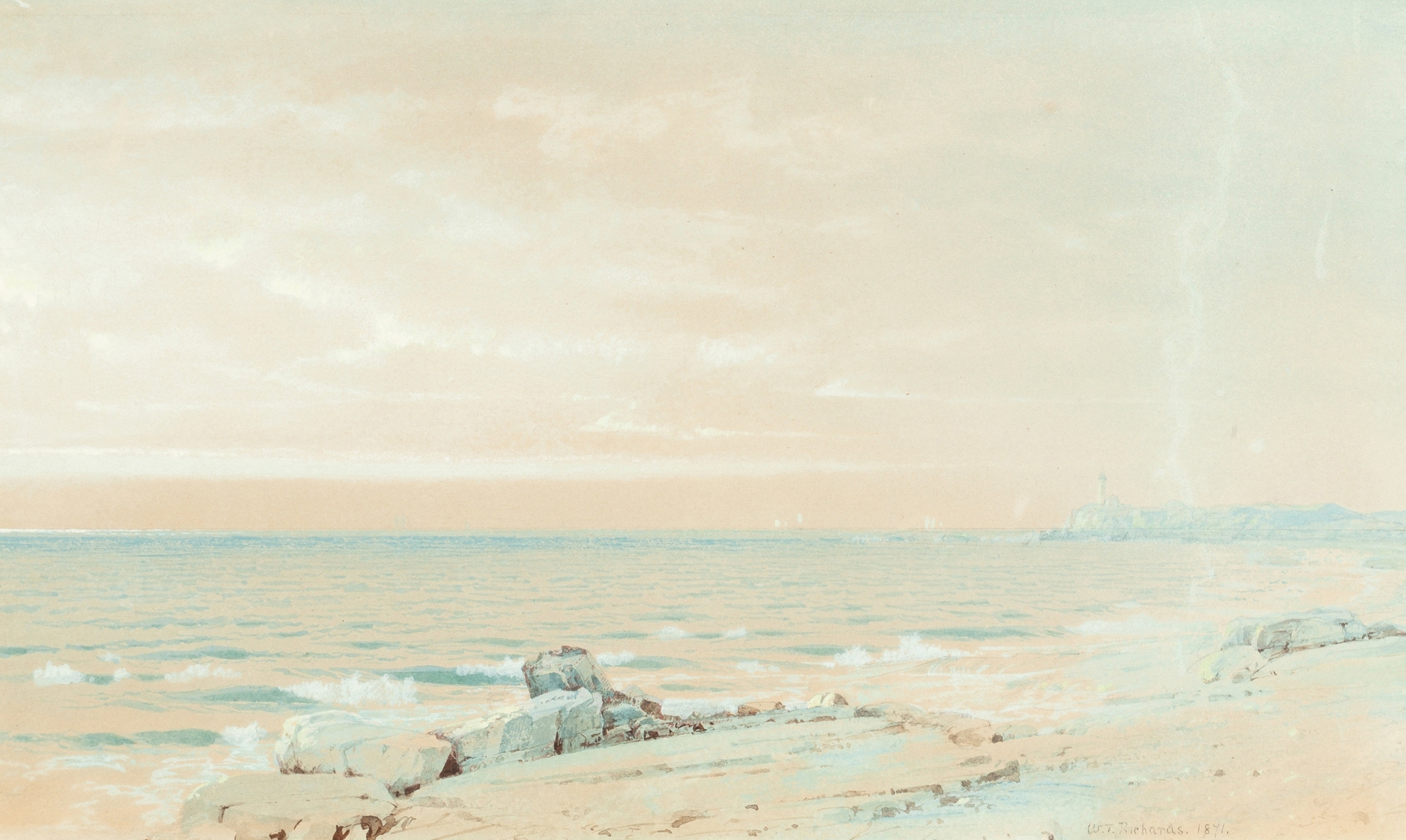
Is this a mirror — or a memory? The vast expanse of sand stretches before you, offering a poignant silence that invites introspection and echoes forgotten moments. Look to the foreground, where the intricacies of the dune’s ripple draw your eye, the soft, warm hues contrasting with the cool blues of the distant sky. Notice how the light dances across the grains, each shadow and highlight revealing the delicate texture of the landscape. The composition leads your gaze upward, where wisps of cloud drift lazily, hinting at the vastness beyond this tranquil scene.
The artist’s mastery of color creates a harmony, evoking both the serenity of the moment and the weight of solitude. As you explore deeper, the emptiness becomes more profound. The absence of figures suggests a world untouched, a quiet contemplation of nature’s grandeur and transience. This isolation speaks to a sense of longing, perhaps a reflection of the artist's own emotional state.
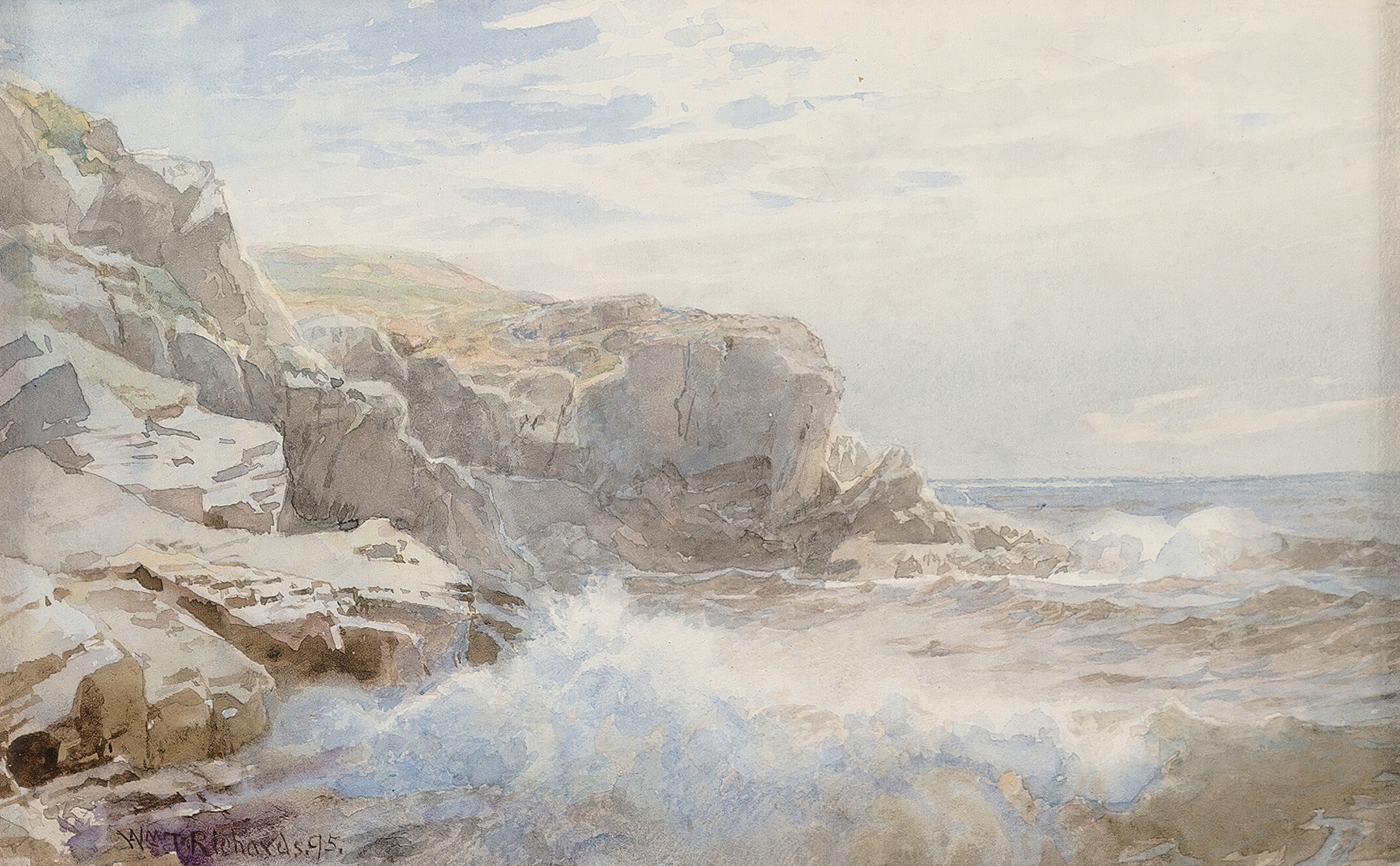
The panoramic view contrasts with the intimacy of the dunes, embodying the tension between vastness and personal introspection. William Trost Richards painted this work in 1895, a time when the American art scene was transitioning, embracing realism while echoing the Romanticism of previous generations. Working in Atlantic City, he found inspiration in the natural beauty surrounding him, a stark contrast to the industrial advancements of the period. This painting embodies his commitment to capturing the essence of the American landscape at a time when such untouched vistas were becoming increasingly rare.