Breaking Waves — History & Analysis
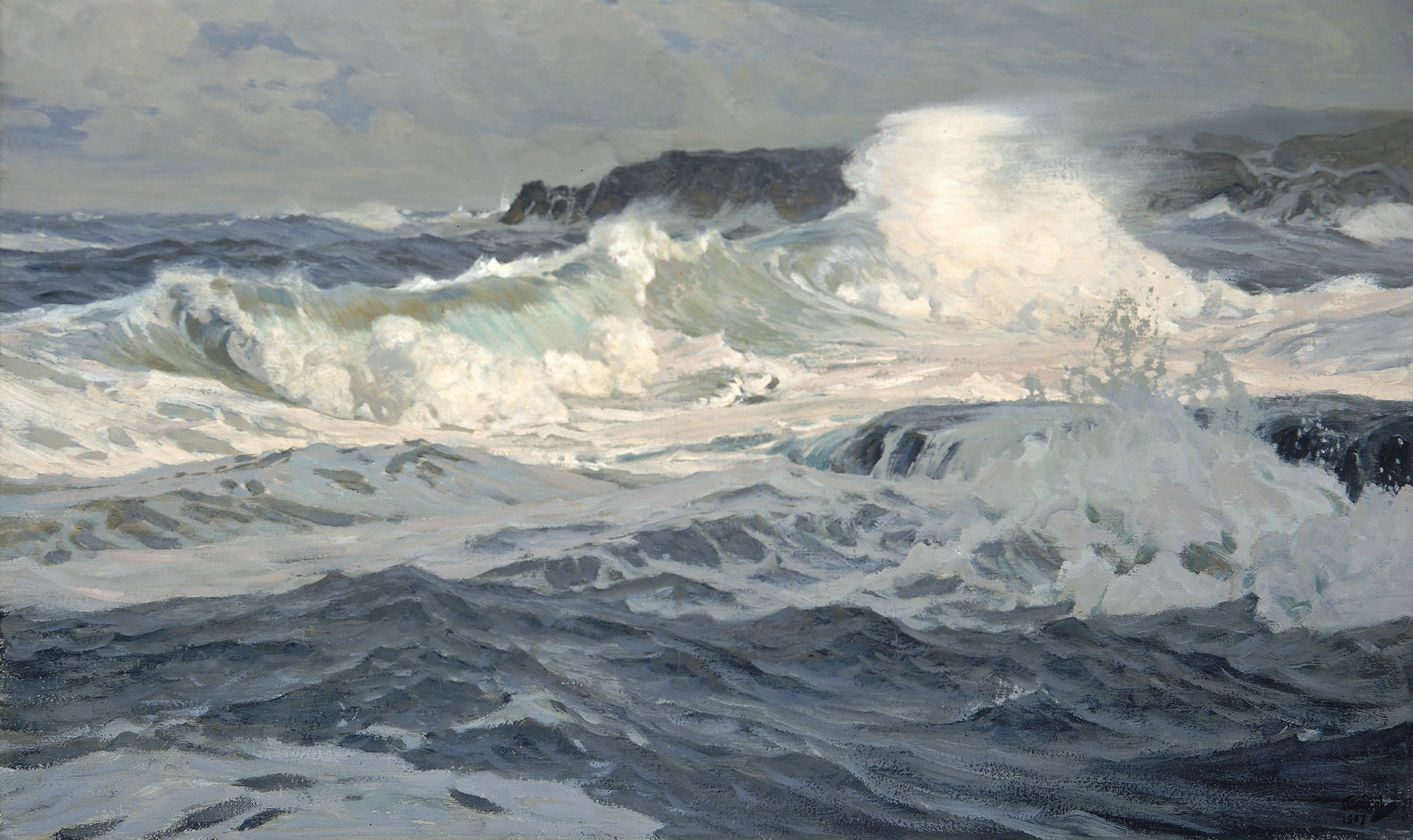
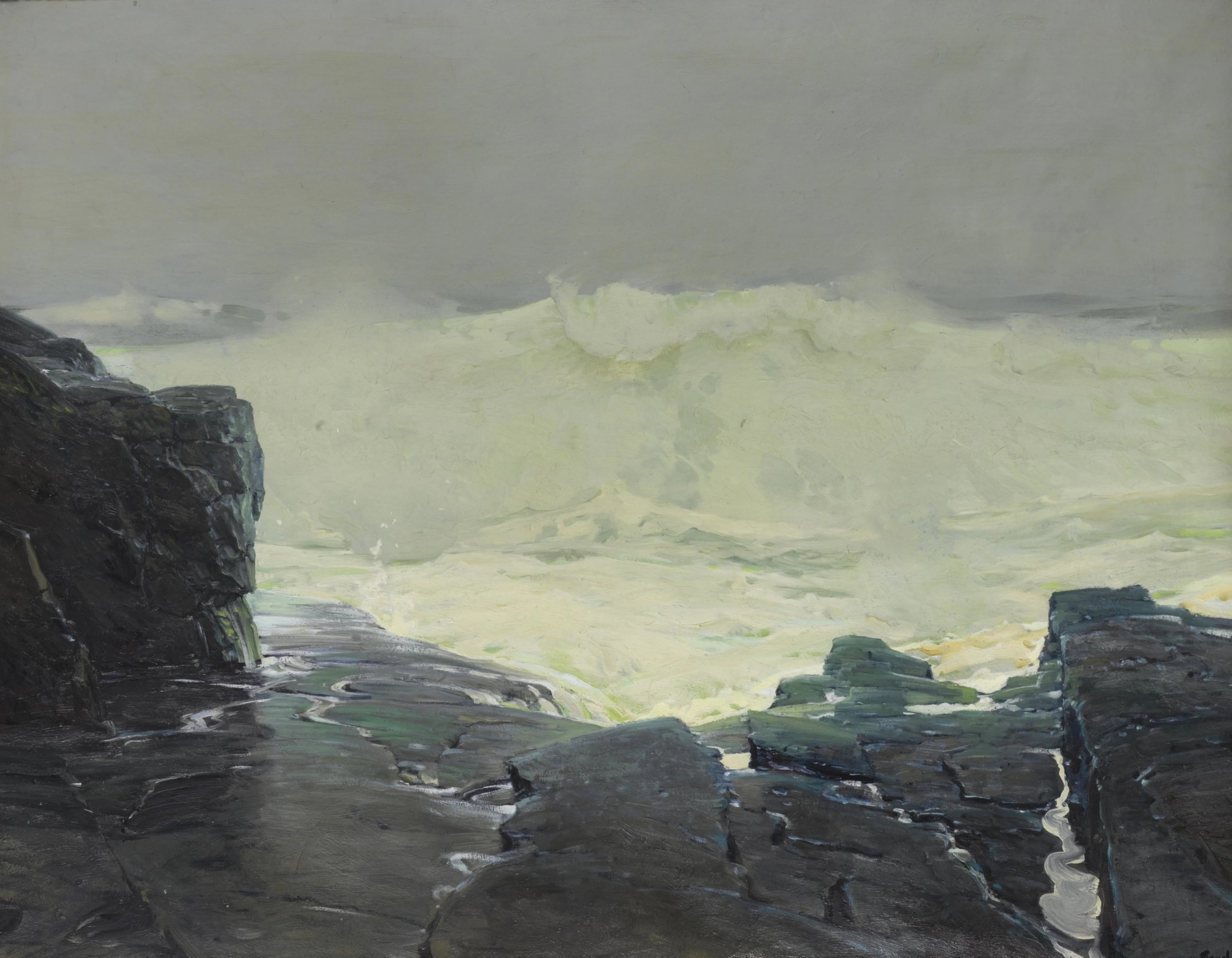
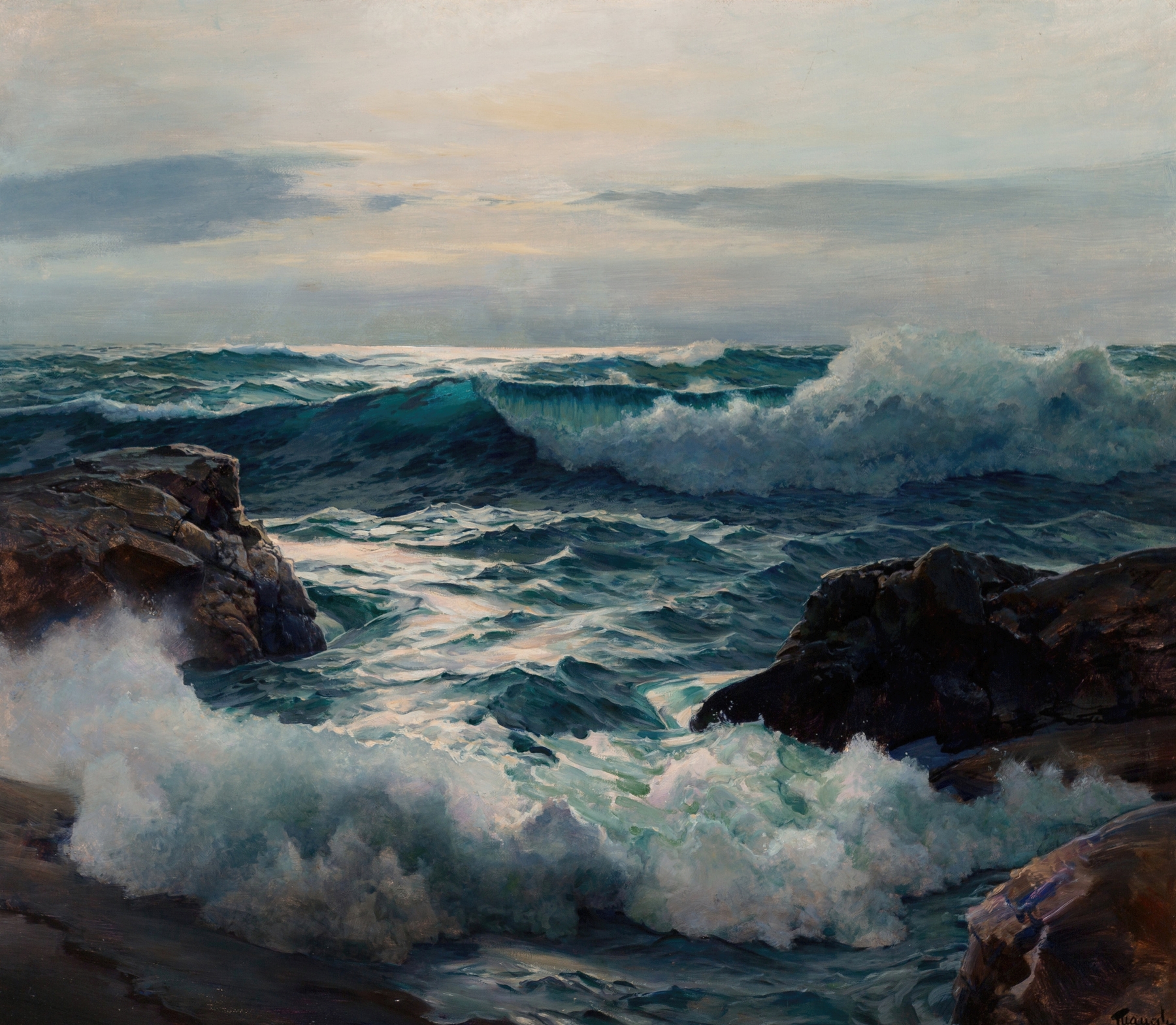
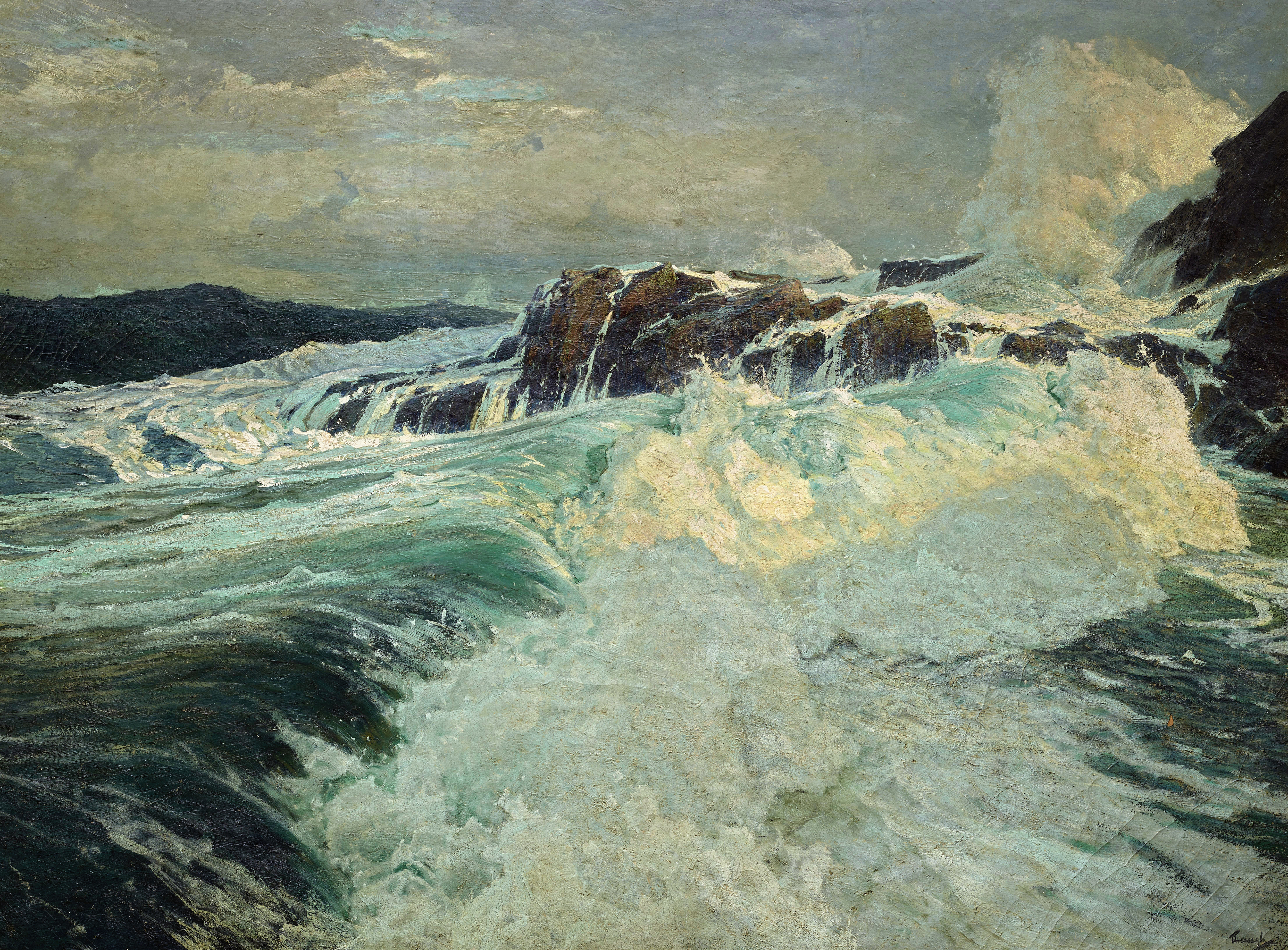
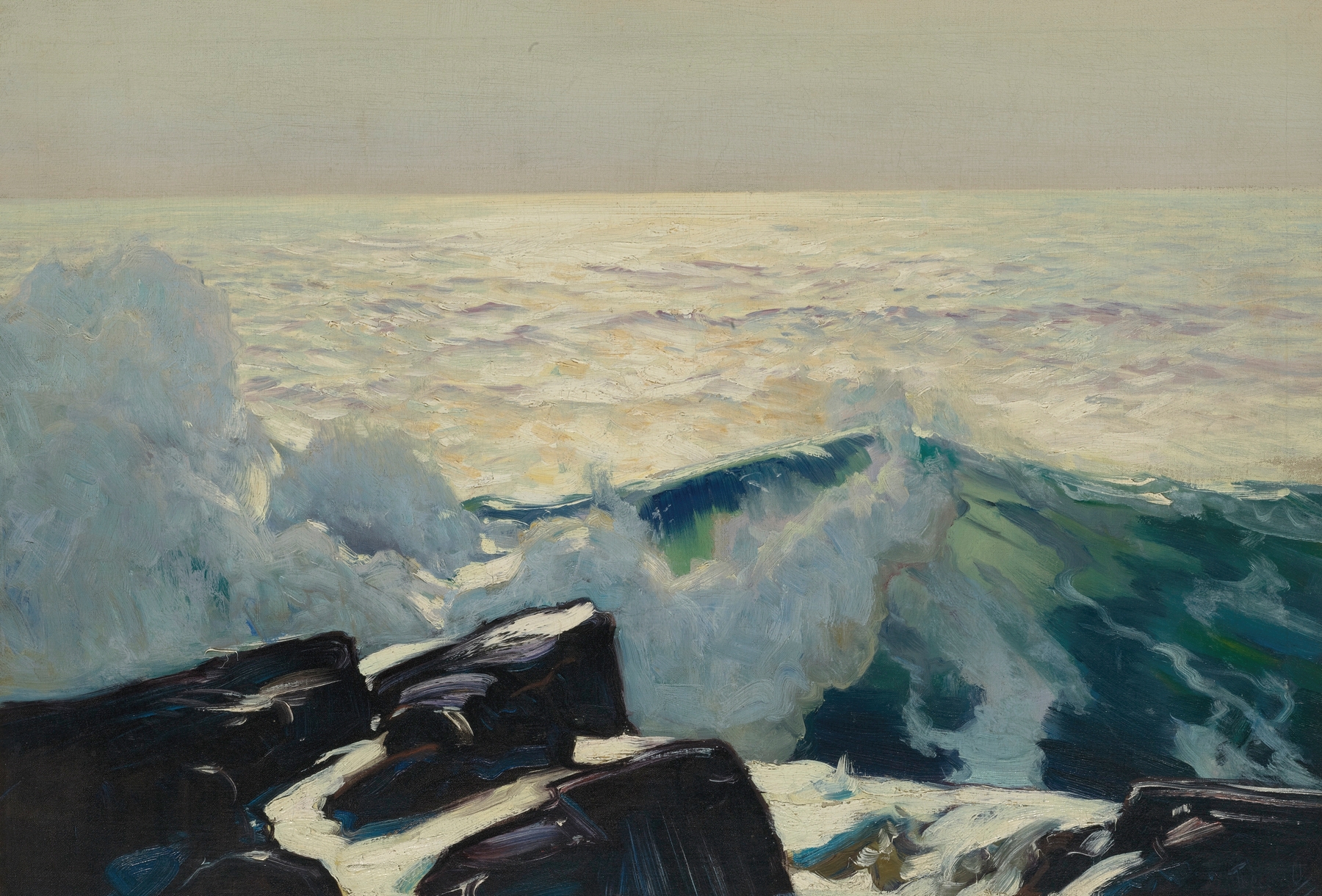
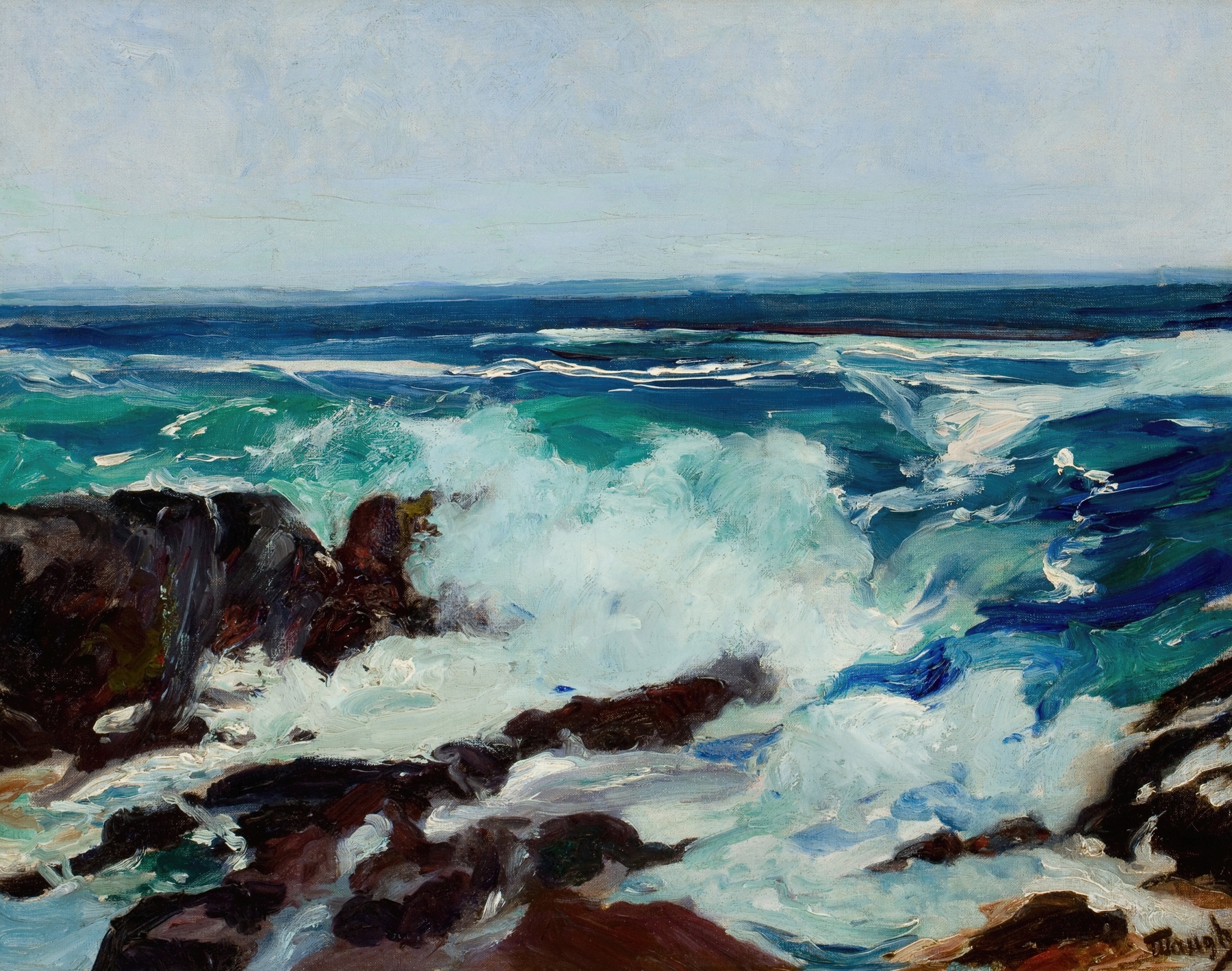
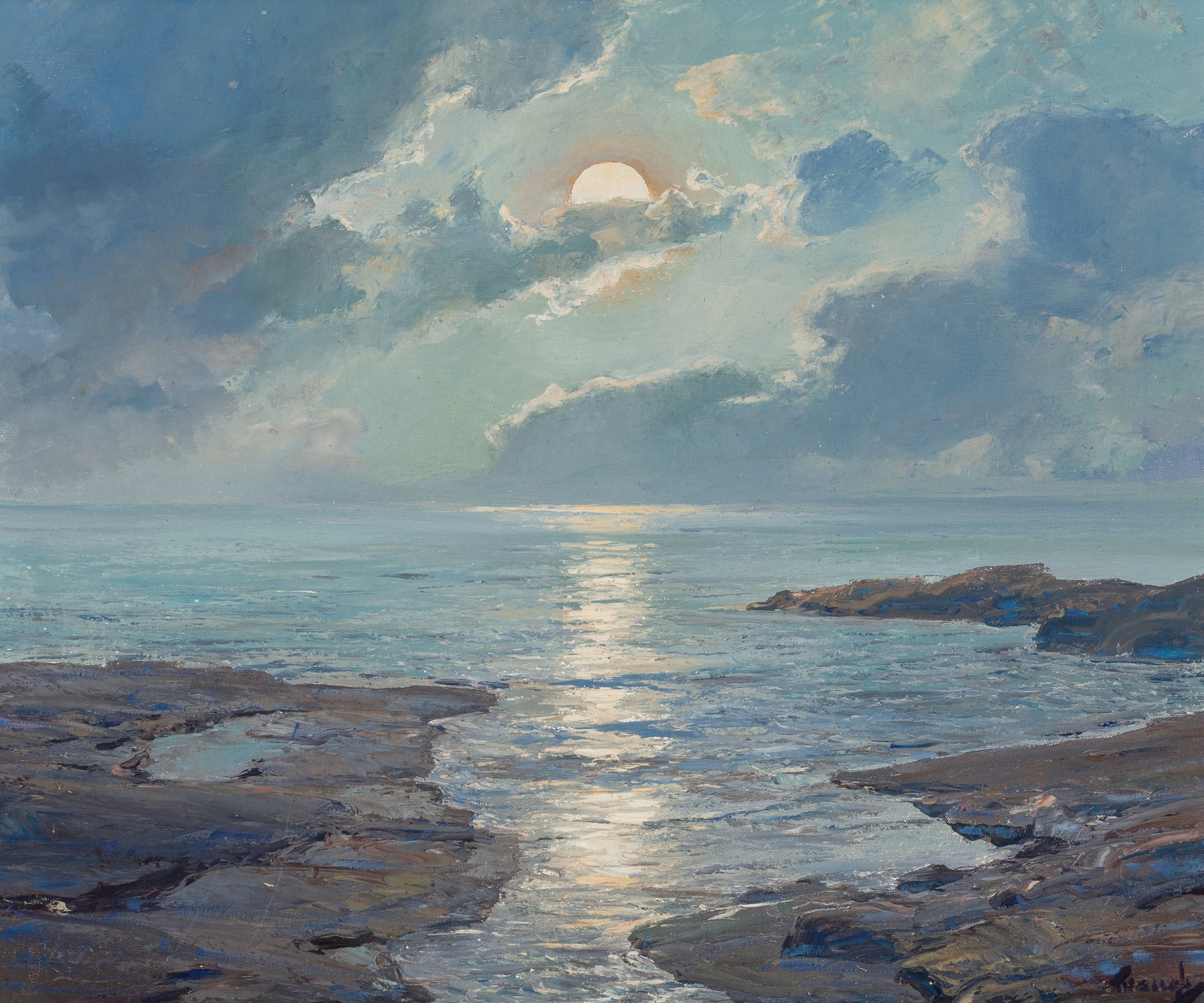
What secret hides in the quiet of the canvas? Beneath the tumultuous surface of the sea, a delicate fragility churns, a reminder of nature’s duality: beauty intertwined with chaos. Look to the center where the waves break, their foamy crests captured in a moment of violent yet graceful ascent. The artist employs a palette of vibrant blues and greens, which dance against the muted earth tones of the shore, creating a stark contrast that draws the eye.
Notice how the light seemingly interacts with the water, illuminating the translucent shadows that hint at the depths below, inviting contemplation of both the seen and the unseen. The tension between strength and vulnerability resonates deeply within this composition. Each crashing wave represents a powerful force of nature, yet the fleeting foam highlights an ephemeral beauty, suggesting that even the mightiest moments are transient. This duality evokes emotions of awe and humility, reminding viewers of the fragility of existence in the face of nature’s grandeur.
Frederick Judd Waugh painted this piece during an era when marine art was gaining renewed interest, particularly in the early 20th century. His dedication to capturing the ocean’s dynamic essence reflected his personal experiences as a sailor and coastal dweller. At this time, Waugh was exploring the complexities of light and form, positioning himself as a key figure in American marine painting.