Rocky Coast And Sea — History & Analysis
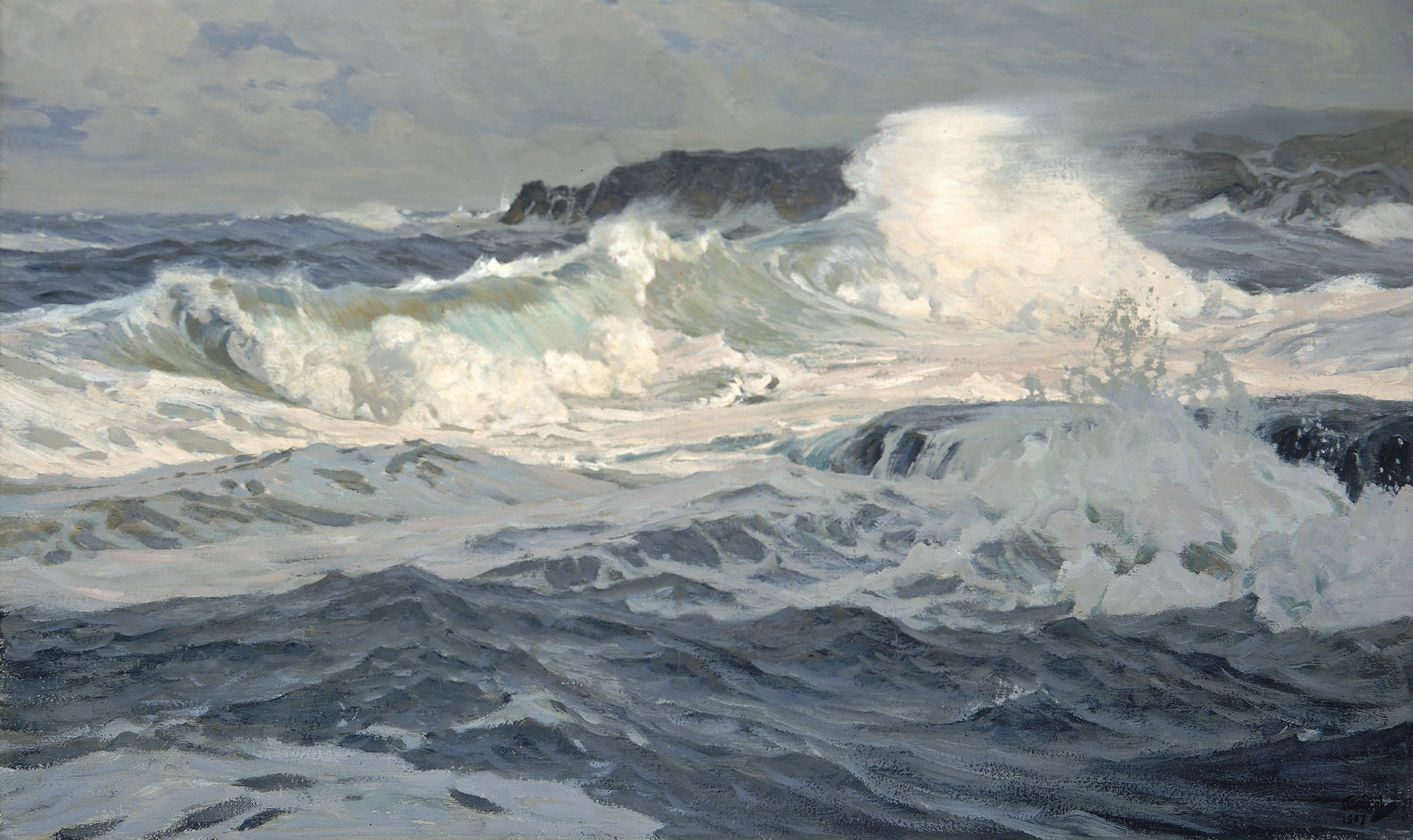
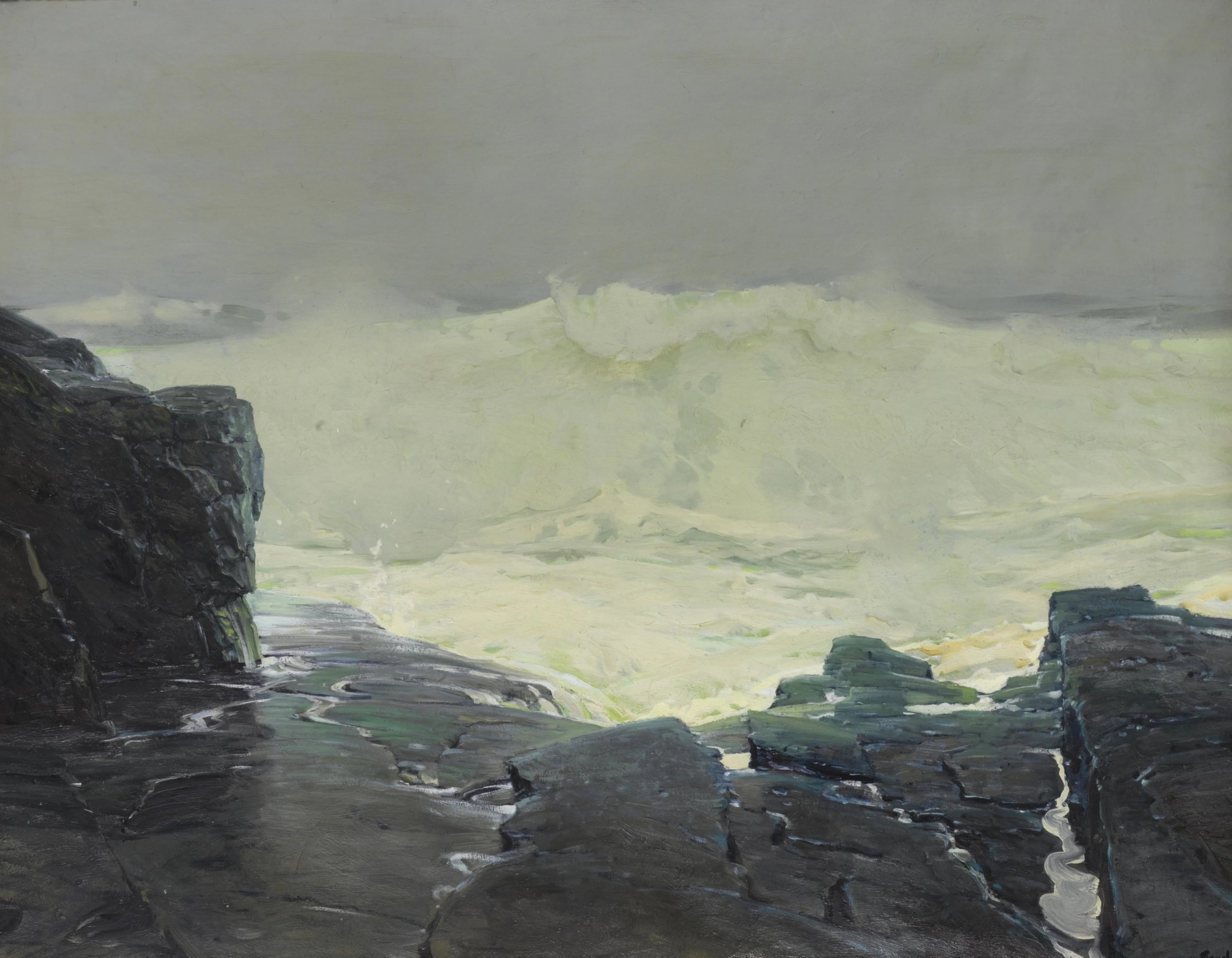
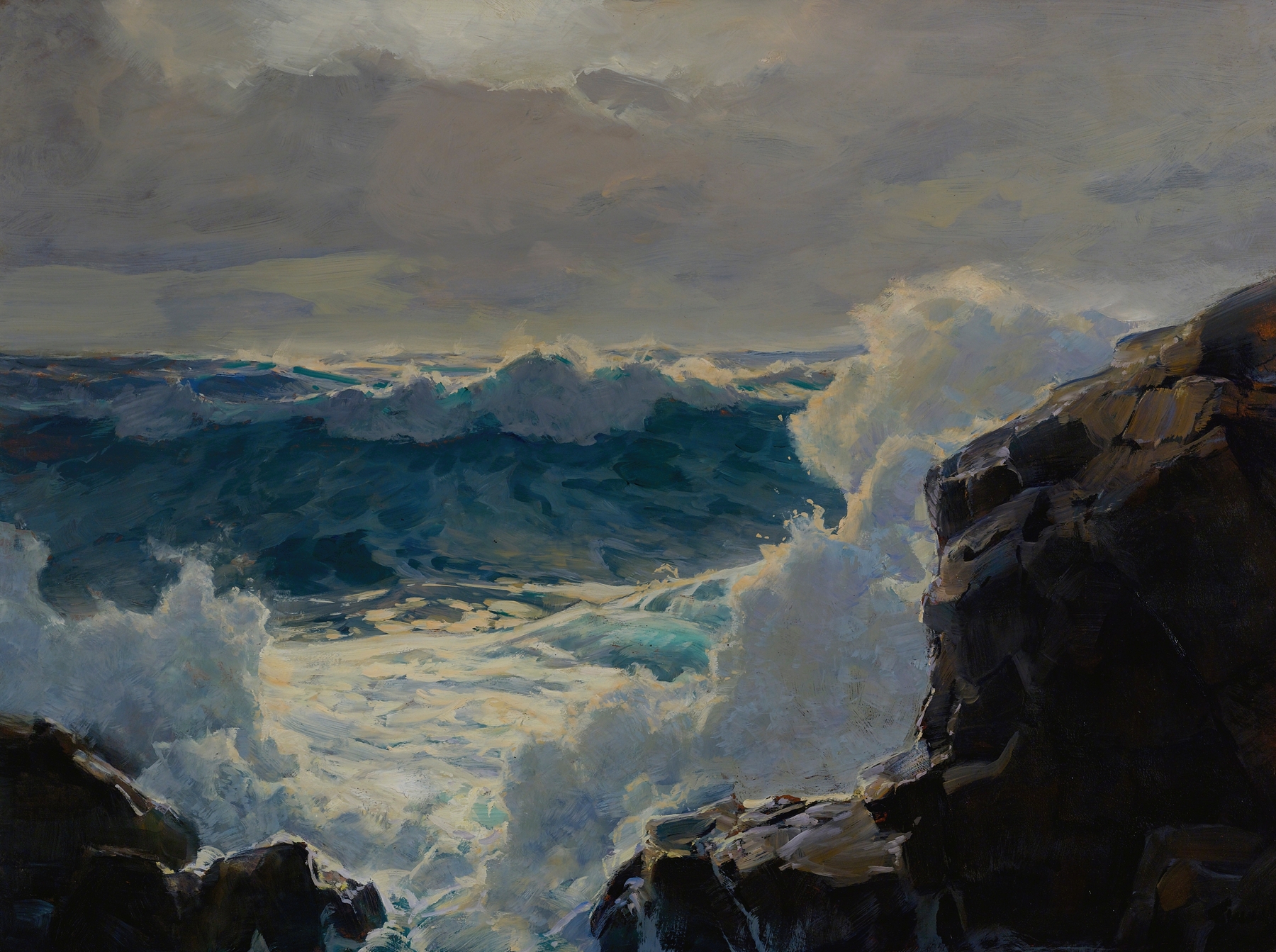
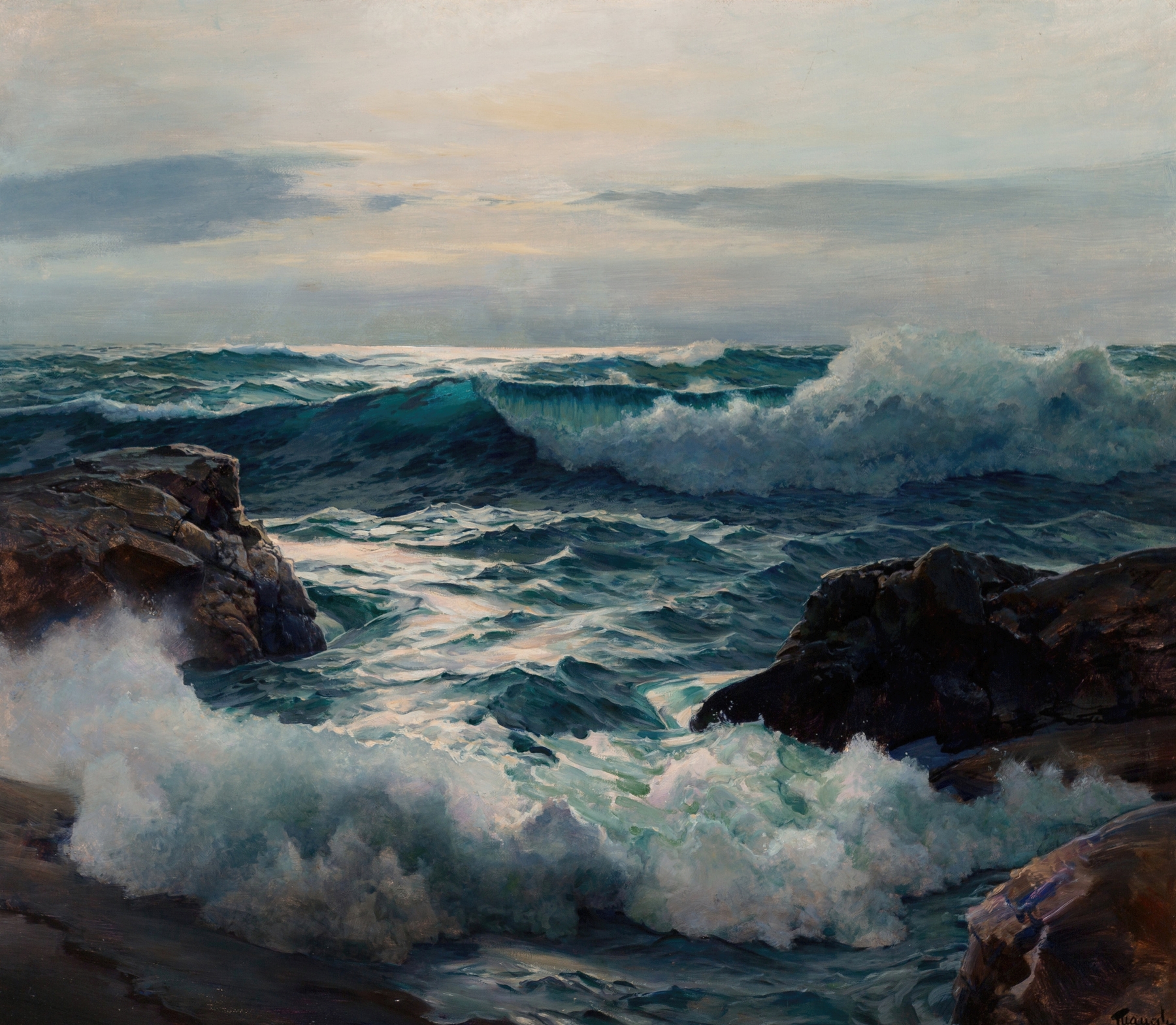
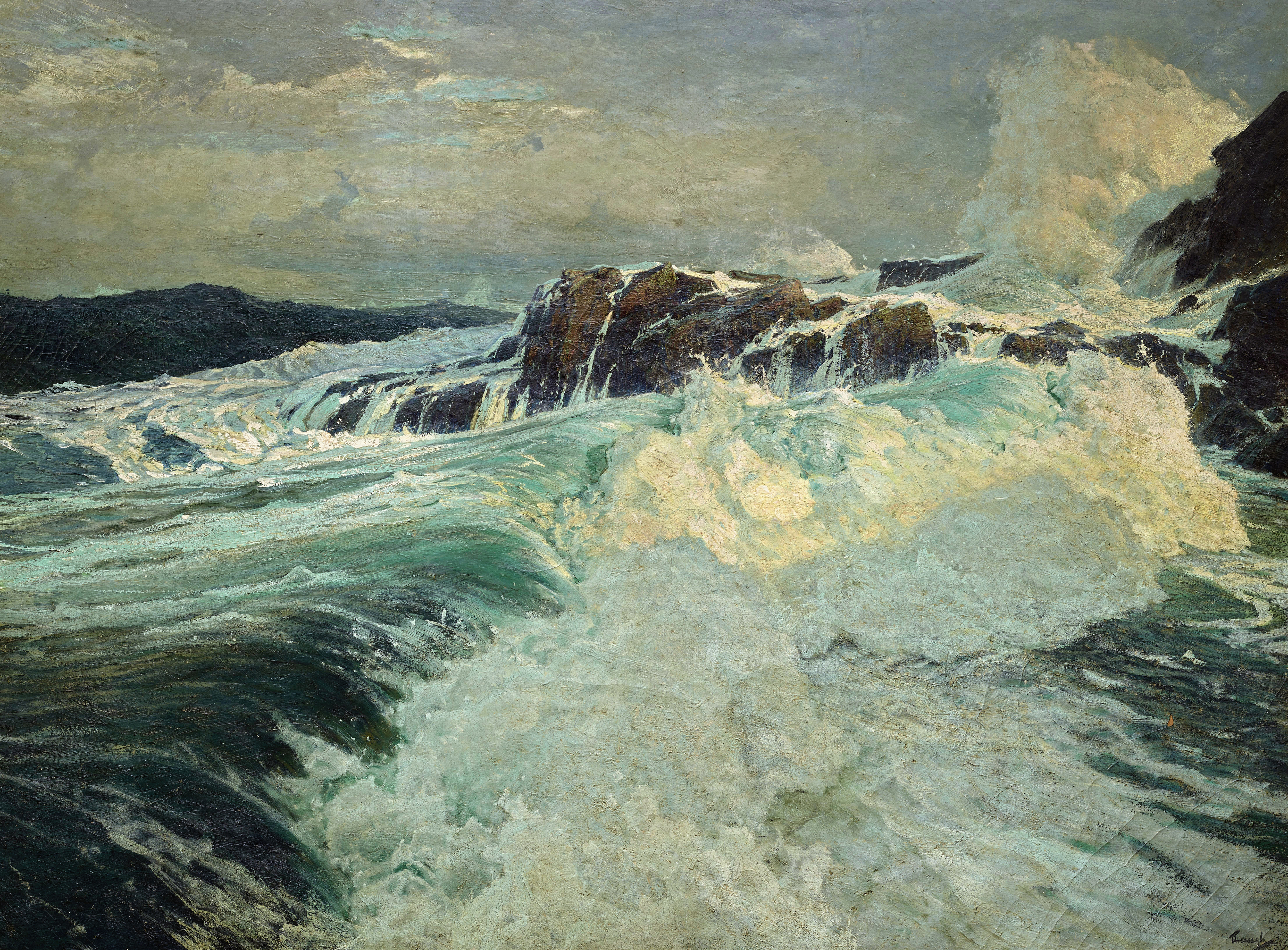
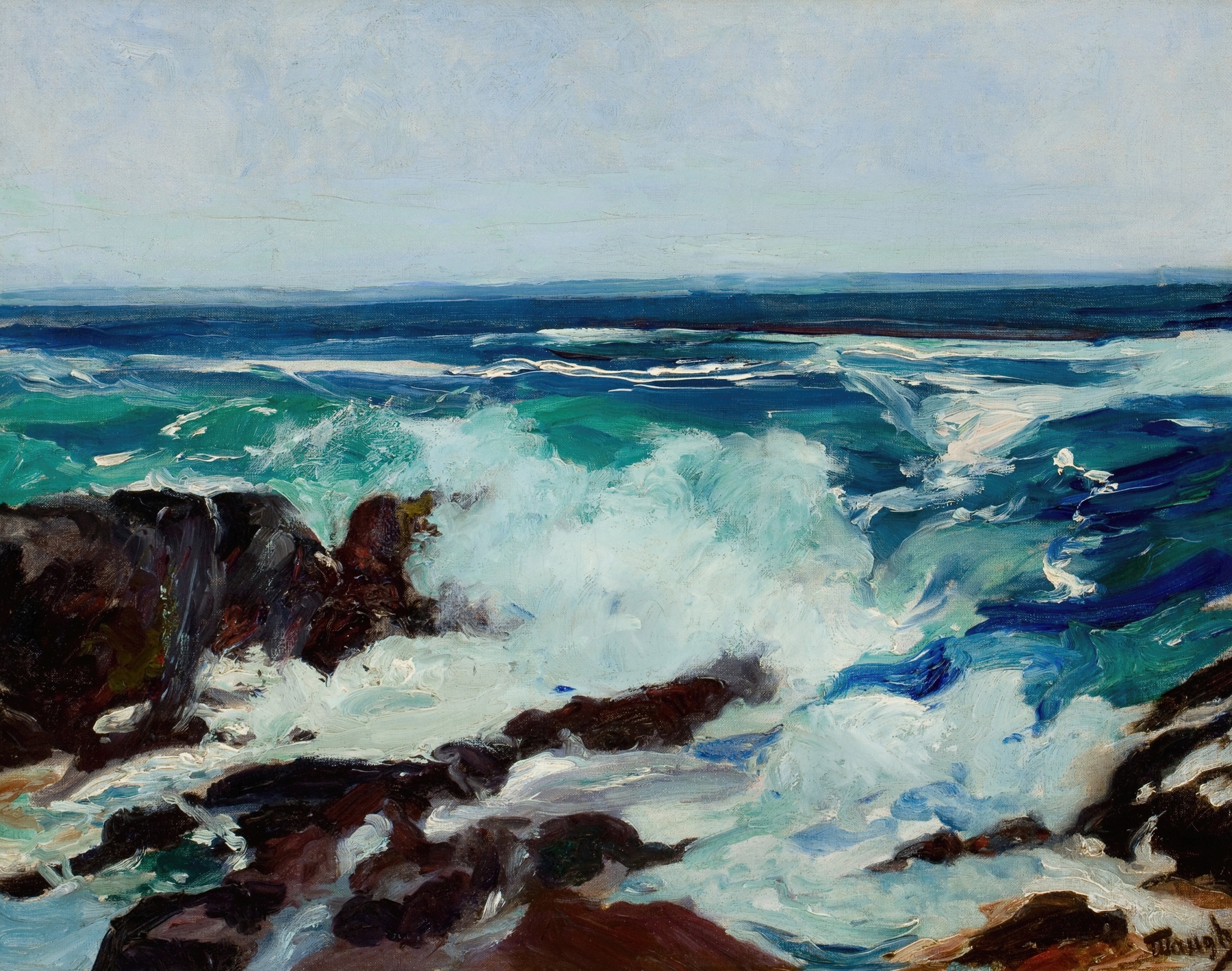
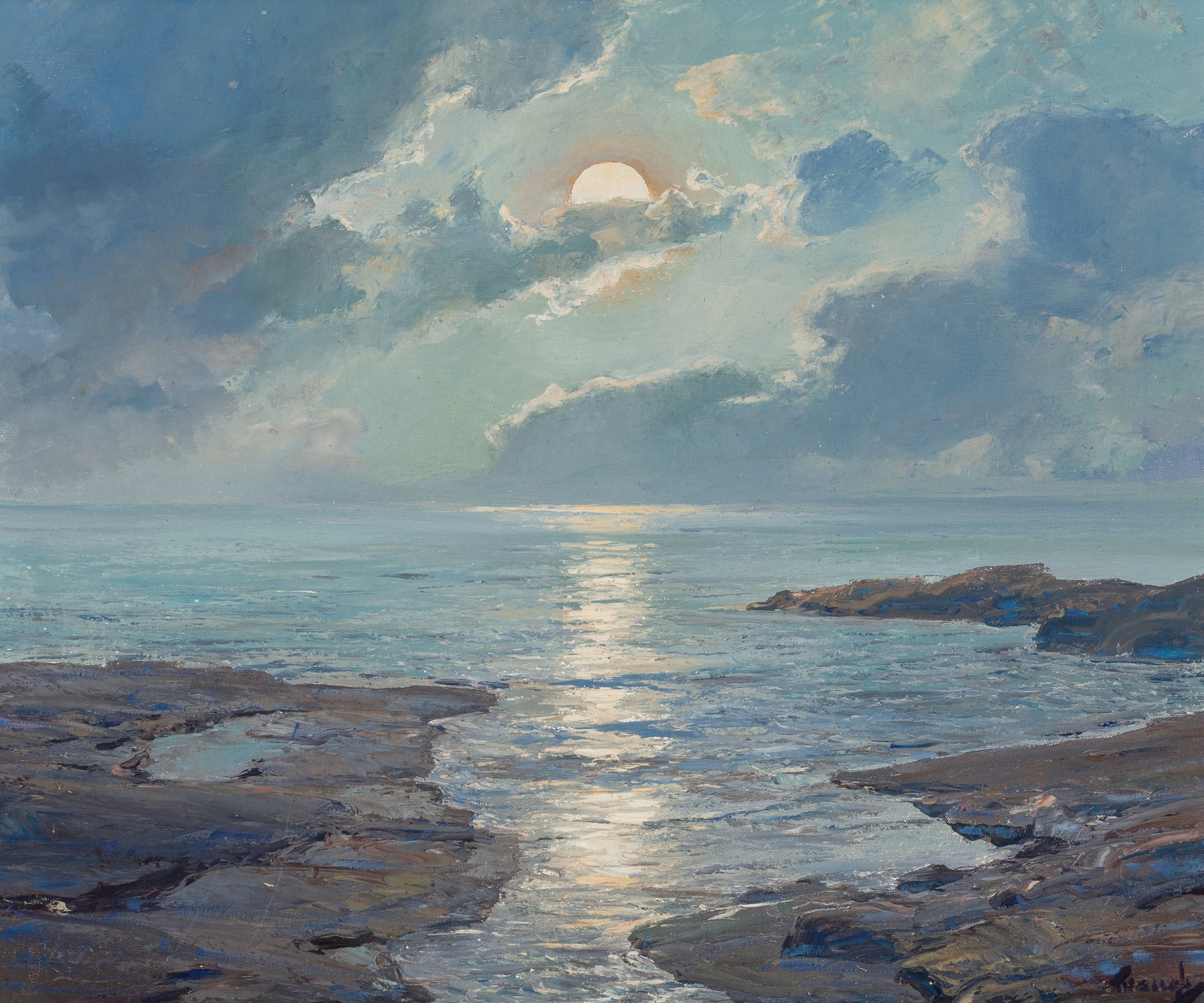
“Every silence here is a confession.” In the realm of the unspoken, the awakening of nature speaks volumes, echoing the delicate balance between power and tranquility. Look to the sweeping horizon, where turbulent waves clash against rugged cliffs, their foamy peaks illuminated by a soft, golden light. The artist employs a rich palette of deep blues and earthy browns, drawing the eye to the dynamic interplay of color and texture. Notice how the brushstrokes vary, with vigorous swirls capturing the energy of the surf, while softer strokes delineate the stone, lending a sense of solidity amidst the chaos.
The tension between the violent sea and the steadfast coastline suggests a myriad of interpretations, inviting contemplation on resilience and the forces of nature. The juxtaposition of turbulent waters and the grounded land symbolizes the duality of existence—chaos and calm coexisting in harmony. Every detail, from the shimmering foam to the stark cliffs, reveals the artist’s reverence for the sublime power of the natural world, hinting at the ephemerality of life itself.
During an unspecified period, Frederick Judd Waugh was immersed in the artistic community of the early 20th century, where American realism and impressionism were flourishing. Influenced by the beauty of coastal landscapes and the drama of the sea, he sought to capture the essence of nature’s raw beauty. This time in his career marked a deepening relationship with marine subjects, reflecting both personal and universal themes.