Northwest; Desolation Sound, British Columbia — History & Analysis
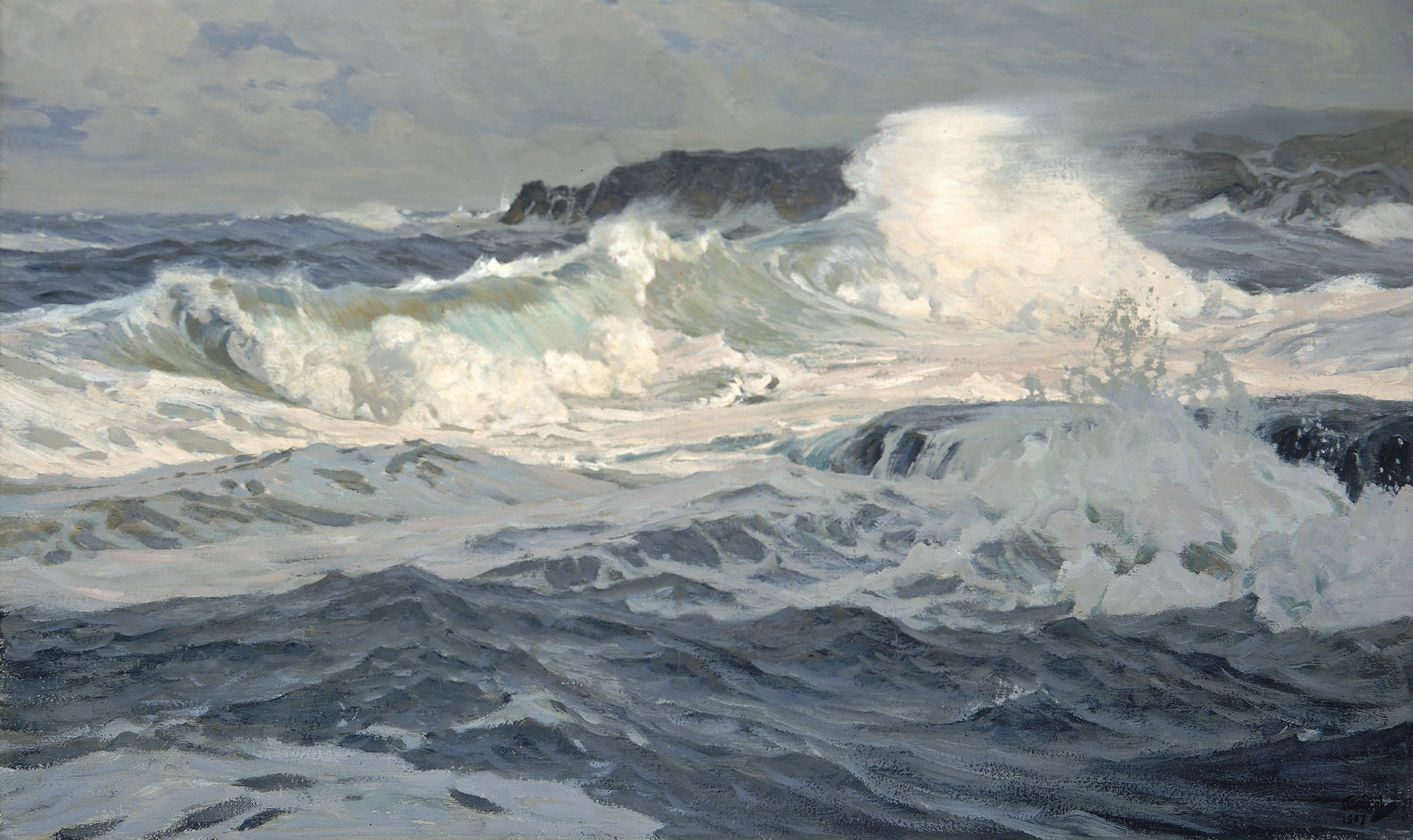
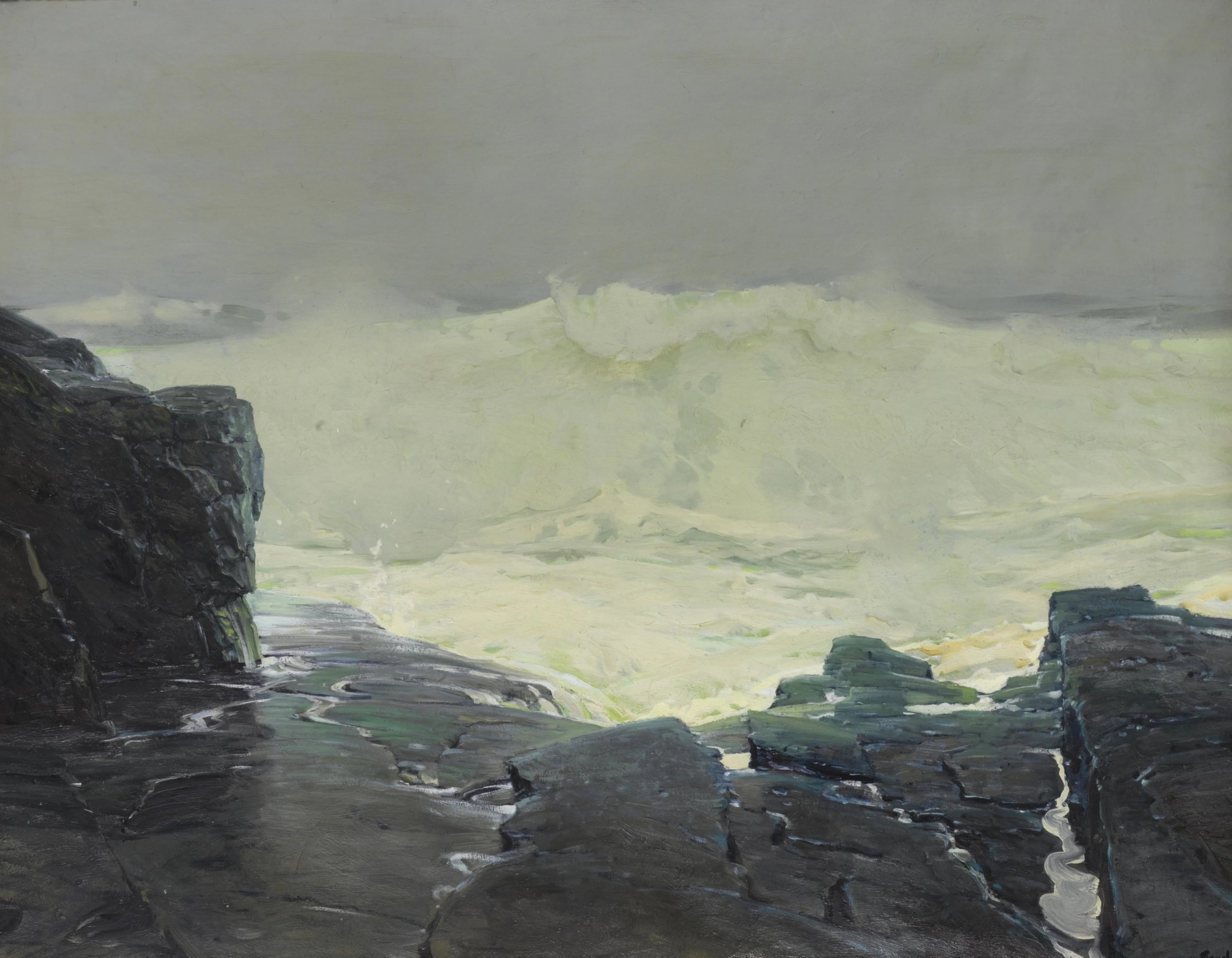
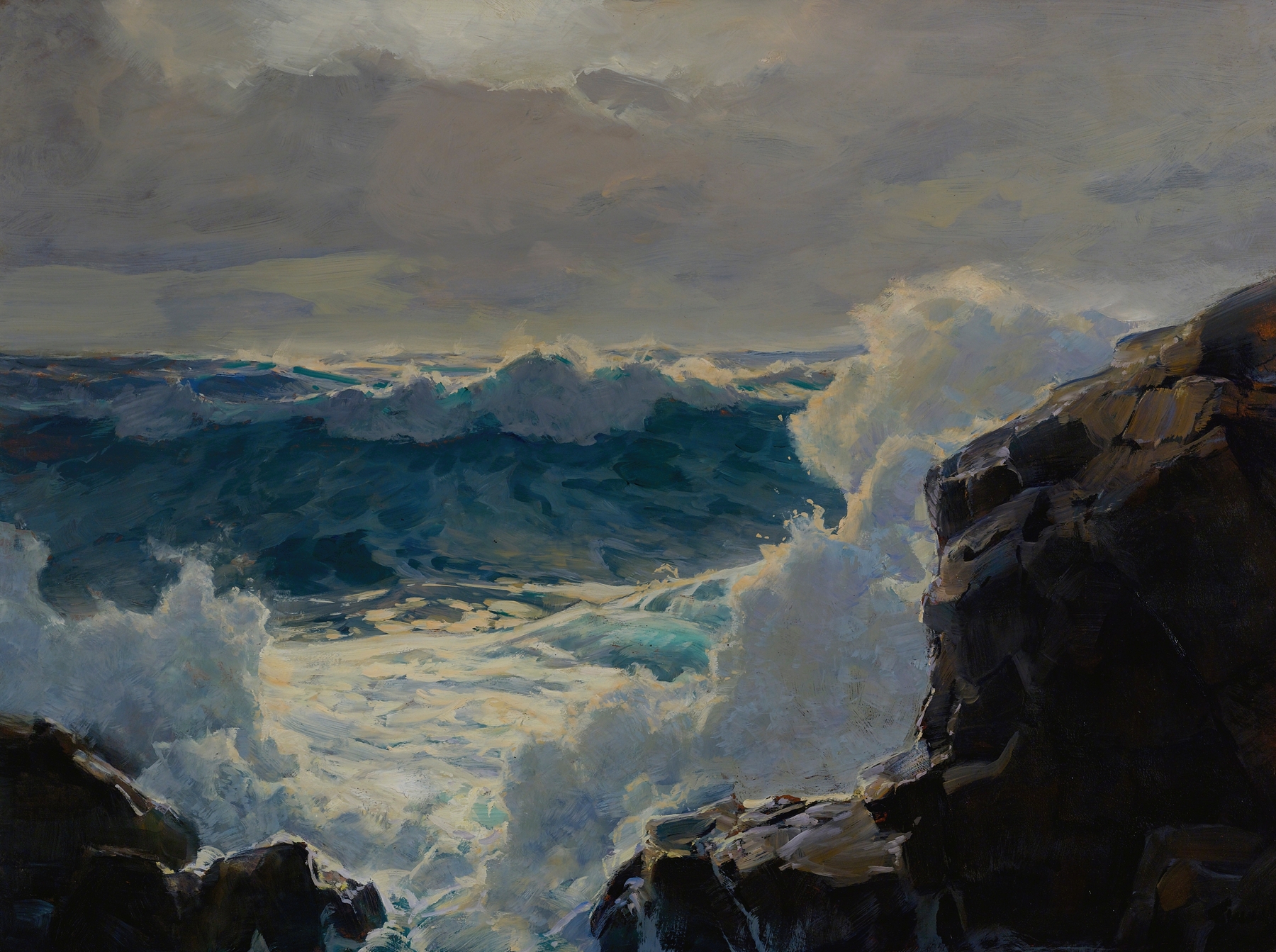
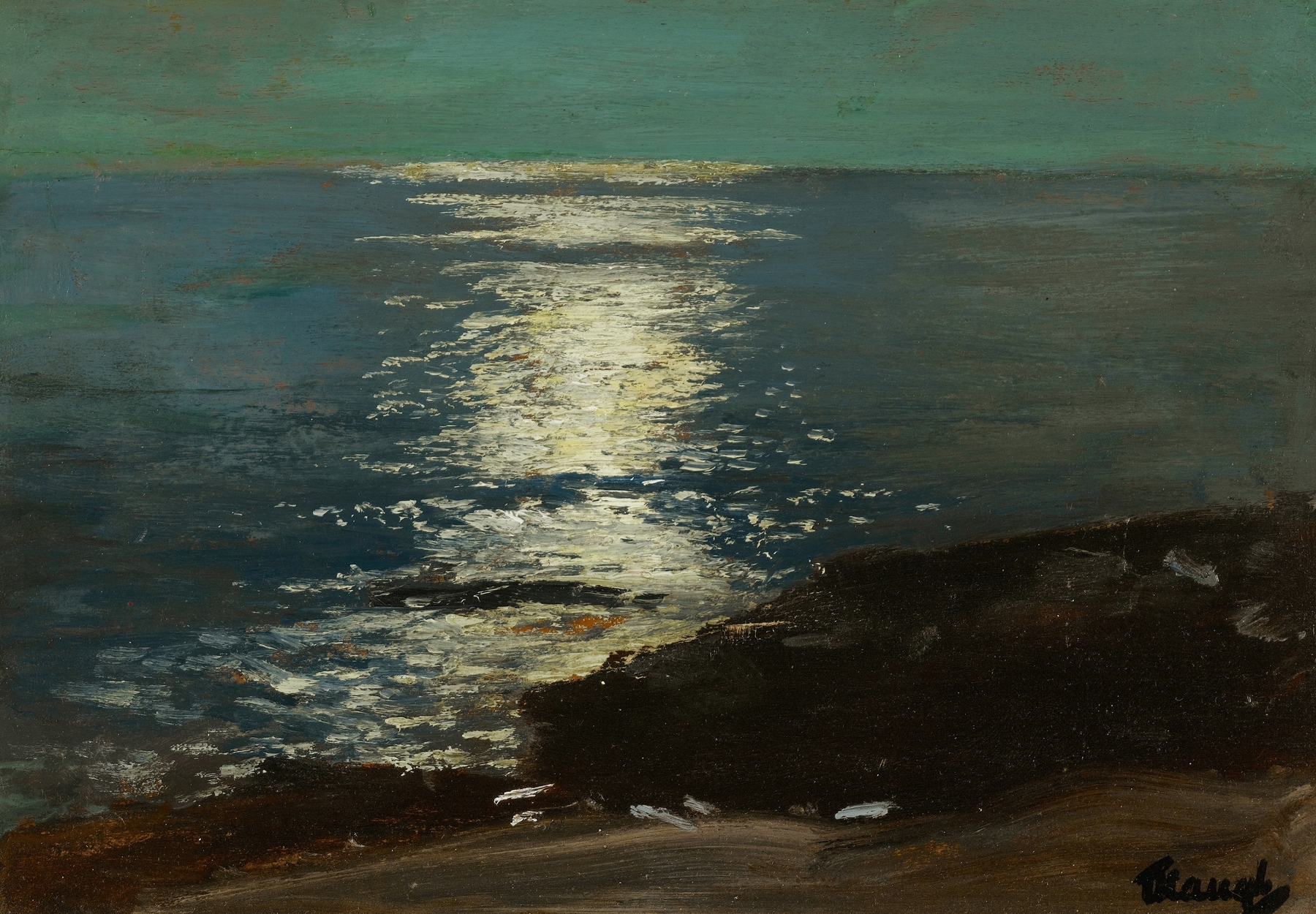
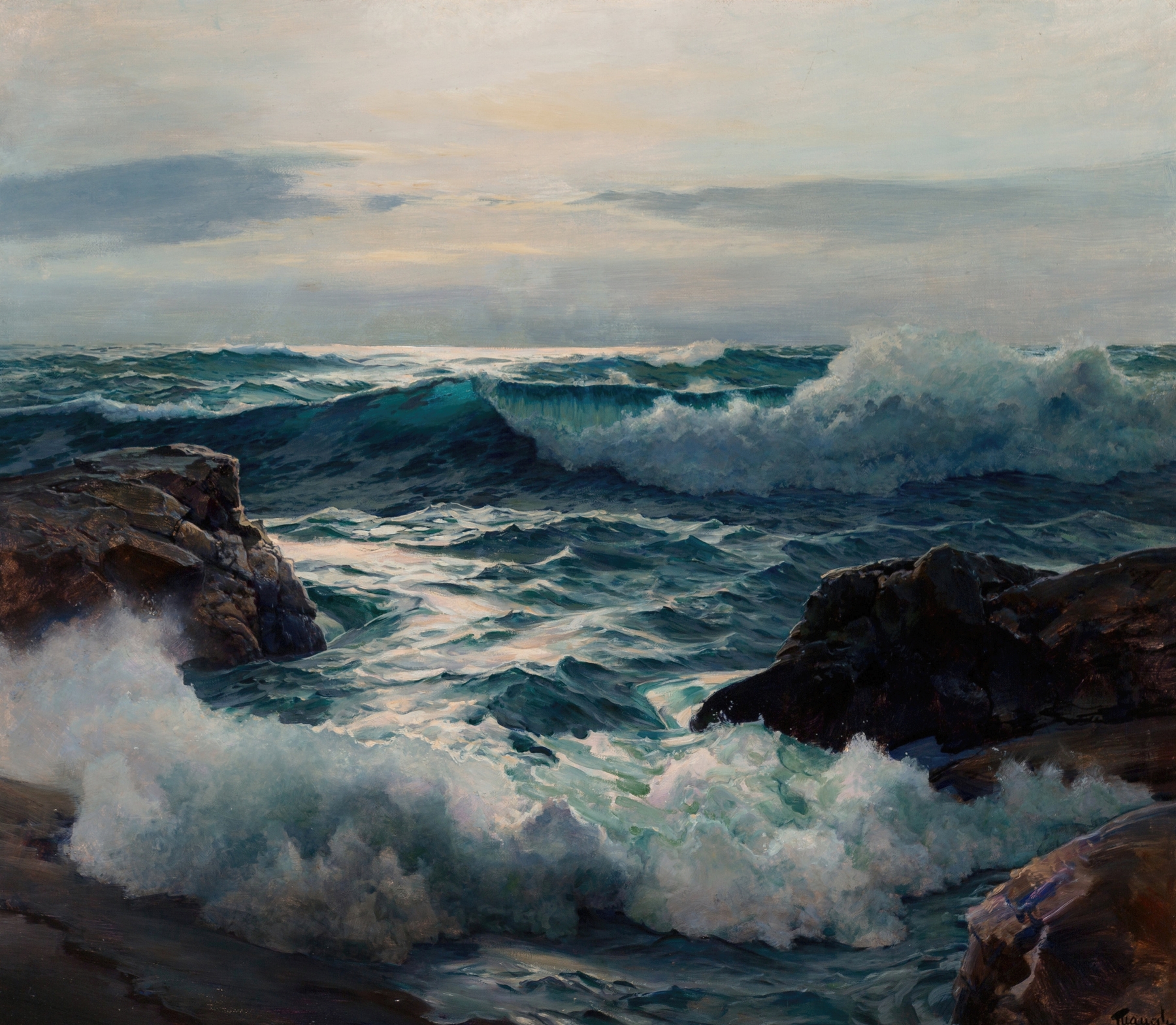
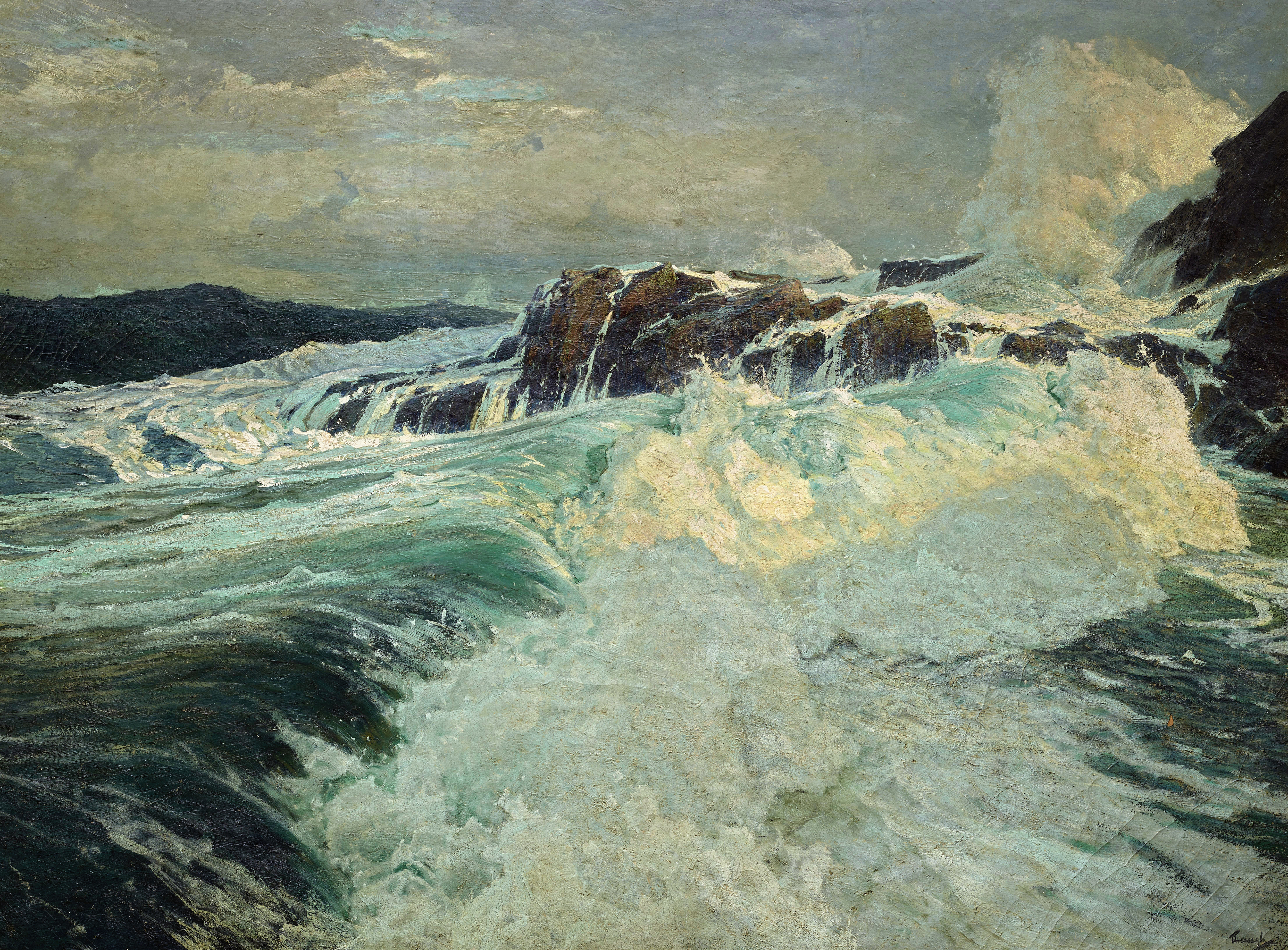
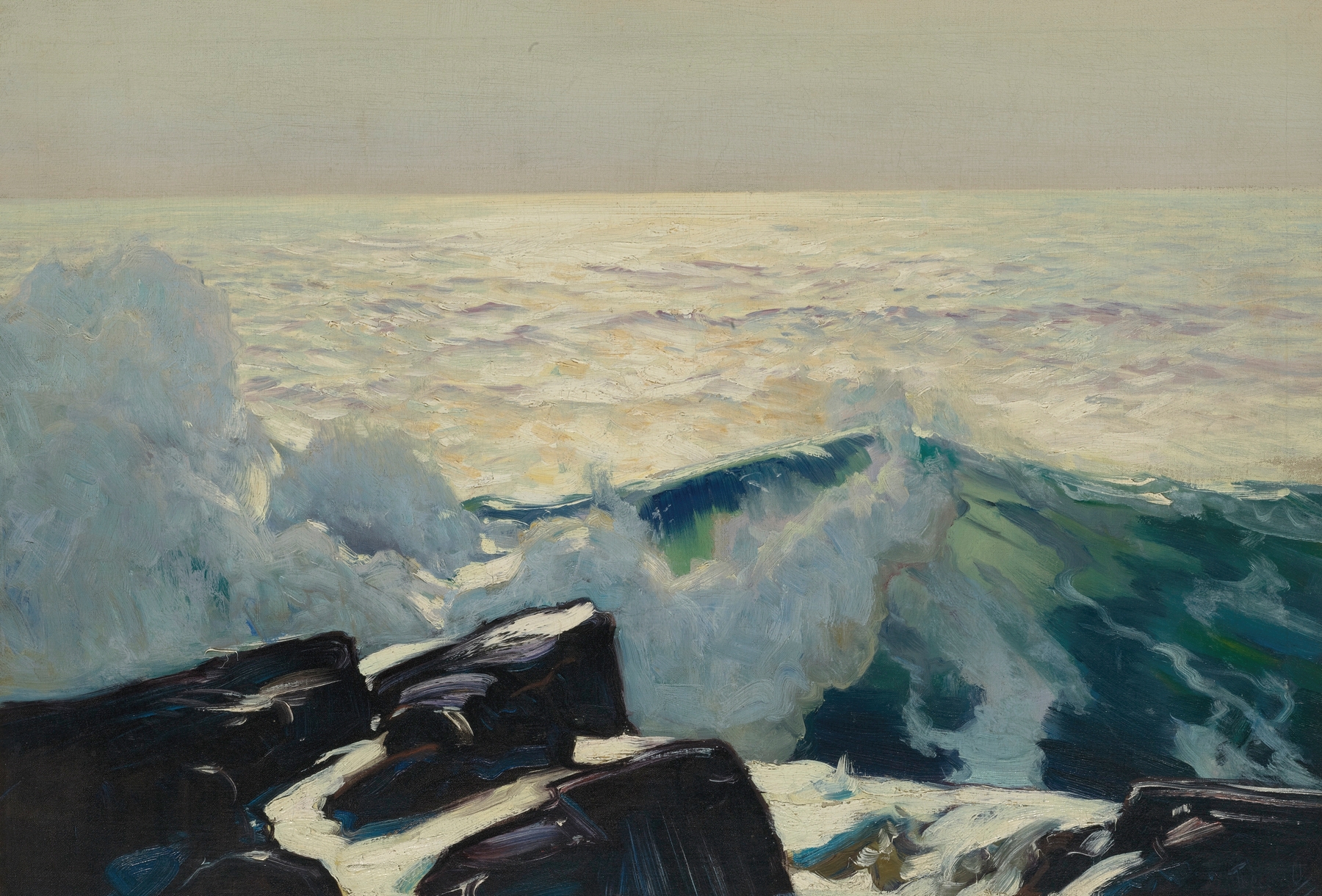
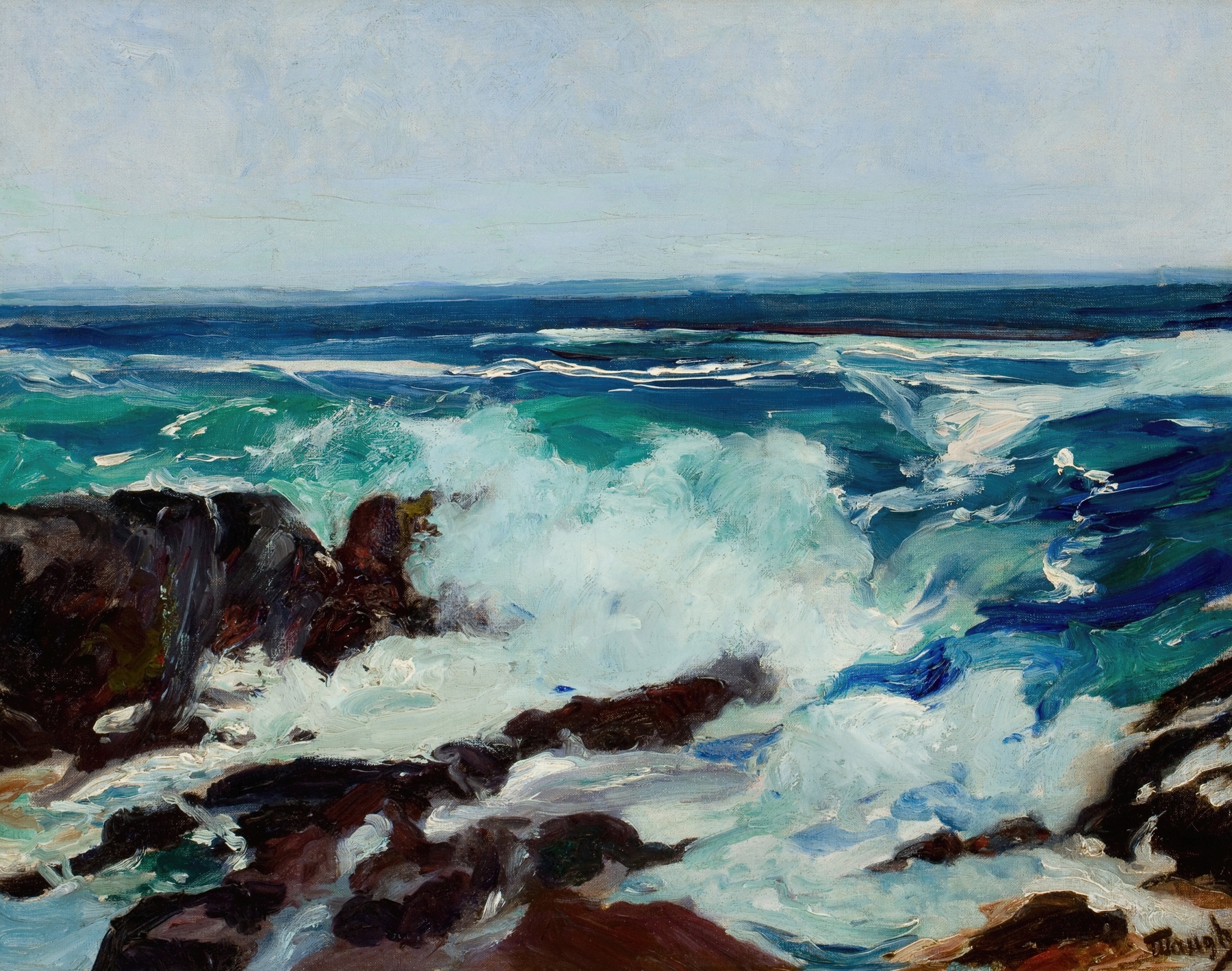
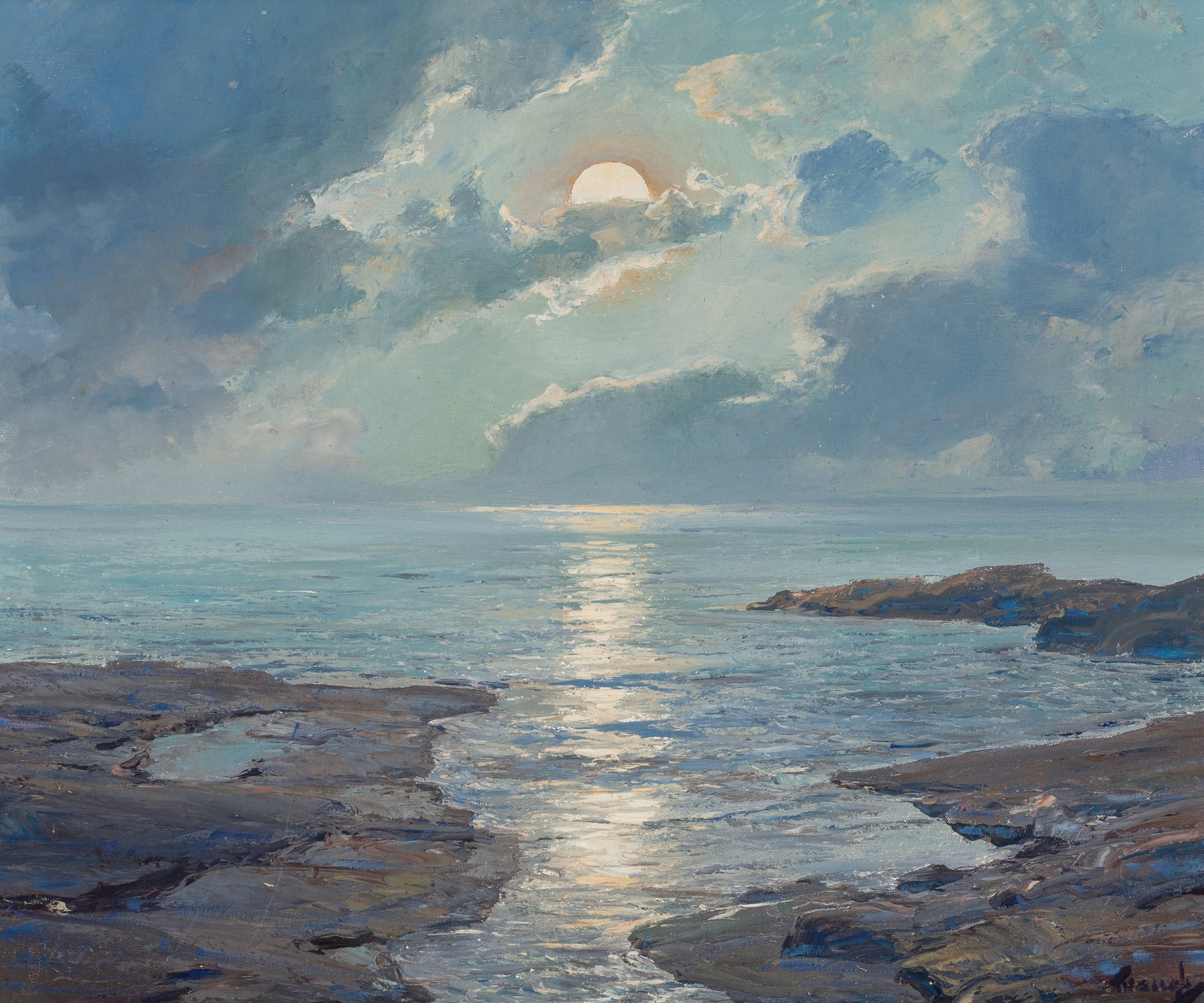
What if silence could speak through light? In Northwest; Desolation Sound, British Columbia, the stillness of nature resonates, inviting contemplation and reverence. Look to the horizon, where the soft blending of blues and greens captures the essence of water and sky. Notice how the artist skillfully layers paint to create a sense of depth, drawing your gaze to the sweeping mountains that cradle the scene. The ethereal quality of the light—diffused and almost divine—illuminates the rocky formations, revealing their textures and the delicate interplay of shadow and illumination.
This careful manipulation of color evokes not just a landscape, but an emotional landscape, where tranquility reigns. As you delve deeper, observe the tension between the rugged cliffs and the gentle sea. This juxtaposition encapsulates a world of contradictions—the harshness of nature’s grandeur set against the serene beauty of the still waters. Each stroke conveys a narrative of solitude and peace, inviting viewers to reflect on their own place within this expansive wilderness.
The absence of human presence further amplifies a sense of divinity, as if the landscape itself is a sacred space, untouched and eternal. Frederick Judd Waugh painted this work during a time when American artists were increasingly drawn to the natural world, seeking to capture its sublime beauty. Working in the early 20th century, Waugh found inspiration in the Pacific Northwest, a region marked by its sublime landscapes. This period was characterized by a focus on representational forms, with a growing interest in the interplay of light and atmosphere, which distinctly shaped his artistic vision.