The Risen Moon — History & Analysis
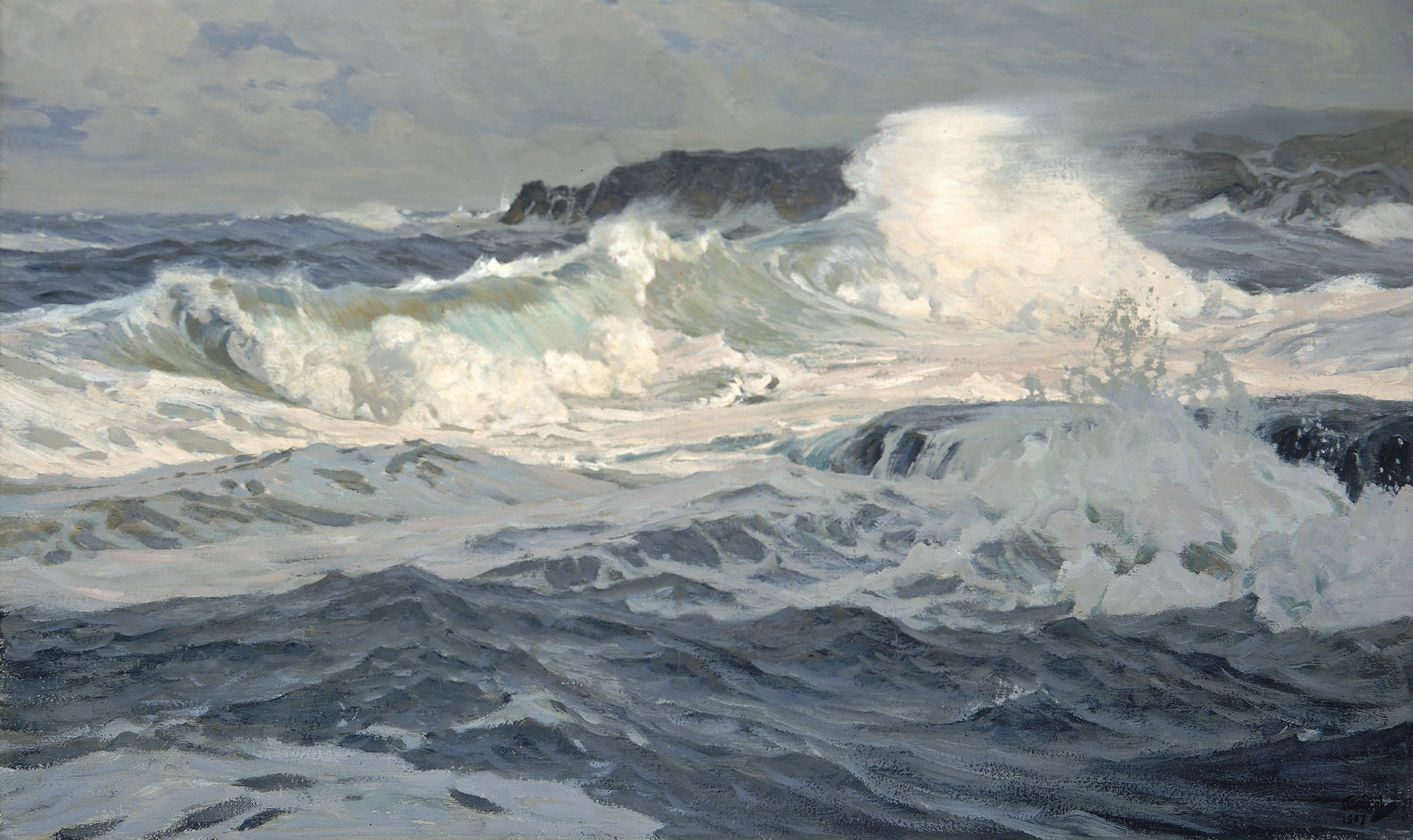
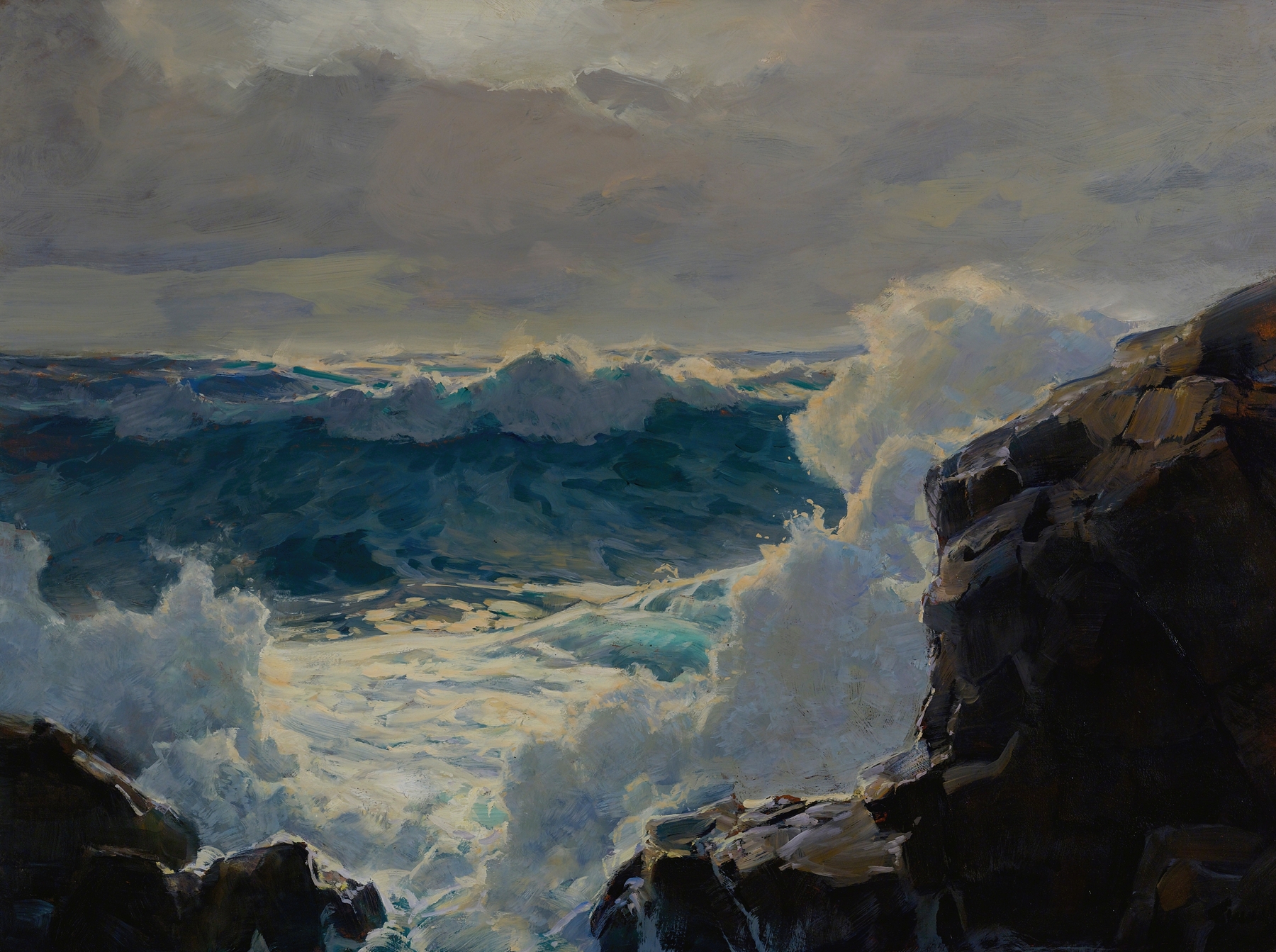
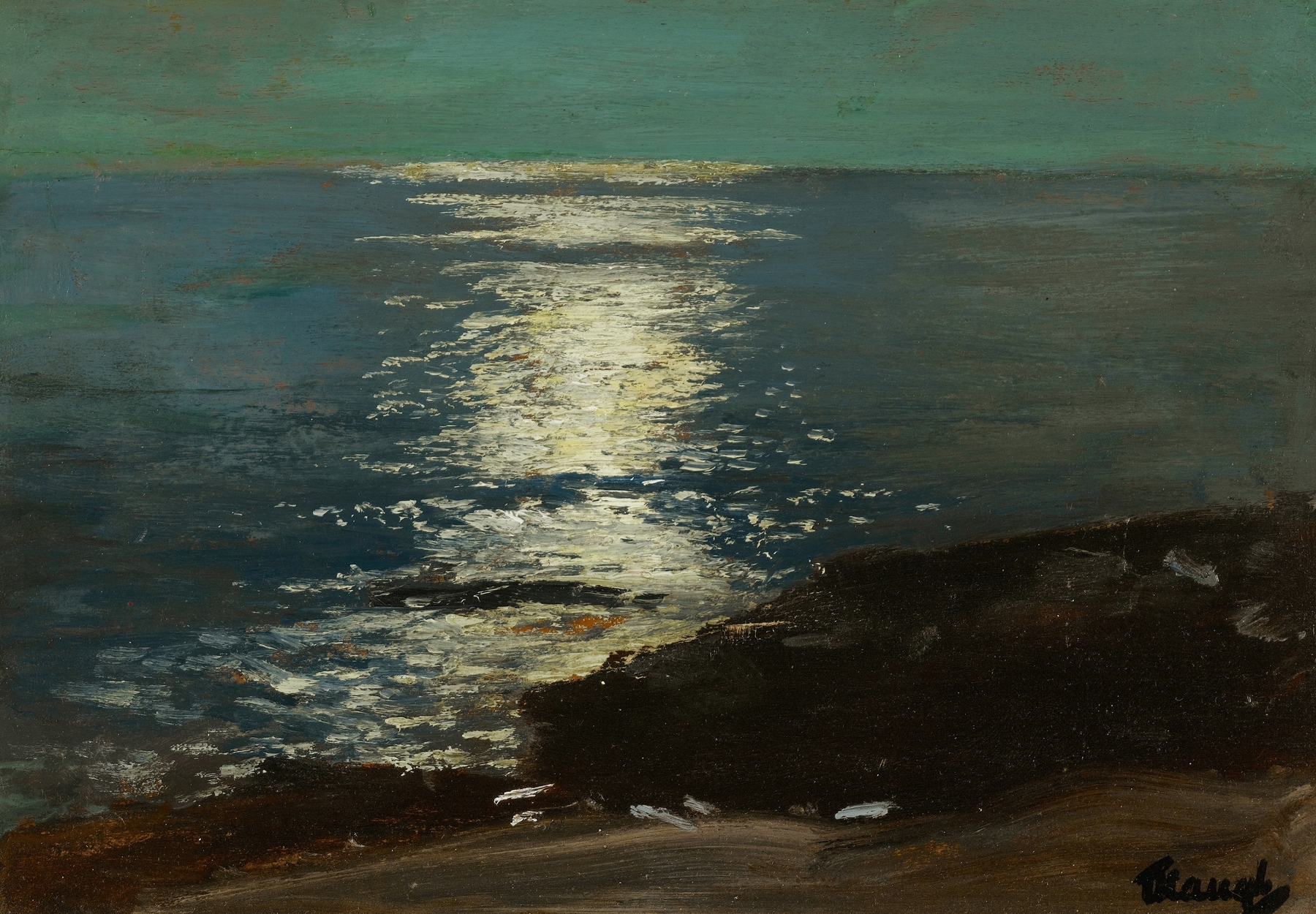
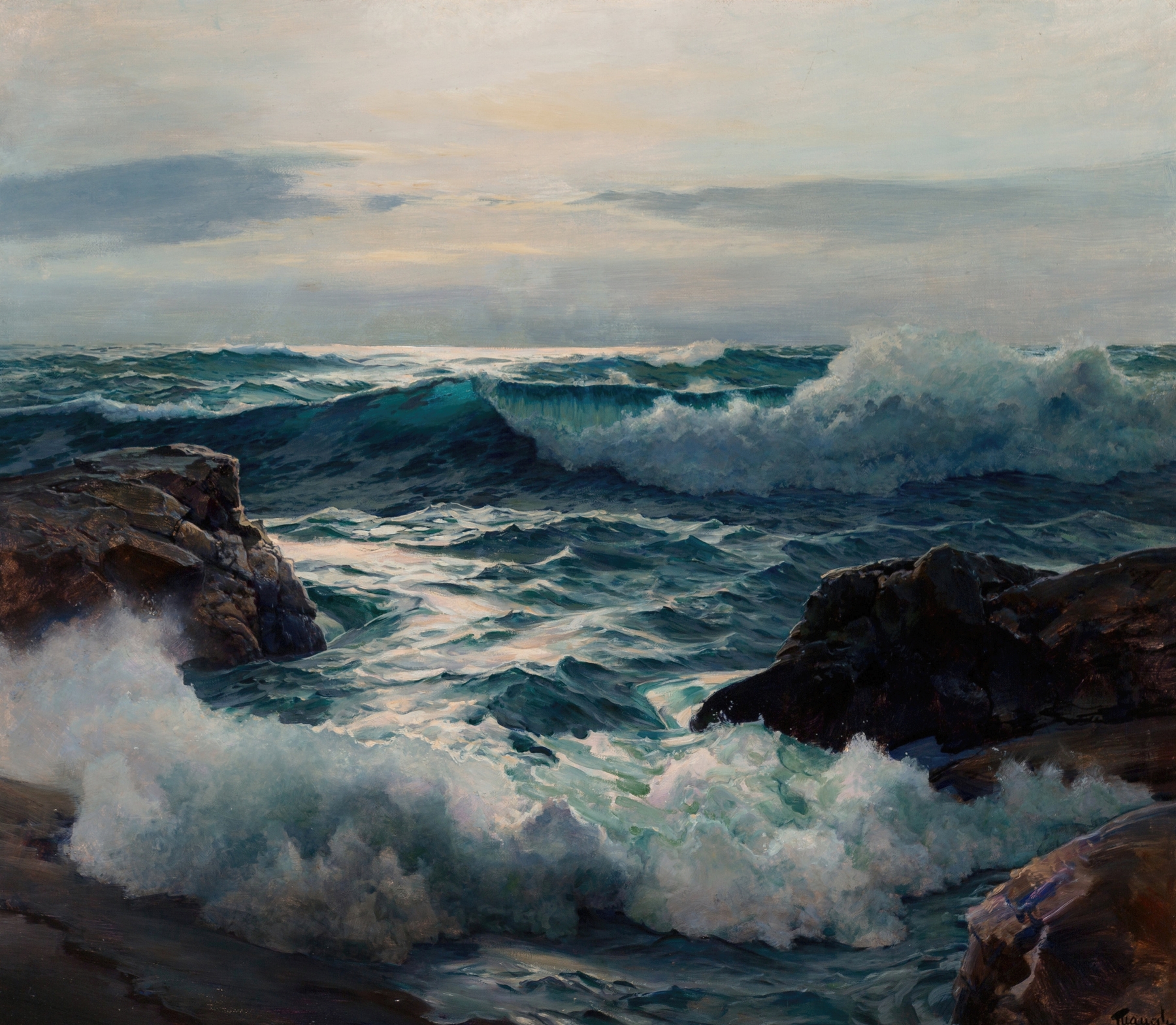
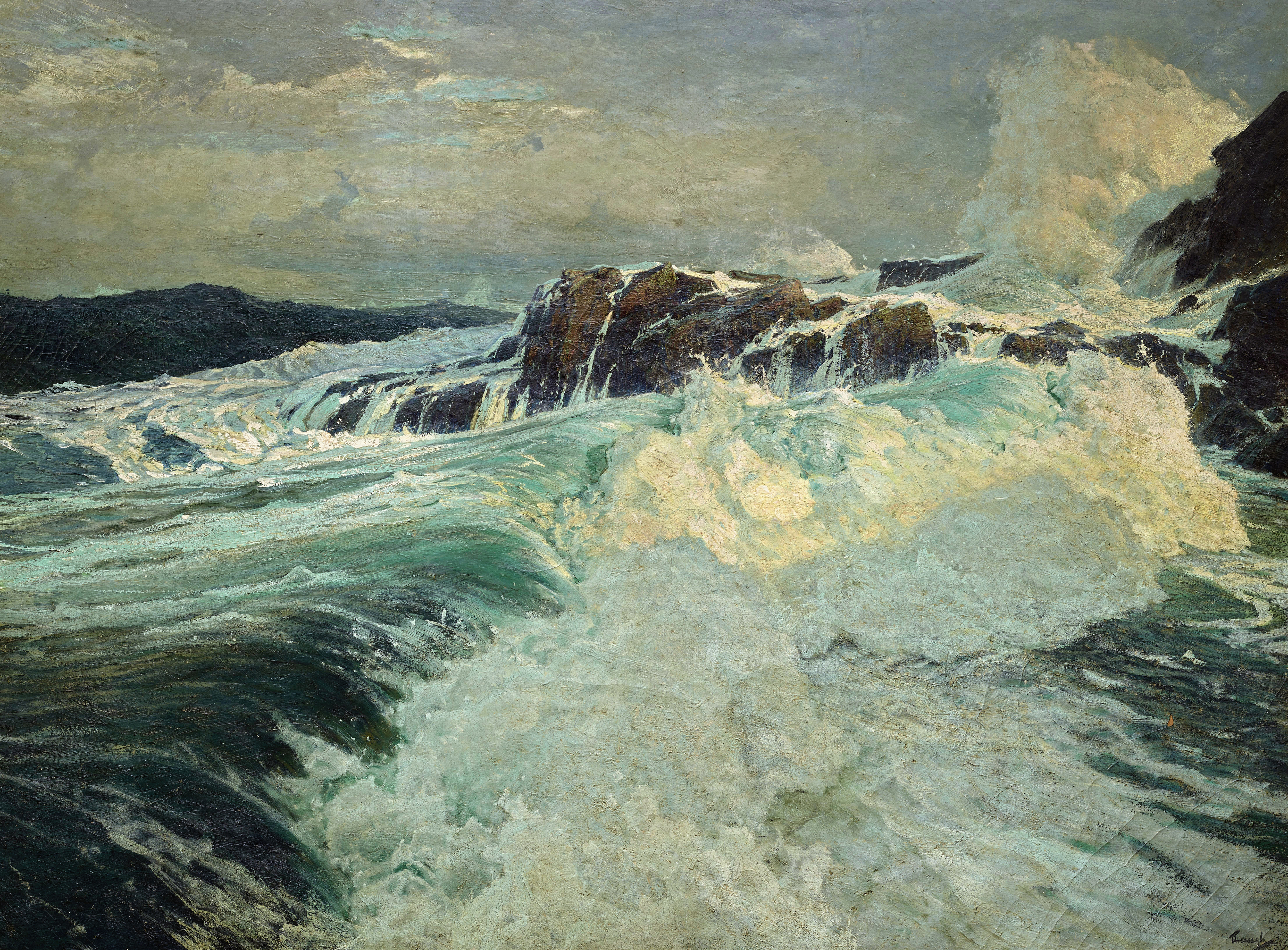
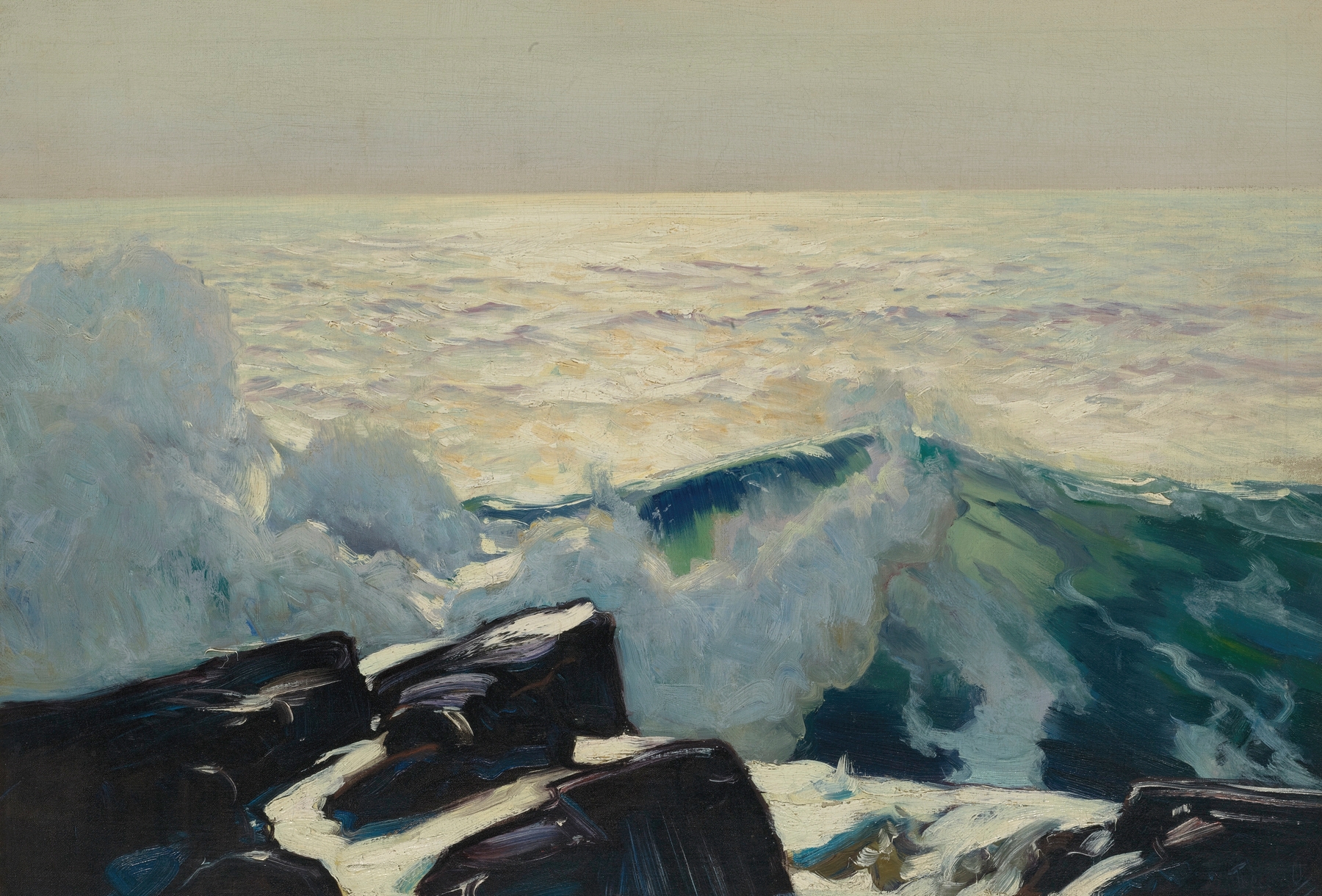
“Sometimes beauty is just pain, disguised in gold.” In The Risen Moon, the graceful arch of the moonlit sky weaves a narrative of wistfulness, beckoning the viewer to contemplate the delicate balance between serenity and sorrow. Look to the center, where the luminous orb rises, casting its gentle glow on the restless ocean below. The swirling waves, rendered with masterful strokes, reflect a palette of deep blues and soft whites, suggesting both turmoil and tranquility. Notice how the light dances upon the surface of the water, illuminating the frothy crests and creating a stark contrast between shadow and brilliance—a visual metaphor for the duality of existence.
In this painting, melancholy is interwoven with beauty; the moon, a symbol of hope, also serves as a reminder of the loneliness that often accompanies illumination. The turbulent sea mirrors the inner conflicts we face, each wave a whisper of unvoiced longing. The interplay of light and dark invites introspection, urging us to confront our own moments of solitude, while also offering a glimpse of solace in the natural world's embrace.
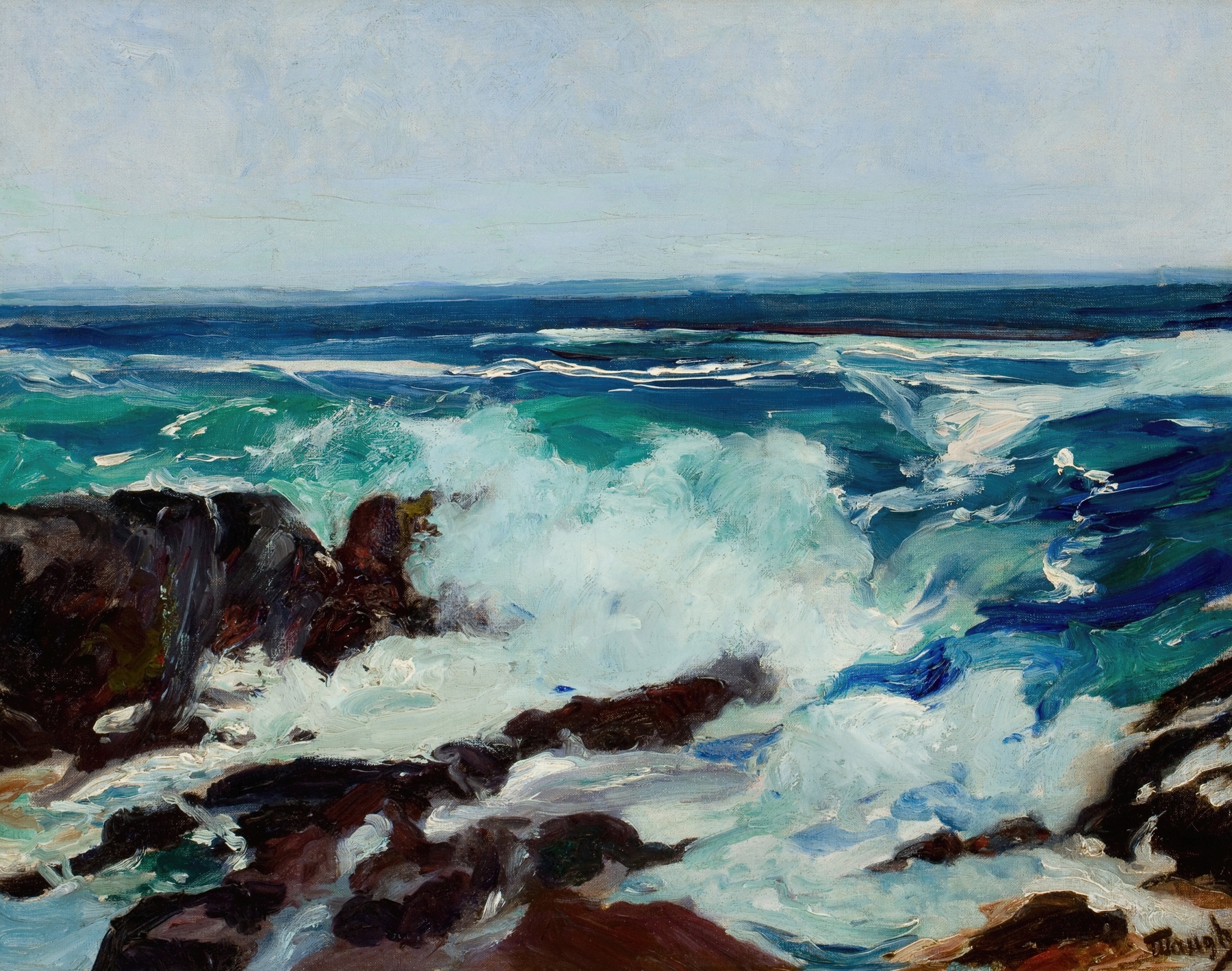
Frederick Judd Waugh painted this work in 1926, during a period marked by his exploration of seascapes and marine subjects. Residing in New England, Waugh was deeply influenced by the changing moods of the ocean and sky. This era in American art was characterized by a transition from impressionistic techniques to a more expressive, emotional interpretation of nature, mirroring the broader complexities of human experience that Waugh sought to convey.