Returning from the Hunt — History & Analysis
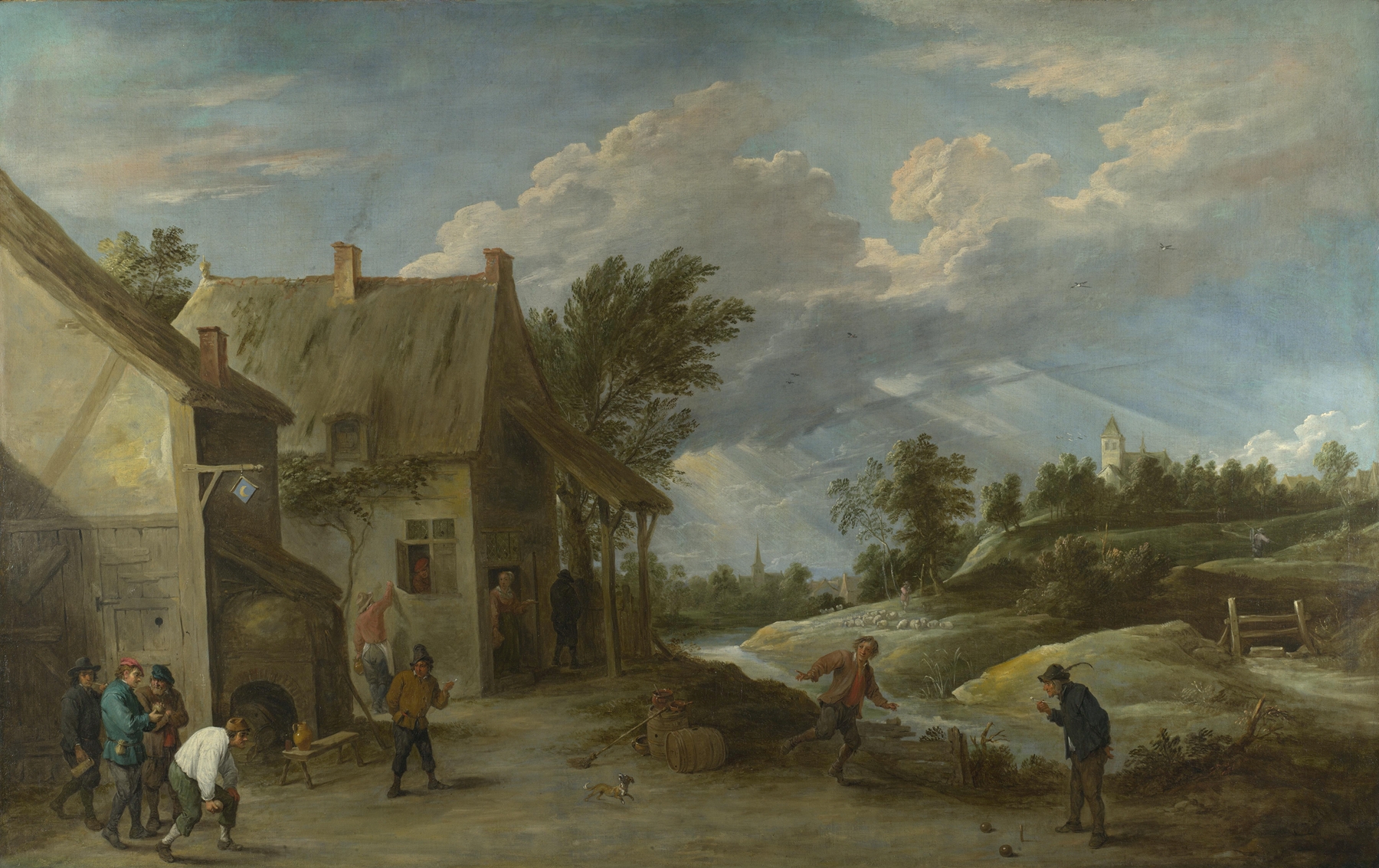
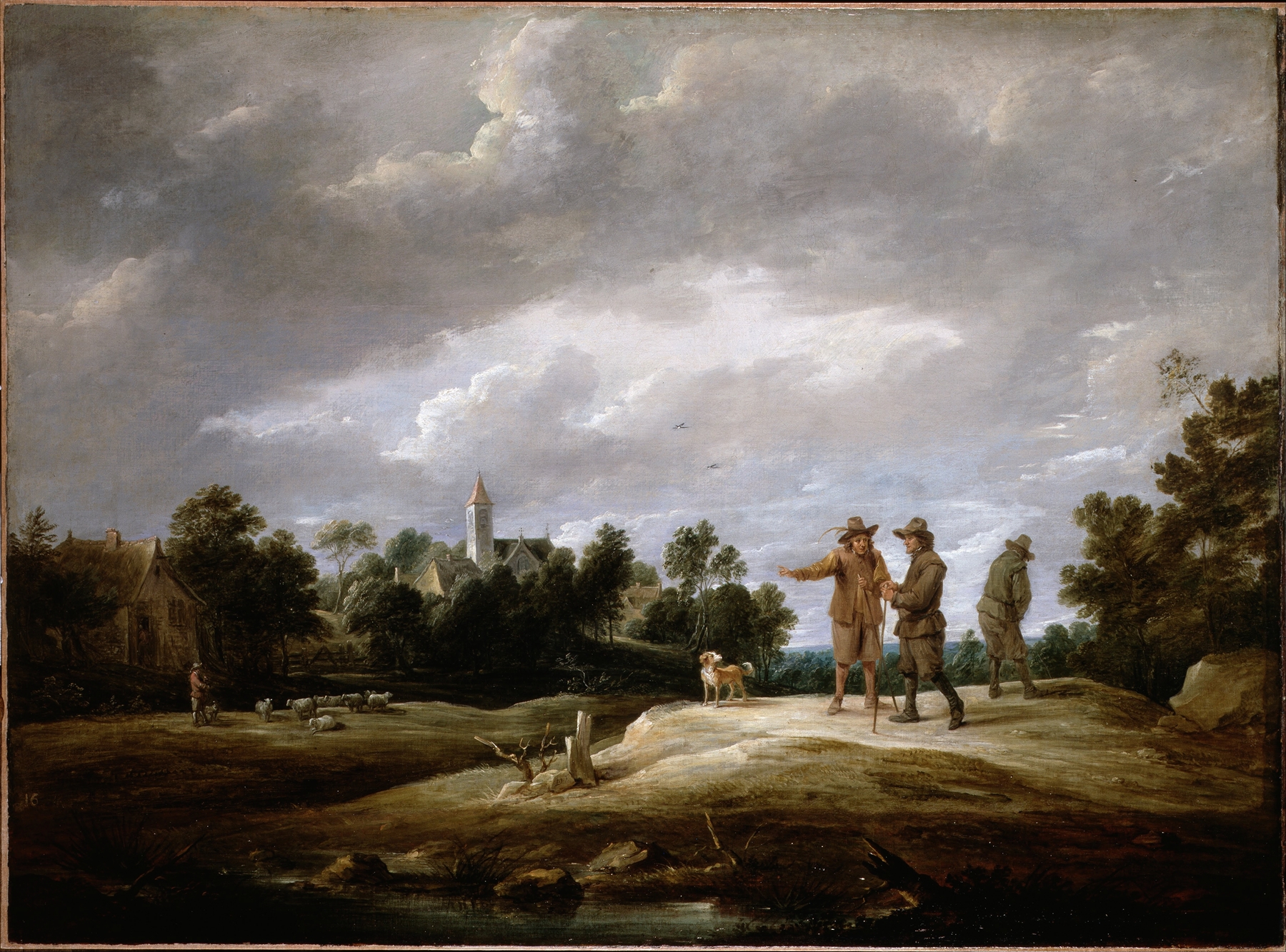
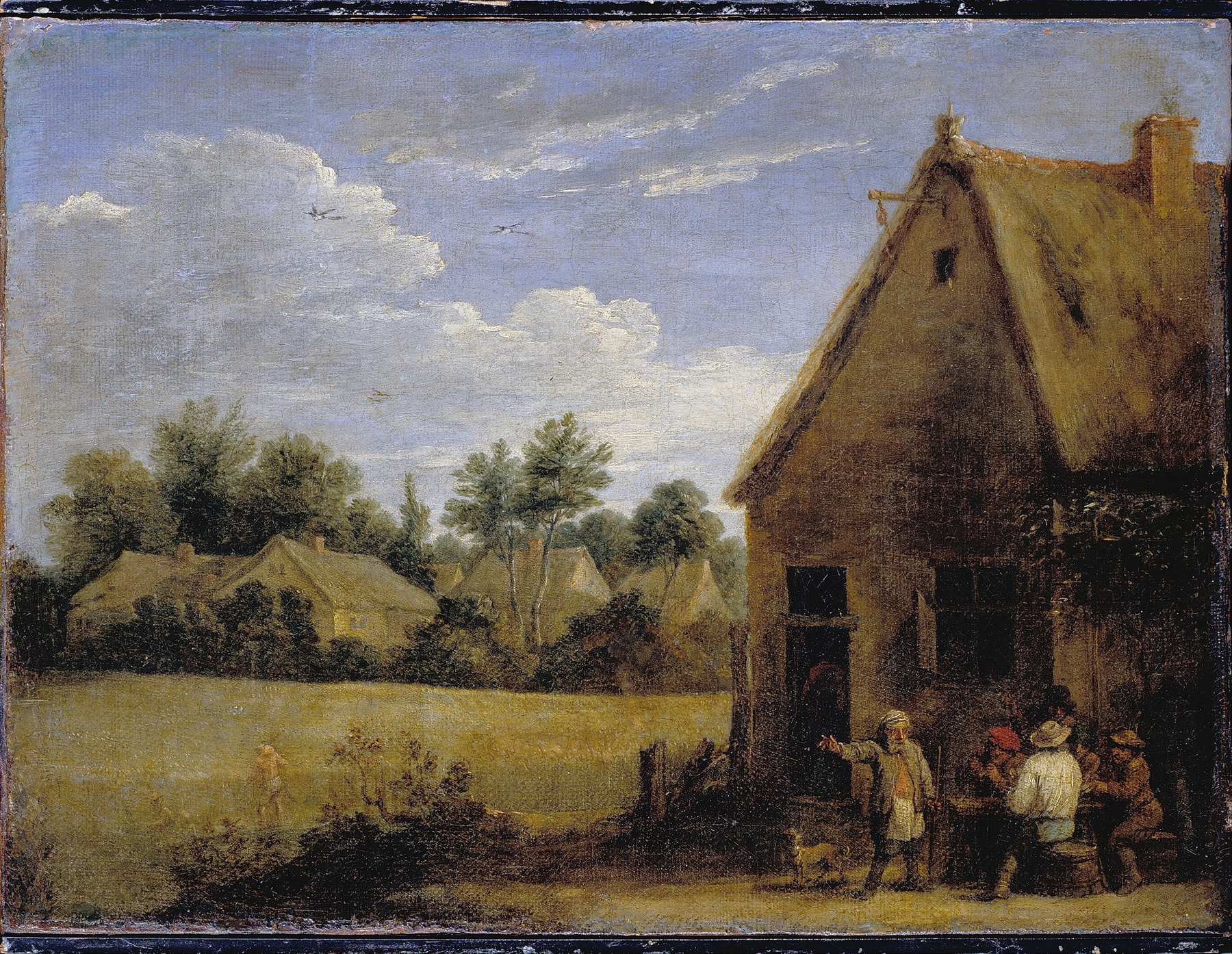
What if beauty was never meant to be finished? In Returning from the Hunt, ecstasy vibrates through the air, caught in a moment of joyful triumph and serene contemplation. Look to the foreground, where a group of hunters, flushed with excitement, gather around their bounty. The vivid reds and earthy browns of their attire contrast sharply with the cool greens of the surrounding landscape, inviting your gaze into their celebration. Notice how the light delicately dances across the scene—the gleam on the freshly hunted game, the soft shadows that cradle the figures, and the radiant sky that envelops them.
Each brushstroke contributes to a harmonious composition, guiding the viewer through a narrative rich in life and vitality. Yet, beneath this jubilant surface lies an intricate web of meaning. The hunters’ expressions capture a fleeting moment between victory and the existential weight of their actions—a tension that highlights humanity's complex relationship with nature. The presence of the dogs, eager yet restless, hints at an underlying chaos amid the joy, suggesting that ecstasy and responsibility are often intertwined.
This lively scene evokes a sense of celebration while simultaneously prompting reflection on the cost of such pursuits. David Teniers the Younger painted this work in 1670, during a period marked by the rise of genre painting in Flanders. At this time, he was entrenched in the vibrant art scene of Antwerp, where the celebration of everyday life began to flourish. His mastery in conveying both the exuberance and complexity of human experiences would resonate throughout his career, establishing him as a preeminent figure of his era.