Bridge of Sighs, Venice — History & Analysis
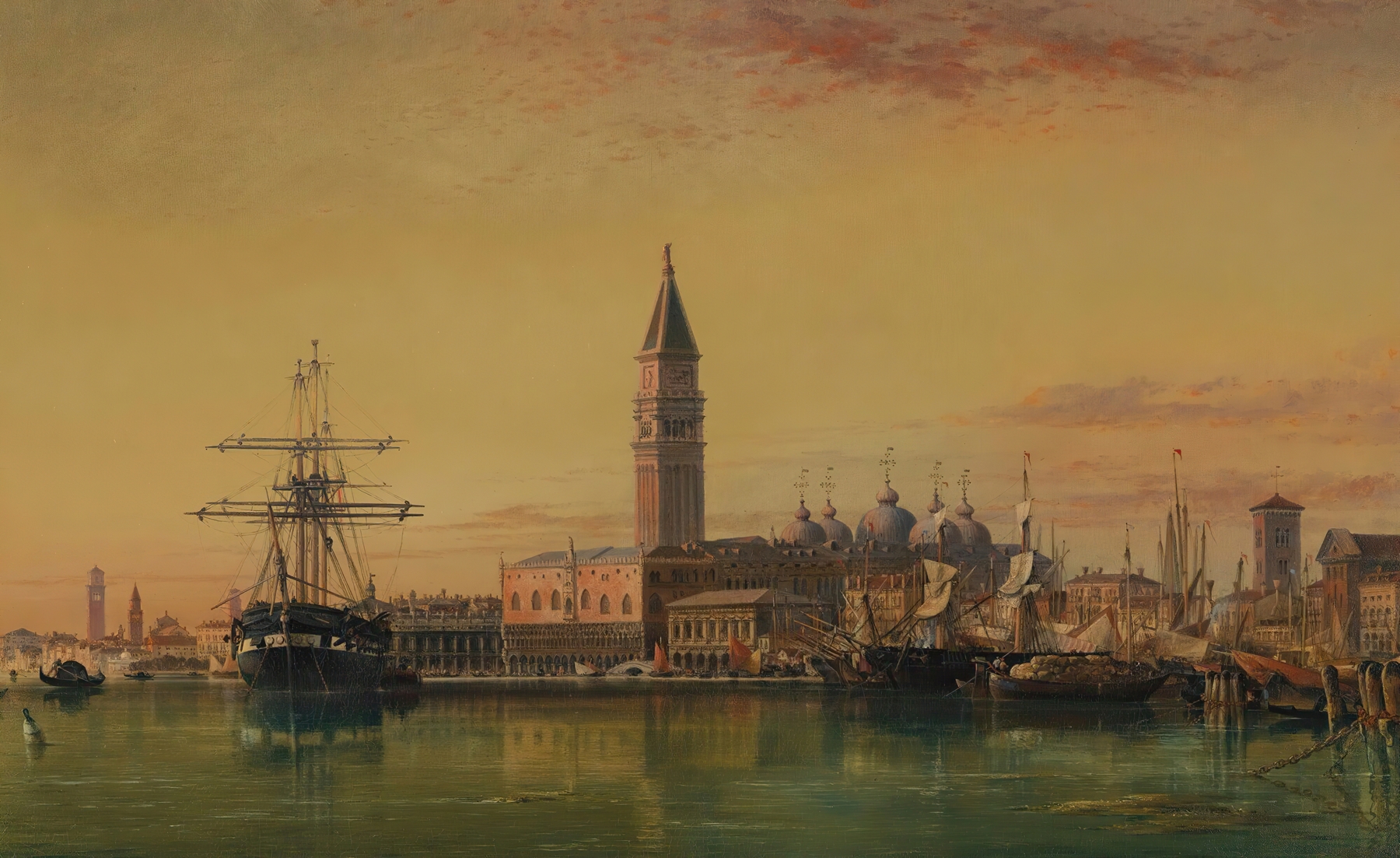
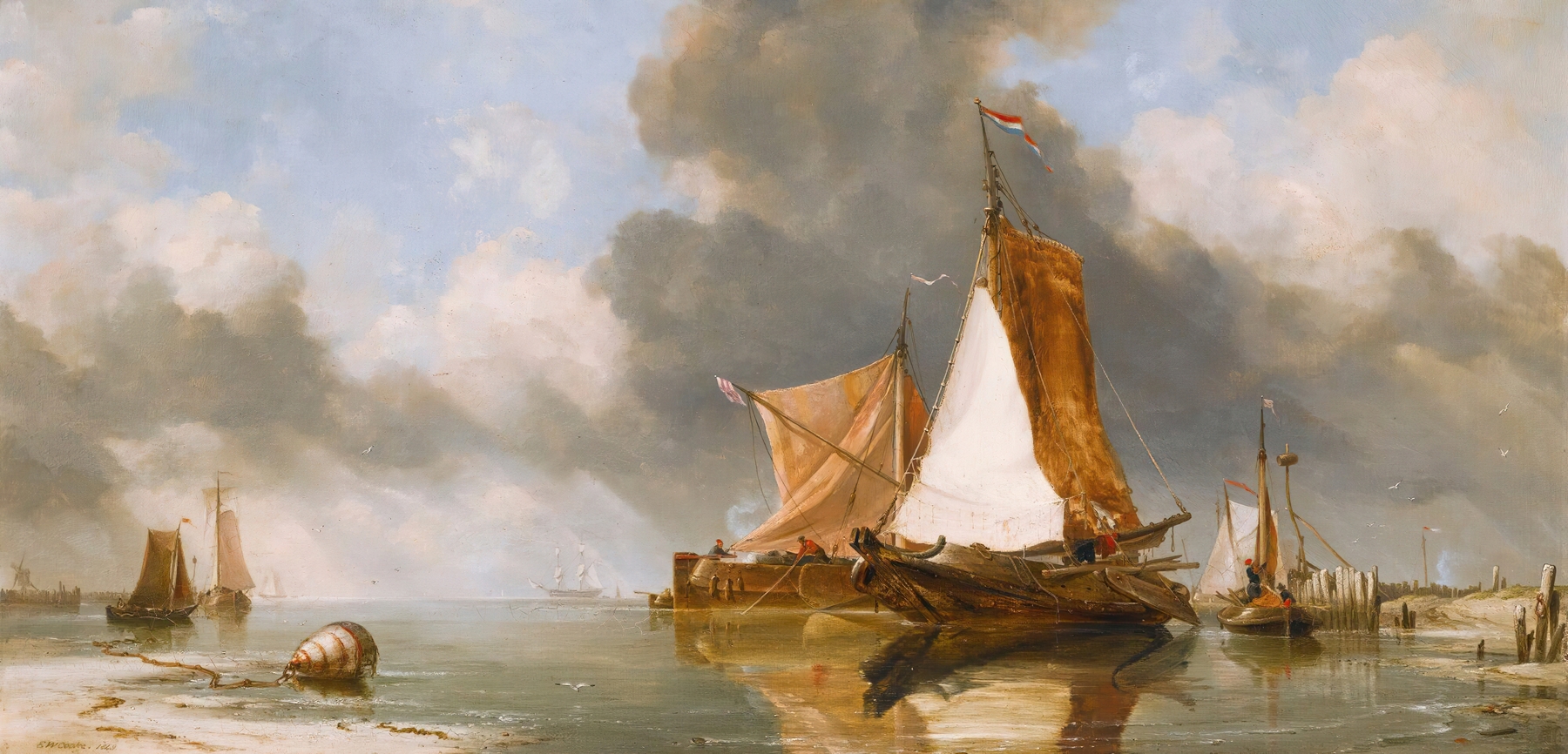
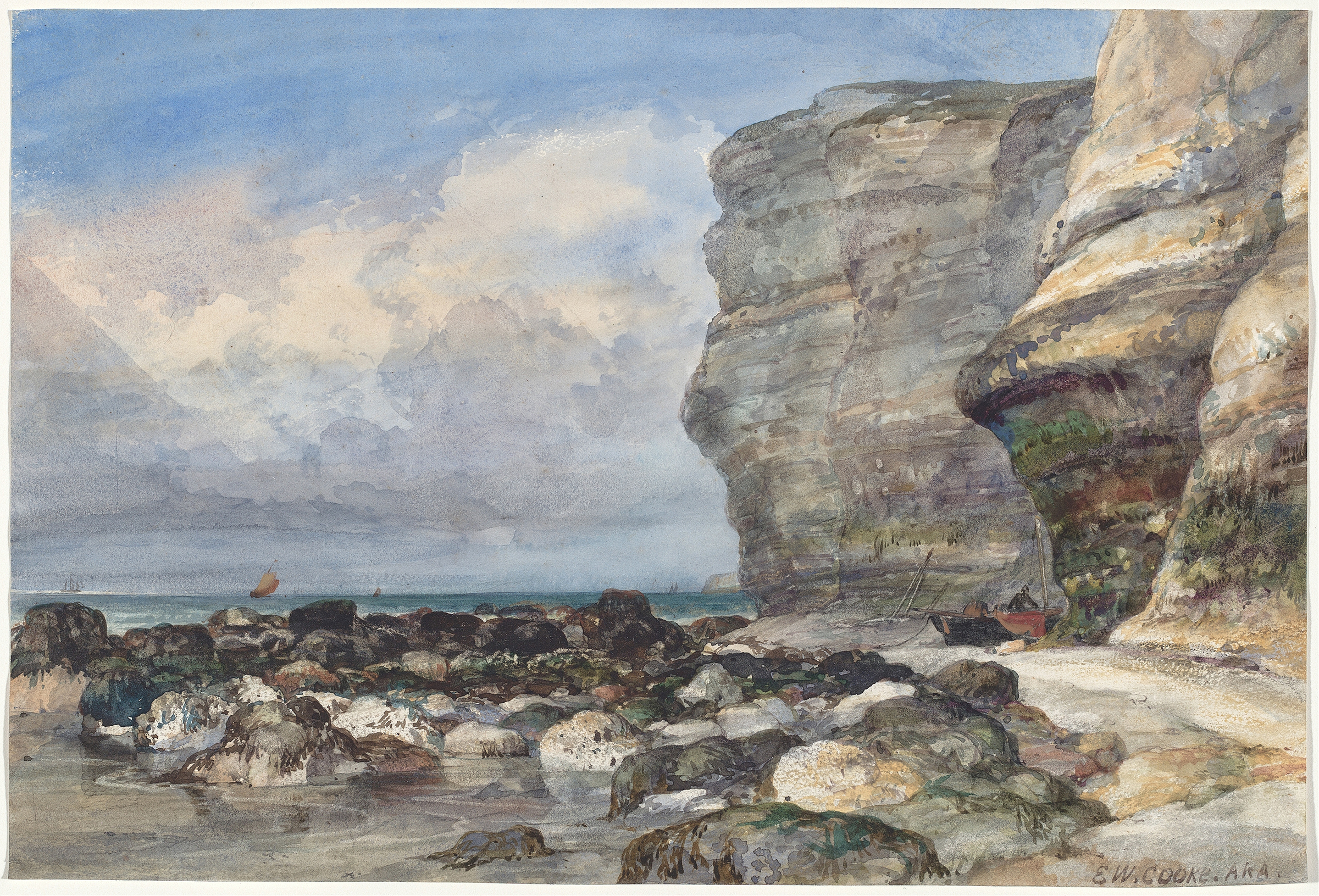
When did color learn to lie? The shimmering reflections on the water surface seem to whisper secrets of a world both exquisite and elusive, a realm where reality blurs into dreams. Focus on the intricate details of the scene. The arching structure of the bridge dominates the composition, its soft lines cradled by the gentle embrace of the canal below. Observe how the warm hues of ochre and gold dance across the water, merging with the cooler blues and greens.
The painter’s deft brushstrokes create an interplay between light and shadow, inviting the viewer to lose themselves in the moment captured—a fleeting glimpse of Venetian life. Delve deeper into the emotional undercurrents of the work. The bridge itself, a symbol of transitory passage, evokes a sense of longing and nostalgia, while the reflections hint at the duality of experience in life. There’s a tension between the vibrant colors above and the muted tones below, suggesting the complexity of emotions that accompanies love, loss, and memory.
Each ripple on the water holds a hidden story, a reminder that one’s perceptions can often be deceiving. In 1858, the artist found himself amidst a transformative period in Venice's artistic landscape. Edward William Cooke, influenced by the Romantic movement, painted during a time when the city was becoming a muse to many. As he captured this iconic scene, the world of art was experiencing a shift towards realism and impressionism, echoing the complexity and beauty of the Venetian environment that so profoundly inspired him.