Old and New London Bridge — History & Analysis
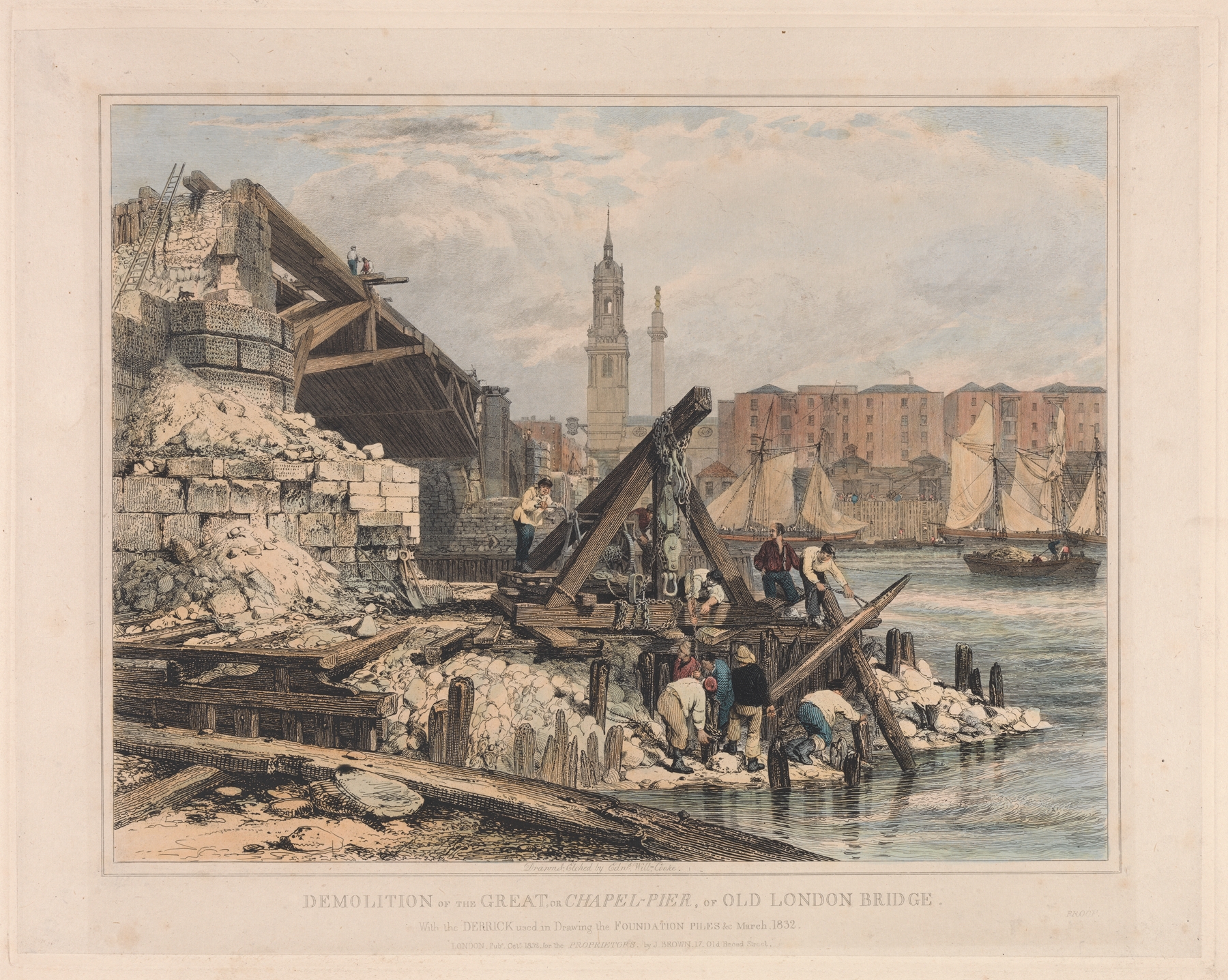
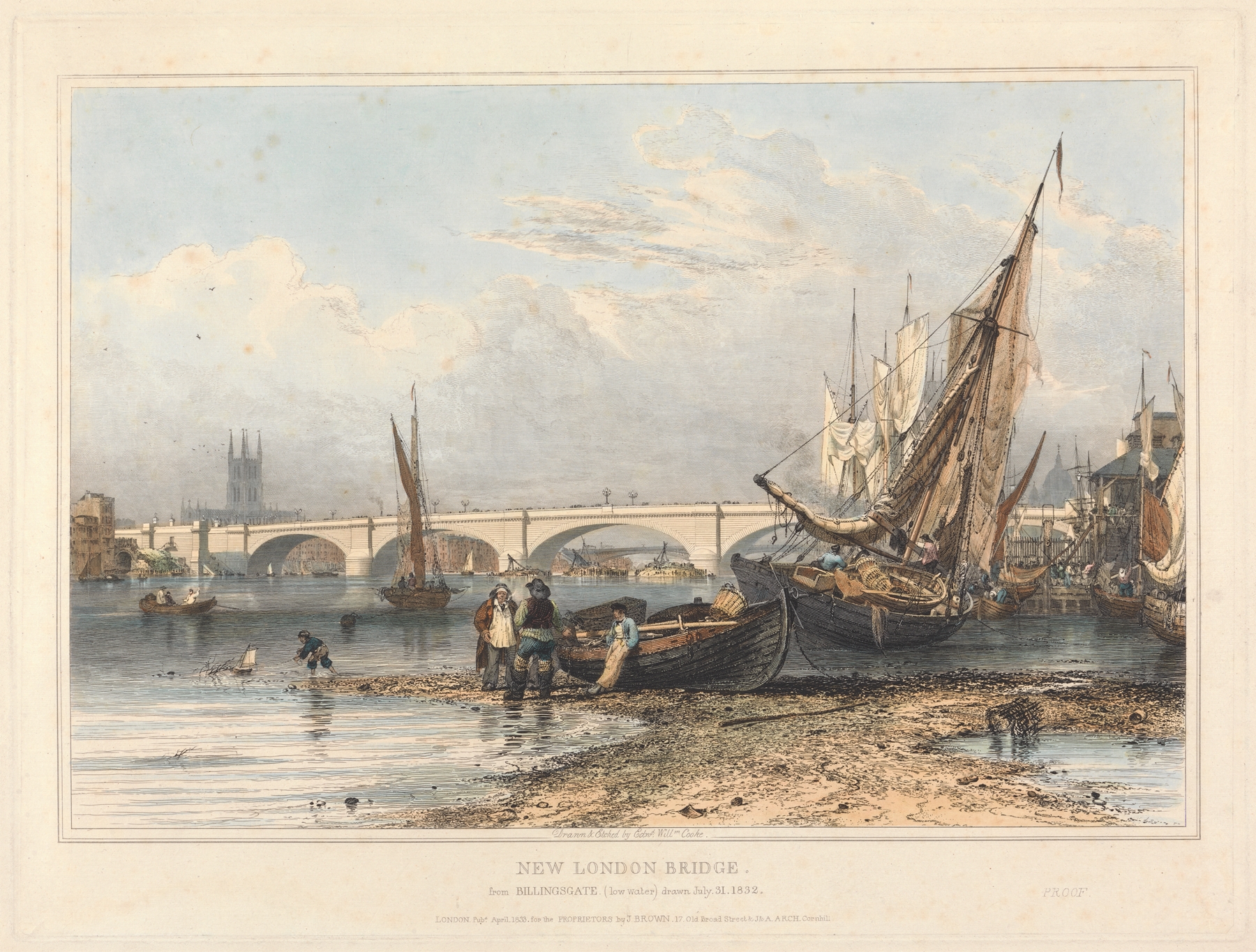
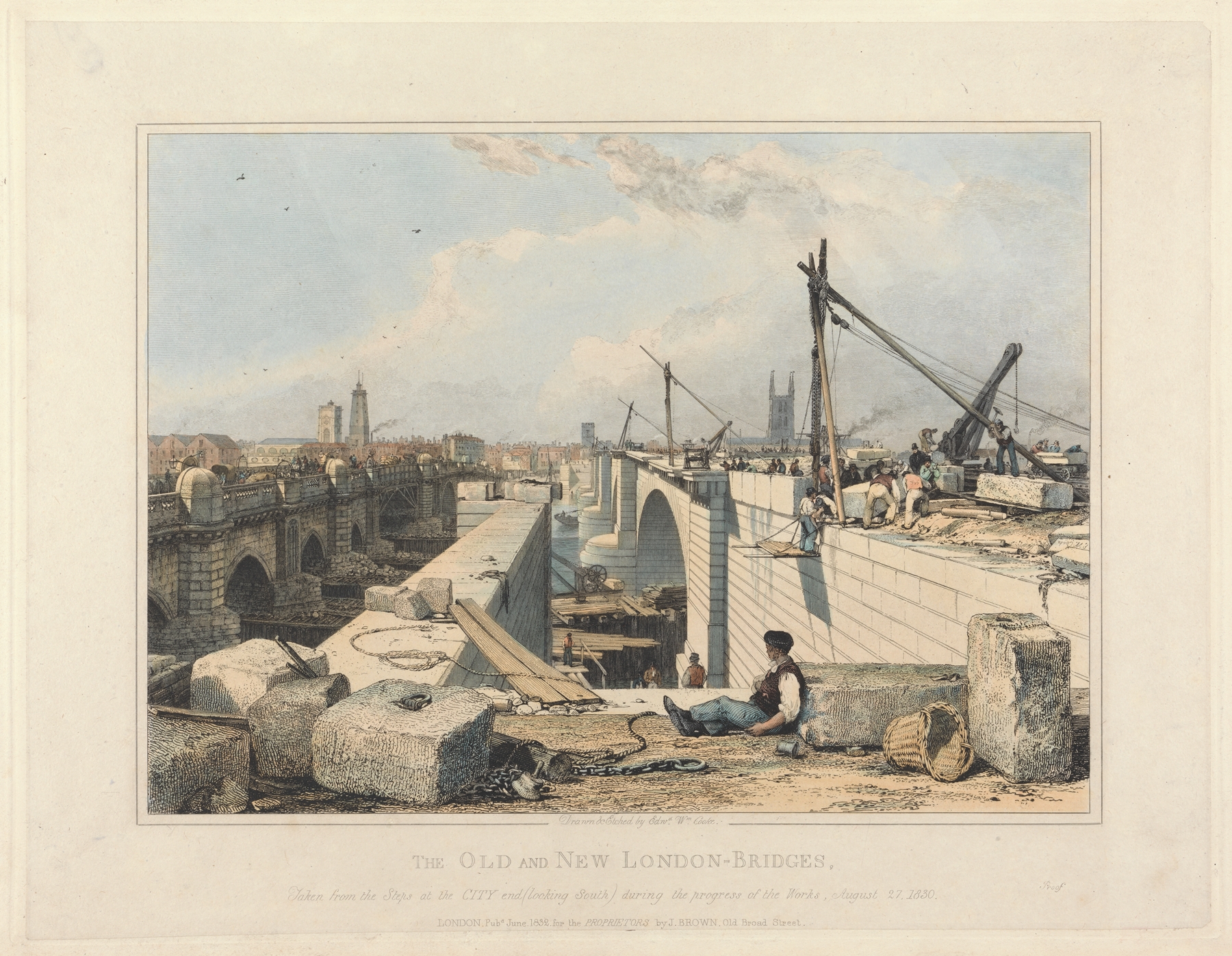
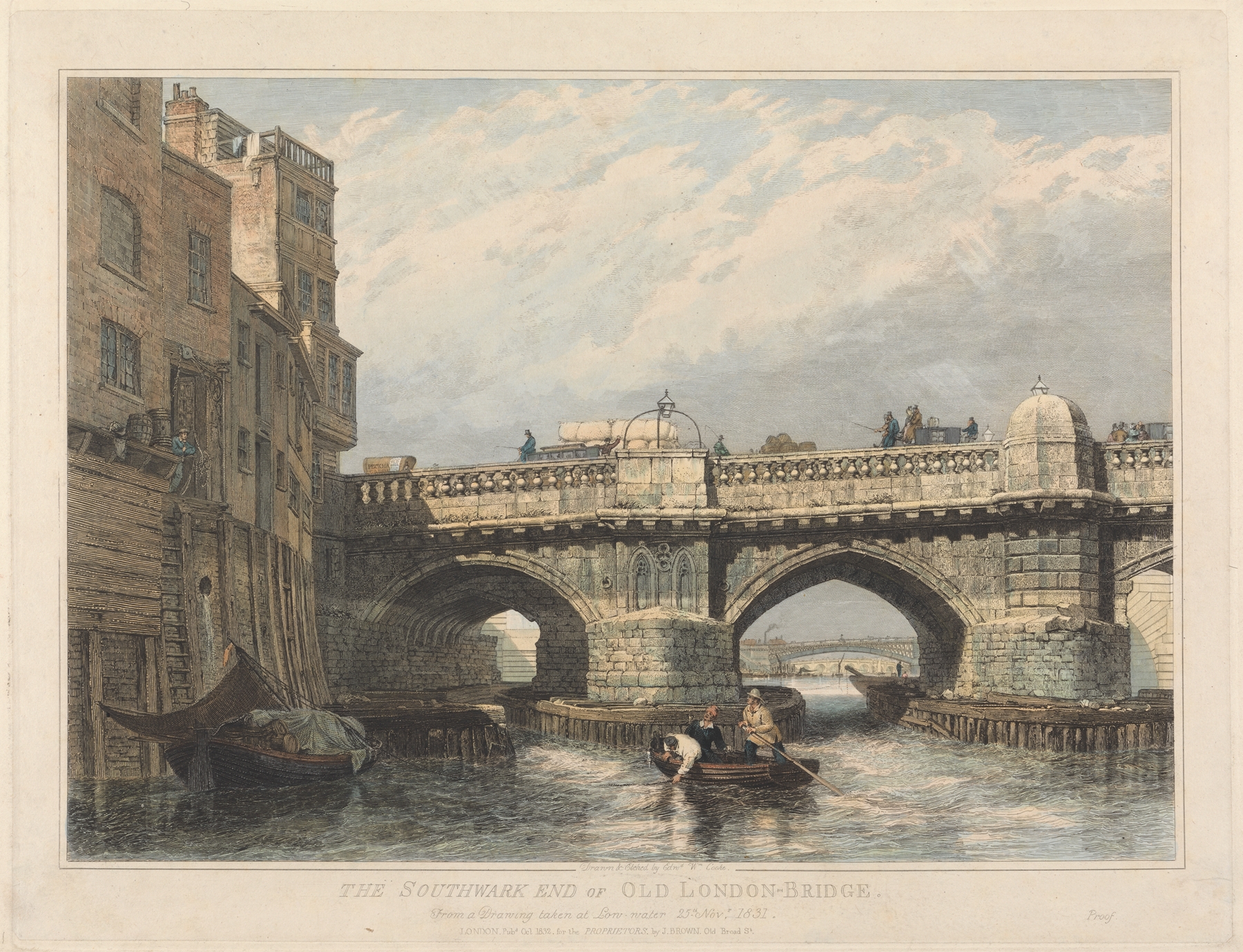
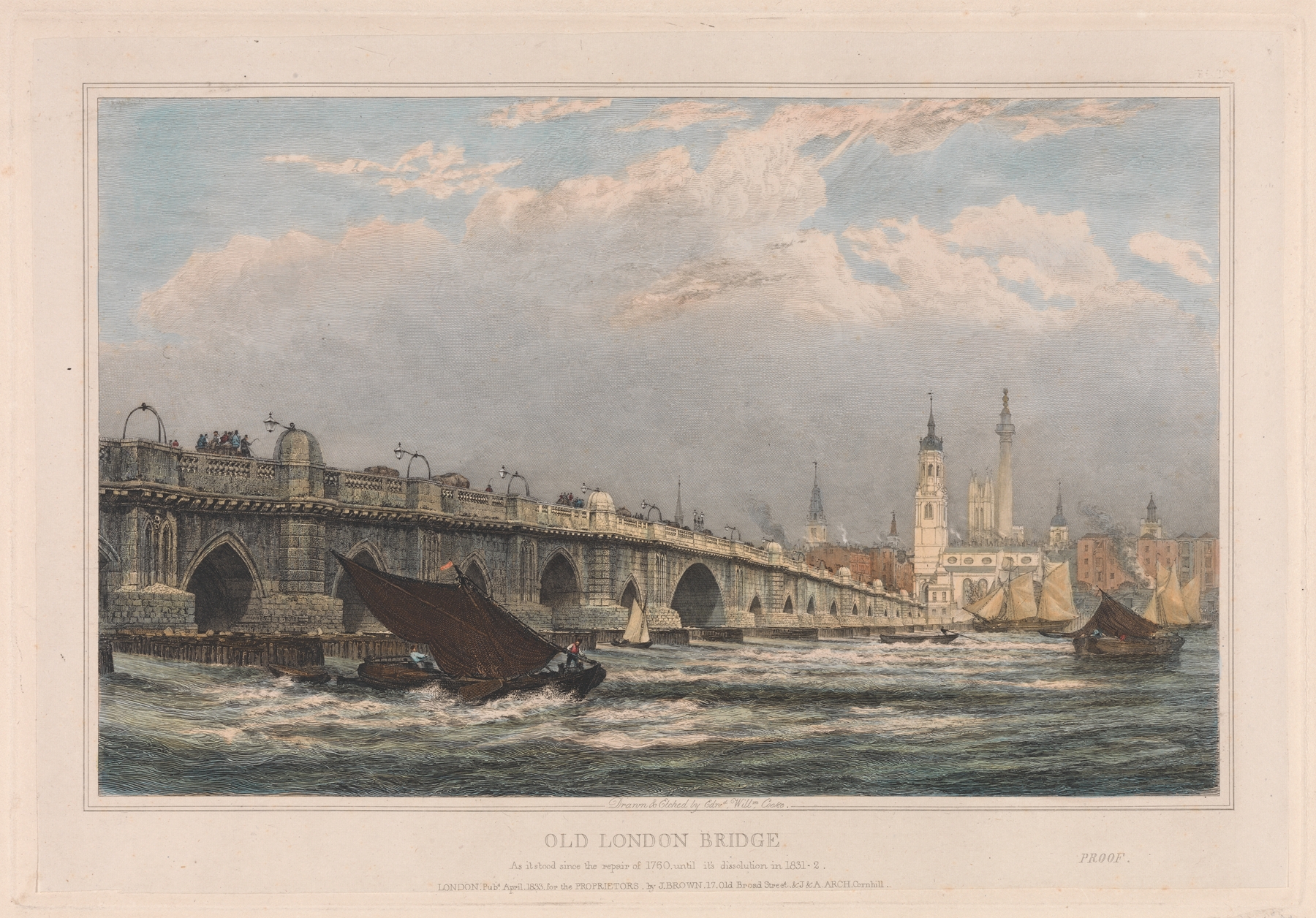
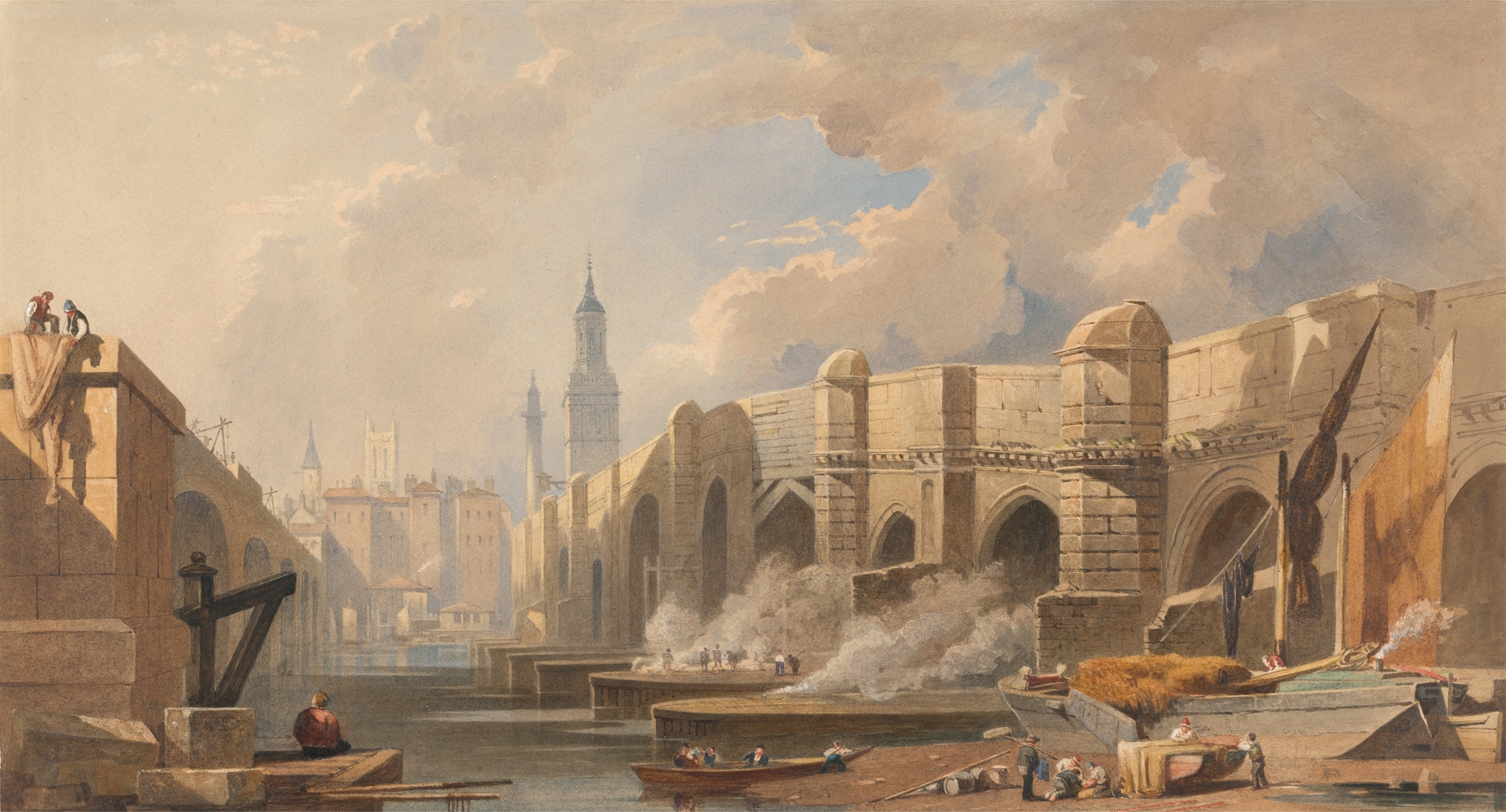
“The canvas doesn’t lie — it simply waits.” In this moment of awakening, a bridge stands as a testament to time, spanning the chasm between what was and what is. It invites reflection on the stories held within its arches, whispering of the lives that have crossed, the dreams forged, and the moments lost. Look to the right at the intricate details of the weathered stone, each crack a note in a symphony of history. The soft, muted colors blend harmoniously, evoking a sense of nostalgia, while the lively strokes around the water breathe life into the scene.
Notice how the gentle ripples reflect both the bridge and the sky — a duality that hints at the intertwining of past and present. The careful composition draws the eye towards the bustling activity beneath the arches, where figures traverse with purpose, each one a fleeting spark against the backdrop of enduring structure. In the interplay of shadow and light, a poignant contrast emerges — the permanence of the bridge juxtaposed with the transience of human existence. This duality stirs questions of legacy and continuity, as the old bridge cradles the new world around it.
Each passerby appears almost ephemeral, reinforcing the notion that while the architecture may stand steadfast, humanity forever dances in its shadow, sometimes oblivious to the stories etched into the stone. Created in the mid-19th century, the artwork reflects Cooke's deep engagement with London's evolving landscape. During this period, the city was bustling with industrial growth, as the old bridges began to symbolize both progress and preservation. The artist captured this transitional moment, merging the vitality of urban life with the sturdy elegance of historical structures, thus laying bare the complex relationship between time, architecture, and society.