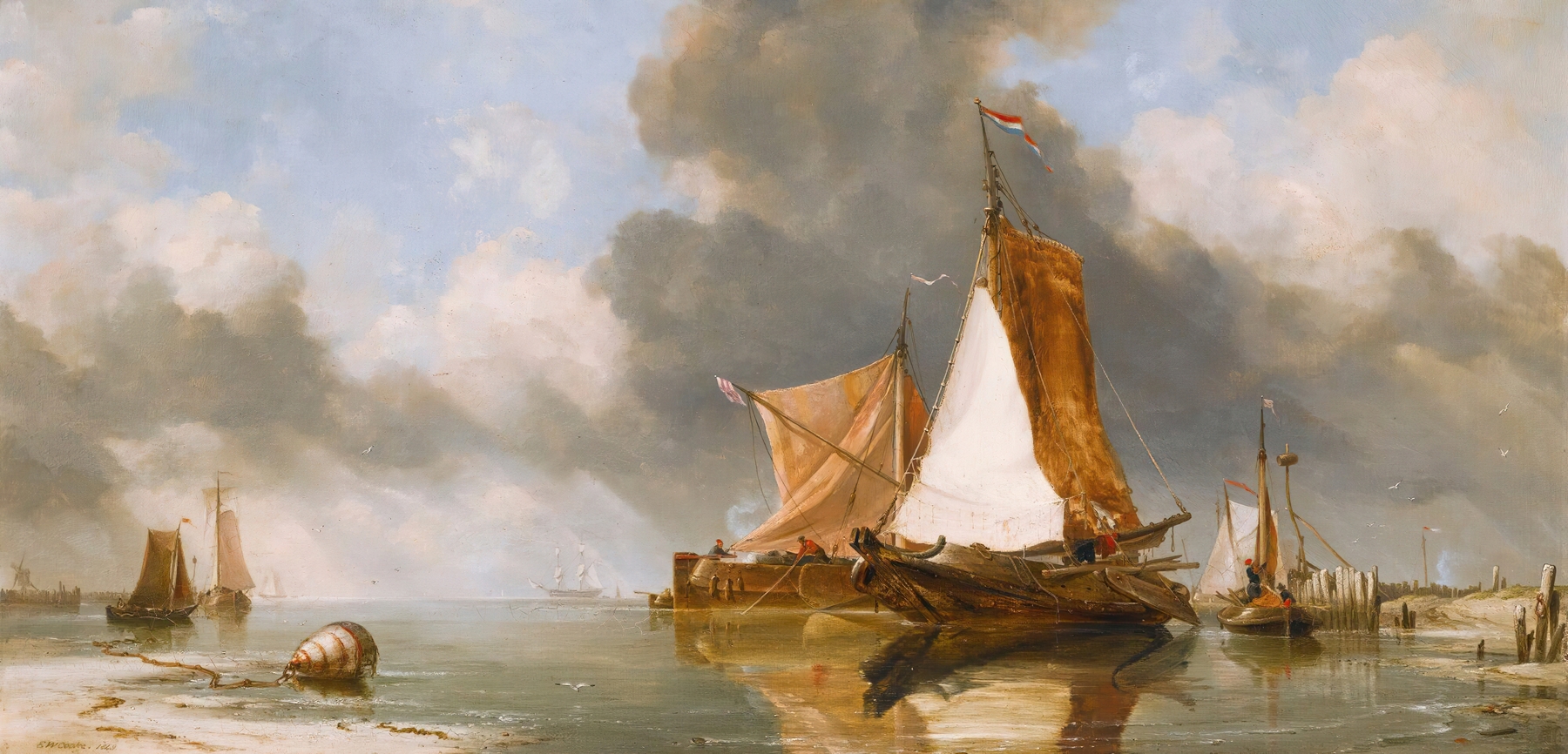
A Dutch Calm, Zuider Zee Fishing Craft — History & Analysis
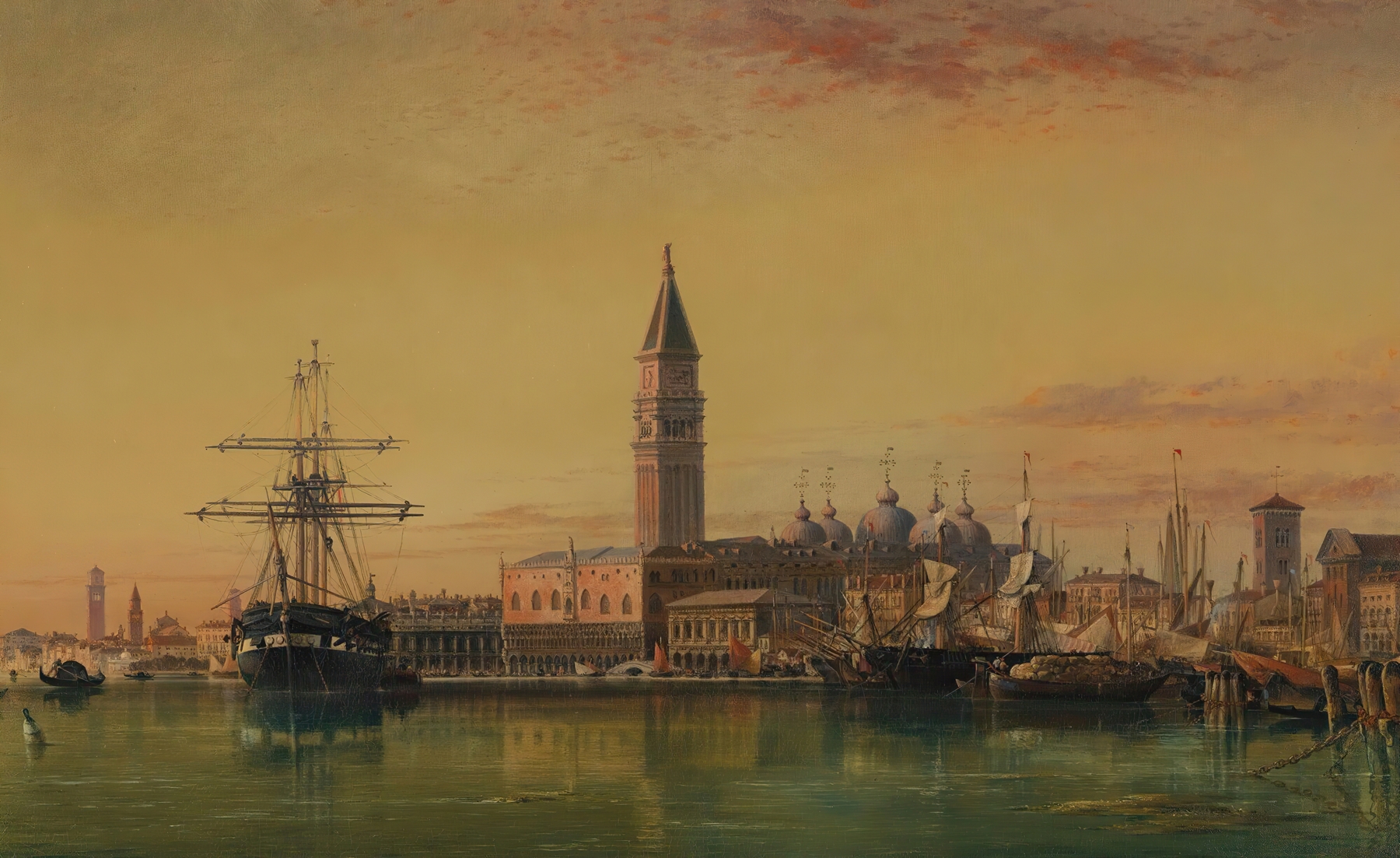
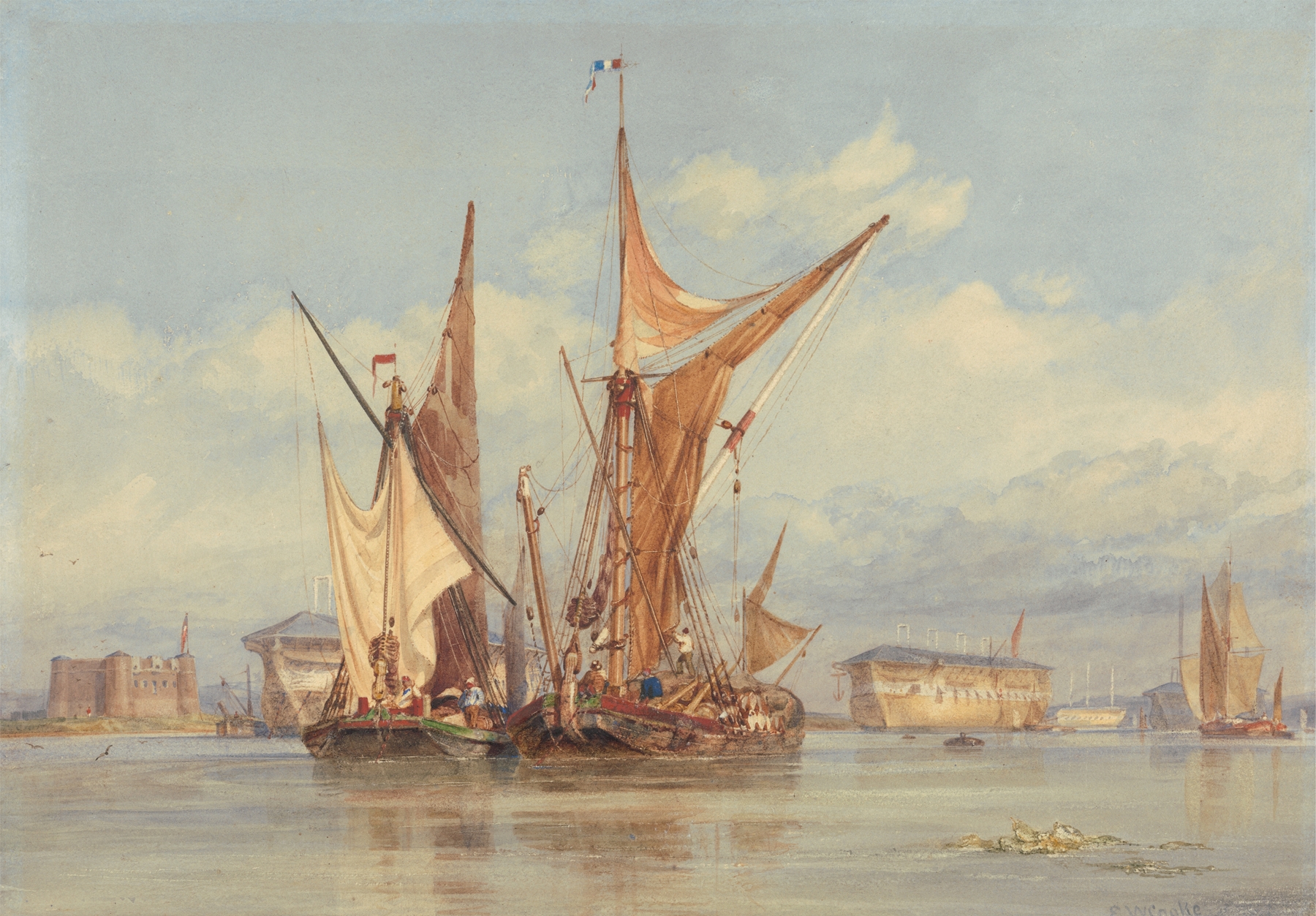
“Sometimes beauty is just pain, disguised in gold.” This sentiment echoes throughout the serene yet intricate tableau captured in 1849. The delicate balance of nature and human endeavor punctuates the canvas, inviting contemplation of the harmony we seek amid life’s unpredictable currents. Look to the tranquil waters in the foreground, where the soft ripples reflect a harmonious blend of blues and greens, imbued with a sense of calm. The fishing craft, anchored yet poised, dominates the composition with its humble wooden frame, painted in muted earth tones that resonate with the surrounding environment.
Notice how the light dances across the sails, illuminating their texture and revealing the skilled craftsmanship of the vessel, creating a striking contrast against the darker waters below. Delve deeper into the juxtaposition of man and nature, as the boats seem to be in quiet conversation with the gentle tides. There’s an unspoken tension in this peaceful scene; while the fishermen exert effort to draw from the sea, the ever-present, unseen forces of nature remind us of life’s fragility. The muted color palette envelops the viewer in a sense of introspection, as the harmony portrayed belies the struggles inherent in such endeavors—a delicate balance between survival and beauty.
During the creation of A Dutch Calm, Zuider Zee Fishing Craft, Cooke was deeply engaged with the Dutch maritime landscape, immersed in the traditions and realities of fishing life. Living in the mid-19th century, he found inspiration in a world where industrialization began to reshape society, yet the timeless rhythms of nature persisted. This work reflects both his artistic evolution and the enduring connection to the waterways that sustained communities through generations.