Old London Bridge after the Repair of 1700 until 1831 — History & Analysis
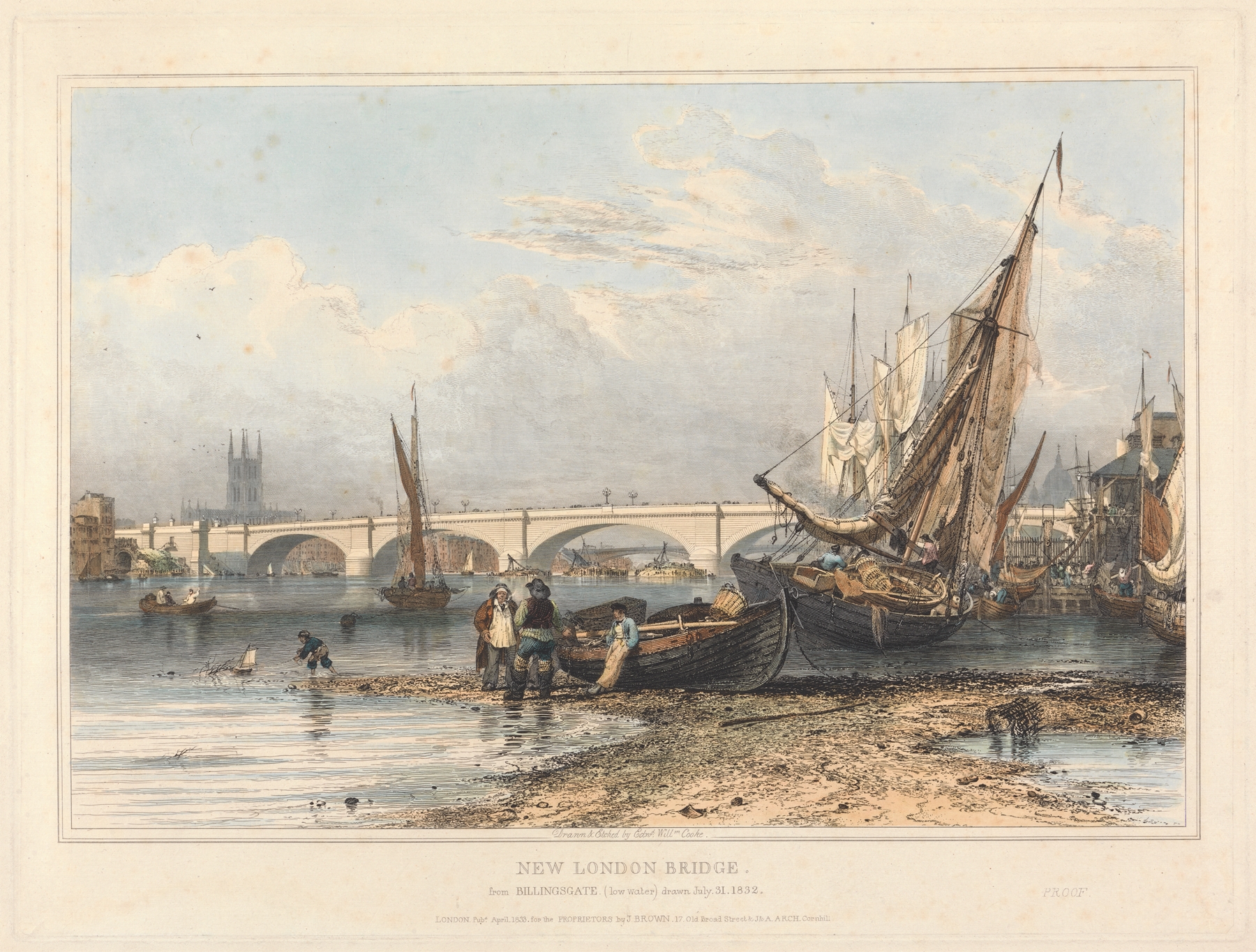
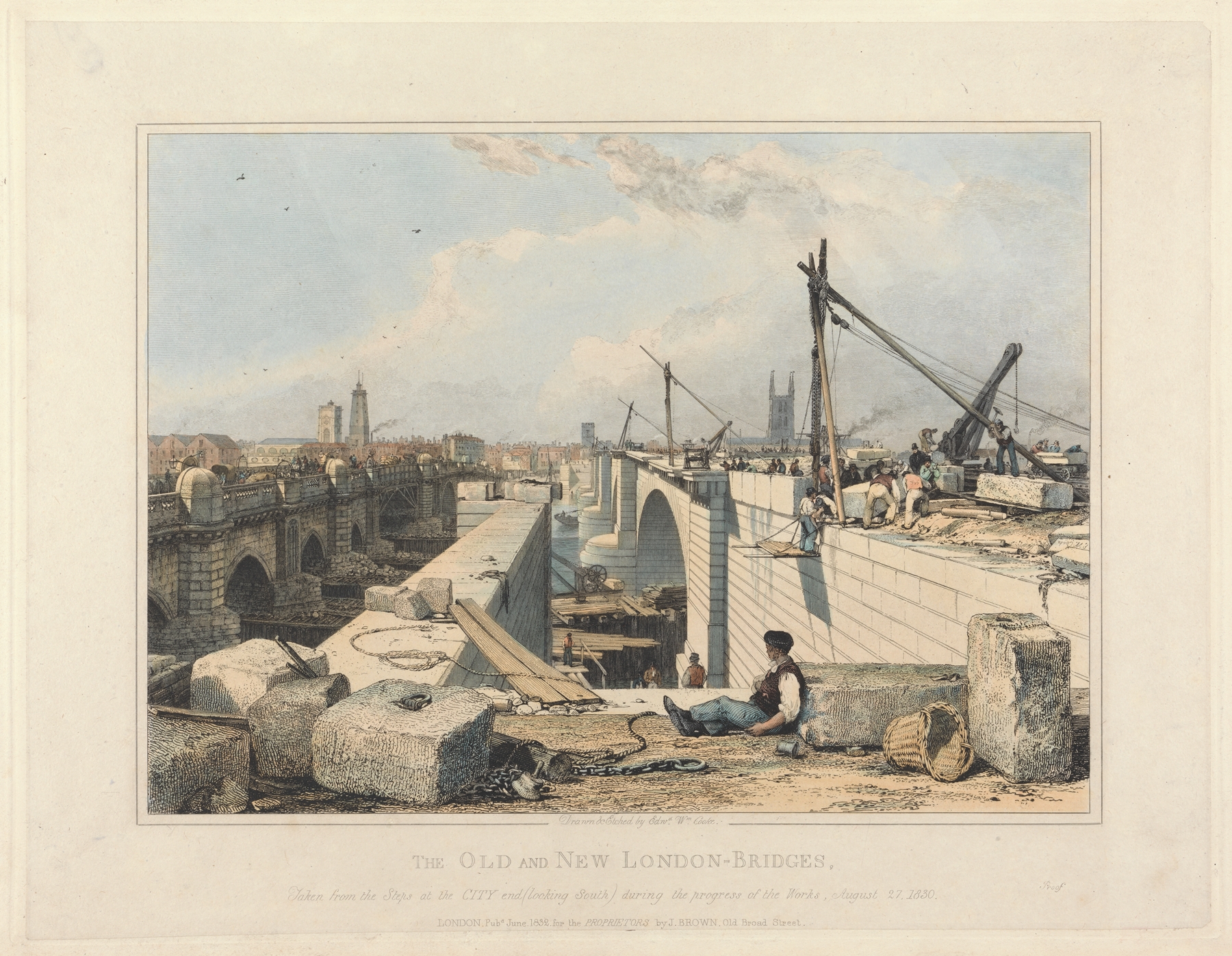
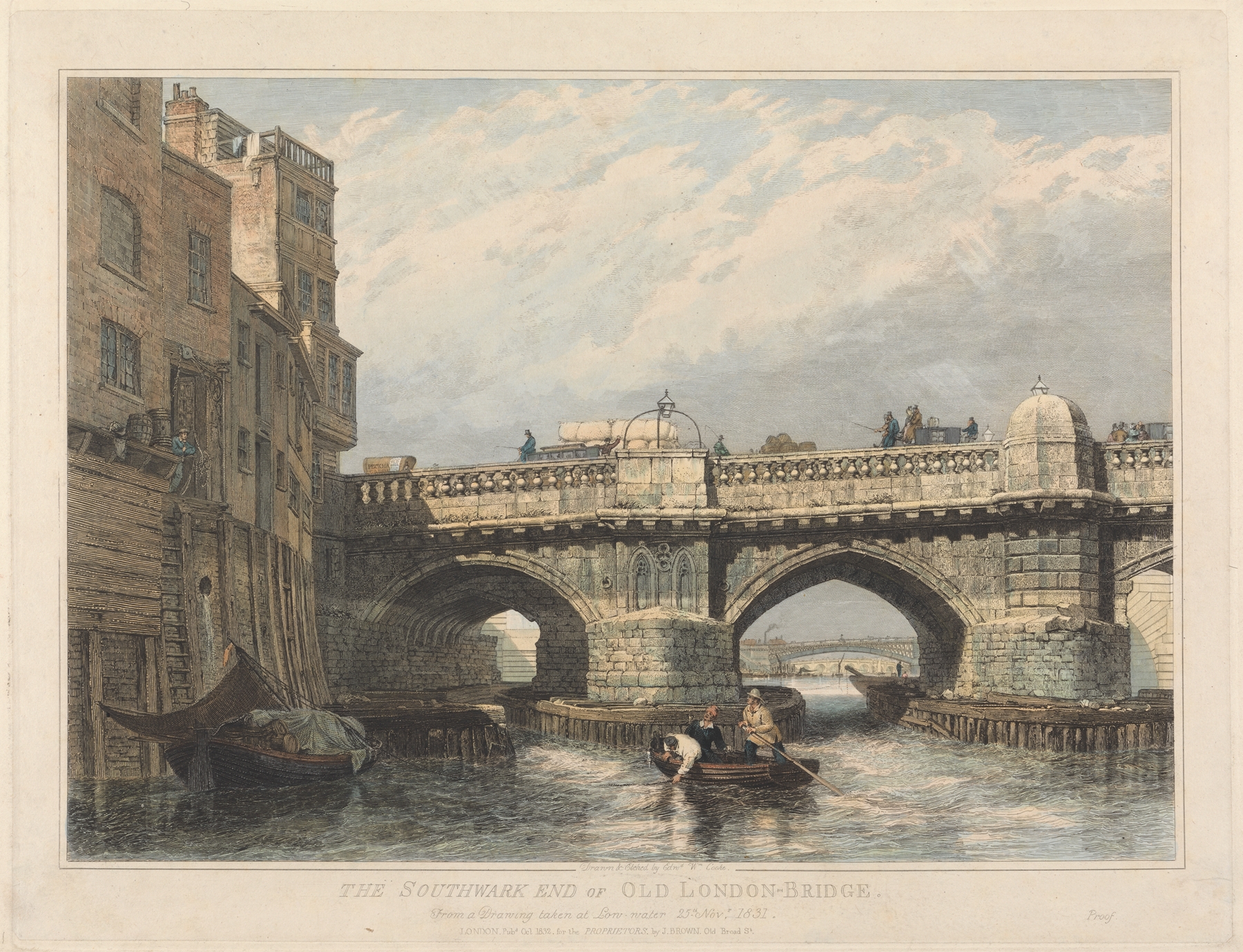
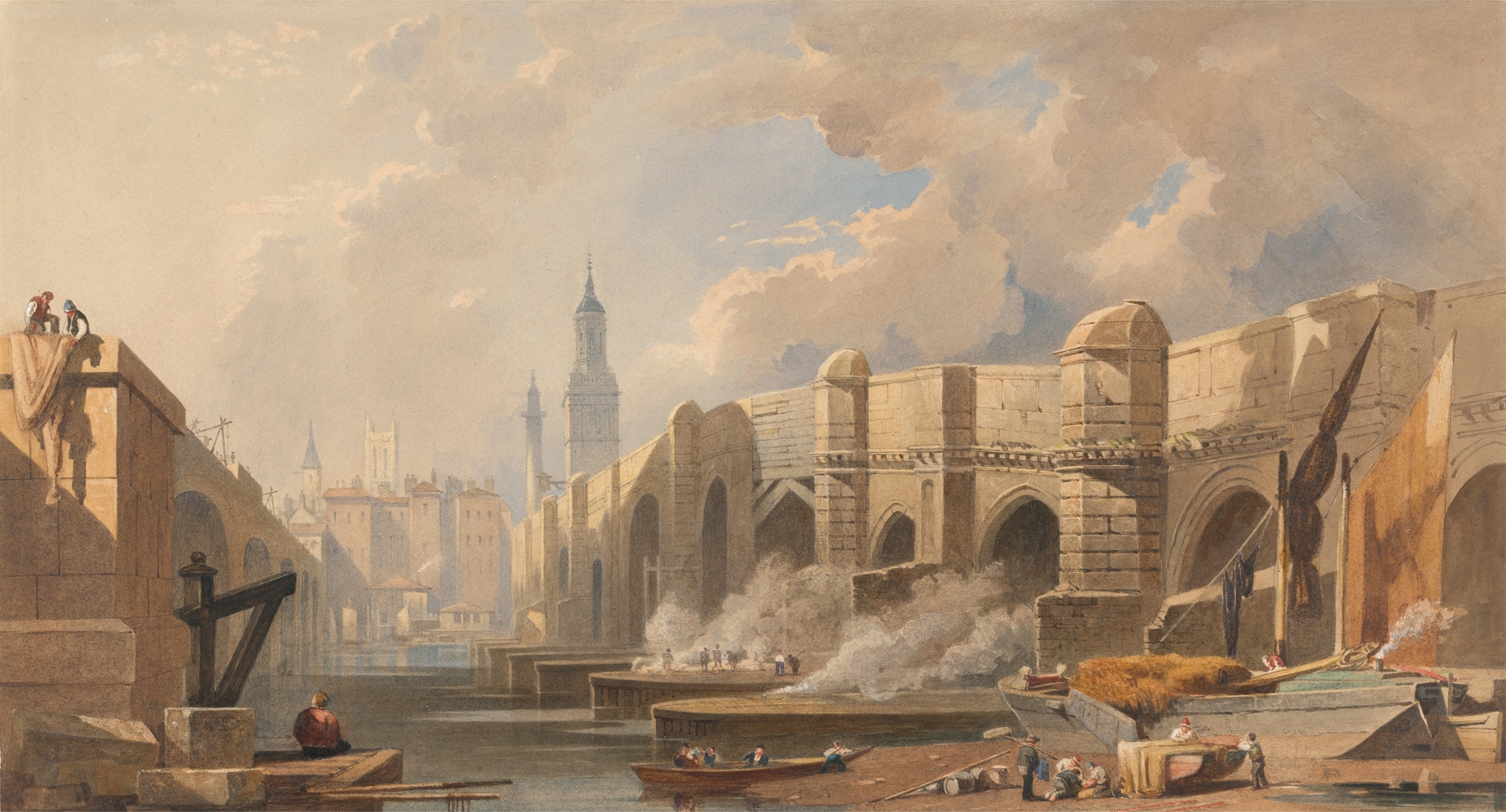
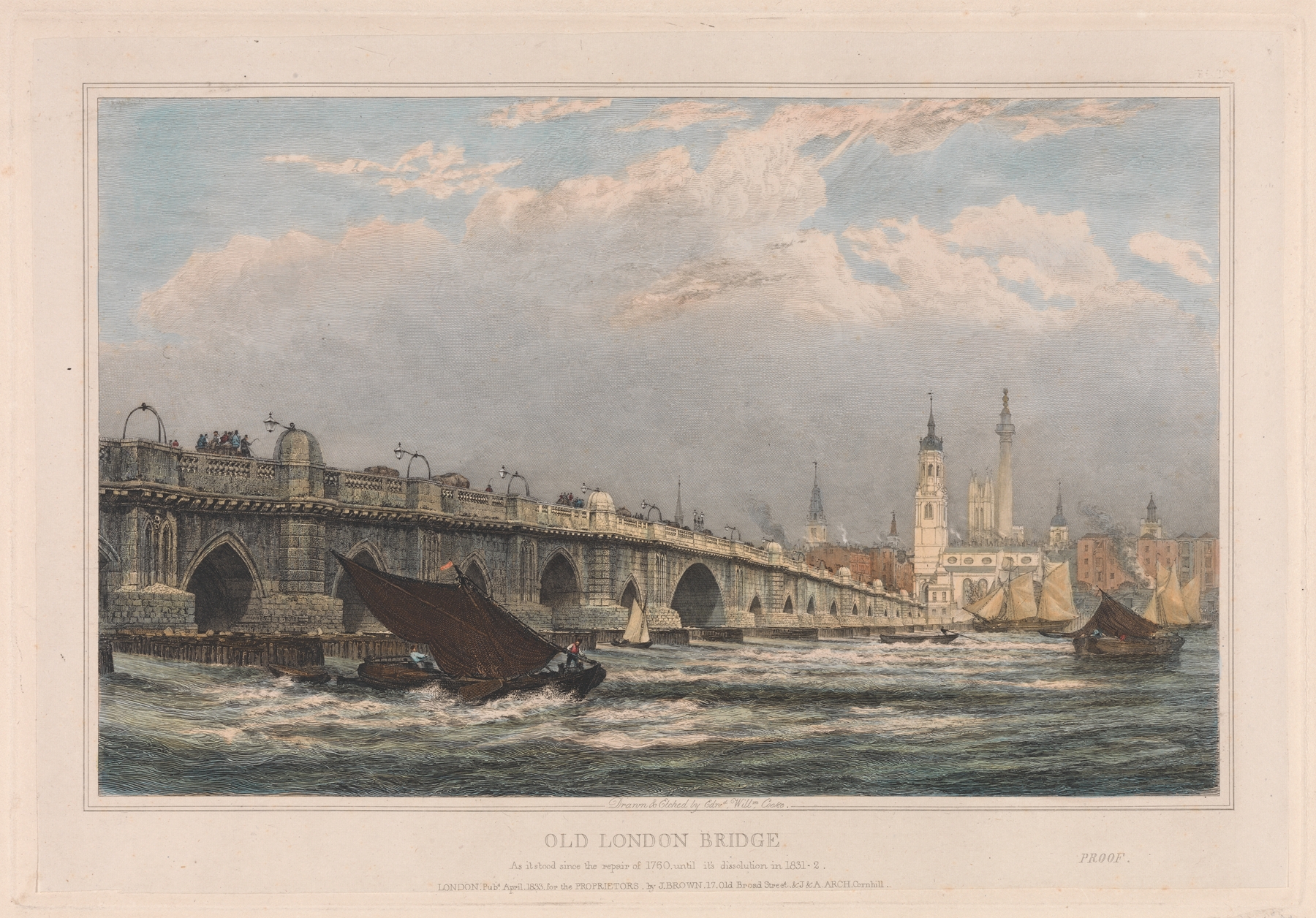
“Every brushstroke is a heartbeat remembered.” In the heart of chaos, an artist's hand captures the essence of an era—a bustling bridge that stands as a witness to the passage of time and turmoil. Look to the center of the canvas, where the Old London Bridge rises majestically, a testament to human resilience. The intricate details of the arches and spires come alive under the soft play of light, revealing the stone's weathered textures. Surrounding figures, busy and varied, animate the scene while vibrant splashes of color breathe life into the murky waters below, drawing your eye through the composition with a sense of bustling motion.
As you absorb the painting, consider the contrasts at play—the stability of the bridge amid the swirling chaos of humanity. The bridge represents permanence, while the figures evoke the transient nature of life, each immersed in their own stories. The juxtaposition of the calm architecture against the dynamic energy of the people suggests a broader commentary on the ever-changing nature of society and its infrastructure, reminding us that even the strongest structures are subject to the ebb and flow of time.
In 1833, Edward William Cooke portrayed this iconic structure just after it had been repaired, capturing both the physical and cultural shifts occurring in London. The early 19th century was a time of significant change in Britain, marked by the Industrial Revolution and urban expansion. Cooke's choice to depict the bridge at this moment reflects a deep engagement with the evolving narratives of the city and the lives intertwined with its history.