Brig Gen. Armstrong engaging British fleet in harbor of Fayne, Sept. 26, 1814 — History & Analysis
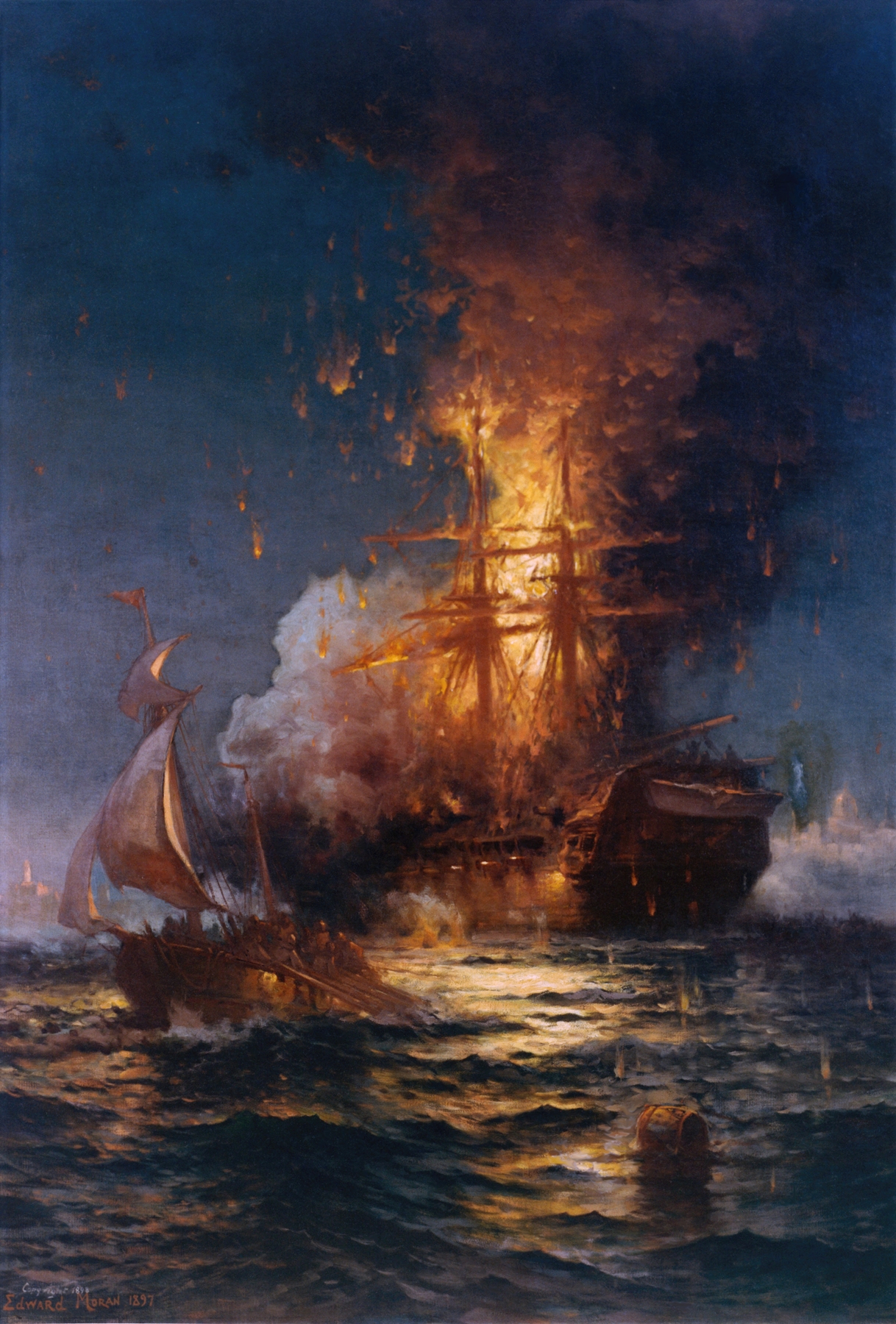
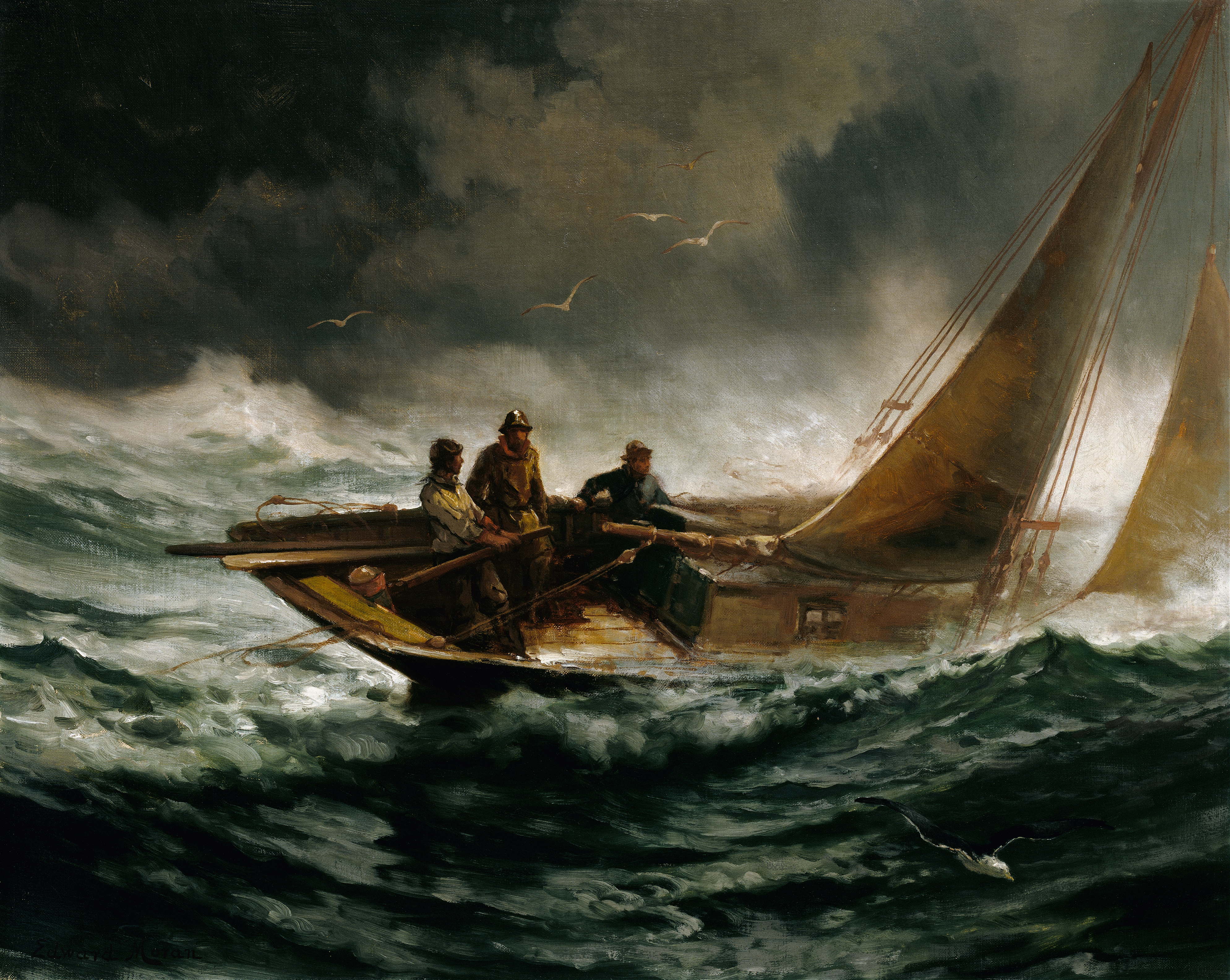
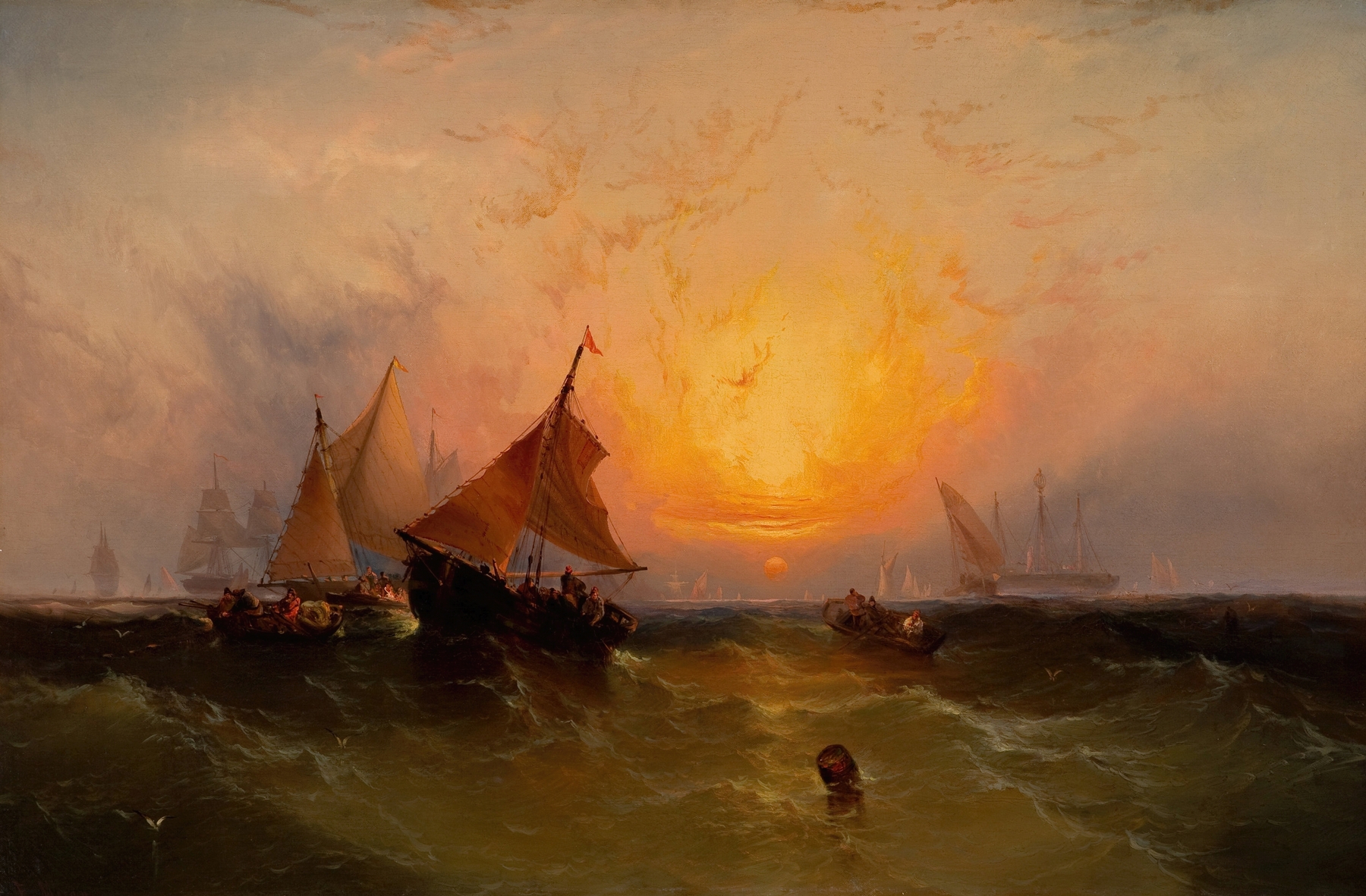
Did the painter know this moment would outlive them? In the midst of turmoil, hope often rises from the depths of conflict, echoing across time. Look to the center of the canvas, where Brigadier General Armstrong stands resolute, his figure embodying determination against an expansive backdrop of tumultuous waters. The British fleet looms ominously in the distance, their towering masts silhouetted against a sky awash in warm hues of orange and gold.
Notice how the billowing clouds above both threaten and promise, their movement reflecting the anxious pulse of the battle — a masterful play of light that draws your eye toward the tension of the impending clash. Amidst the chaos, subtle details emerge — the flicker of flags snapping in the wind, the expressions of sailors teetering between fear and valor, and the turbulent waves that seem to echo the heartbeats of those poised to fight. These elements juxtapose the weight of impending confrontation with the flickering candle of hope, suggesting that even in dire straits, courage can illuminate the darkest of waters. There is an undercurrent of unity in the colors—blue for the sea of struggle and gold for the light of freedom—which whispers to the viewer of triumph that springs from the ashes of despair.
In 1895, when this piece was created, Edward Moran crafted a reflection of both his nation’s past and contemporary spirit, during a time when America was reaffirming its identity and celebrating valor. His choice to depict this pivotal naval engagement illustrates a nostalgia for heroism as well as a desire to inspire future generations. The late 19th century was a moment of introspection in American art, where idealism met realism, and Moran engaged deeply with these currents at a point when the legacy of such battles was being reexamined.