Brook End, Essex — History & Analysis
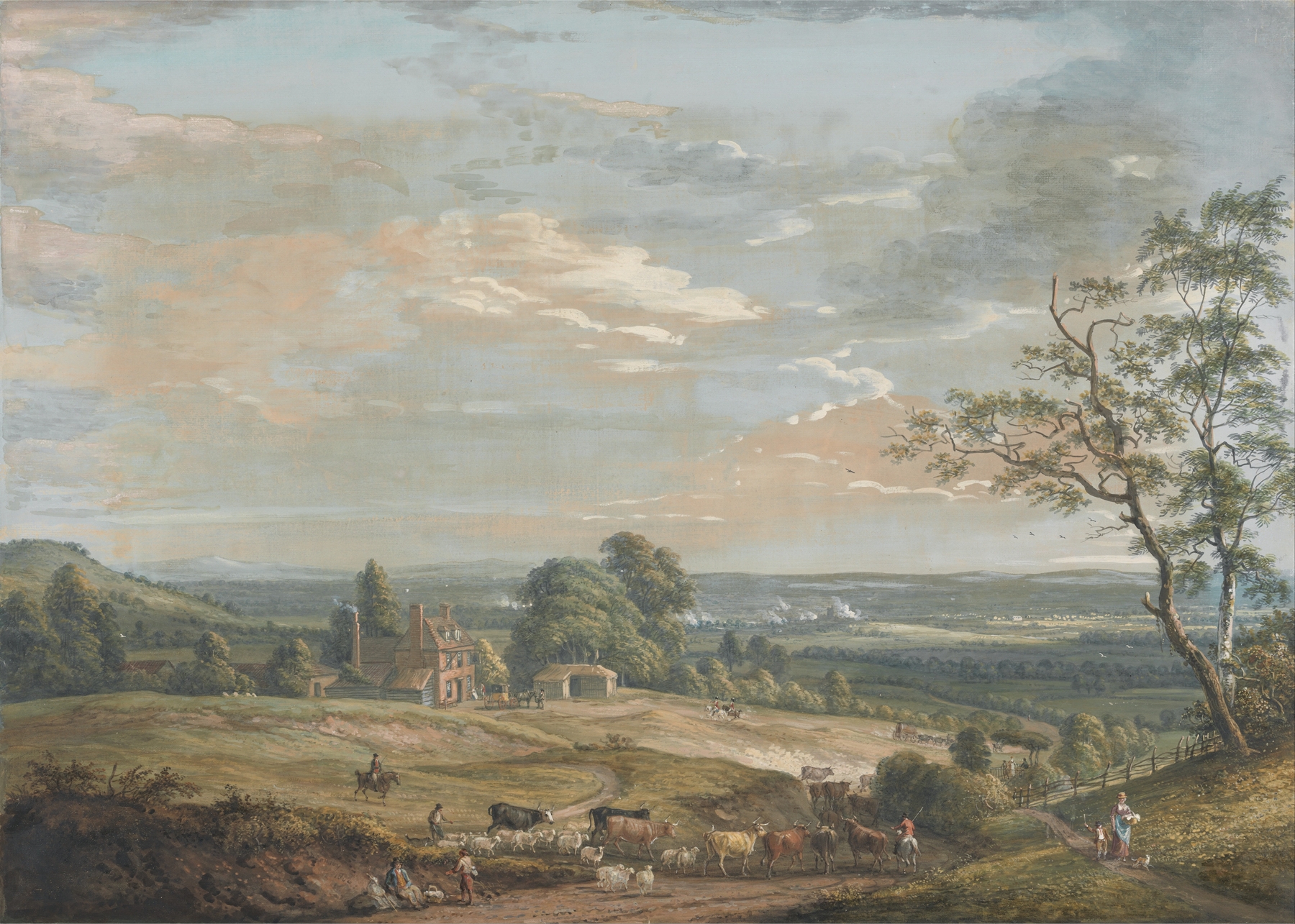
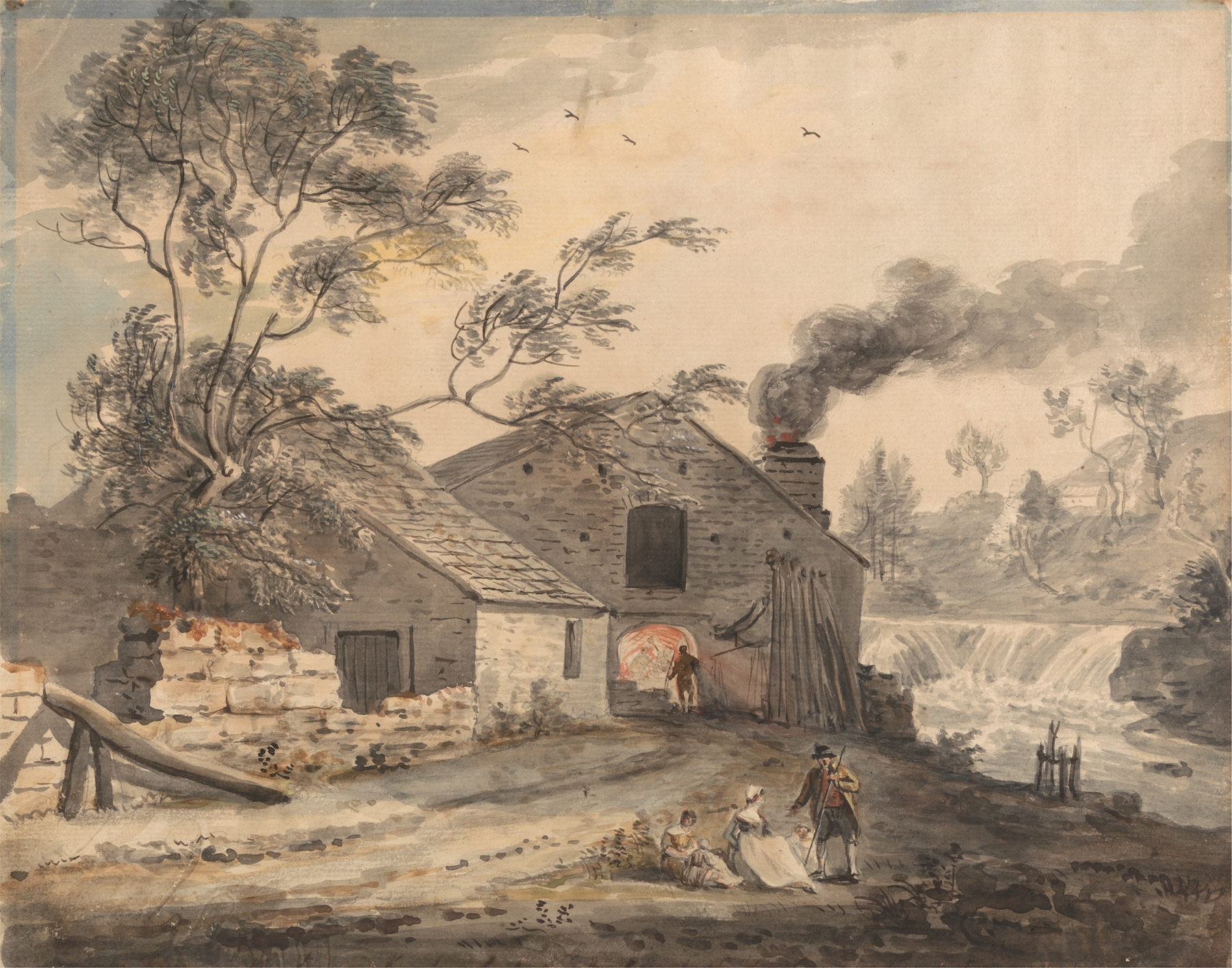
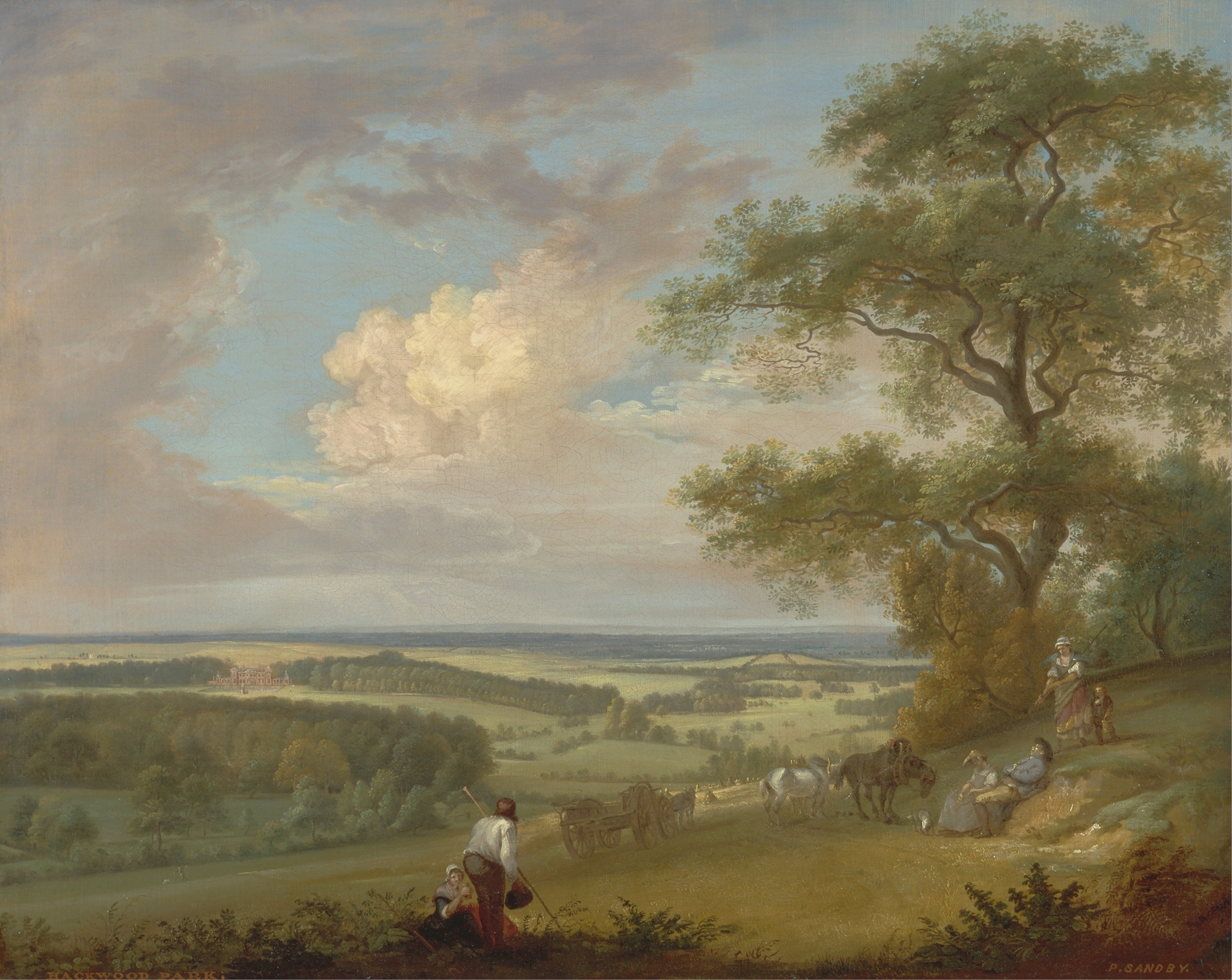
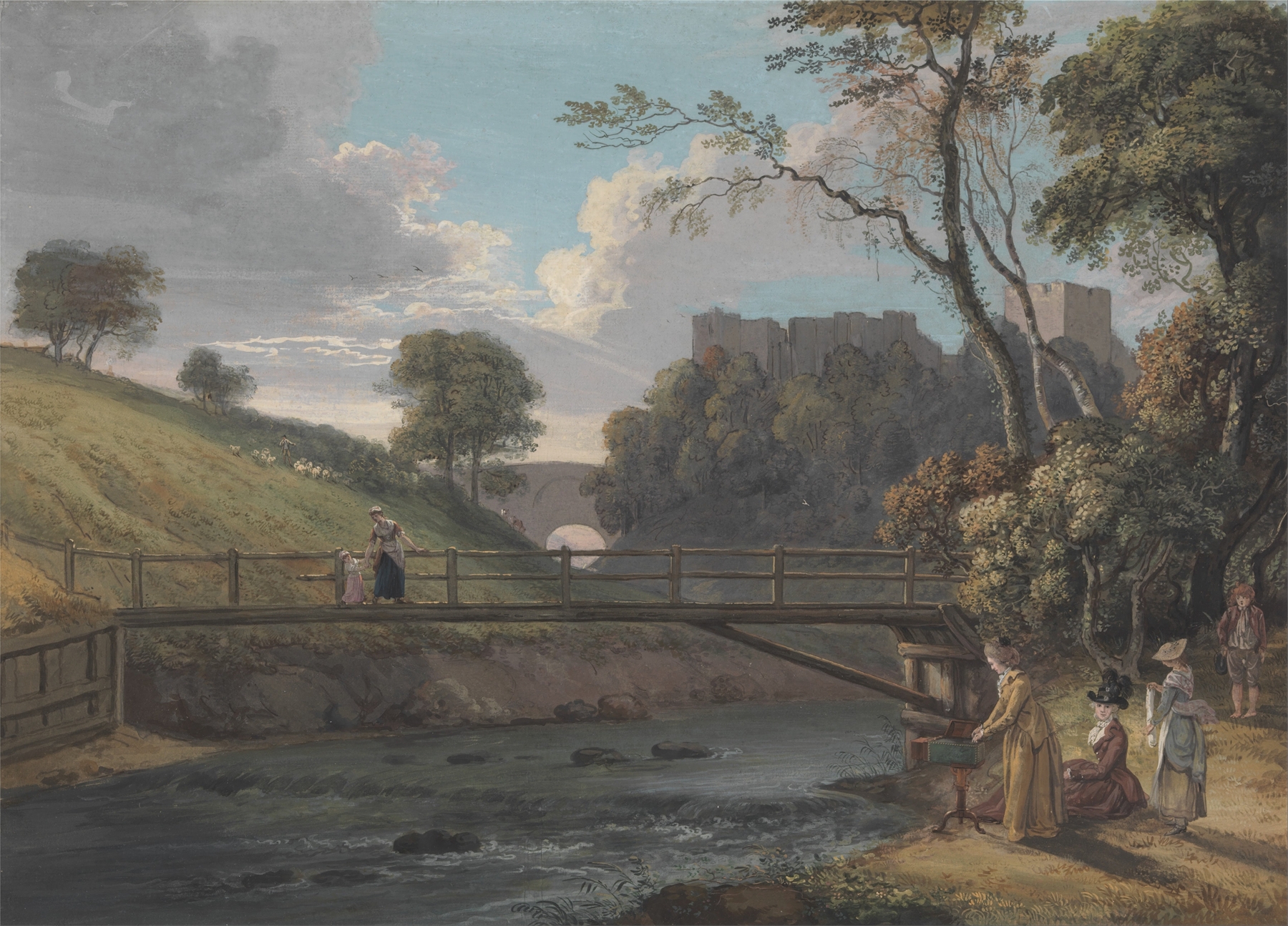
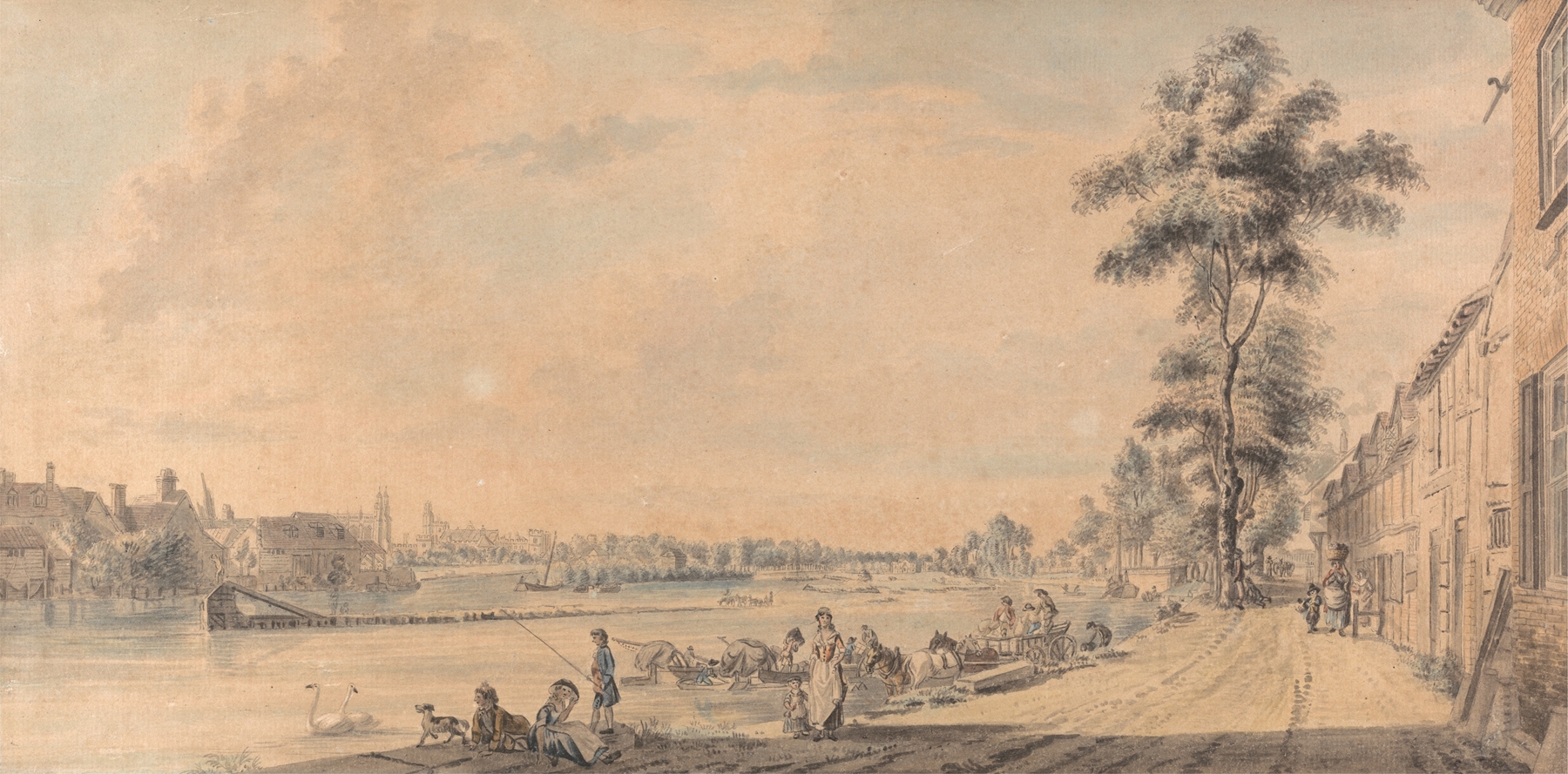
Who listens when art speaks of silence? Within stillness, time stretches and shapes our perception, inviting contemplation and connection with the unseen. Begin by directing your gaze to the gentle undulation of the landscape, where soft hills cradle the horizon. Notice how the muted palette of greens and browns invokes a sense of tranquility, while light breaks delicately across the scene, casting a warm glow over the tranquil waters of the brook.
The artist's deft handling of watercolor creates an ethereal quality, with fluid brushstrokes that reflect both the serenity and transience of nature. Beneath the surface charm lies a deeper narrative. The juxtaposition of vibrant vegetation against the calm water hints at a harmony in nature, yet also reveals a longing for permanence in a world constantly in flux. The subtle interplay of shadows indicates the passage of time, evoking the fleeting moments we often overlook, as if whispering the secrets of the landscape into our ears.
Each element captures a memory, a breath, a feeling—reminding us of the stories that linger long after the scene has faded. In this work, the artist captured a moment in an outdoor setting typical of 18th-century England, a period marked by a burgeoning appreciation for landscape painting. Working predominantly in watercolor, he pioneered new techniques that emphasized light and atmosphere, embodying a change in the artistic landscape of his time. Amidst a growing movement towards Romanticism, Brook End, Essex reflects both personal and societal transitions, marrying the past with the fleeting beauty of the present.