Bruggetje over een sloot langs een bosrand — History & Analysis
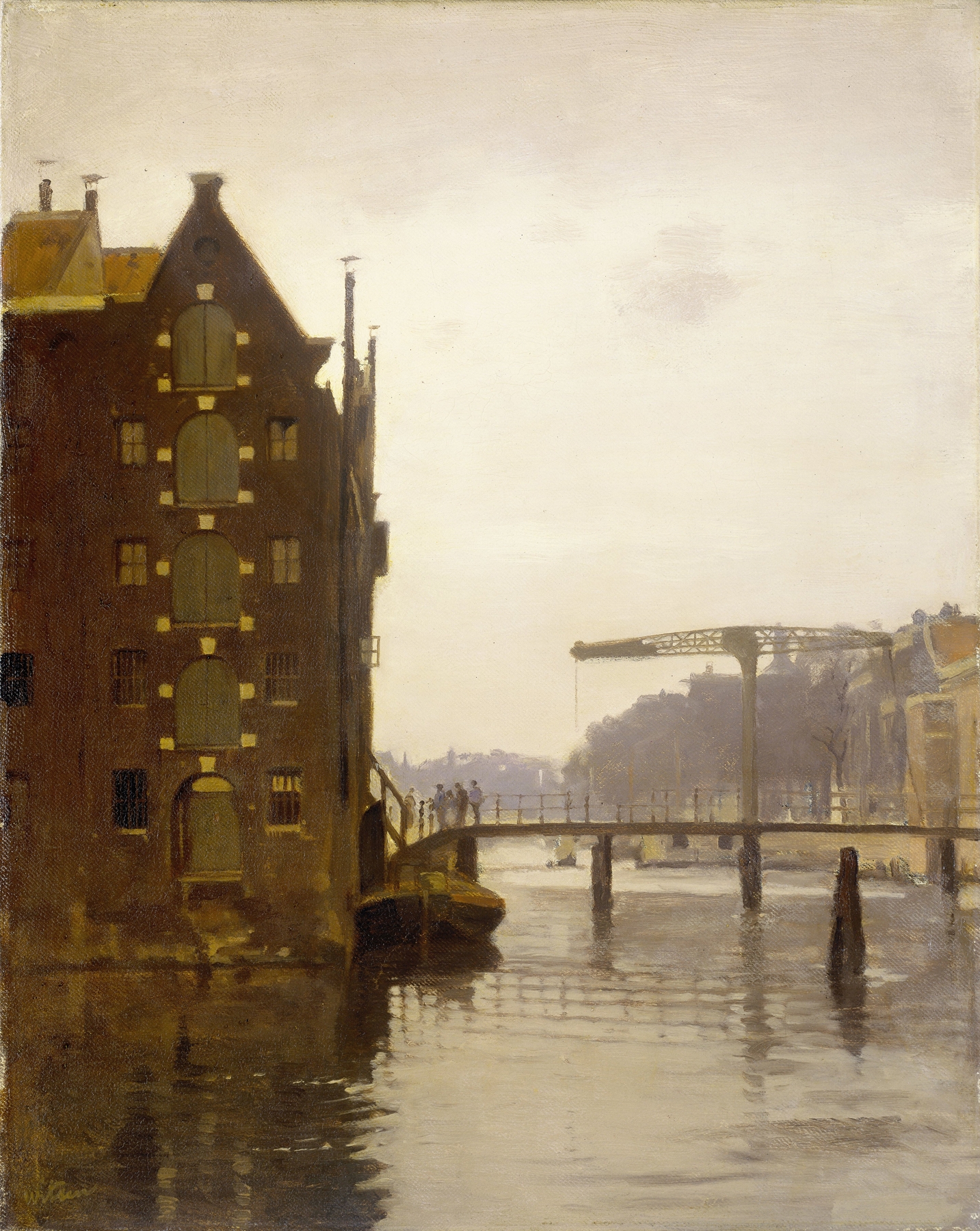
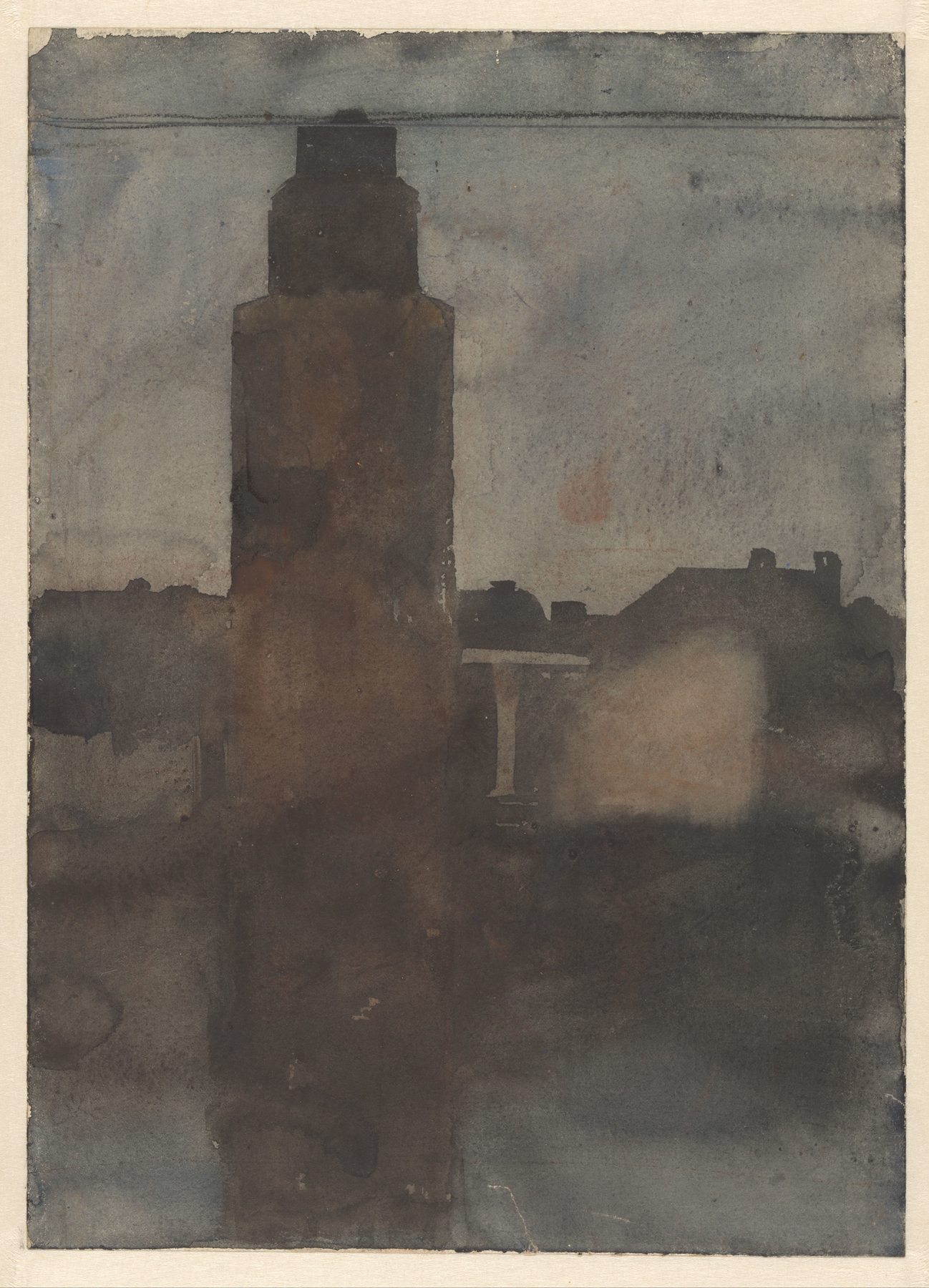
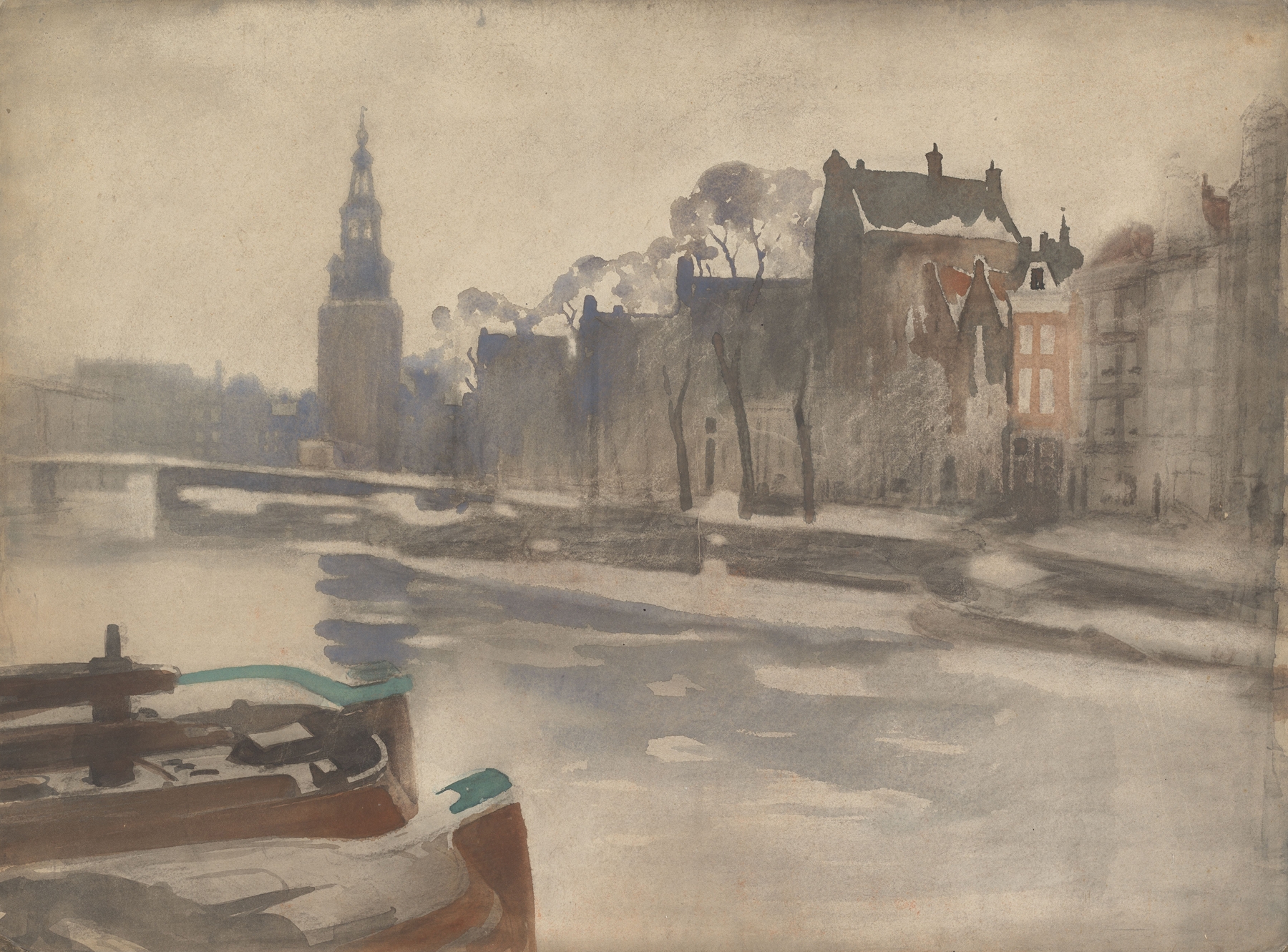
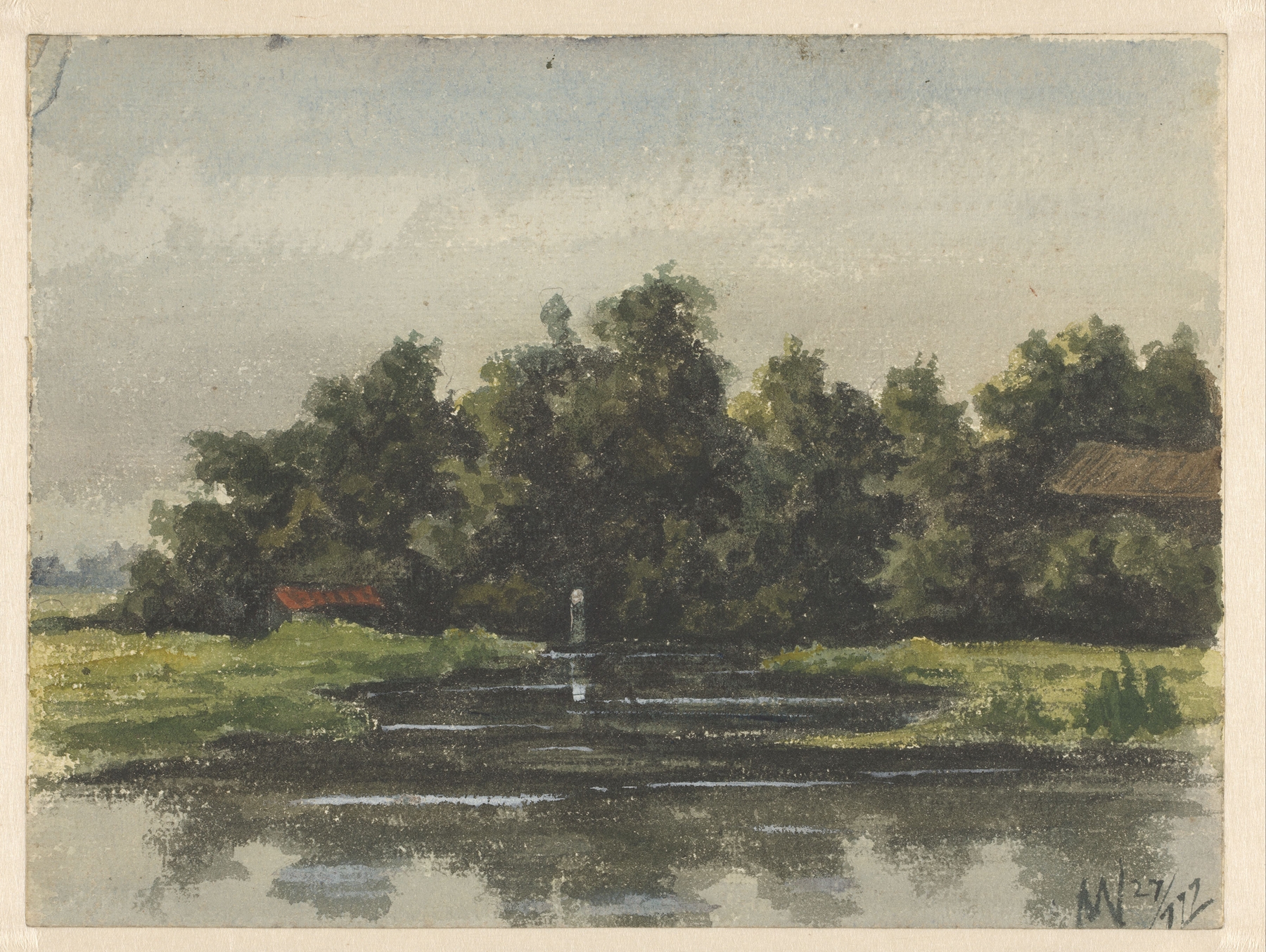
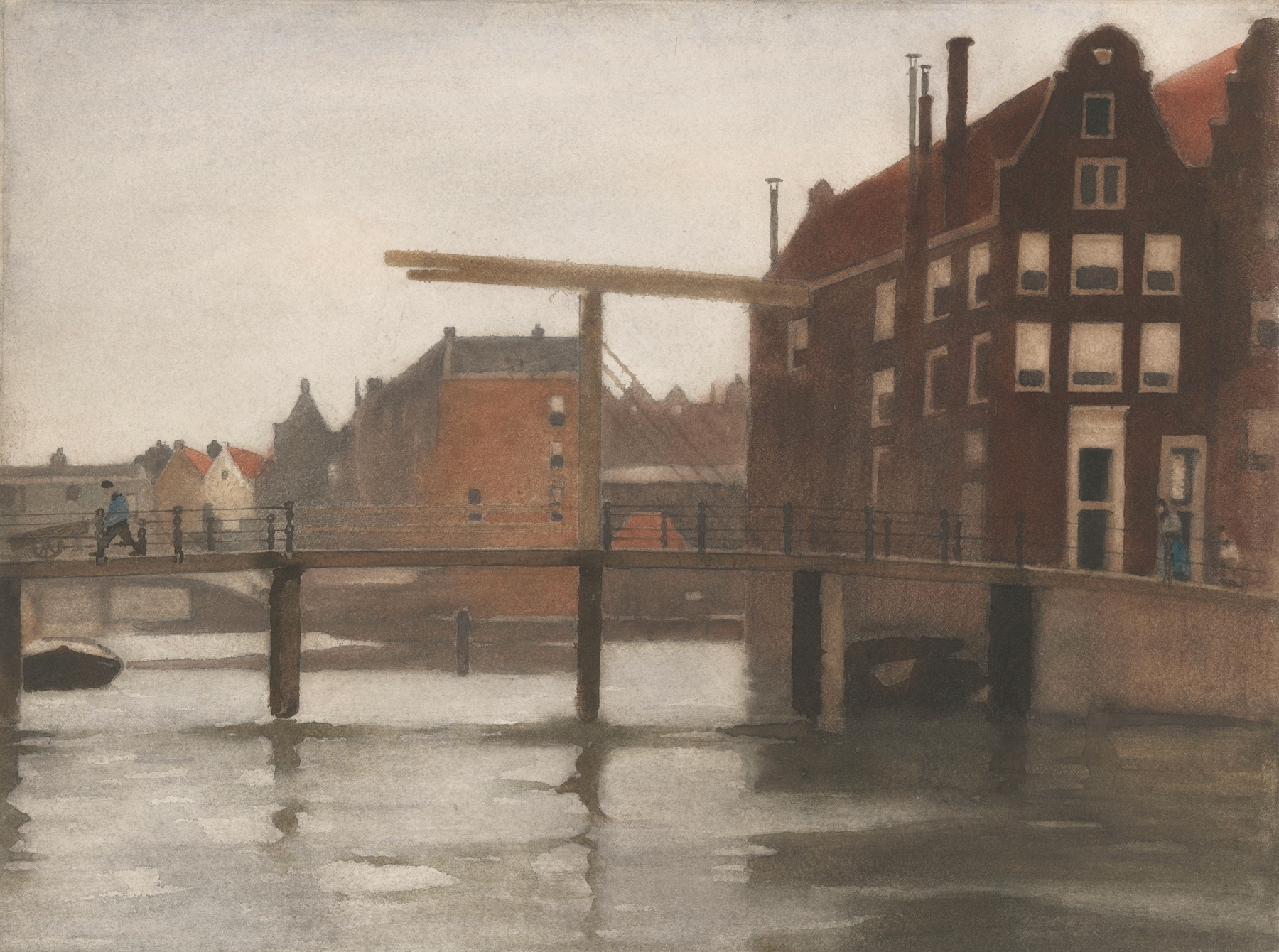
When did color learn to lie? In the delicate interplay of hues and shadows, fragility emerges, whispering secrets about the world we think we know. Look to the center, where the bridge gently arches over the serene water, its reflection trembling like a memory just out of reach. Notice how the muted greens of the surrounding trees frame the scene, while dappled sunlight trickles through the leaves, casting intricate patterns on the surface below.
The soft strokes and layered textures reveal a meticulous attention to detail, drawing the viewer deeper into this tranquil yet transient moment. Upon closer inspection, one can sense the emotional tension woven throughout the composition. The stillness of the water suggests a fleeting pause, hinting at the ephemerality of life itself. The bridge, both a passage and a barrier, symbolizes the fragility of connection; it invites exploration while reminding us of the distance that exists between realms.
The artist’s choice to render this scene in gentle, earthy tones amplifies the sense of nostalgia and introspection. Created between 1870 and 1923, this work reflects a pivotal time for Willem Witsen as he developed his unique style. During this period, he was exploring the Dutch countryside and capturing its beauty with a keen eye, contributing to the broader movement of Dutch Impressionism. Witsen's personal life intersected with a world increasingly fascinated by the interplay of light and color, allowing him to embrace a new language of expression that focused on the ephemeral nature of both landscape and emotion.