Bäume Am Kanal — History & Analysis
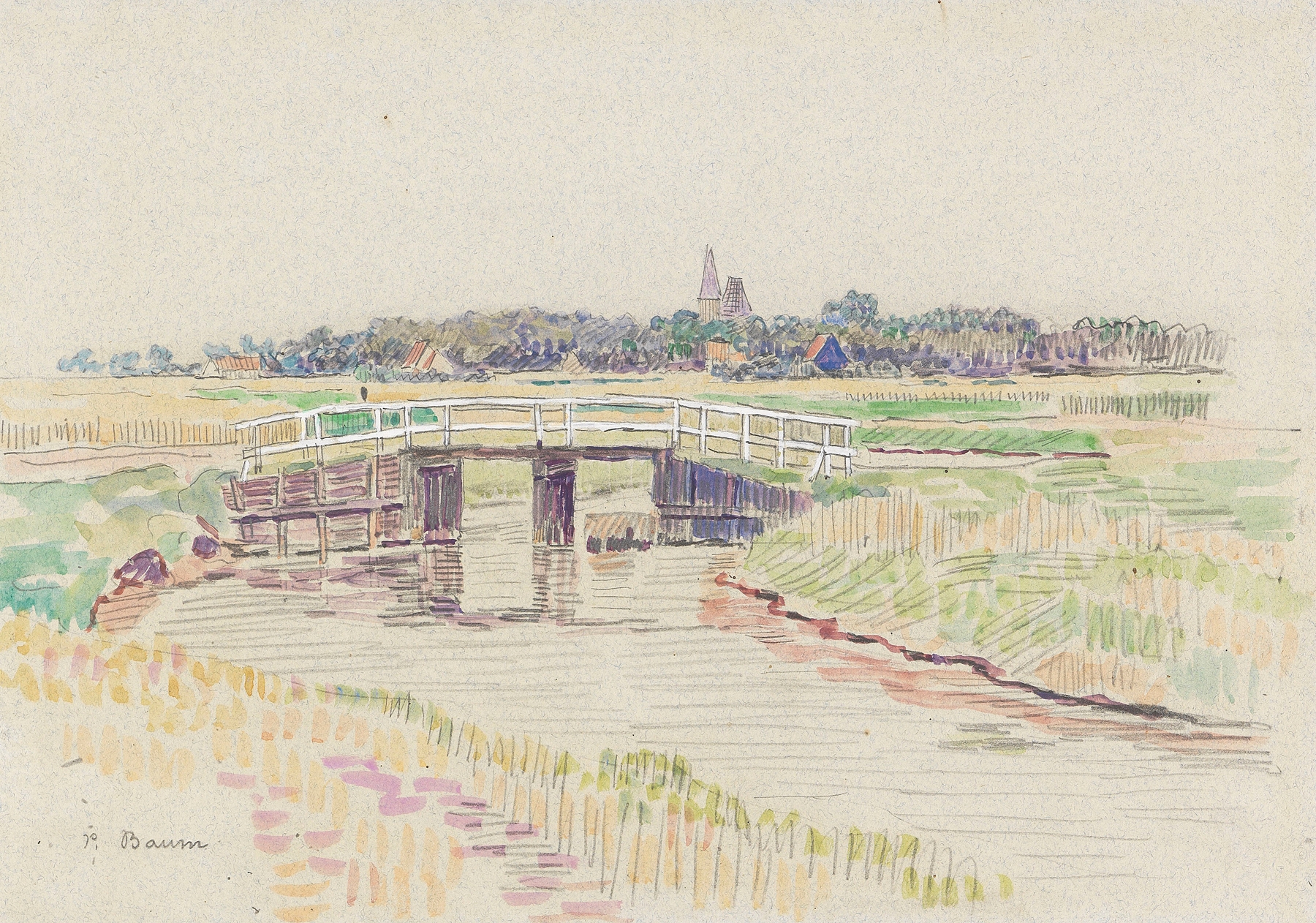
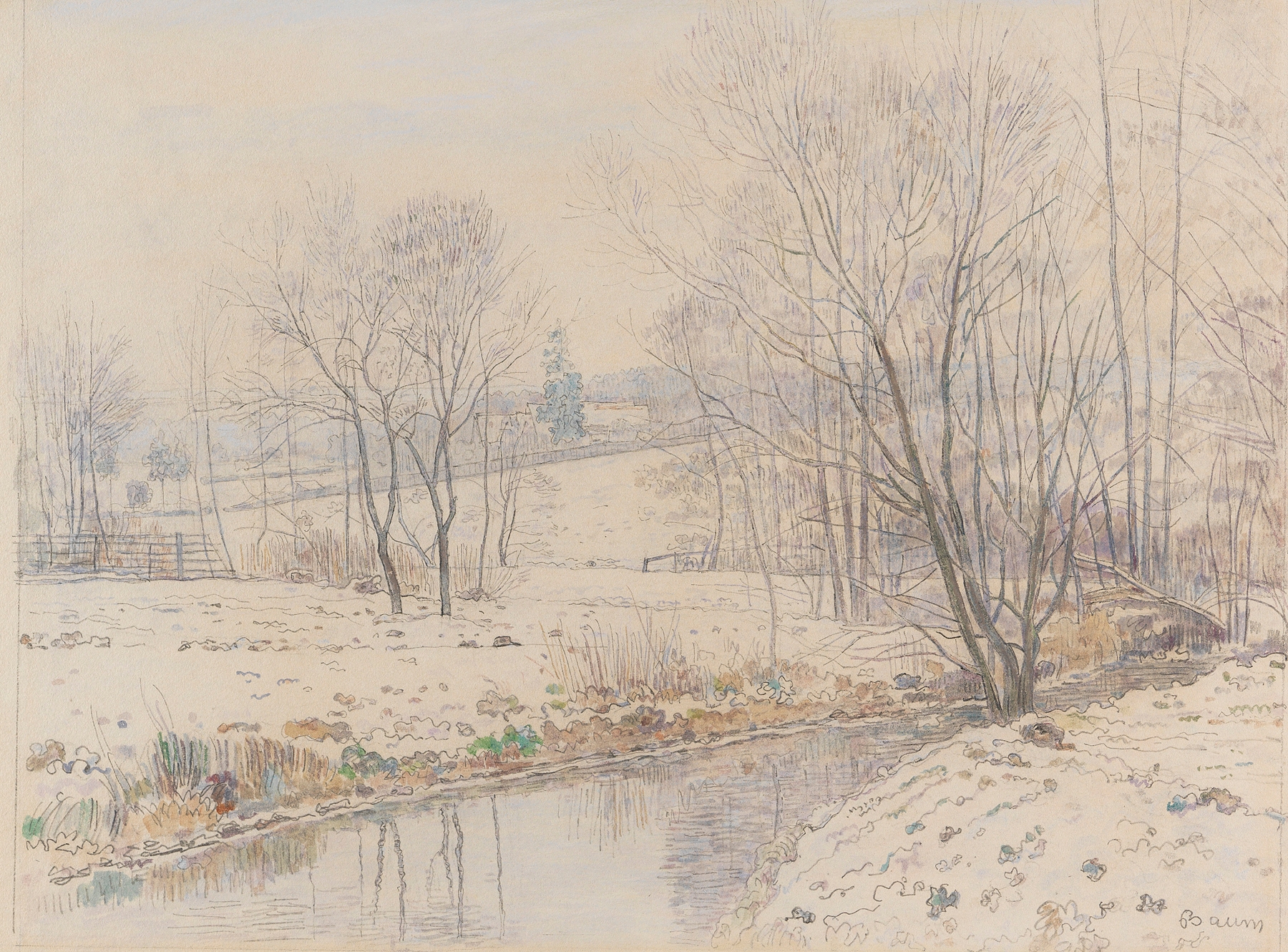
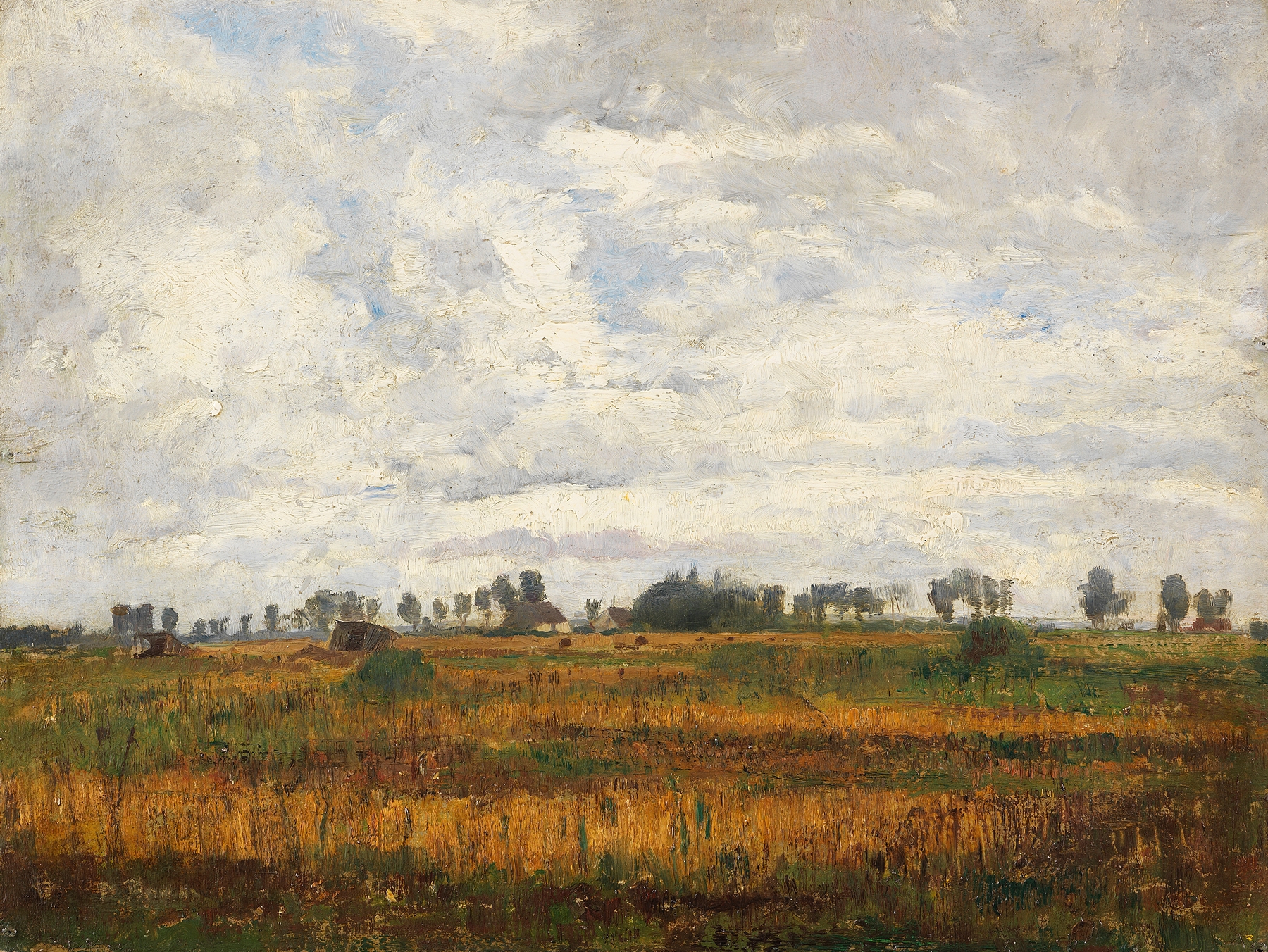
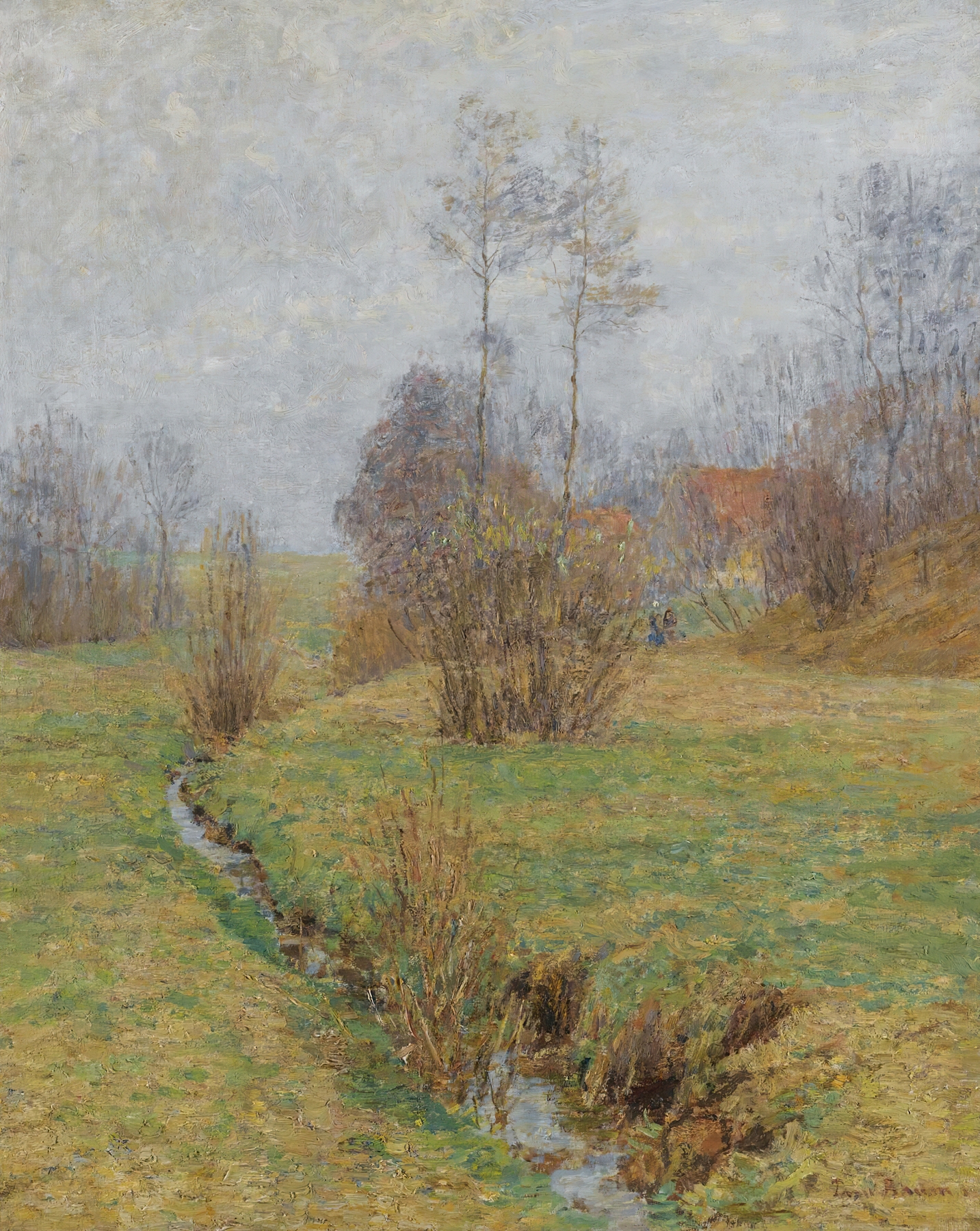
Could a single brushstroke hold eternity? In Bäume Am Kanal, the longing for connection with nature unfurls through vibrant greens and soft blues, suggesting that desire is not merely an emotion, but a profound experience. Look to the left at the way the trees cascade down, their leaves a harmonious blend of emerald and jade. The dappled light filtering through the foliage creates an interplay of shadows along the canal's surface, inviting your gaze deeper into the composition. Notice how the gentle curve of the water reflects the sky, its cerulean hue mirroring the tranquility that envelops this scene.
The brushwork is both deliberate and spontaneous, capturing the fleeting essence of a moment that feels intimate and eternal. Yet, a subtle tension lies within this serene depiction. The stark contrast between the sturdy trunks and the ephemeral nature of the water evokes a sense of longing, as if the trees yearn to bridge the gap between earth and sky. Each ripple on the water's surface hints at the impermanence of life, while the roots are steadfast, clinging to their place.
This dichotomy speaks to our own desires for stability within a world that constantly shifts, reminding us that beauty often resides in the delicate balance of opposing forces. In the early 20th century, Paul Baum created this piece amid a period of personal exploration and innovation within the art world. Living in Germany, he was influenced by the burgeoning Expressionist movement, which emphasized emotional experience over realistic representation. This backdrop of transition fueled his desire to capture the essence of landscapes in a way that mirrored his own inner journey, marking Bäume Am Kanal as both a reflection of nature's beauty and a testament to the artist's evolving vision.