Calm on Zuider Zee; A Zuider Zee fishing haven — History & Analysis
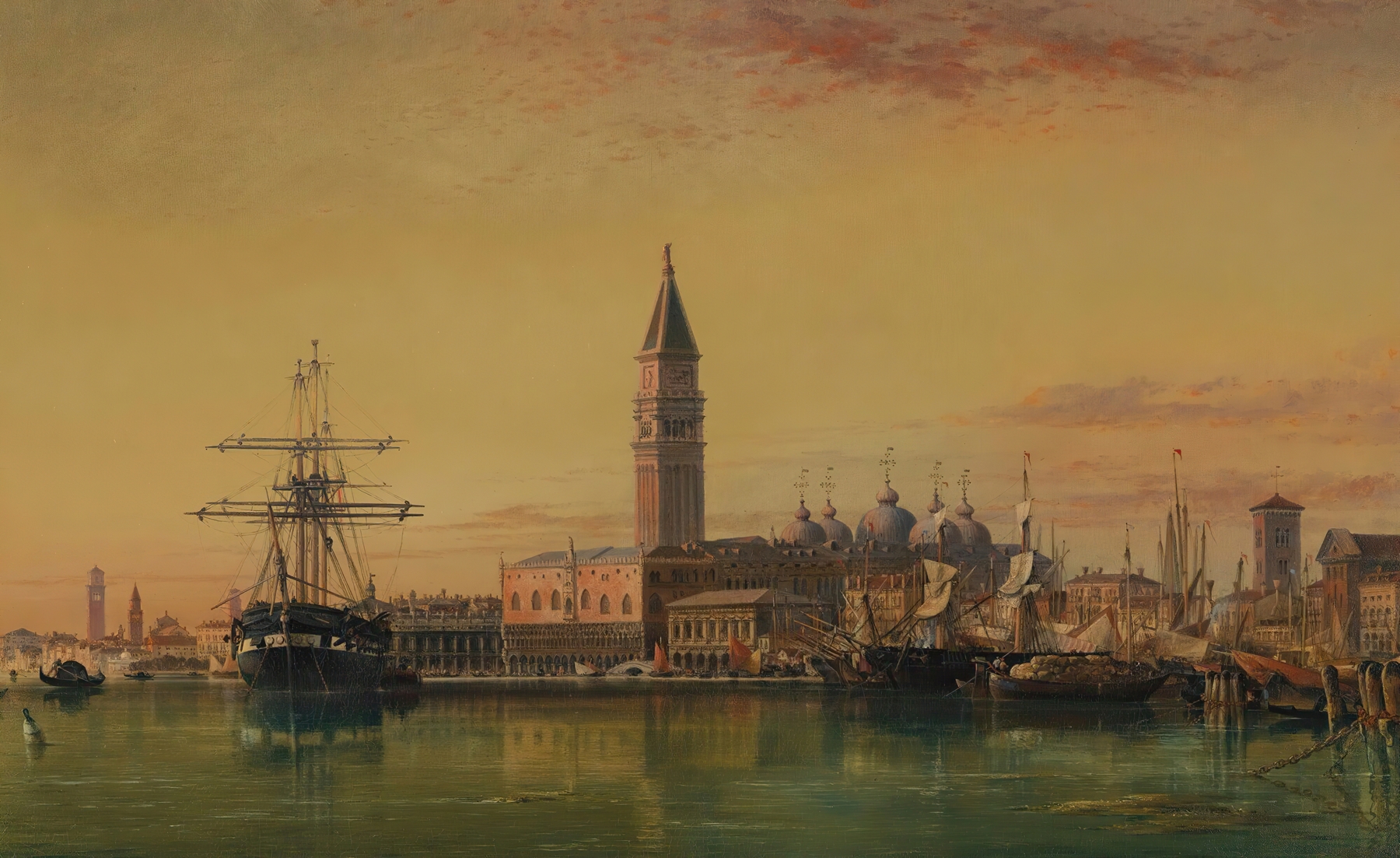
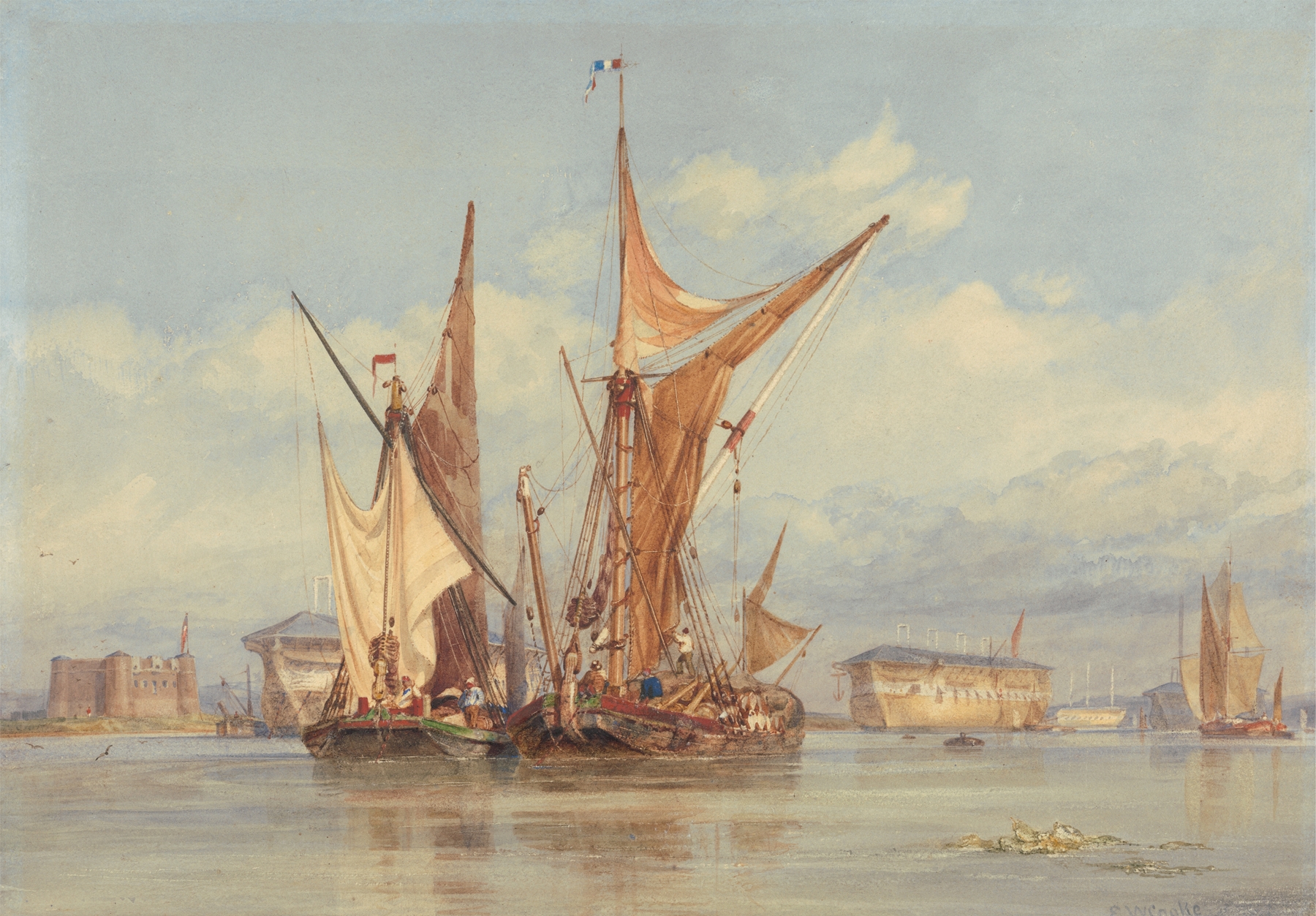
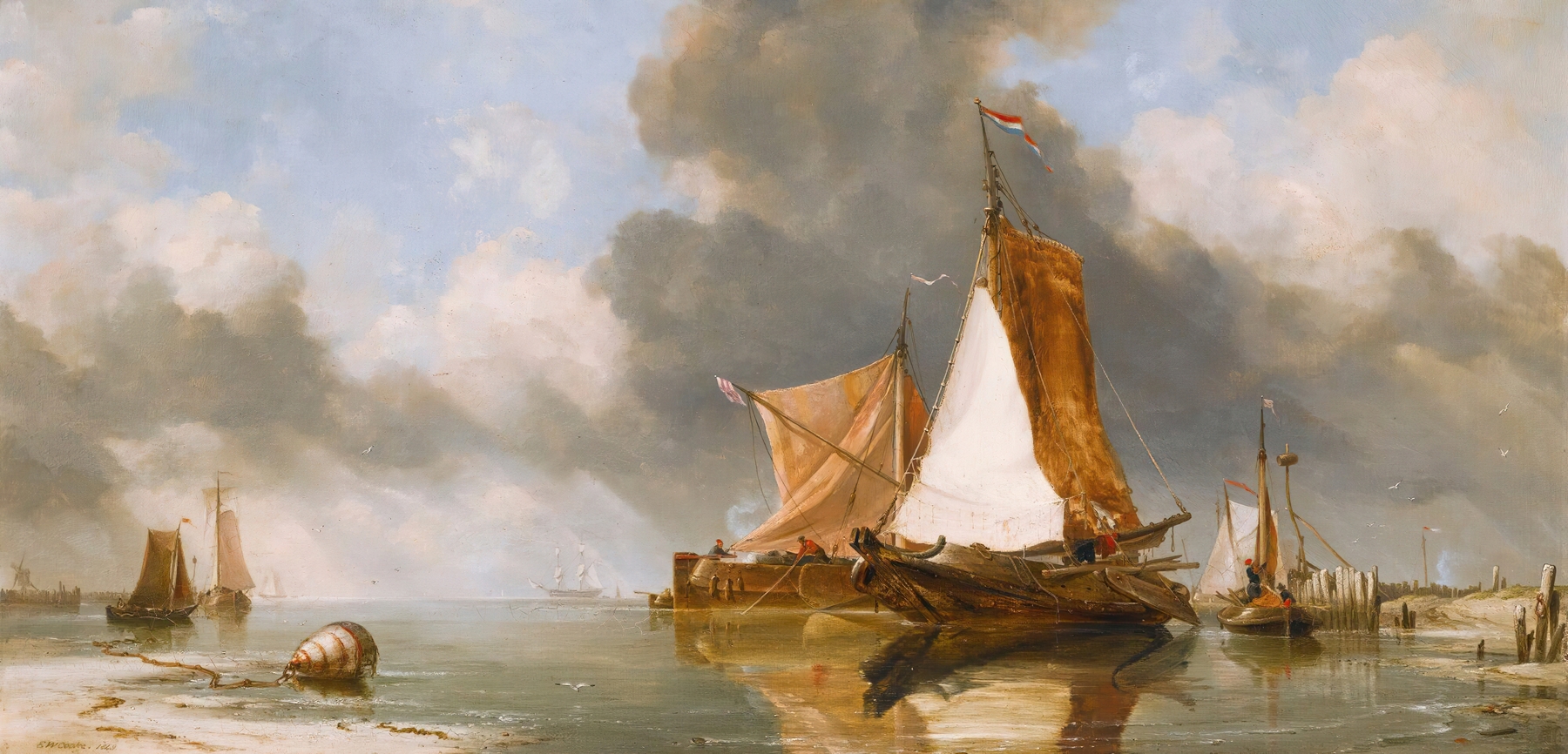
Where does light end, and longing begin? In the stillness of Calm on Zuider Zee, a perfect balance unfolds, inviting us to ponder the delicate interplay between nature and human endeavor. Look to the horizon, where the soft, golden light spills across the water’s surface, illuminating the gentle ripples that caress the wooden boats. Notice how the palette of serene blues and warm ochres harmonizes, creating a soothing atmosphere that contrasts with the fishermen's diligent work.
The careful brushstrokes evoke the texture of the sky and sea, capturing the moment when day meets dusk, while the composition draws your eye toward the quiet figures engaged in their task. Within this tranquil scene lies a deeper tension: the ephemeral beauty of nature juxtaposed with the labor of those who earn their living from it. The boats, sturdy yet vulnerable, symbolize the relationship between humanity and the sea—a reminder of both sustenance and uncertainty. The stillness of the water reflects not just the physical landscape but also the emotional weight of waiting and yearning, as the fishermen pursue both their daily catch and the elusive peace of solitude in nature.
In 1876, Edward William Cooke painted this serene landscape during a period of significant change in the art world. He was unsettled by the rapid growth of industrialization in England, which fueled his desire to capture the charm and simplicity of coastal life. Working in his studio while reflecting on the traditional maritime culture of the Zuider Zee, Cooke sought to celebrate a world that was slowly receding into memory, preserving both its beauty and its fragility on canvas.