Canadian Rockies — History & Analysis
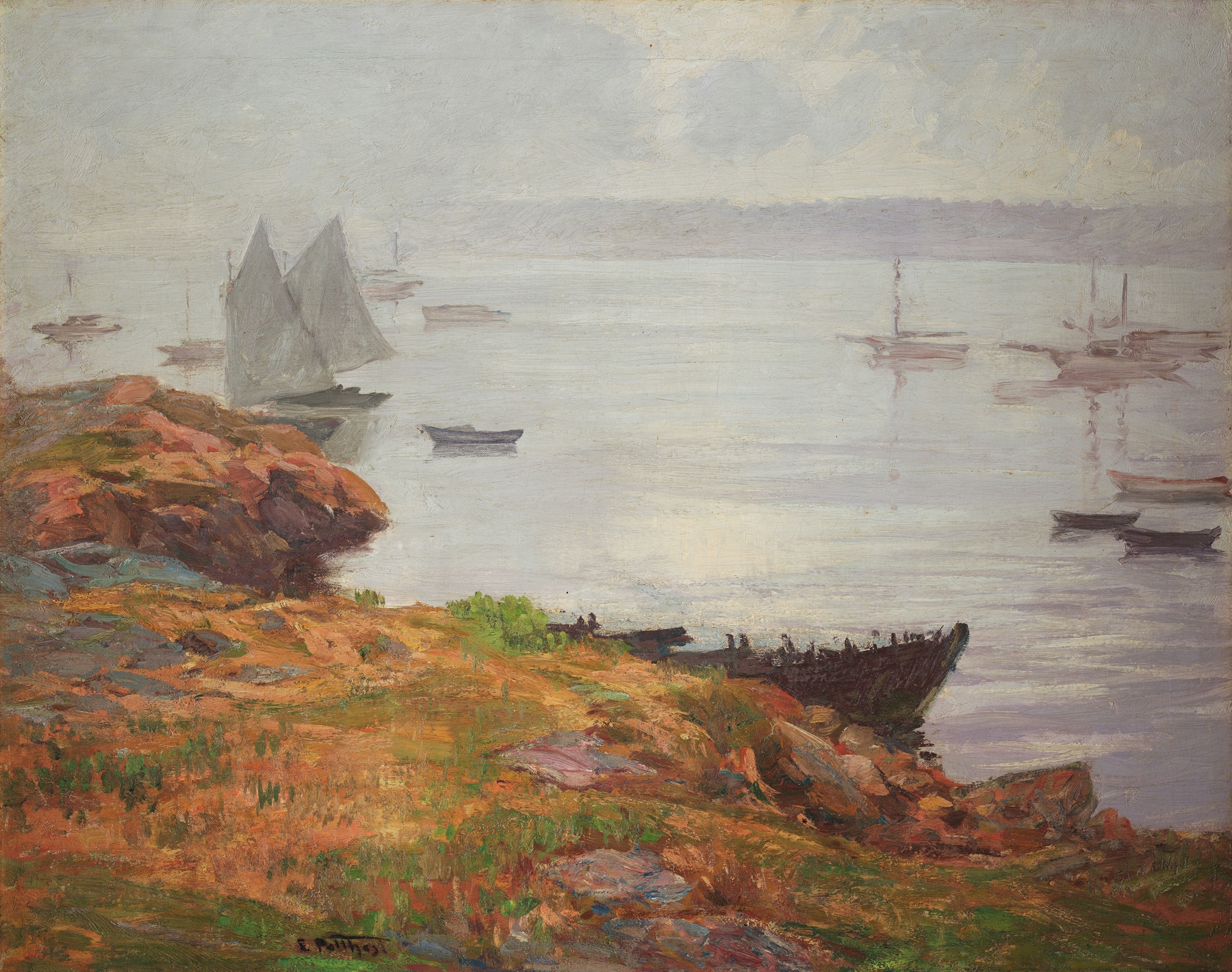
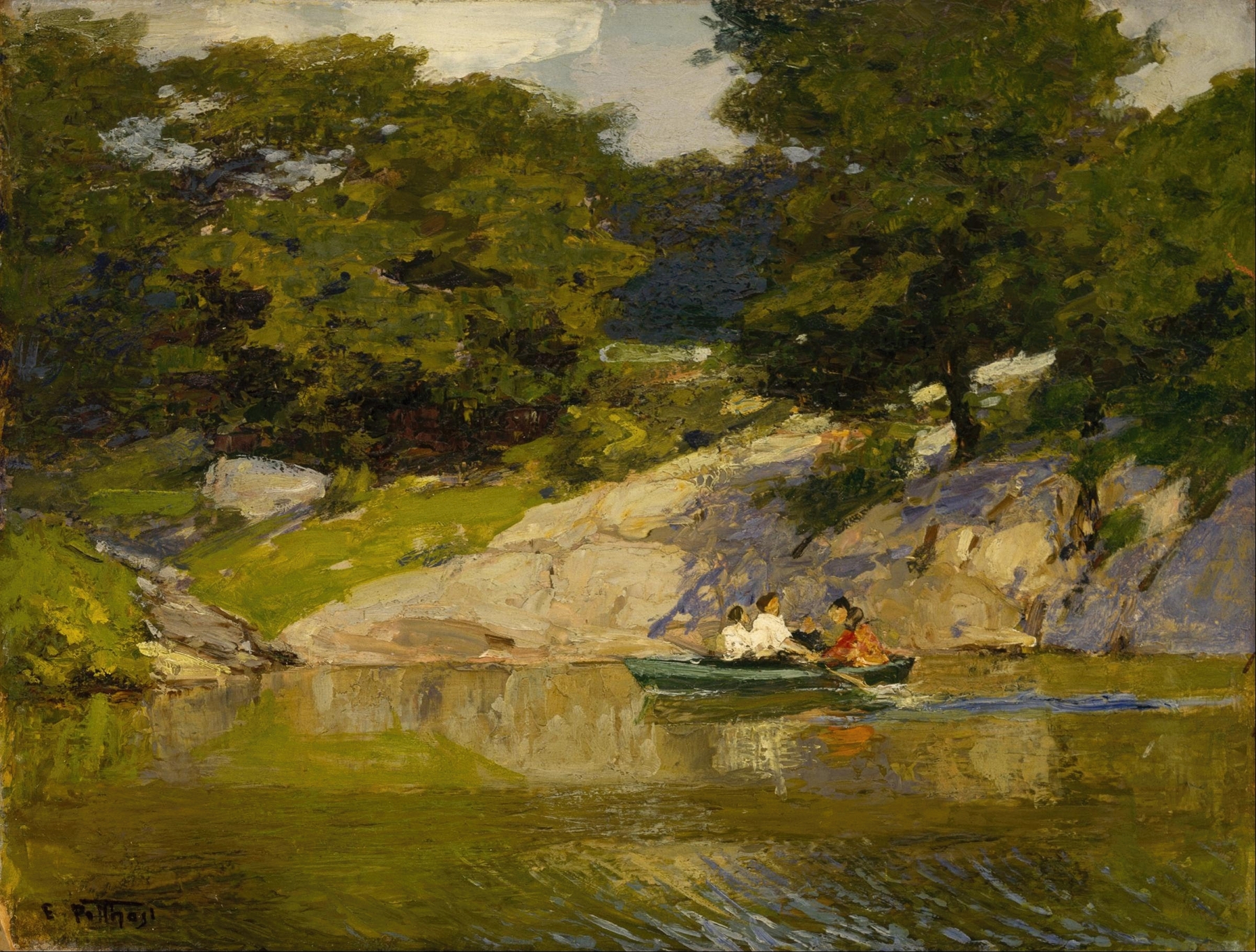
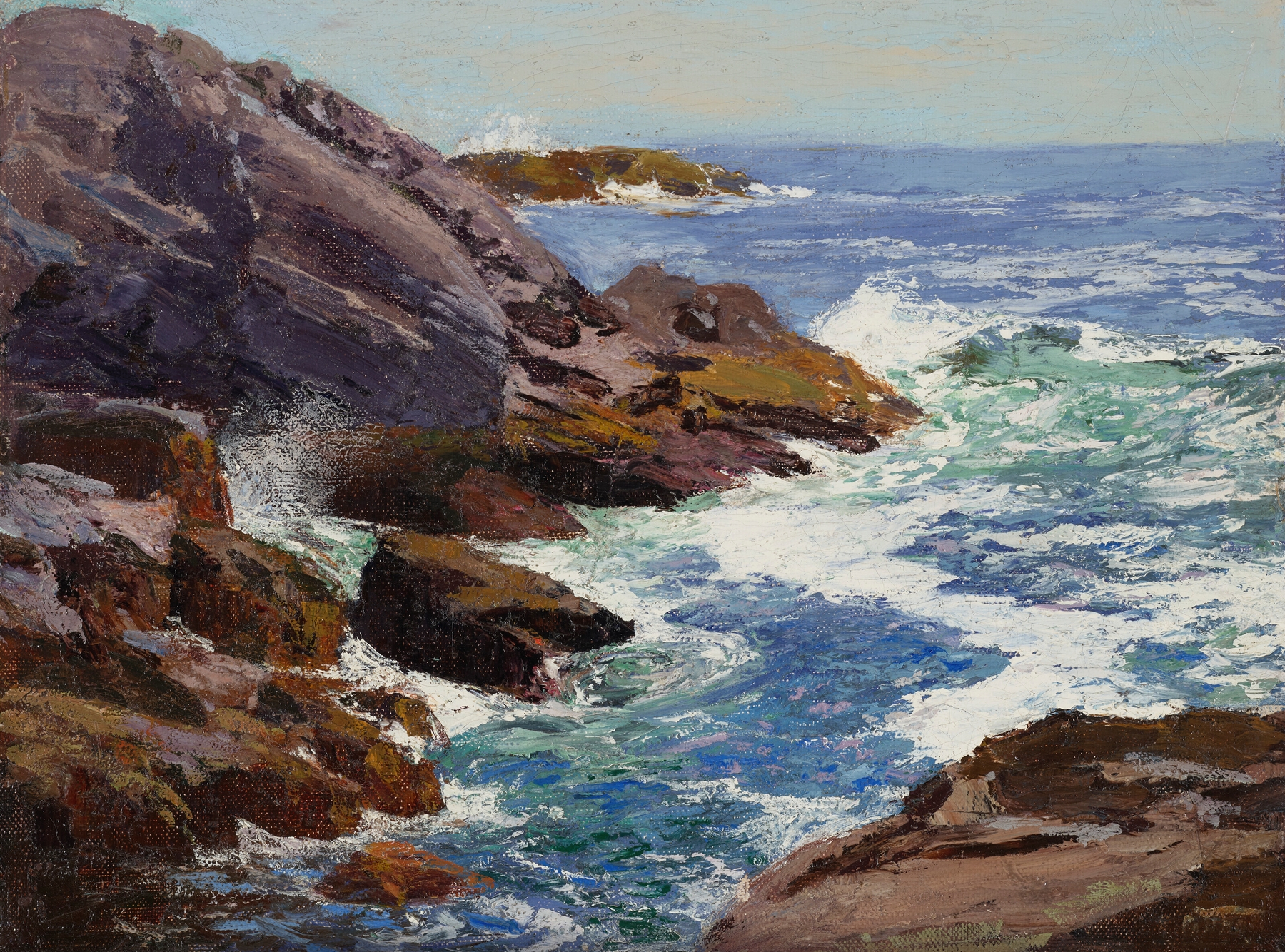
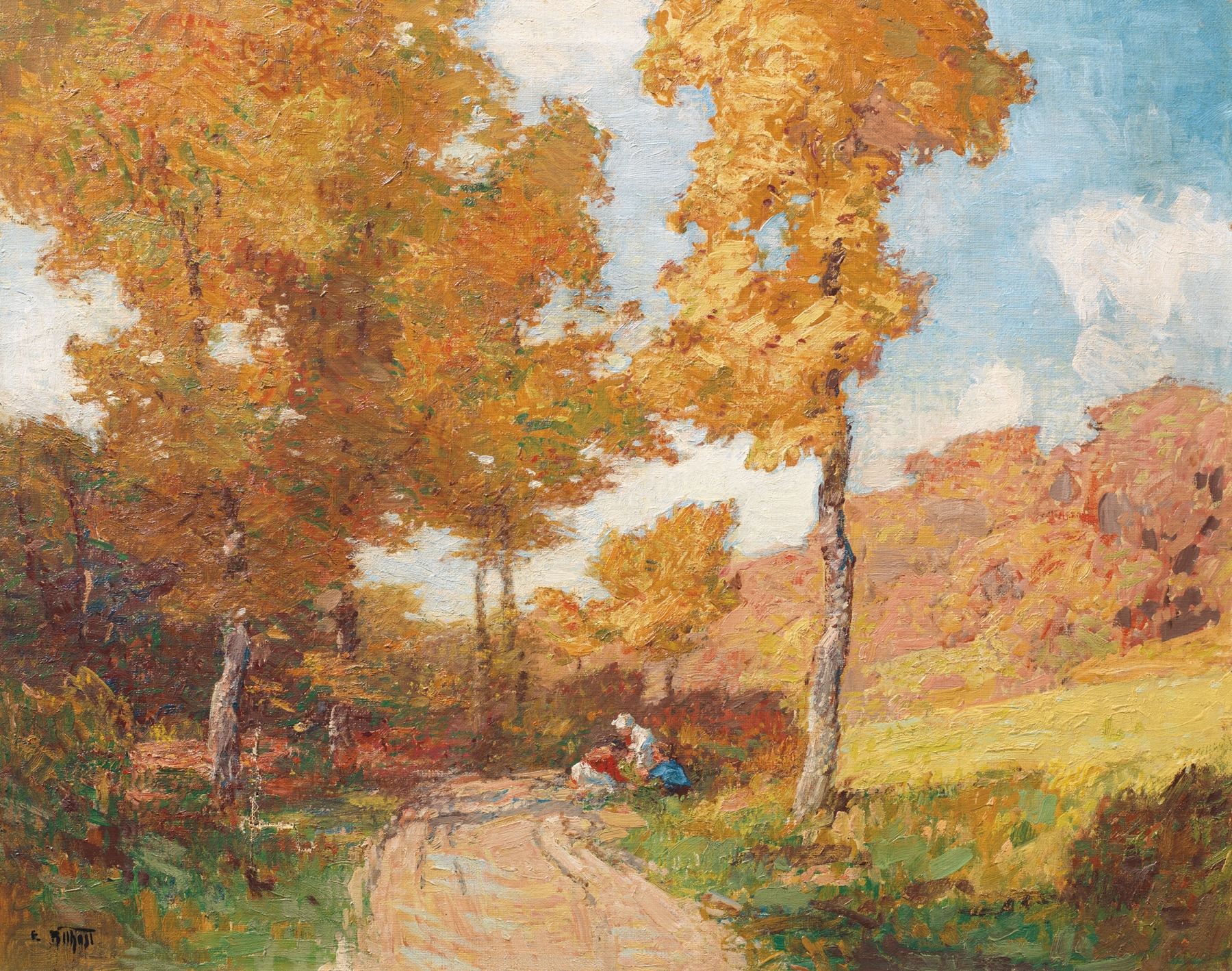
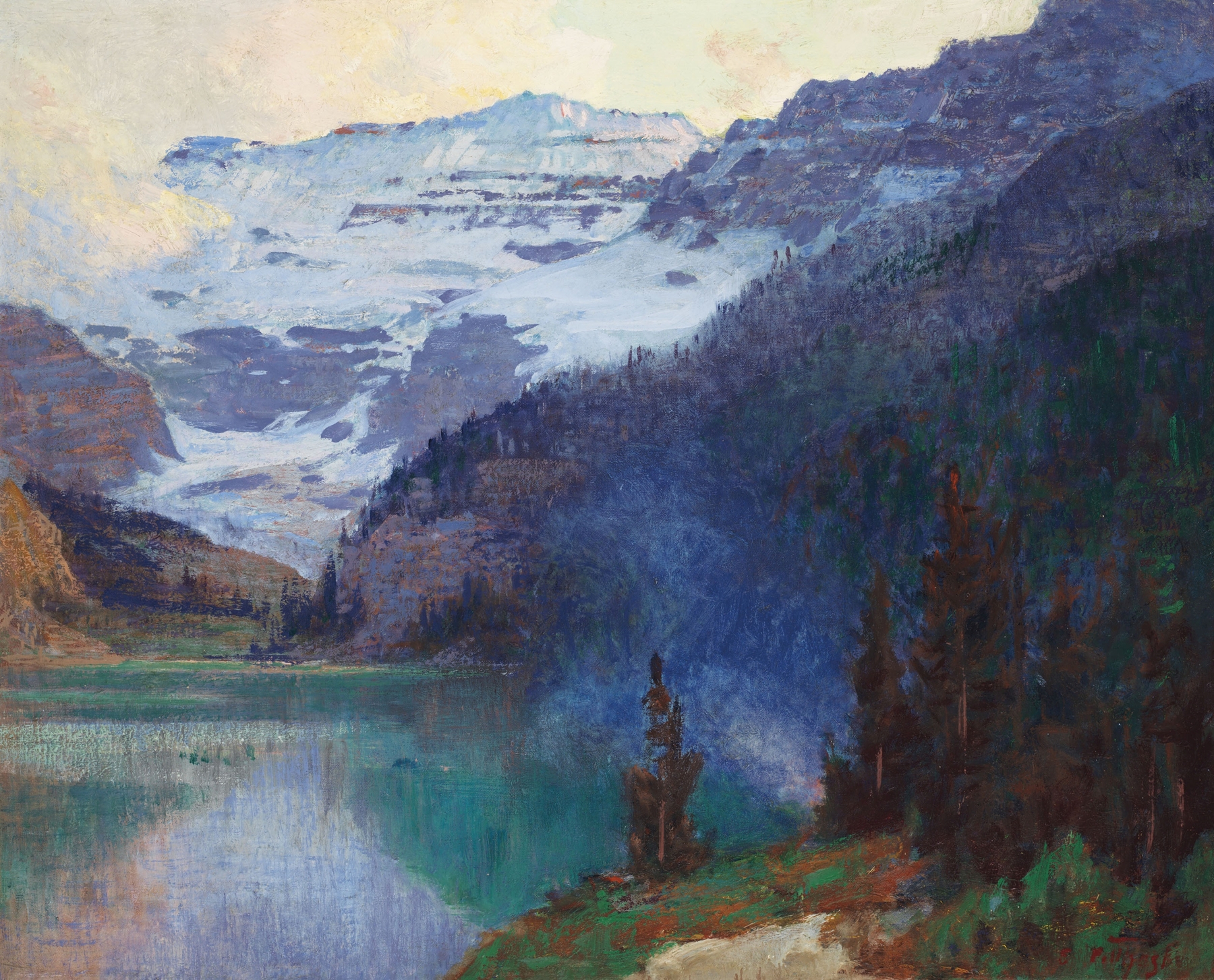
The canvas doesn’t lie — it simply waits. Within its embrace lies a world where nature breathes and time stands still, inviting us to reflect on the balance of existence and the pursuit of transcendence. Look to the center of the composition, where jagged peaks rise majestically against a sky painted in hues of blue and gold. The artist’s brushstrokes dance with vigor, each stroke capturing the raw dynamism of the landscape. Notice how the sunlight cascades over the mountain ridges, illuminating the snow-capped tips while casting shadows that intertwine with the lush greens below.
The interplay of light and color creates a palpable sense of depth, drawing the viewer into this pristine space. Yet, as you explore further, layers of meaning begin to emerge. The contrast between the solidity of the mountains and the fleeting nature of the sunlight evokes a meditation on permanence versus transience. Each element harmonizes with the next, suggesting the interconnectedness of life and the sublime beauty found in remote places.
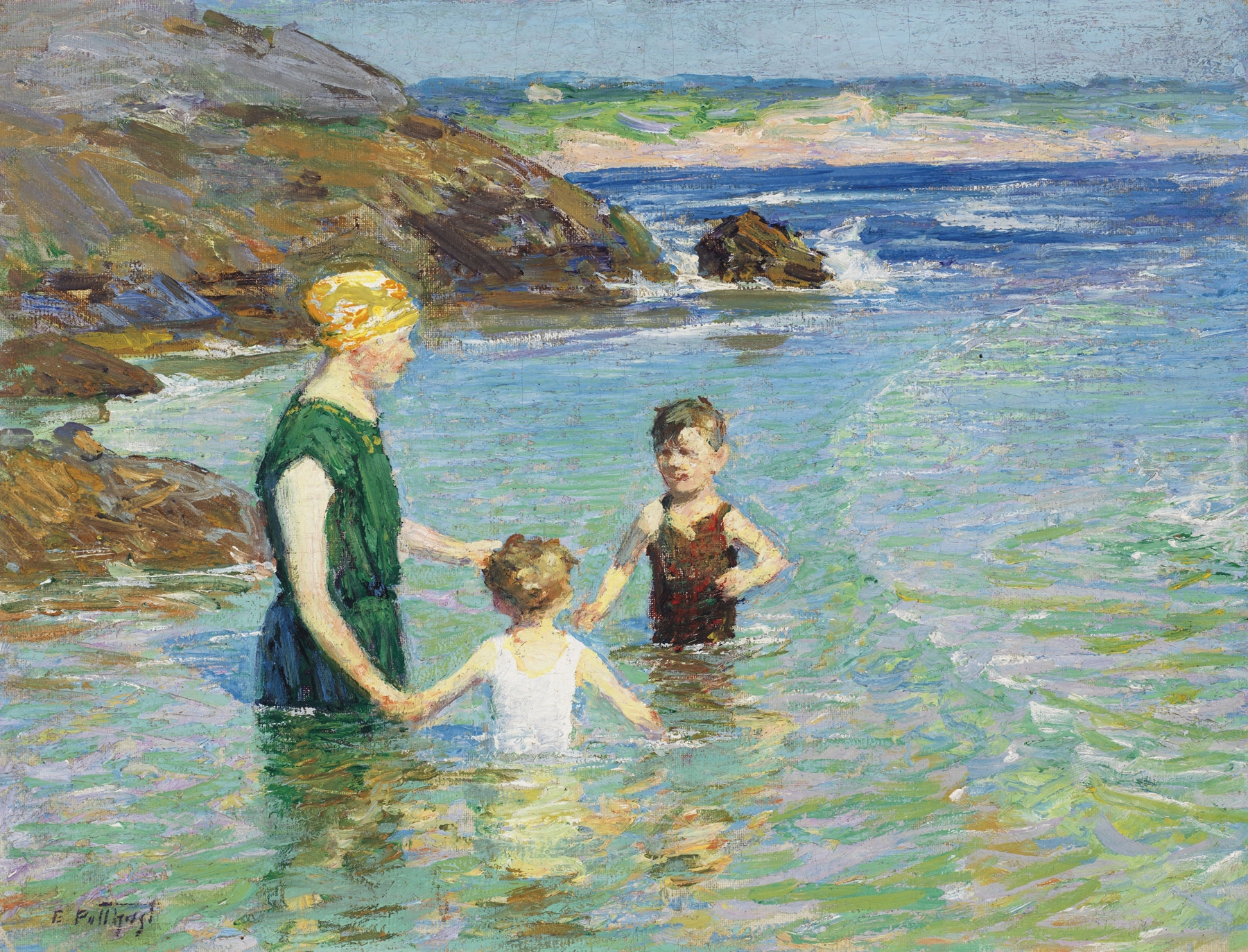
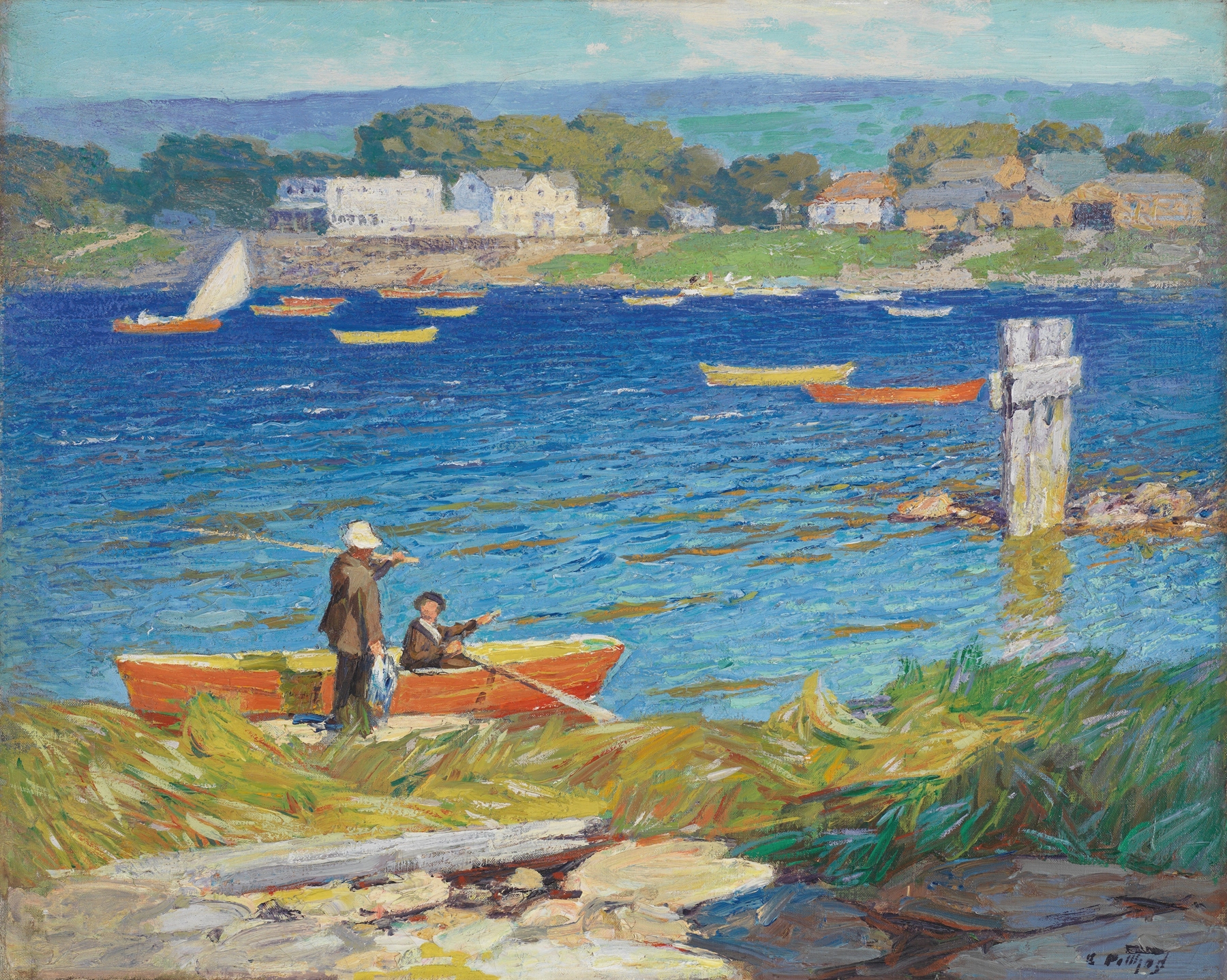
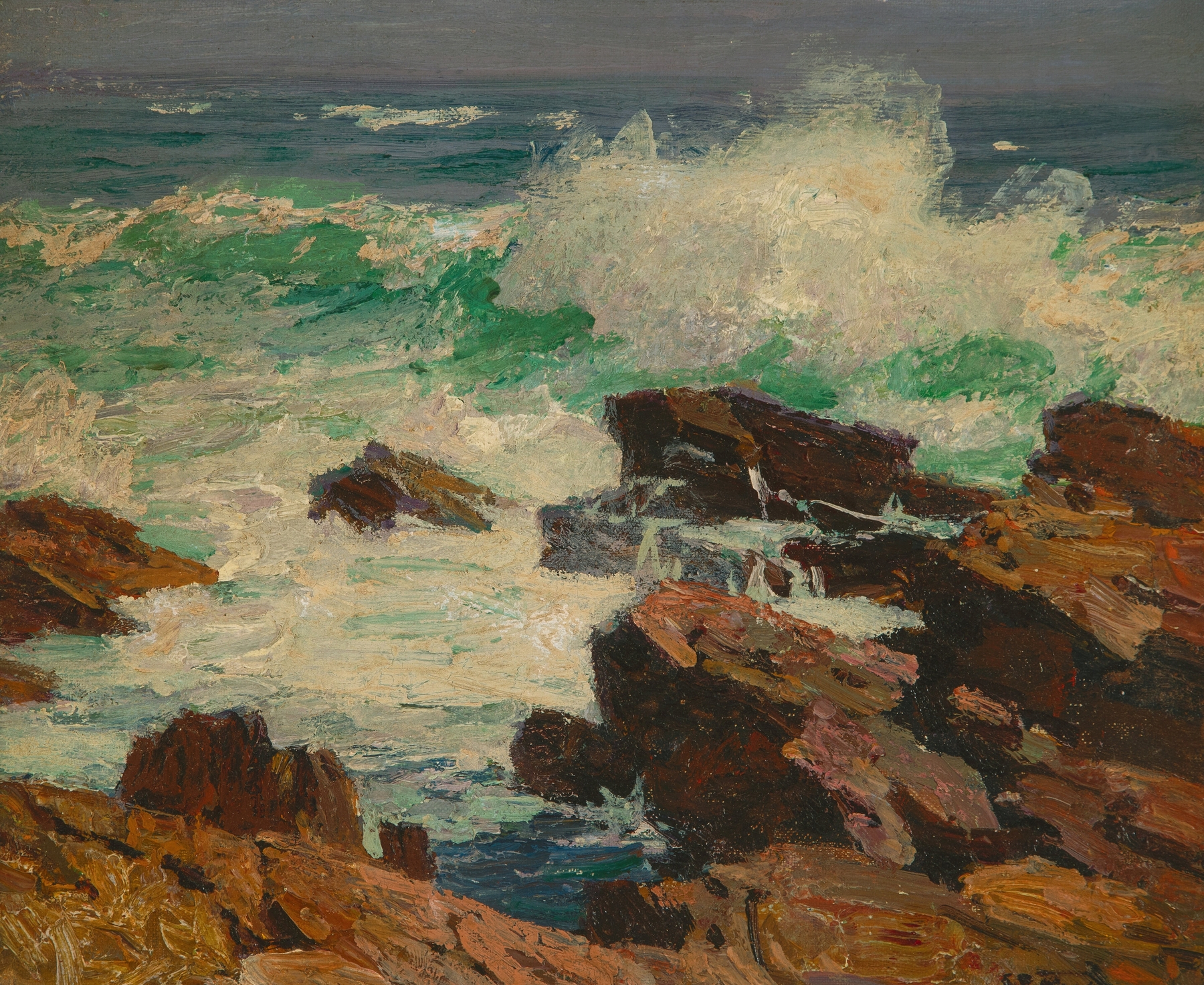
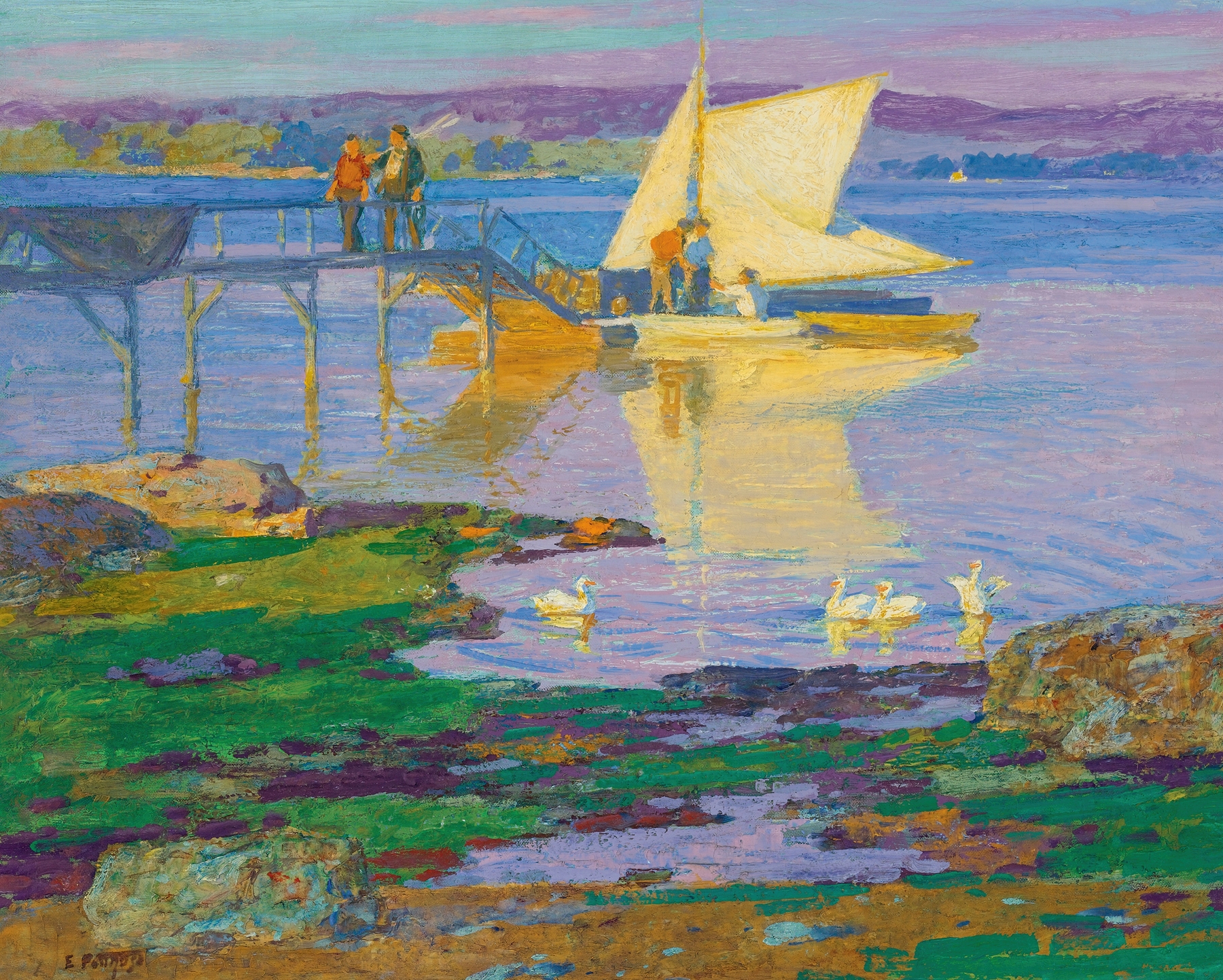
This duality invites contemplation about our own journey within the vastness of existence, hinting at the sacredness of untouched landscapes. During the period when this piece was created, Edward Henry Potthast was deeply engaged with the American Impressionist movement, often exploring the interplay of light and color in natural settings. His time spent in the outdoors, particularly in the late 19th century, influenced his artistic vision, as did the growing fascination with wilderness in an increasingly industrialized world. The canvas emerges not just as a portrayal of the Rockies, but as a testament to the spiritual connection between humanity and nature during a time of rapid change.