Crashing Waves — History & Analysis
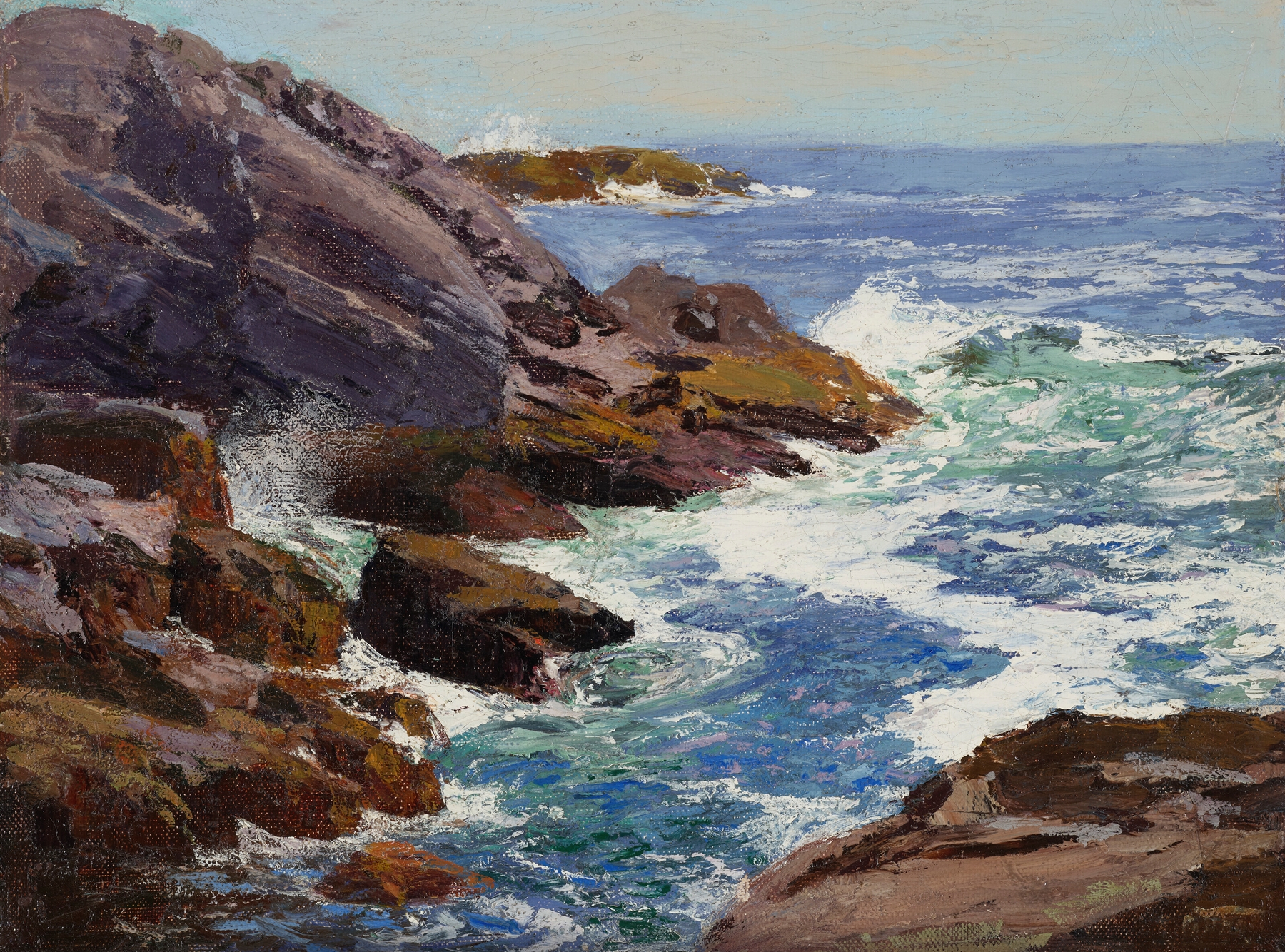
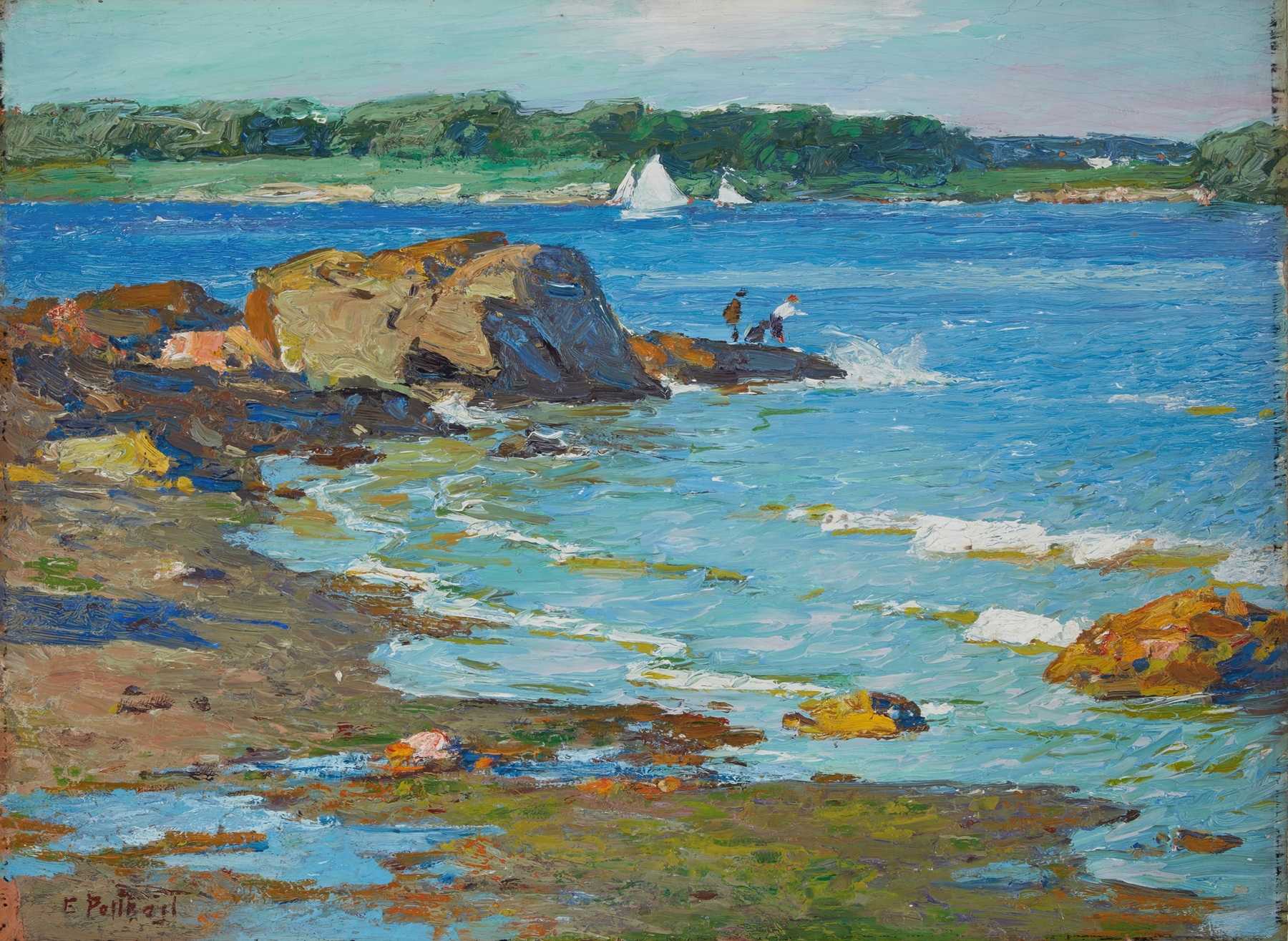
When did color learn to lie? In the midst of a brilliant display, the vibrancy of blue and white may distract from a deeper emptiness, a sense of longing that lingers beneath the surface. The hues beckon, yet they whisper of absence, a void overshadowed by their own exuberance. Look to the center, where foamy waves collide with the golden shore, their white crests catching the sunlight.
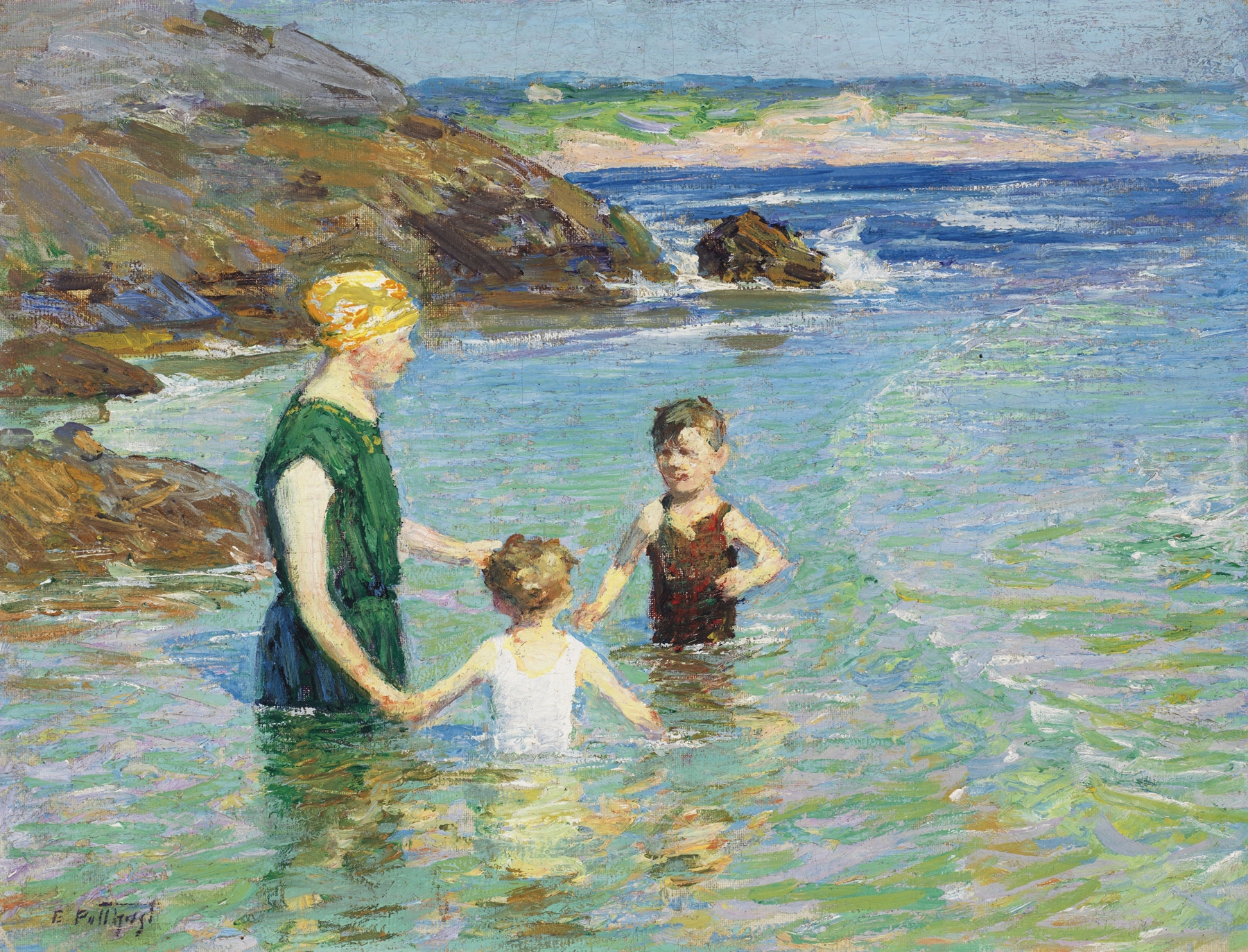
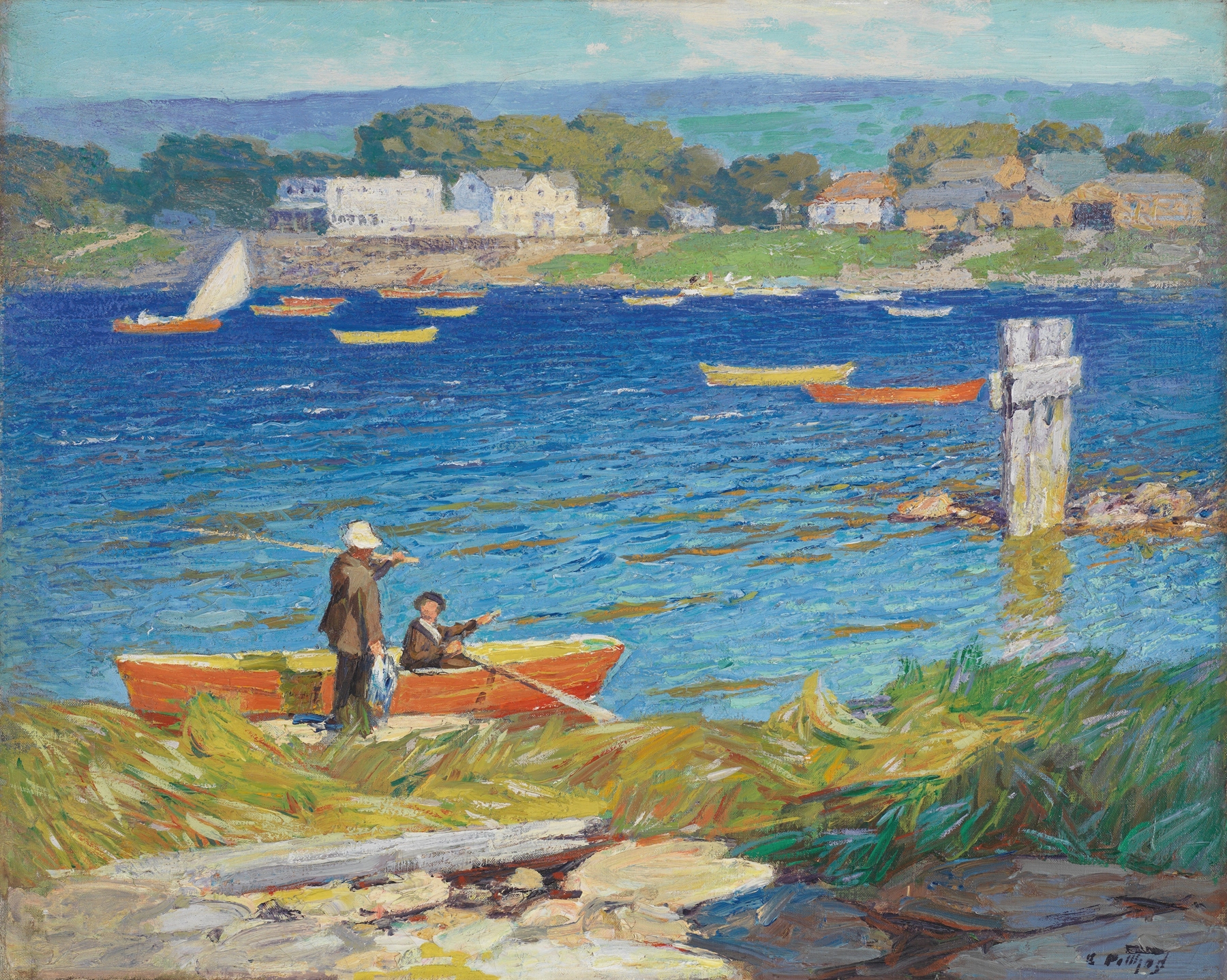
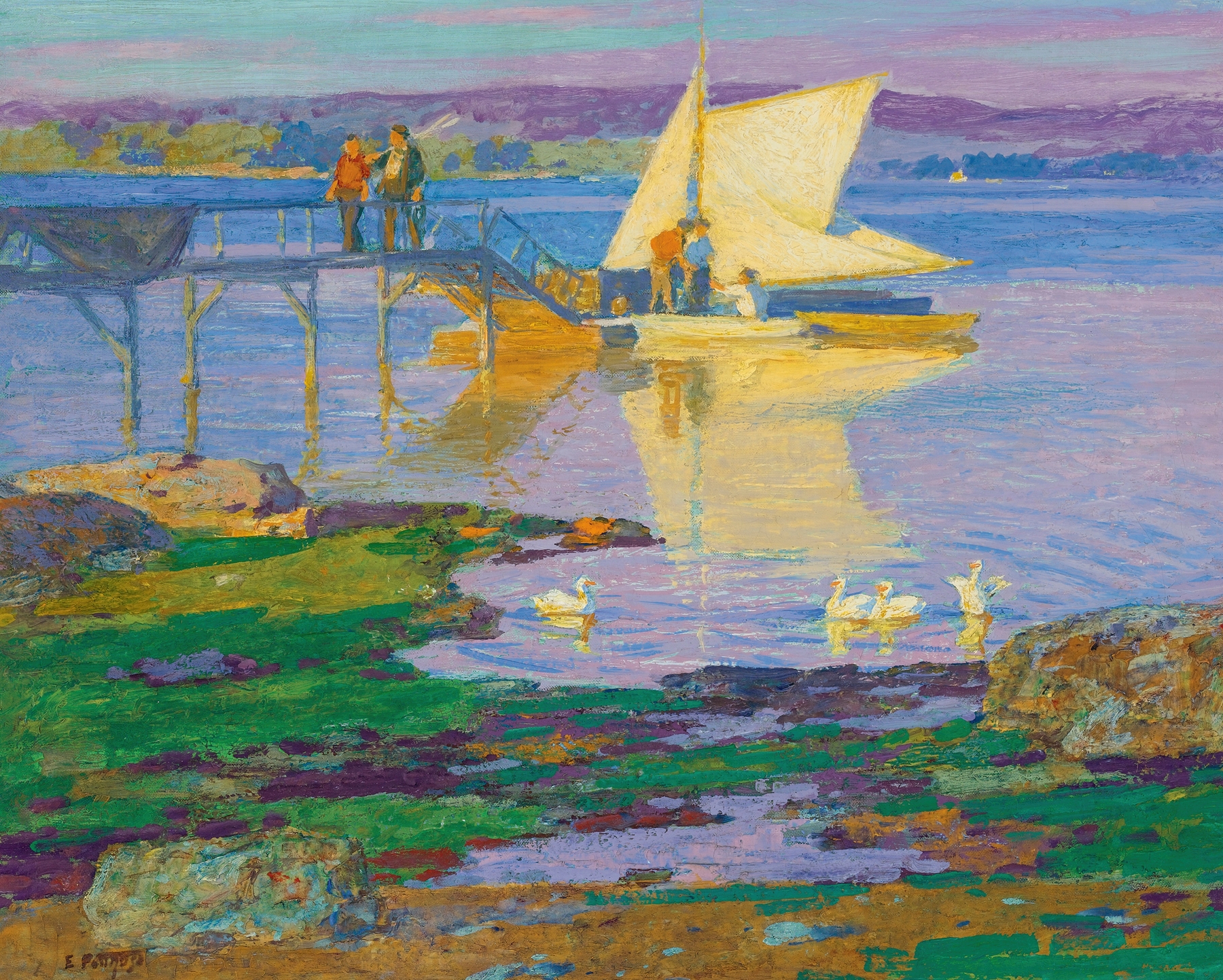
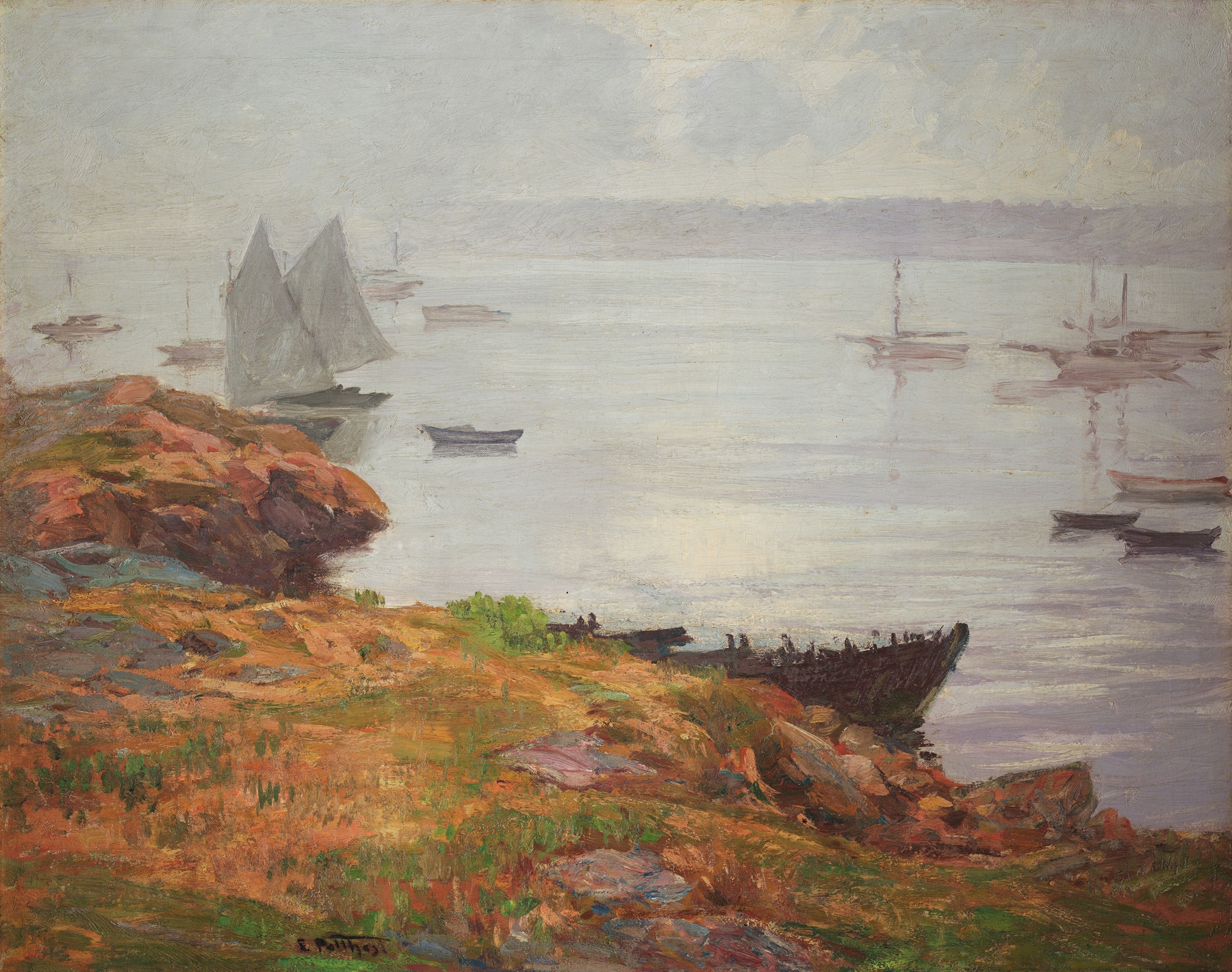
The brushwork is both lively and deliberate, evoking the sensation of movement and turbulence. Notice how the myriad shades of blue gradually meld into a palette that mirrors the sky, as if the horizon and ocean conspire to entwine their destinies. The play of light and shadow across the water creates an illusion of depth, inviting the viewer to delve deeper beyond mere aesthetics. Tension pulses through the painting, contrasting the joy of nature’s beauty with an underlying solitude.
The vivid, crashing waves may suggest celebration, yet their relentless pursuit of the shore also hints at an endless cycle of yearning—each surge a fleeting moment, each retreat a reminder of what is lost. This juxtaposition of fervent color and the haunting sensation of emptiness gives the work an emotional complexity that enriches its surface allure. Potthast painted this piece during a time when American art was evolving, embracing Impressionism’s vibrant palette while reflecting personal experiences. Active in the late 19th and early 20th centuries, he often found inspiration in coastal scenes, aiming to capture the raw beauty and emotional resonance of nature during a period marked by change and exploration in both the art world and society at large.