Landscape — History & Analysis
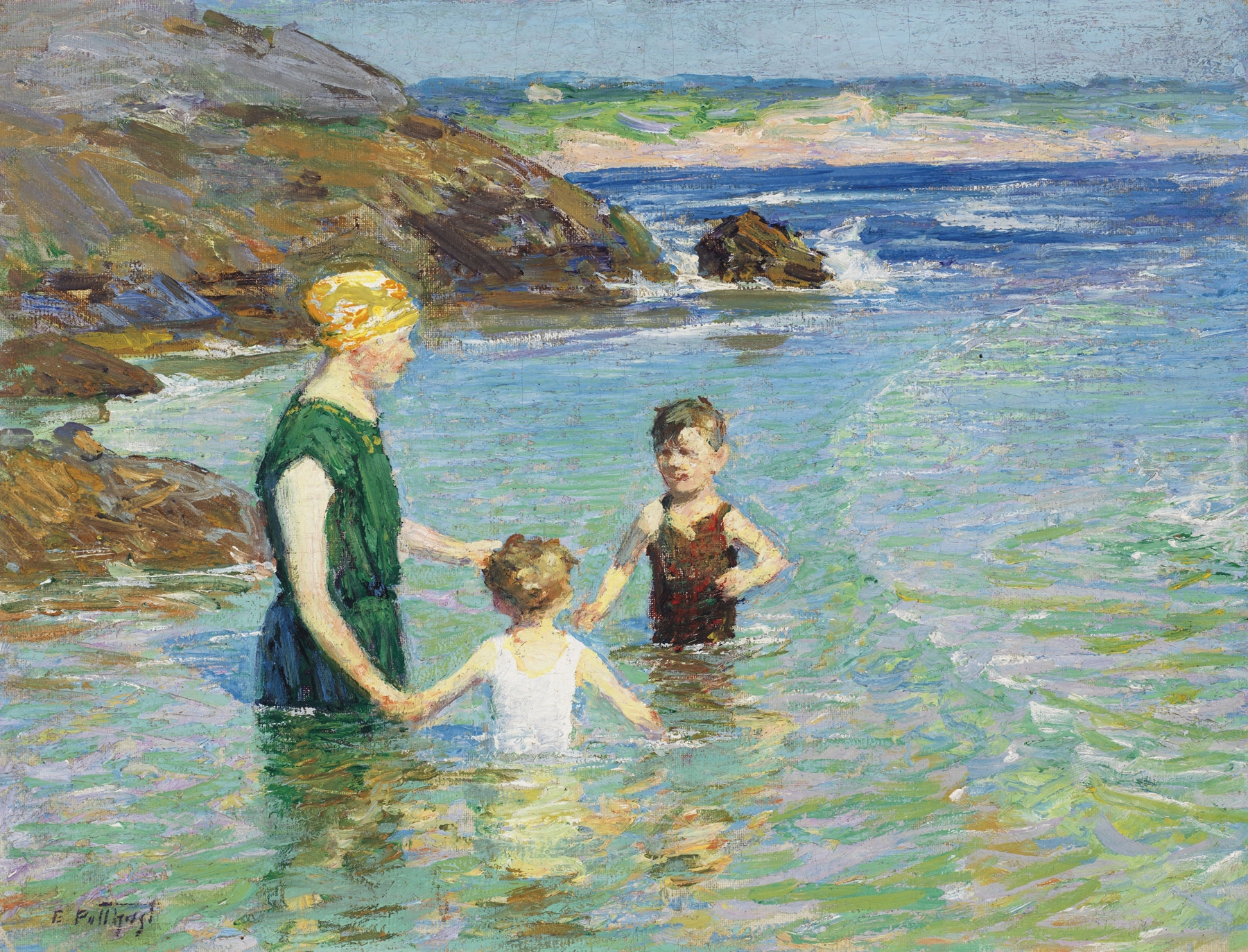
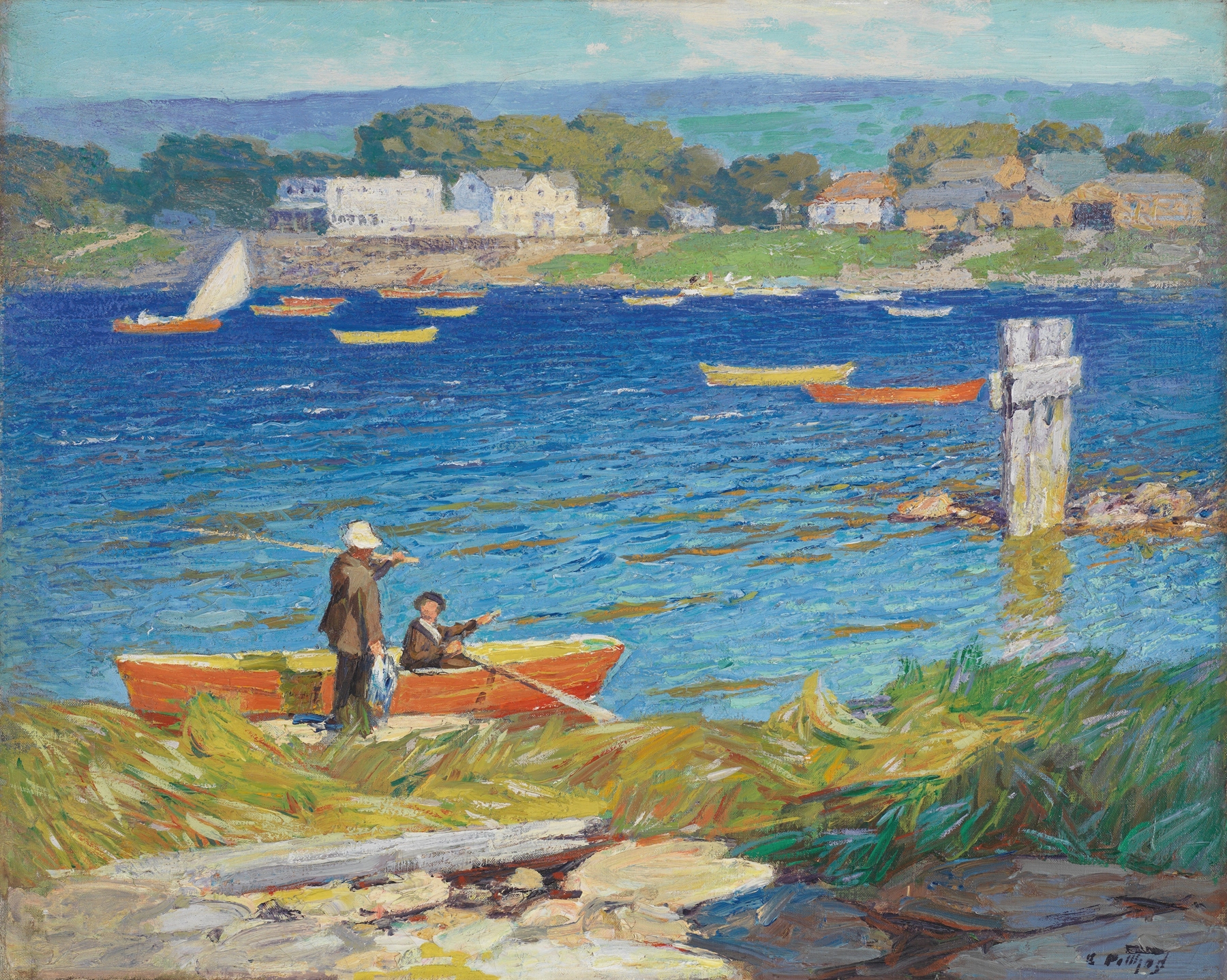
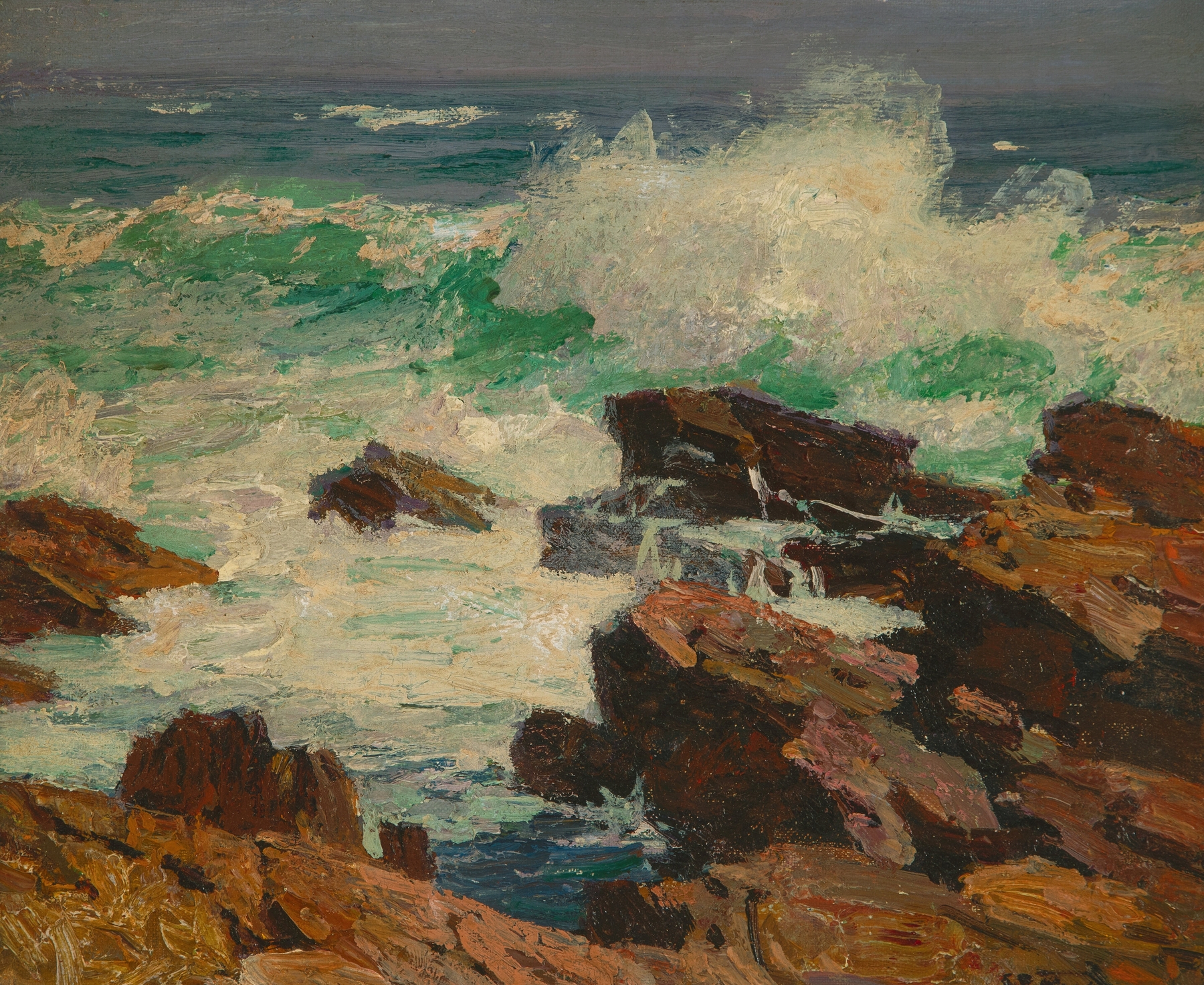
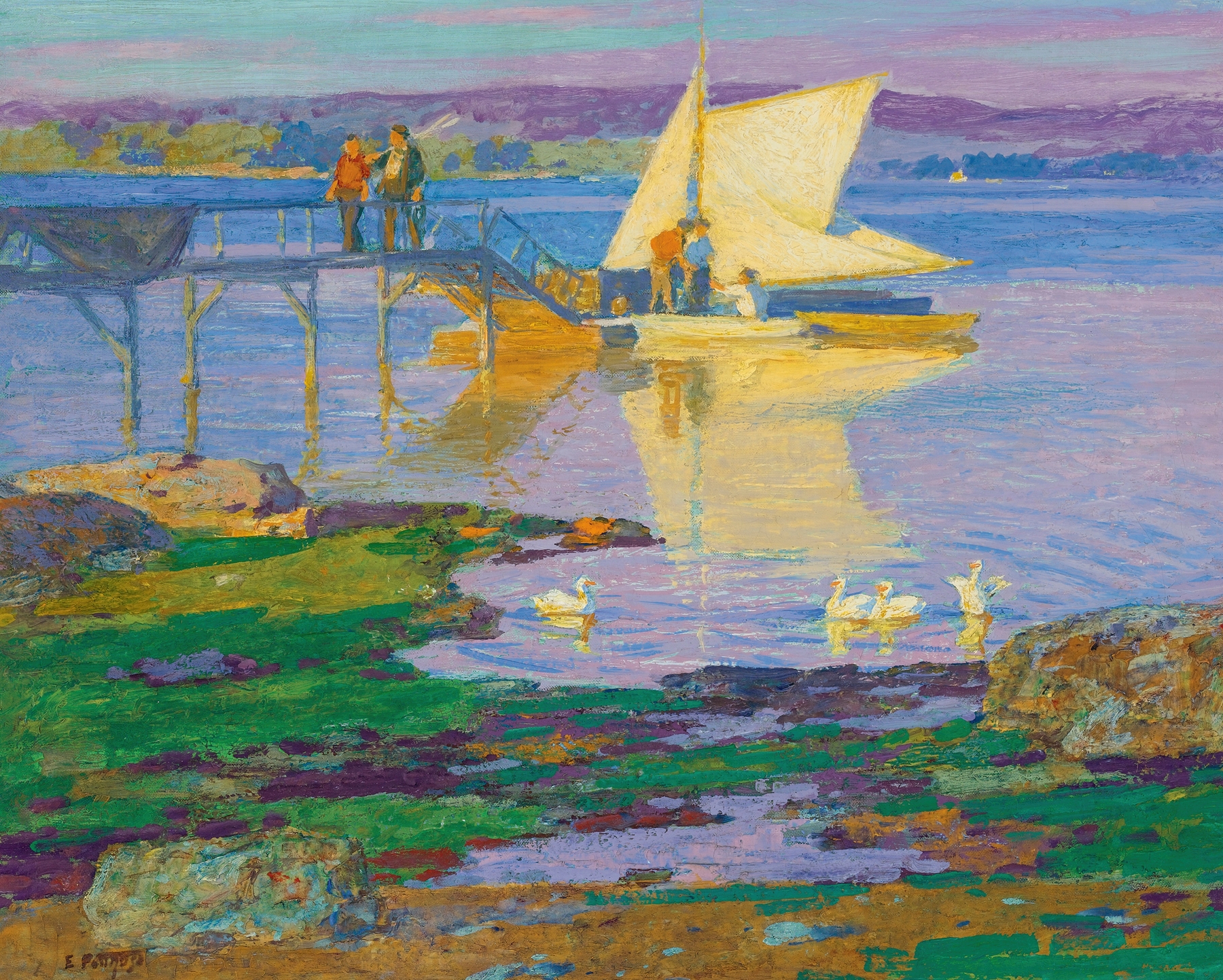
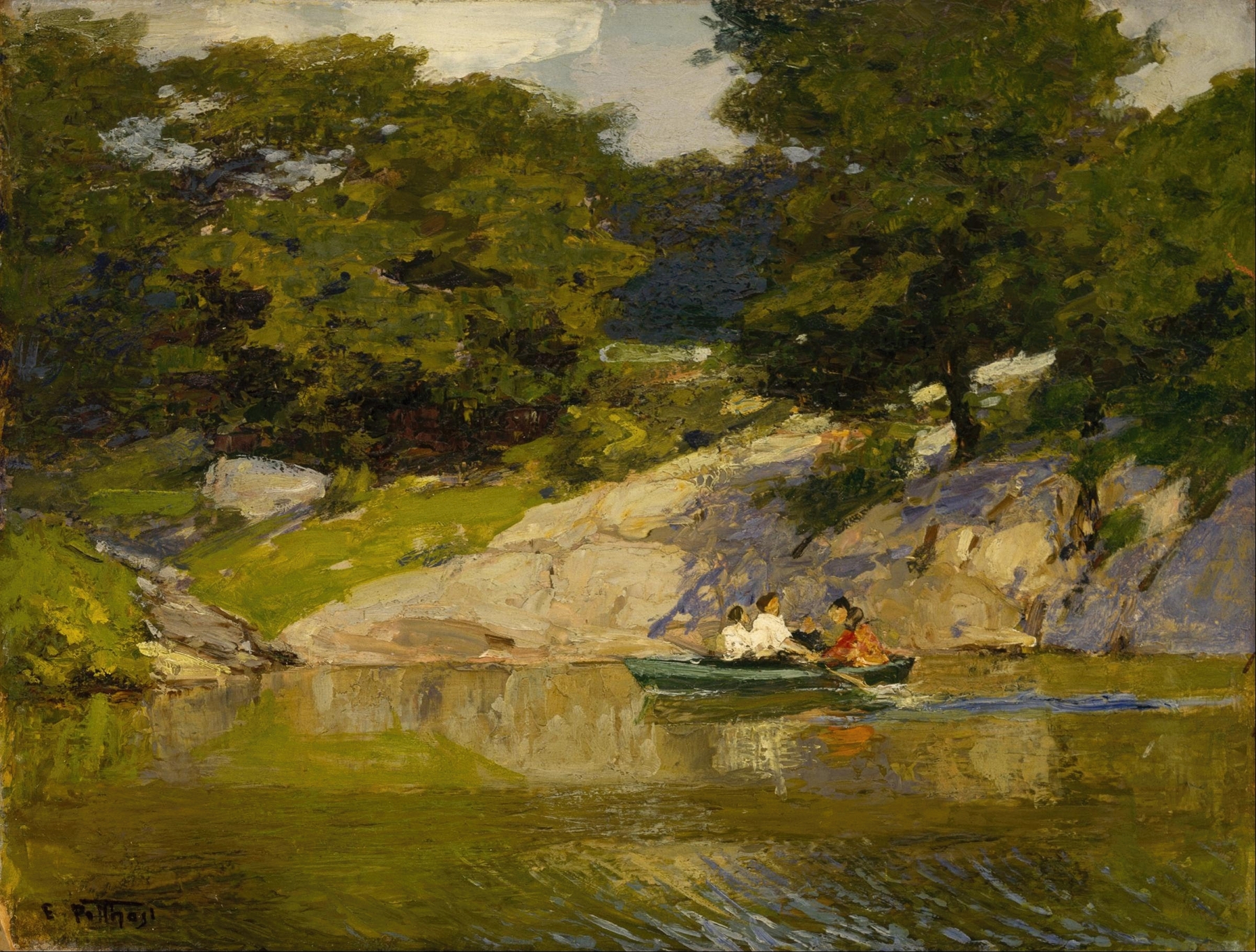
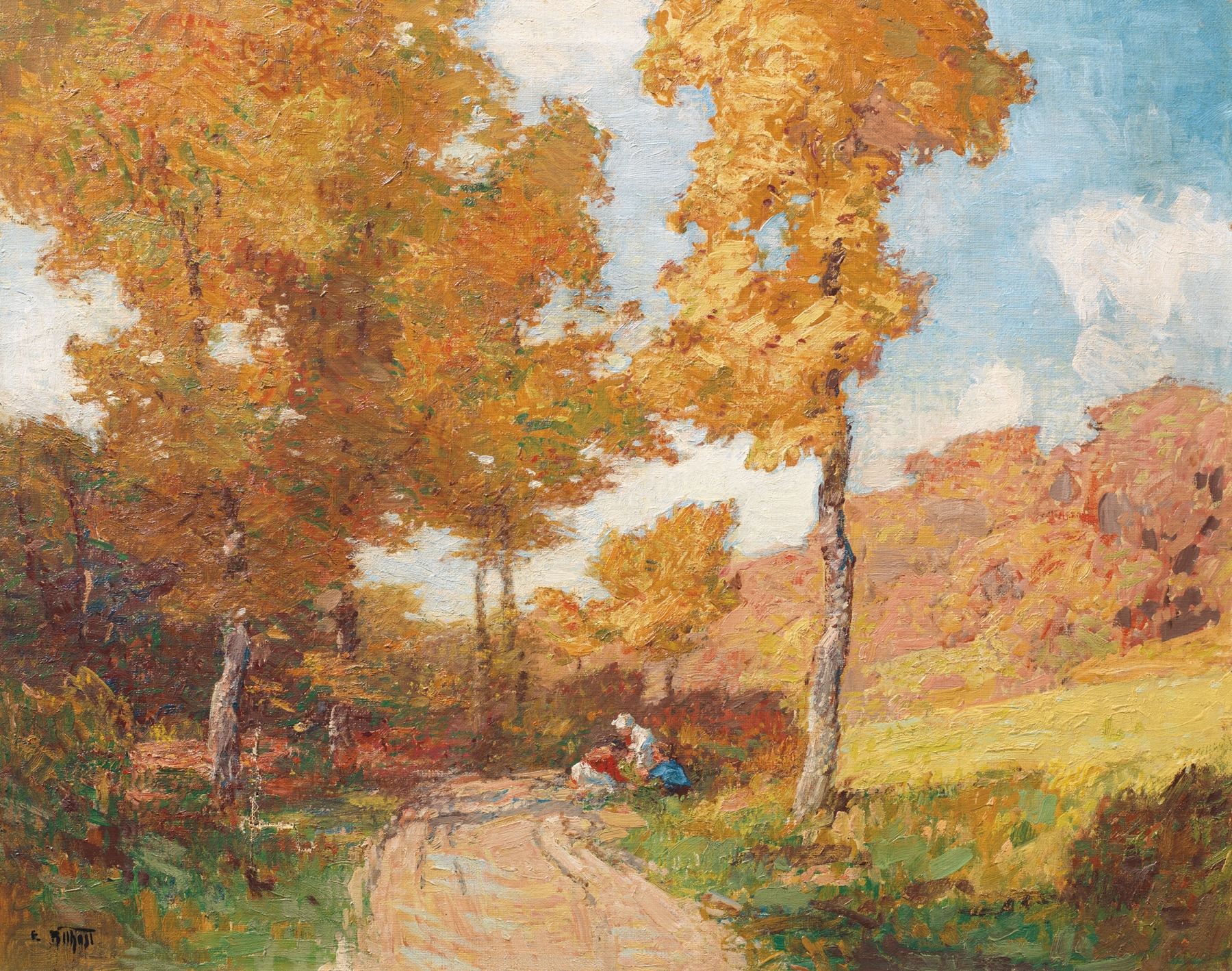
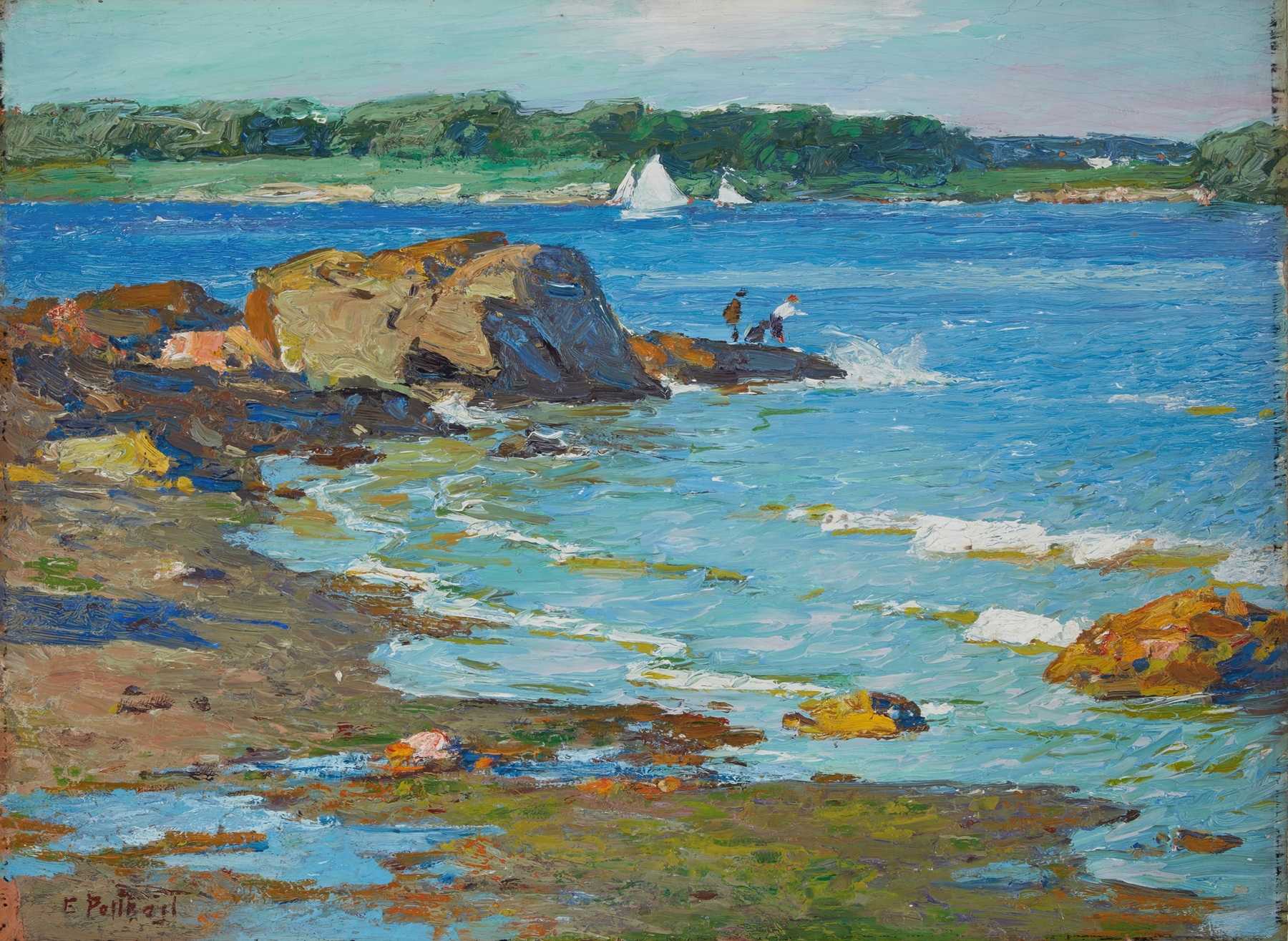
Could a single brushstroke hold eternity? In the quiet embrace of nature, the landscape whispers tales of legacy, inviting us to pause and reflect on the beauty that endures. Look to the left at the vibrant greens of the meadow, where strokes of light create a sense of movement. Notice how the artist employs a soft palette, blending warm yellows with rich earth tones, evoking the serenity of a sunlit afternoon.
The brushwork is both fluid and deliberate, guiding your gaze through the rolling hills and into the horizon, where the sky melds into a delicate blue, interspersed with wispy clouds. Here, the contrast between the lively foreground and the expansive sky captures the essence of tranquility and the passage of time. The interplay of light and shadow creates depth, while the scattered figures in the distance, almost ghostly, symbolize the fleeting nature of human presence against the permanence of the landscape.
This tension evokes not just a moment in time but the cycles of life and the legacies we leave behind. In 1921, Potthast painted this piece during a period where American art was evolving, embracing Impressionism while capturing the essence of everyday life. Living in New York, he drew inspiration from the natural beauty surrounding him, striving to create works that reflected both his artistic vision and the shared experience of humanity’s connection to nature.