Lake Louise — History & Analysis
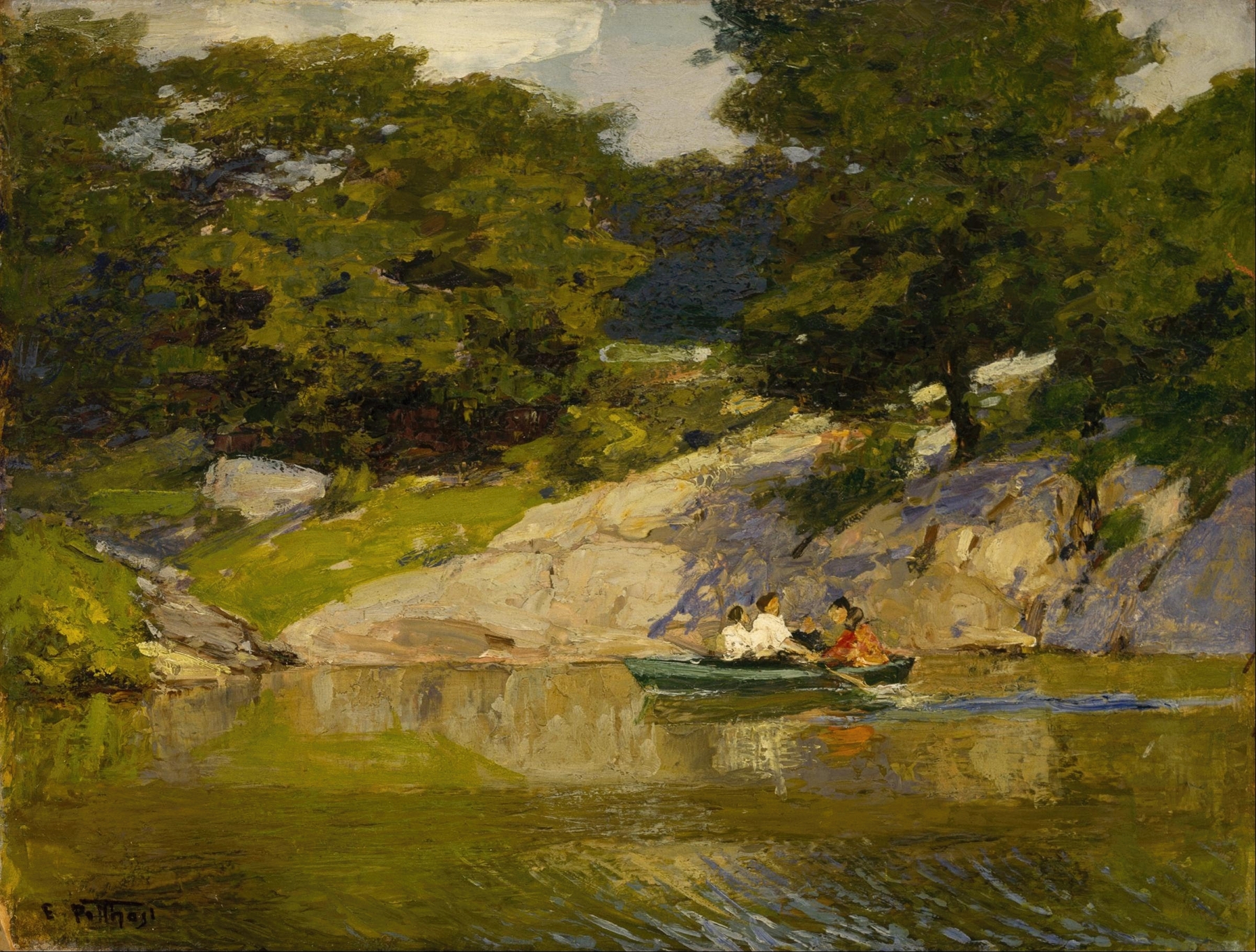
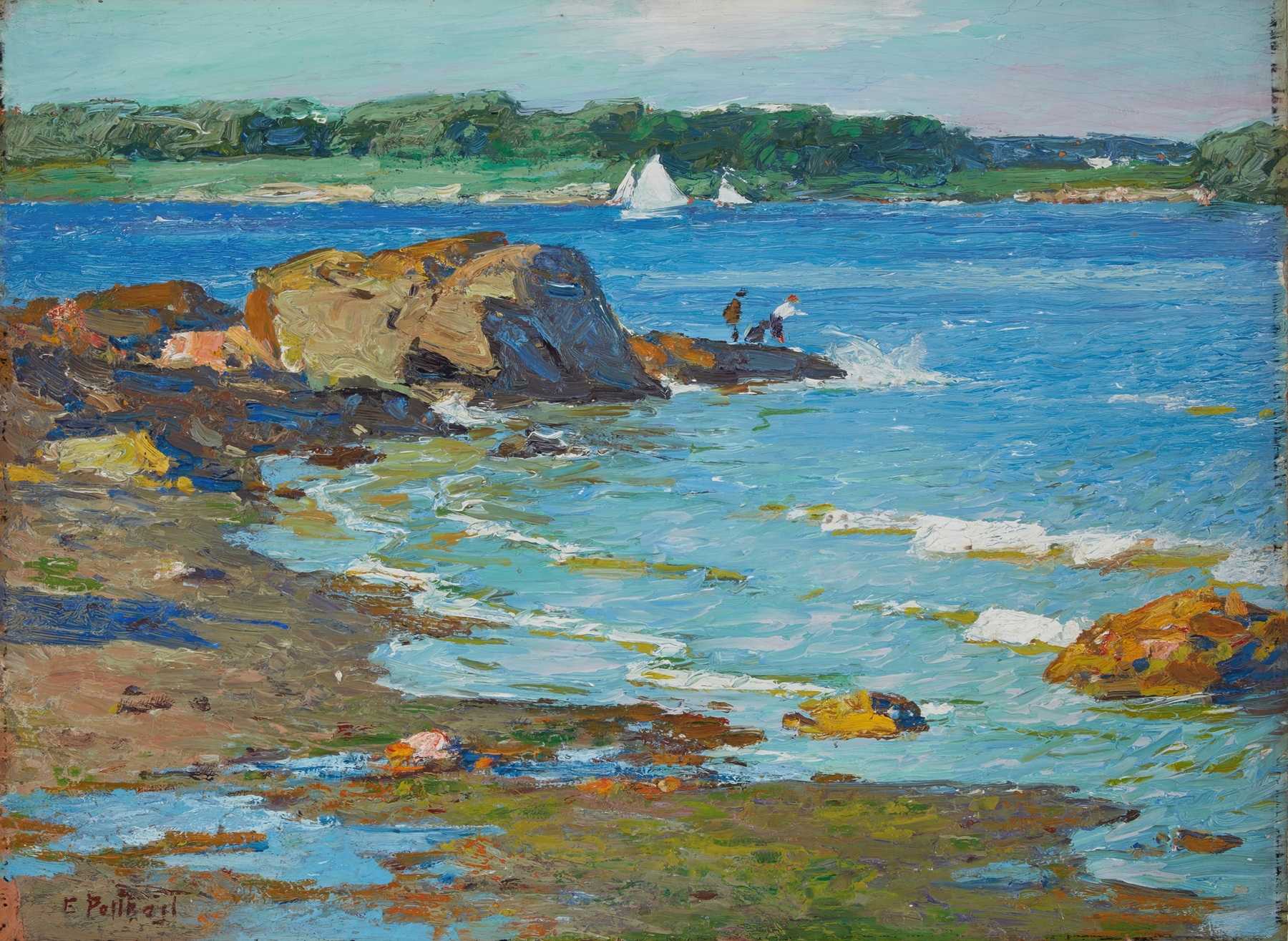
Who listens when art speaks of silence? In Lake Louise, the stillness captured invites a moment of reflection, urging us to consider the legacy left behind in both nature and canvas. Look to the foreground at the gentle lapping of the water against the rocky shore, where Potthast has masterfully blended greens and blues, evoking both tranquility and depth. The sweeping strokes of the trees create a lush frame, guiding the eye toward the majestic mountains rising boldly in the background.
Notice how the sunlight filters through the tree canopy, casting dappled shadows on the surface of the water, emphasizing the harmony between light and dark while mirroring the complexity of the scene’s beauty. Delve a little deeper into the contrasts presented. The serene lake juxtaposes the towering, imposing mountains, suggesting a dialogue between the vastness of nature and the intimate moments it harbors. Each brushstroke resonates with a sense of freedom and stillness, prompting a conversation about the passage of time and the fleeting nature of moments—echoing a legacy that transcends both artist and viewer.
The subtle ripples in the water invite contemplation, reminding us that stillness can be as profound as motion. At the time Potthast created this piece, he was exploring the rich landscapes of America, influenced by the Impressionist movement. The exact date remains uncertain, but it reflects a period when artists were increasingly drawn to capturing the natural world’s beauty with fresh perspectives. This era was marked by a burgeoning appreciation for en plein air painting, and Potthast's work embodies that spirit, celebrating the interplay of light and shadow in a vivid, enduring way.