At the Beach — History & Analysis
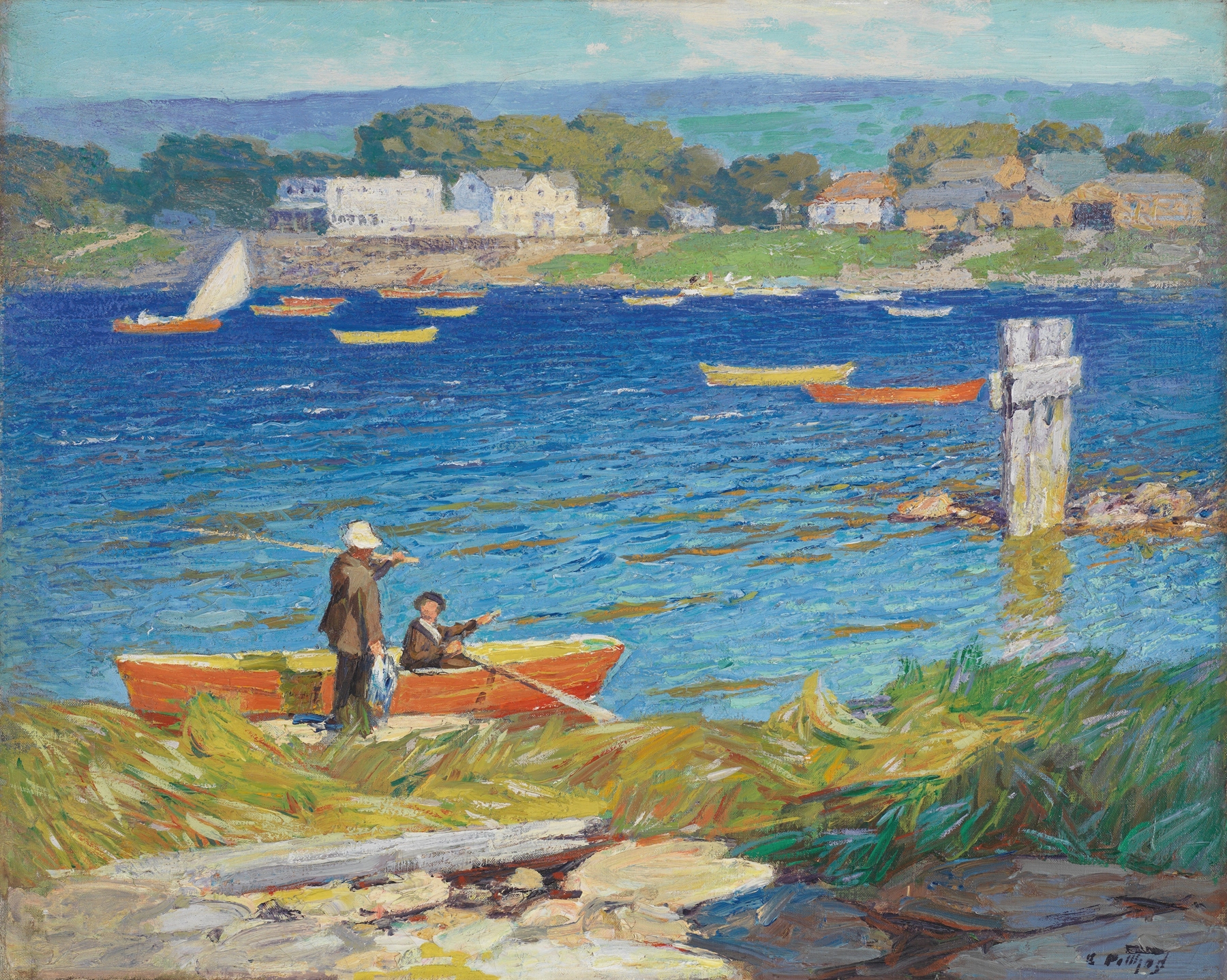
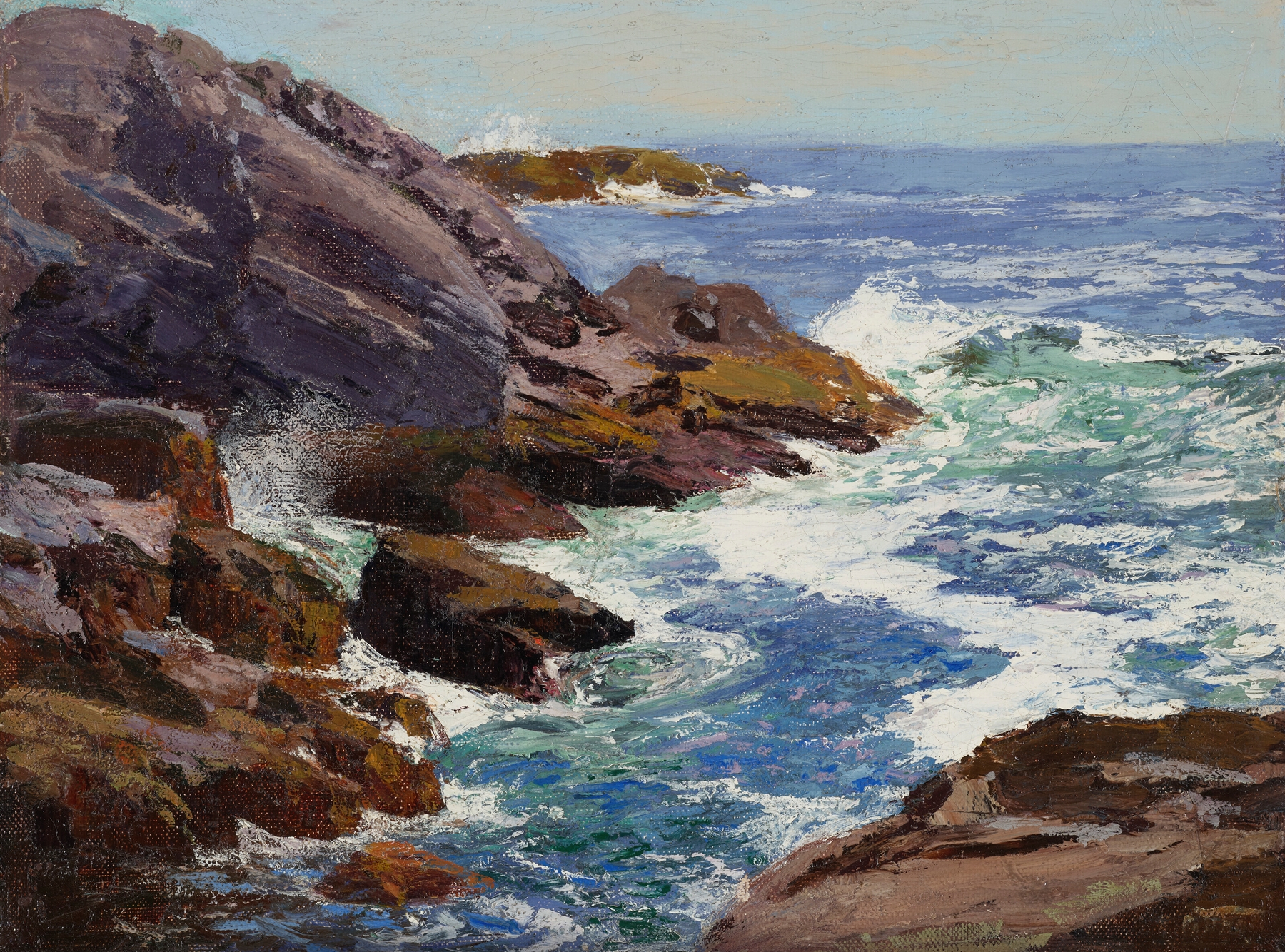
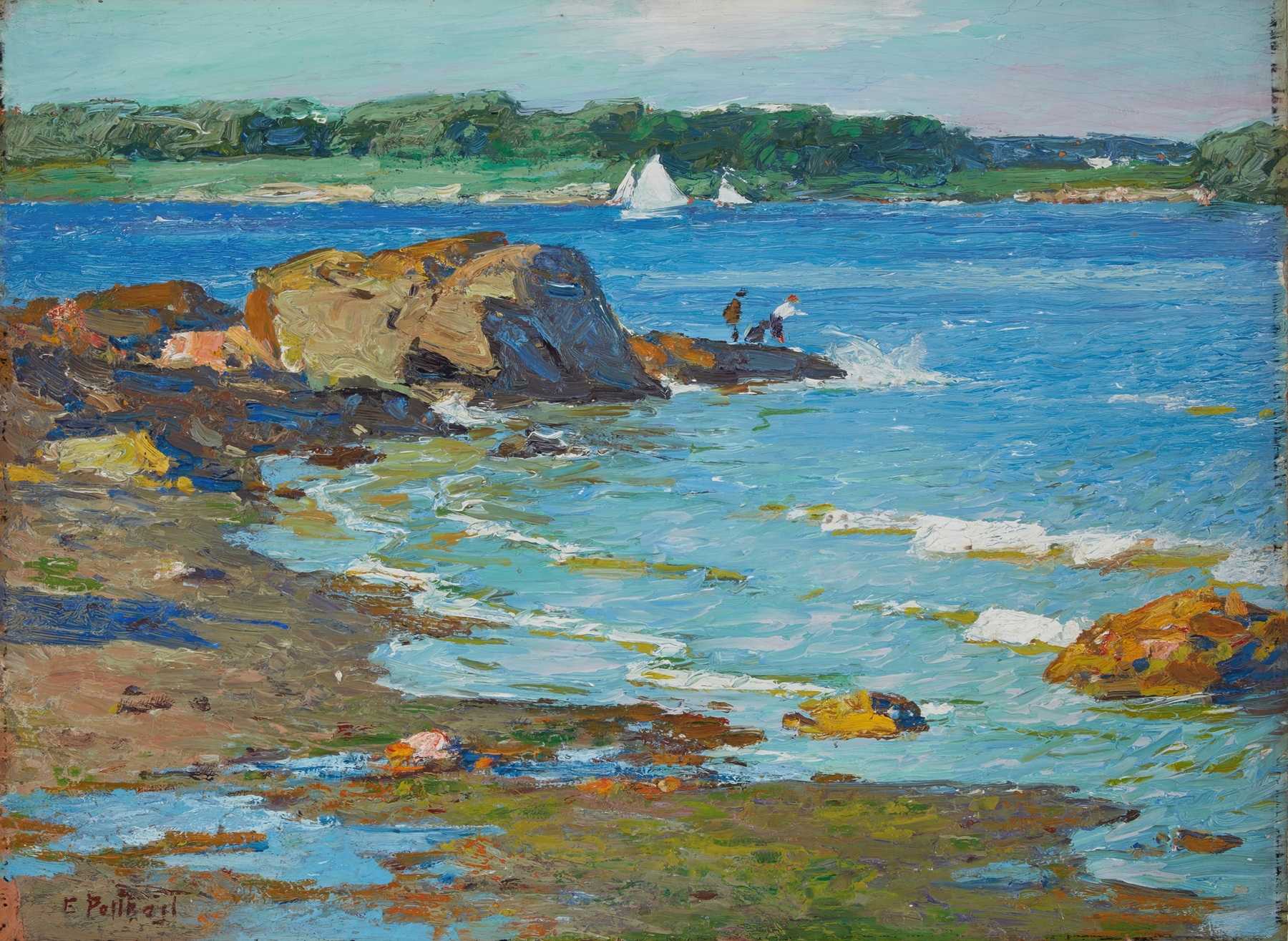
Could a single brushstroke hold eternity? In the fleeting moments of joy captured by the artist, we glimpse a legacy, vibrant and enduring. Look to the foreground, where a cluster of figures dances along the shoreline, their laughter almost palpable. The artist employs a lively palette of sunlit blues and warm sandy tones, creating a sense of immediacy and celebration. Notice how the gentle waves kiss the shore, each stroke of white against the blue suggesting both movement and tranquility, inviting you into this serene yet jubilant scene.
The composition draws your eye towards the horizon, where the sky meets the sea, an eternal embrace framed by the fleeting joys of life. Delve deeper into this piece, and you will uncover emotional contrasts. The playful figures, joyfully engaged with nature, stand in stark contrast to the stillness of the vast ocean that surrounds them. Each child’s carefree gesture evokes nostalgia, hinting at the universal longing for summer’s simplicity, while the distant horizon symbolizes the relentless passage of time.
Through this, Potthast captures a moment that feels both ephemeral and timeless, suggesting that while joy may be fleeting, its memory can endure. In the late 19th century, Potthast was establishing his reputation as a painter of American leisure scenes. Living in New York, he was inspired by the coastal beauty of the Northeast, frequenting the beaches to capture their vibrant spirit. This period marked a growing appreciation for depictions of everyday life in art, reflecting a shift in societal values towards leisure and enjoyment in the midst of rapid urbanization.