Candlemaker’s Hall — History & Analysis
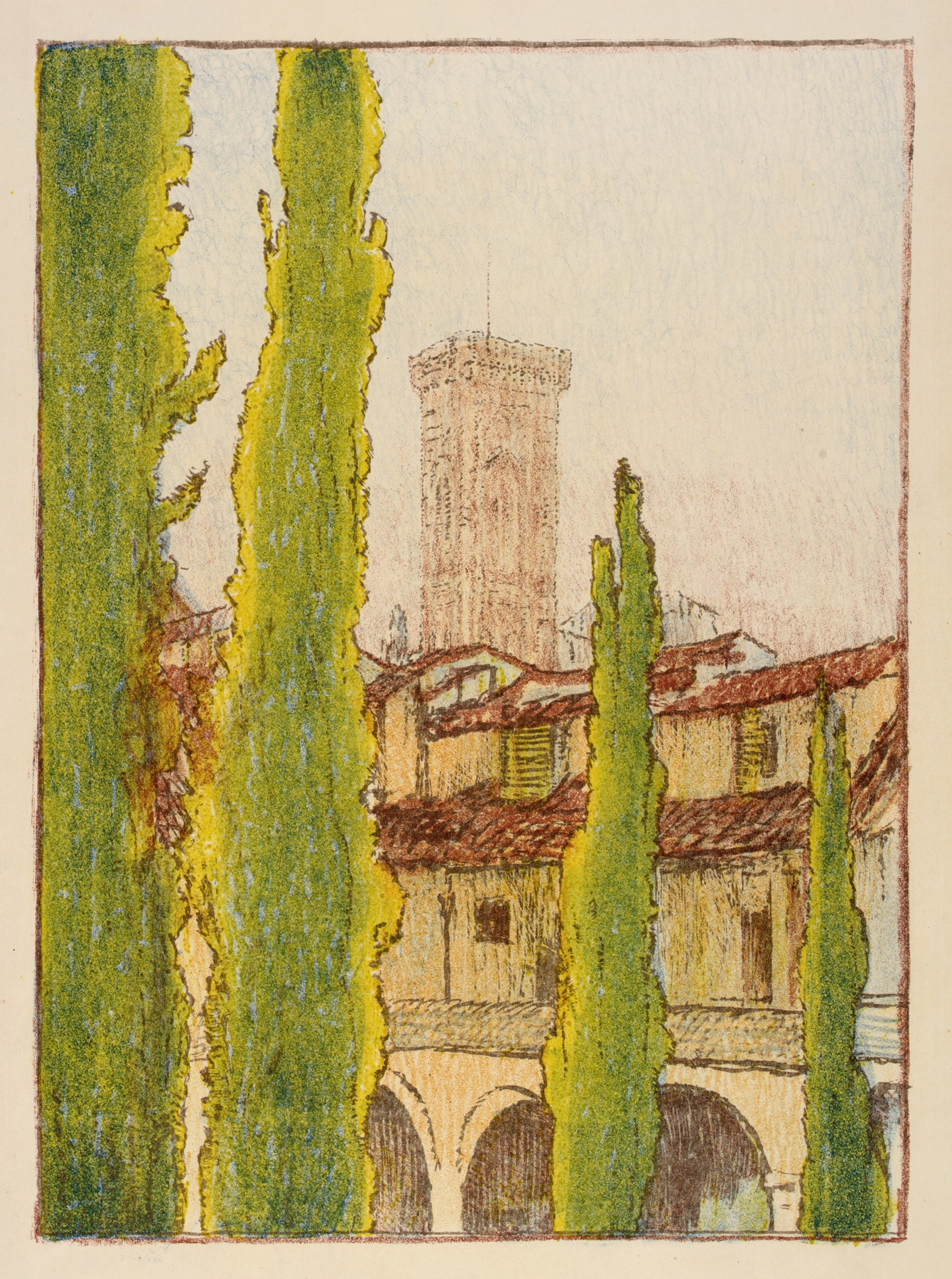
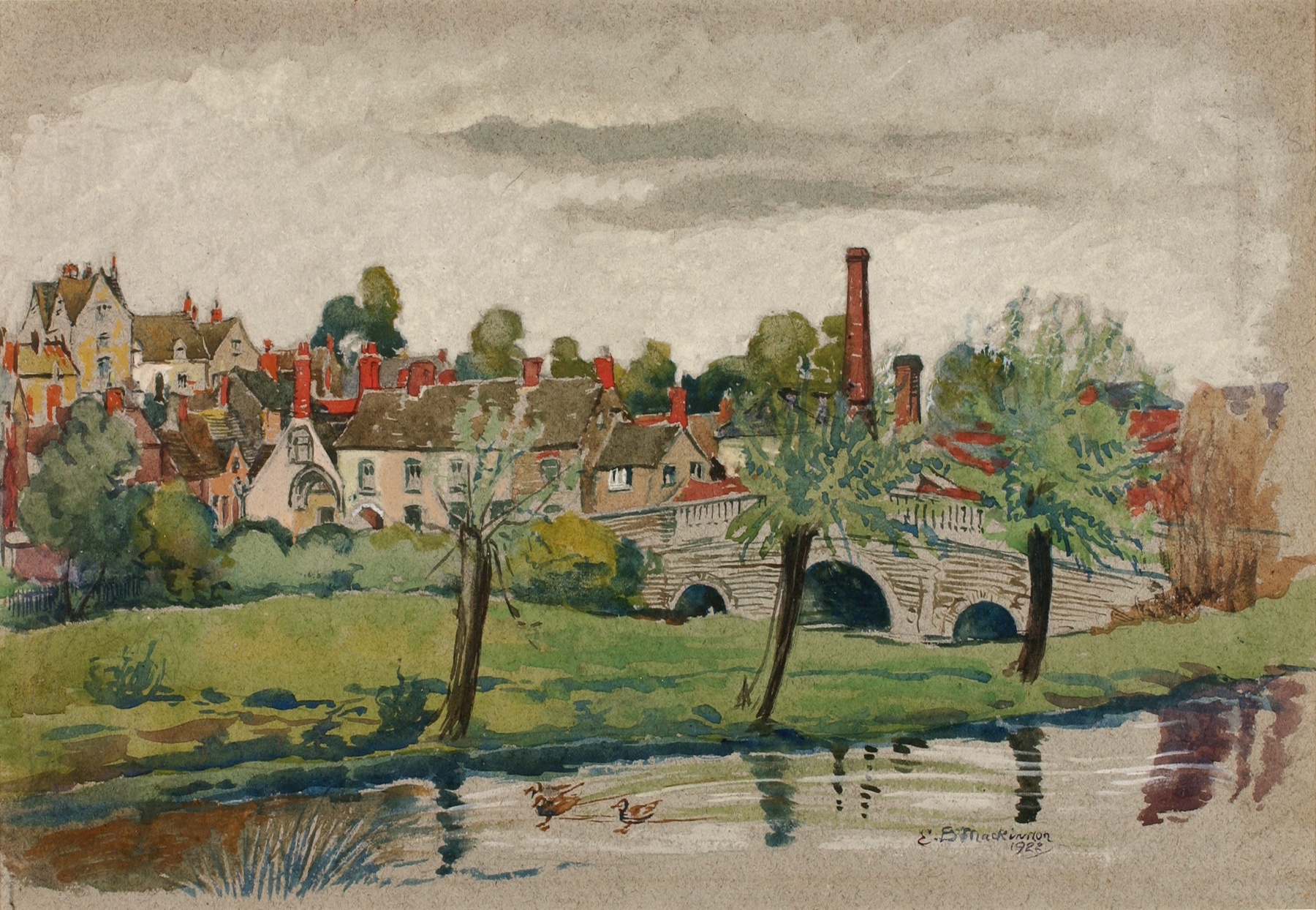
Did the painter know this moment would outlive them? Candlemaker’s Hall invites us into a realm of serene craftsmanship, where the art of creation breathes life into stillness. Focus on the soft illumination emanating from the flickering candles, casting gentle shadows that dance across the textured surfaces. Look closely at the artisans at work, their hands deftly sculpting wax into forms that will soon hold light and warmth.
The palette—subdued earth tones interspersed with the glow of ochre—hints at both simplicity and complexity, drawing the viewer into the intimate world of candle-making. Beneath the surface, an interplay of labor and artistry unfolds. Each figure, engrossed in their task, reflects the passage of time and the persistent spirit of creation. The contrast between light and shadow mirrors the duality of life and labor, while the serene expressions convey a quiet dedication to the craft.
It’s a moment that transcends the ordinary, suggesting the weight of tradition and the ephemeral nature of beauty. Esther Blaikie MacKinnon created this piece during a period when the arts were shifting towards capturing the genuine and the everyday. Little is known about her life or the specific circumstances surrounding this work, but it emerged amidst a growing appreciation for realism in art. As such, Candlemaker’s Hall stands as a testament to the craft and community of its time, a silent ode to the labor that nourishes both body and spirit.