George Inn — History & Analysis
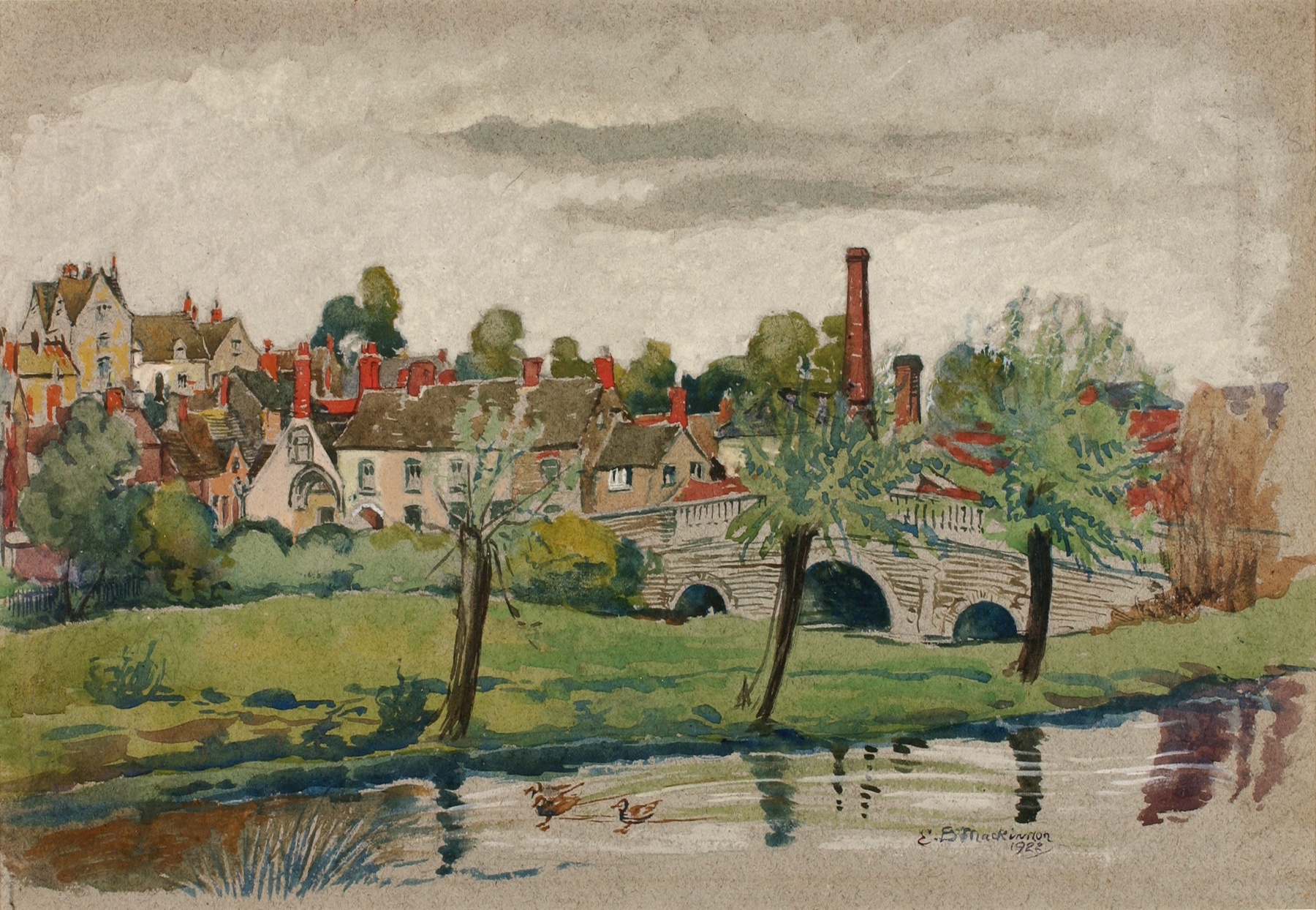
“Art reveals the soul when the world turns away.” In this sanctuary of color and form, the essence of joy dances across the canvas, inviting every viewer to taste the bittersweet nectar of ecstasy. Focus on the vibrant spectrum that unfolds before you — look to the center where lively reds and deep greens collide, creating an electric atmosphere. The energetic brushstrokes pulse with life, capturing the spirited essence of the George Inn, a gathering place alive with the chatter and laughter of its patrons. Notice how the light plays across the textured surfaces, illuminating the excitement that spills from every corner, drawing you in as if you were part of the scene.
Yet beneath this celebration lies an undercurrent of solitude, a reminder of fleeting moments. In the shadows, there’s a quiet tension; a solitary figure, perhaps lost in thought, reflects the duality of joy and introspection. The playful chaos of shapes and colors contrasts sharply with this figure's stillness, emphasizing the bittersweet nature of human connection and the moments we crave yet cannot hold onto.
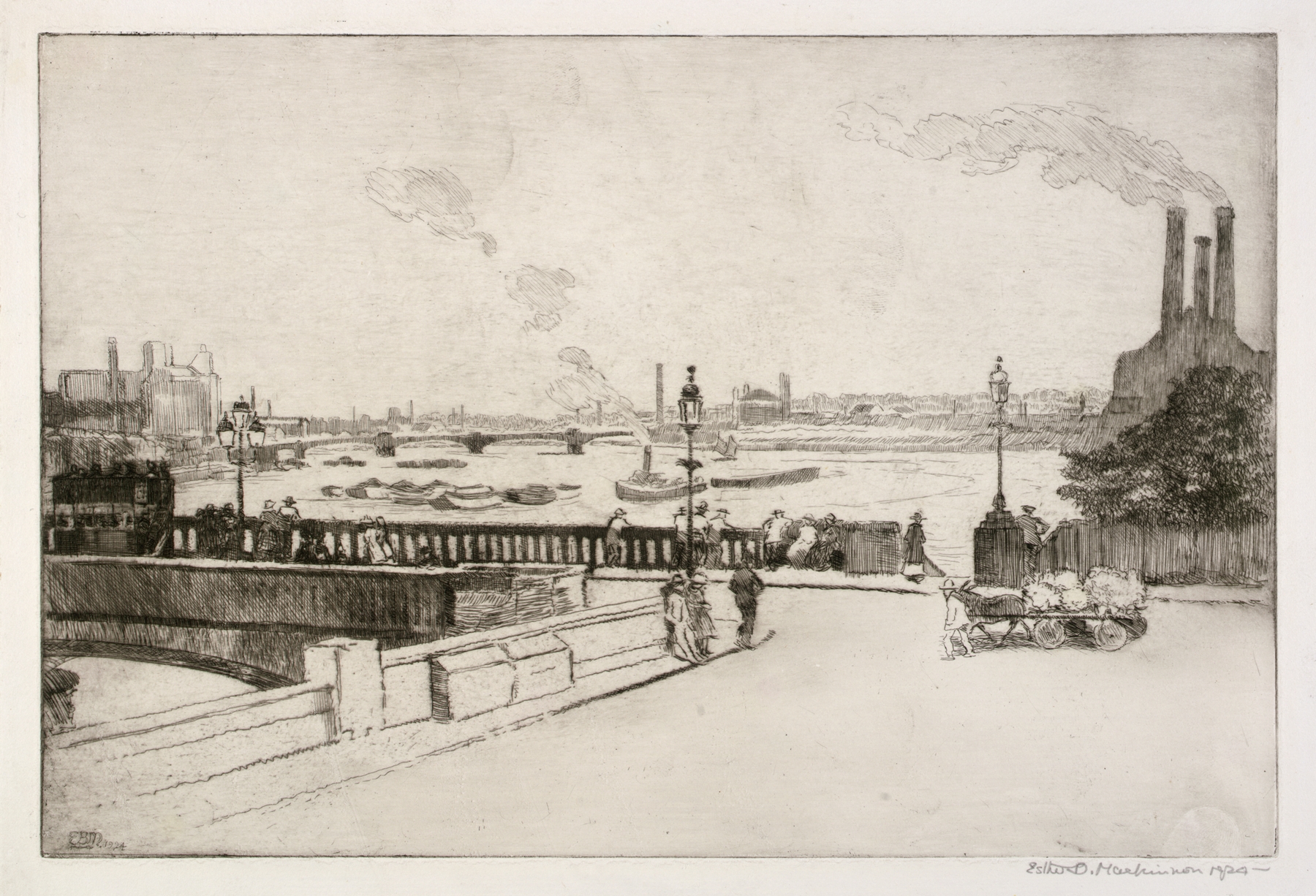
Created in 1924, the work reflects a transformative period for Esther Blaikie MacKinnon, who was establishing her voice in the Canadian art scene. Living in Montreal amidst a burgeoning artistic community, the artist sought to capture the vibrancy of everyday life while navigating her own experiences with identity and belonging. Her approach to color and form would later influence her contemporaries, positioning her as a significant figure in the development of Canadian modernism.