Pulteney Bridge, Bath – Twilight — History & Analysis
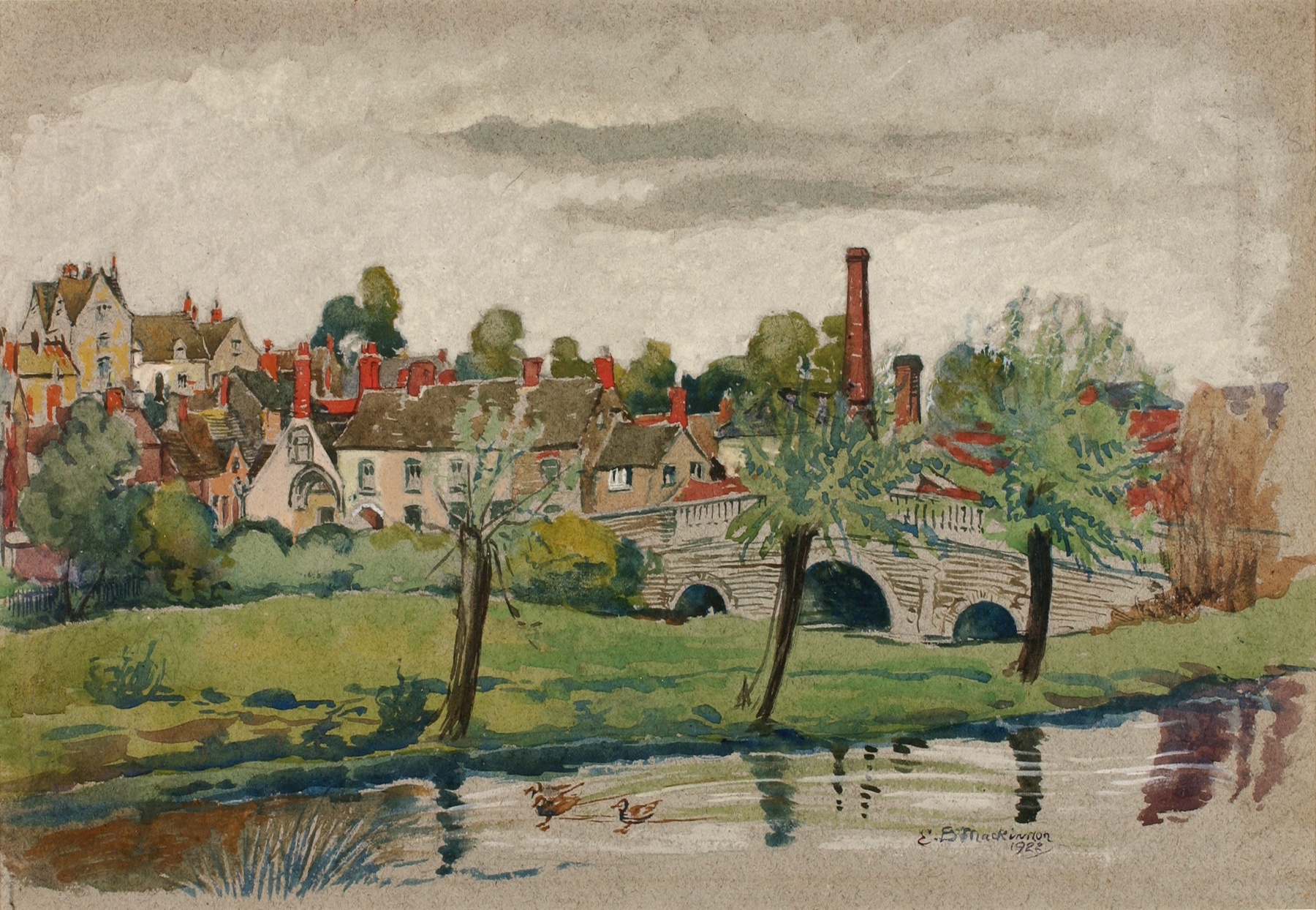
“Every brushstroke is a heartbeat remembered.” In the twilight air, beneath the arching stones of Pulteney Bridge, a palpable sense of yearning lingers—an echo of moments past captured in oil and pigment. Look to the center, where the bridge gracefully curves, its reflections dancing in the gentle current of the Avon River. The cool blues and warm golds of the setting sun blend harmoniously, creating a soft yet vibrant palette. Notice how the delicate brushwork conveys both the solidity of the ancient architecture and the ephemeral nature of twilight.
Small ripples on the water mimic the fleeting hours of the day, inviting the viewer to pause and contemplate. Beneath the surface, the work embodies a longing for connection—between the past and the present, the steadfastness of stone and the flowing river. The delicate interplay of light emphasizes this contrast, where shadows deepen the sense of nostalgia. Each figure in the distance, whether a solitary walker or a couple sharing a moment, suggests stories untold, inviting the audience to ponder their own experiences and memories tied to this tranquil scene.
Esther Blaikie MacKinnon painted this piece around the early 20th century, likely during her time in Bath, a city renowned for its rich history and architectural beauty. At this moment, the art world was undergoing significant shifts, influenced by movements such as Impressionism, as artists sought to capture the fleeting essence of light and atmosphere in their works. MacKinnon, an accomplished painter, found herself at the intersection of tradition and modernity, using her brush to weave personal and collective memories into the fabric of her art.