Chelsea — History & Analysis
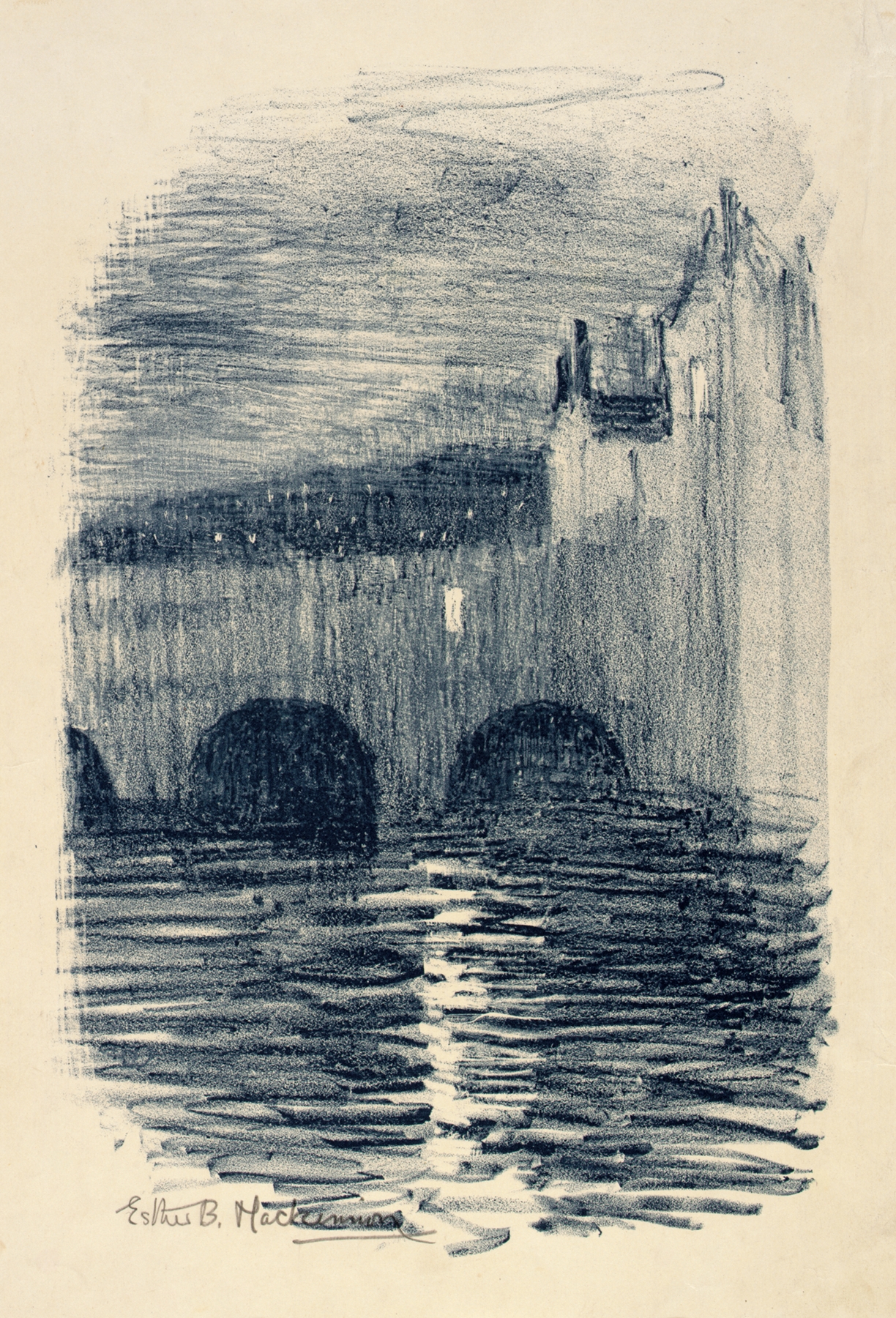
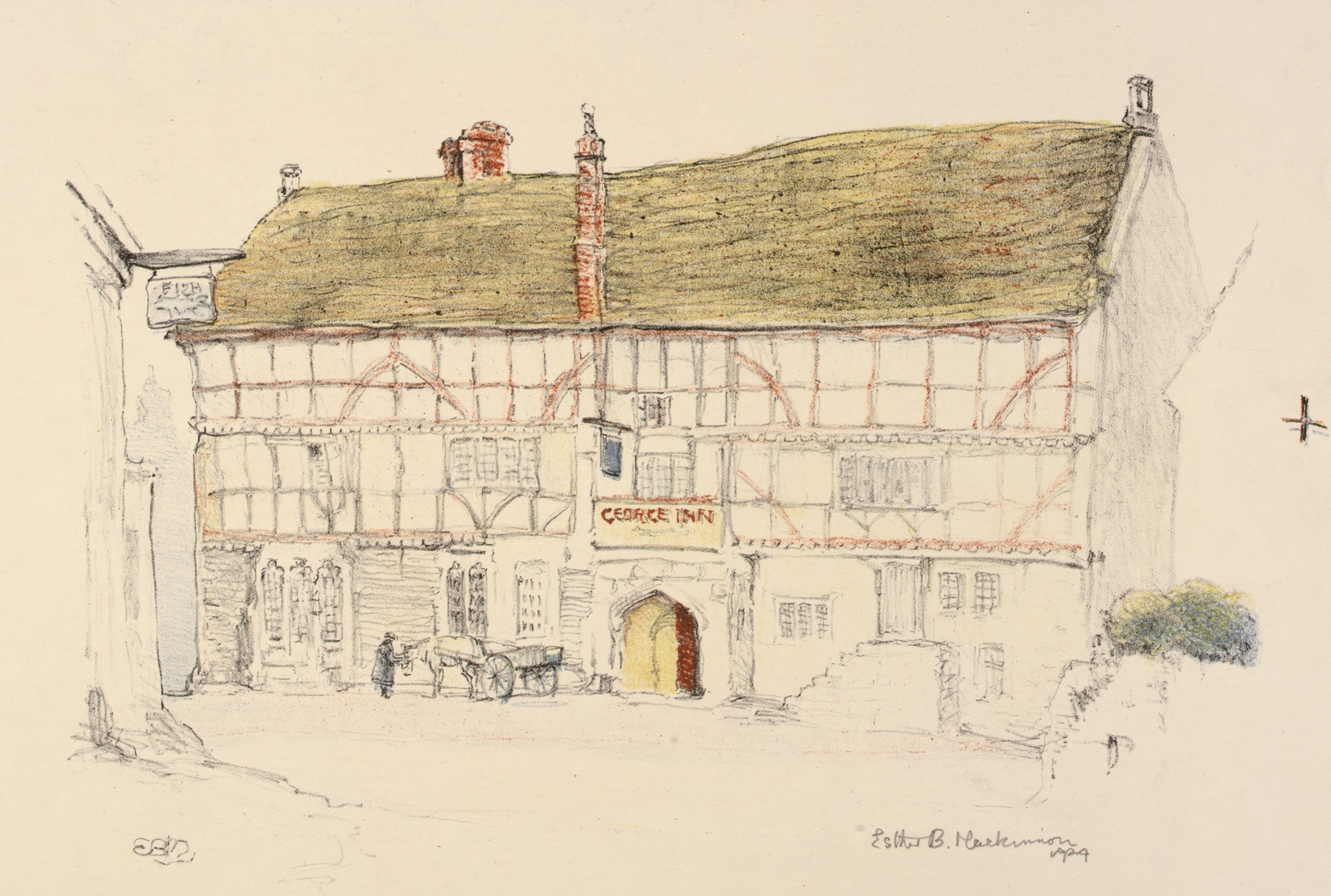
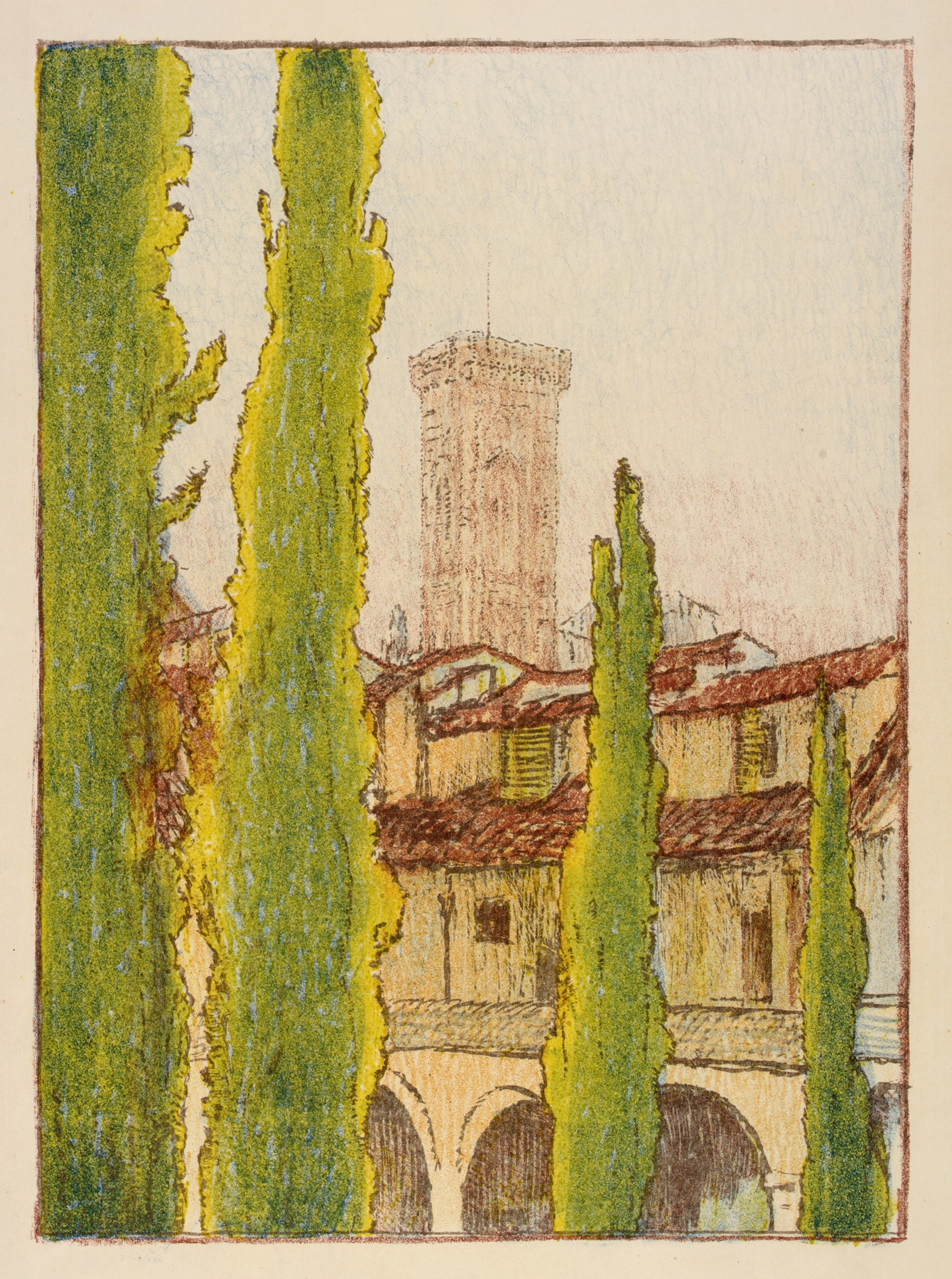
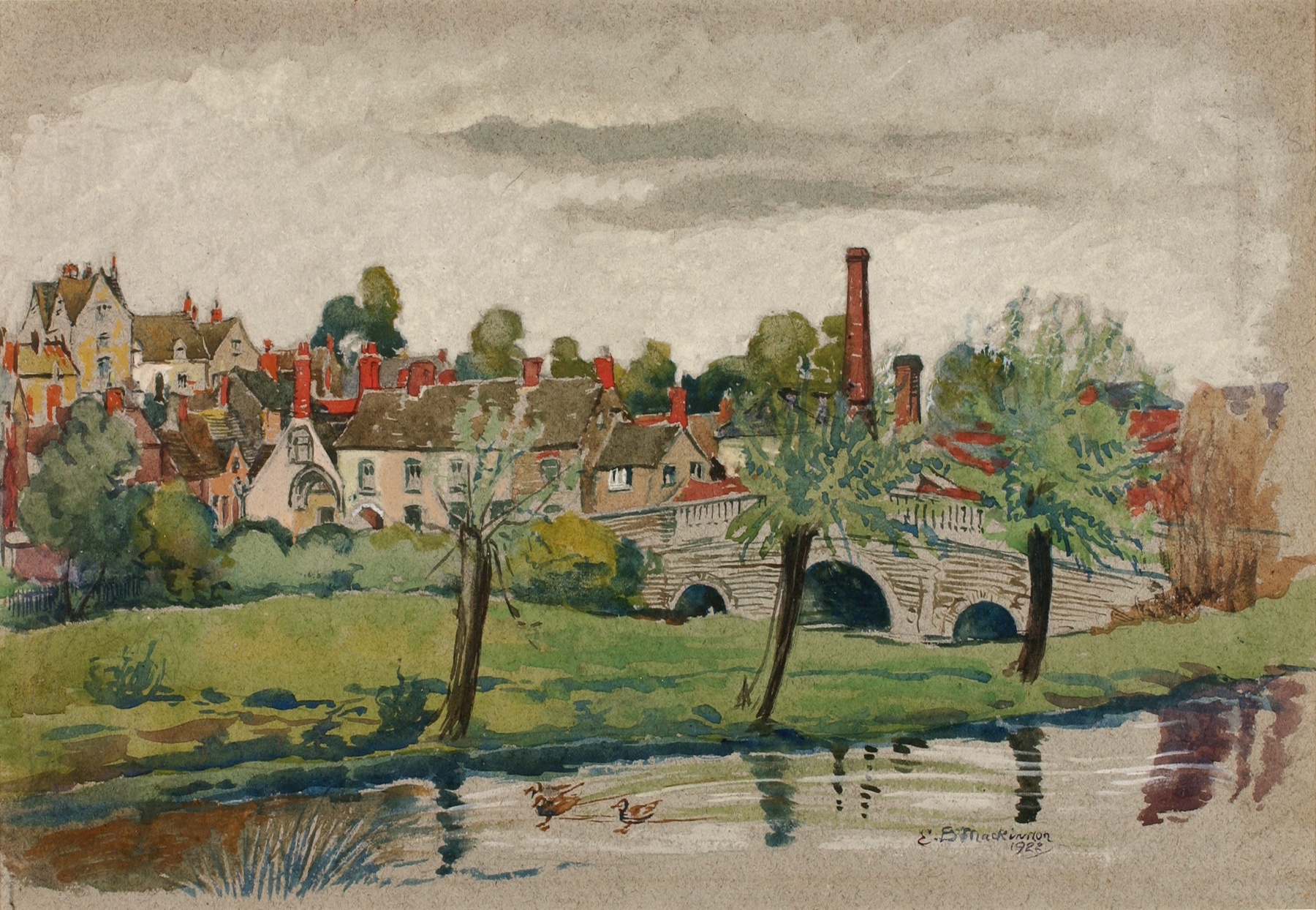
“Every silence here is a confession.” The hush that lingers in the air of Chelsea speaks volumes, weaving a narrative of unspoken truths and hidden turmoil, revealing the violent undercurrents that often hide in plain sight. Look closely at the rich textures of the canvas, where muted colors evoke a sense of both calm and chaos. The soft pastels of blue and pink create a tranquil setting, but the jagged edges of the forms suggest a dissonance, a struggle simmering beneath the surface. Notice how the figures seem to lean away from one another, their postures rigid, betraying a distance that belies any semblance of harmony.
This contrast between color and form invites the viewer to question the reality of the scene before them. In this seemingly serene depiction, the emotional tensions are palpable. The gentle brushstrokes mask an unsettling dynamic, suggesting the violence of unexpressed feelings. Shadows loom, not just on the figures but also on the surrounding environment, hinting at a history of conflict and unresolved emotion.
The composition, while deceptively simple, unfolds a complex narrative that encourages contemplation on the nature of intimacy and isolation. In 1924, MacKinnon was exploring the intersections of modernism and emotional expression in her work, reflecting the broader currents of change in art at the time. Living in a post-war society grappling with the implications of conflict, she channeled her observations into this piece, using the medium to navigate personal and societal struggles. It was a period marked by both artistic innovation and social upheaval, influencing her approach and the stories she chose to tell through her art.