Snow in Holland — History & Analysis
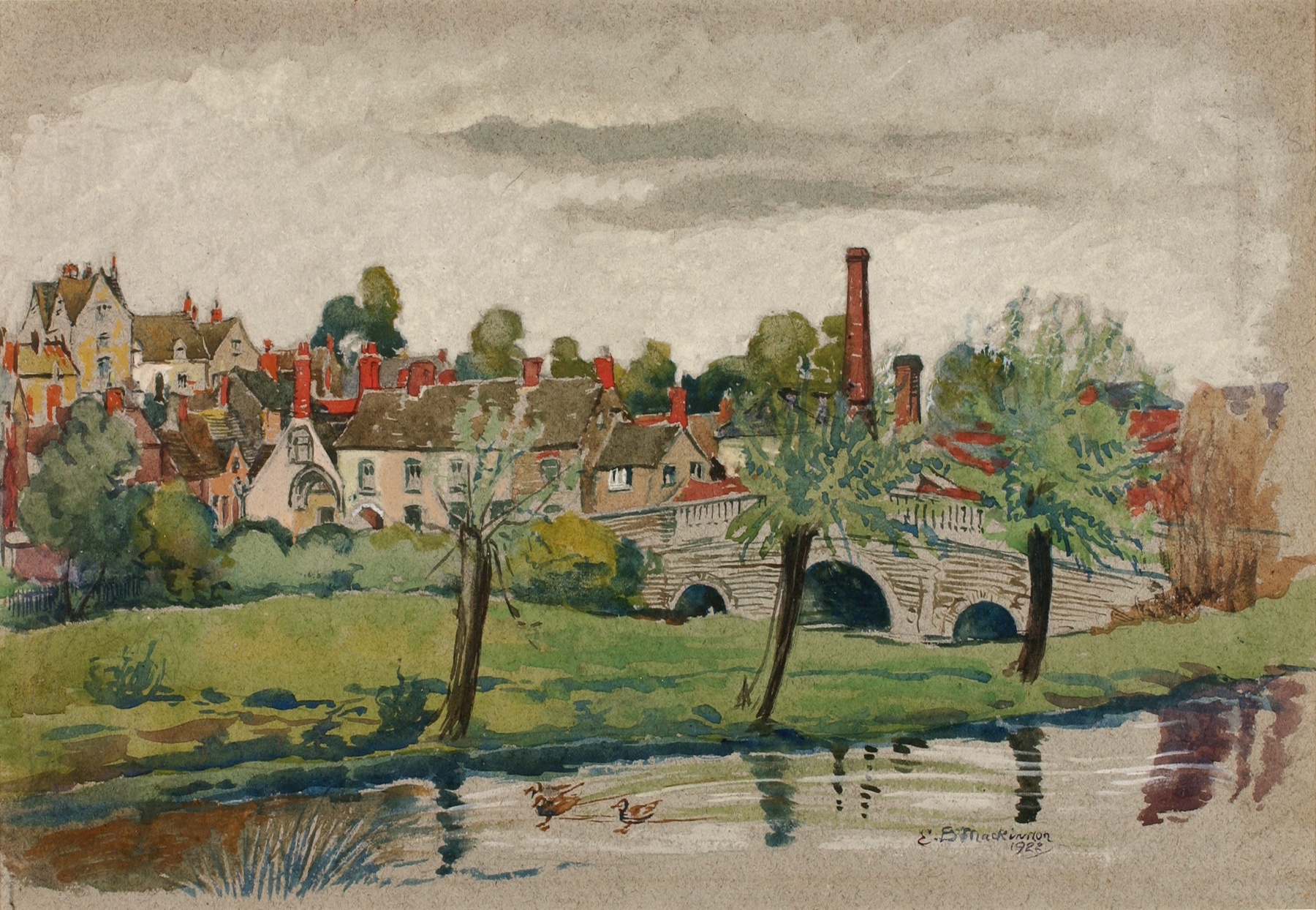
“To paint is to remember what time wants us to forget.” This sentiment echoes through the cold, quiet landscapes captured on canvas, where moments of beauty often mask deeper sorrows. Look to the left at the soft, muted tones of the sky, where delicate grays and whites blend seamlessly into the horizon. The snow blankets the ground in an ethereal white, erasing footprints and memories alike. Notice how the sparse trees rise like sentinels, their bare branches stretching toward the heavens, stark against the gentle light. Each brushstroke conveys a stillness that invites contemplation, drawing the viewer into a world that feels both serene and haunting.
Yet, within this tranquil scene lies a palpable tension. The stillness of winter suggests isolation, a deep longing hidden beneath the surface. The untouched snow mirrors unexpressed grief, a landscape that holds whispers of loss. The contrast of fleeting warmth in the light and the chill of solitude evokes an emotional landscape that resonates with anyone who has experienced absence.
This duality creates a profound sense of yearning that lingers long after the viewer has stepped away. Esther Blaikie MacKinnon created this piece during a period when artists were exploring the emotional and psychological depths of their subjects, often amid personal upheaval. Although the exact date remains unknown, her work reflects the broader movement towards capturing intimate experiences. As an artist in a world grappling with change, she sought to infuse a sense of longing into her landscapes, revealing the quiet struggles of human existence amidst nature’s beauty.