Malmesbury — History & Analysis
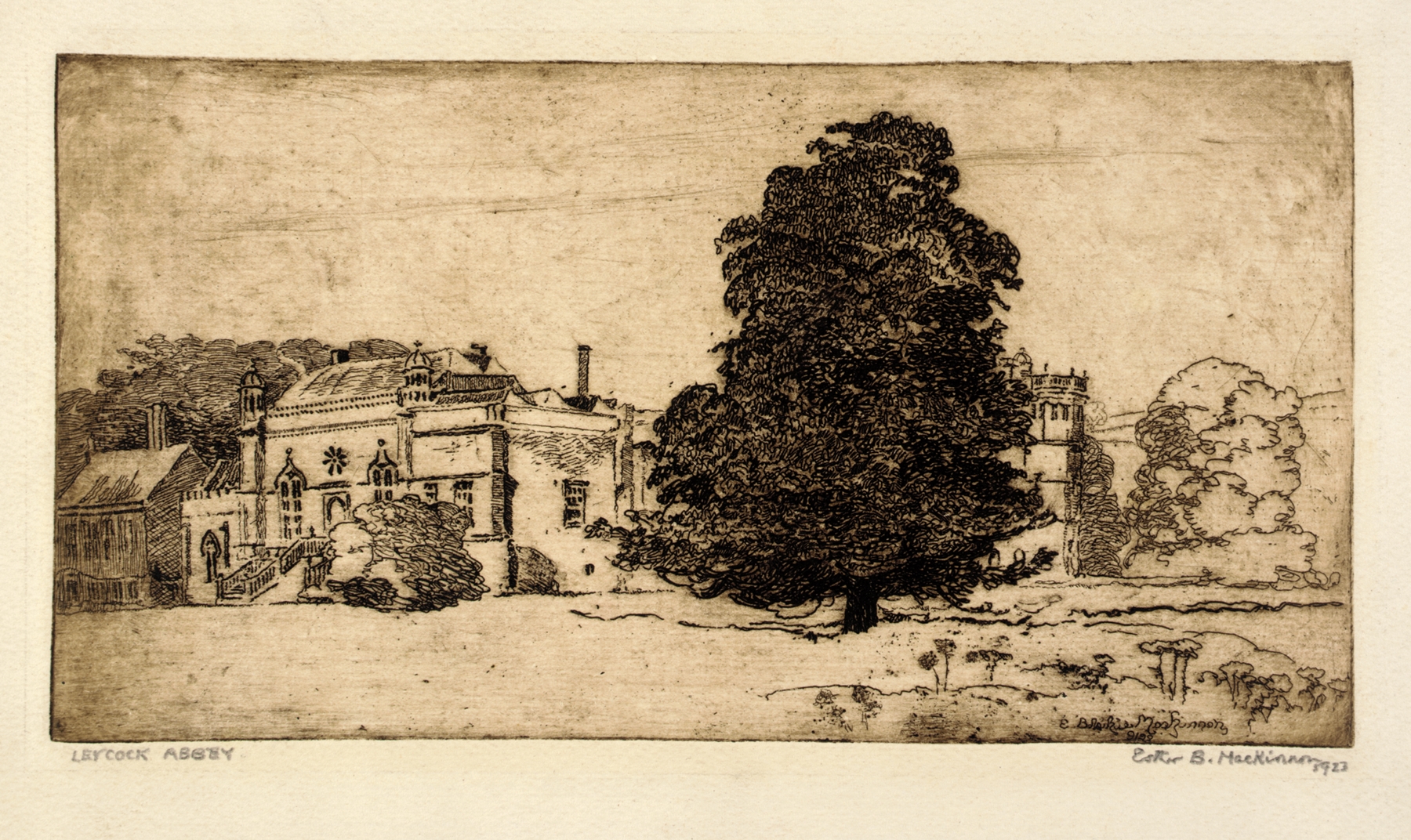
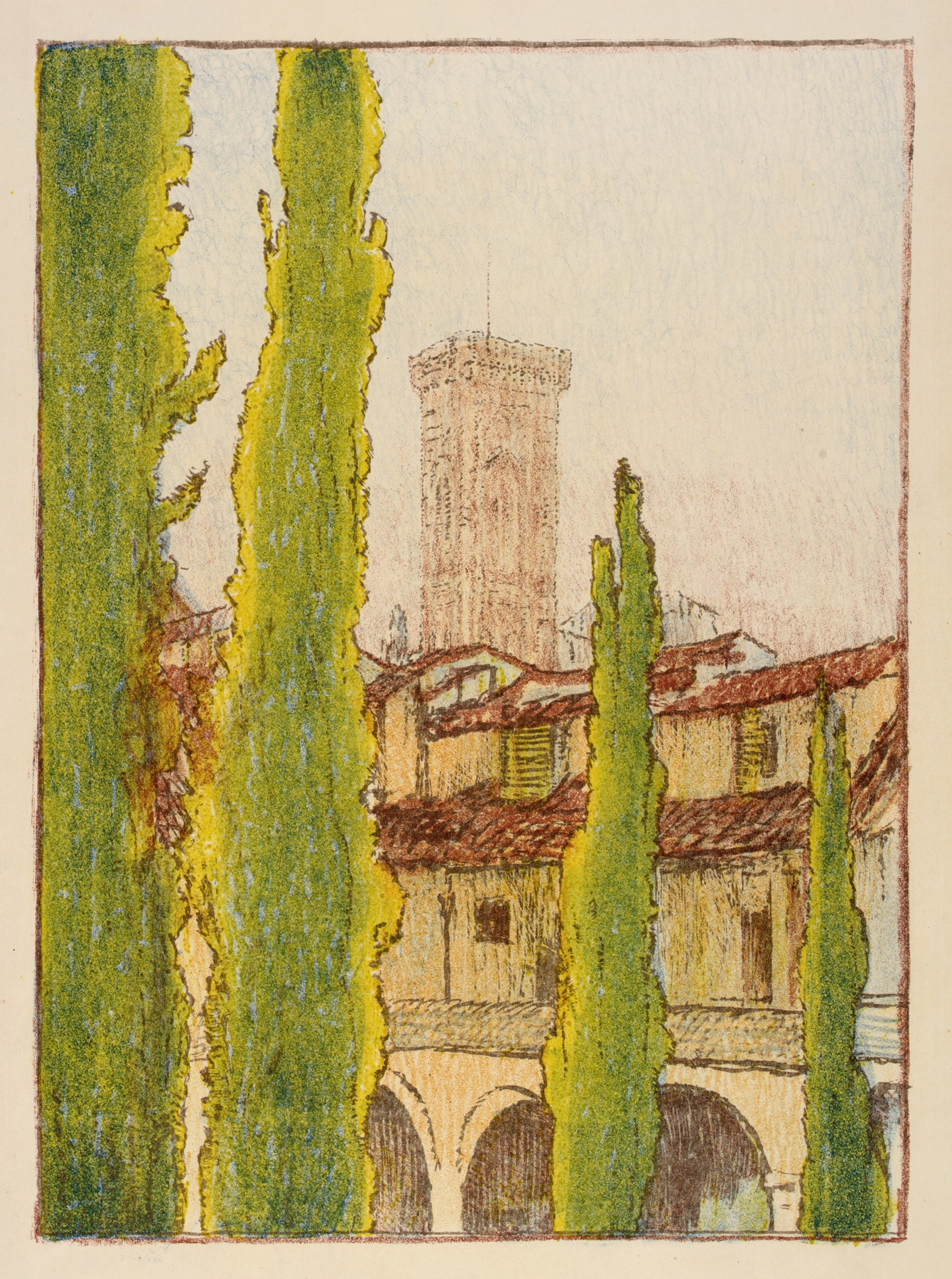
Who listens when art speaks of silence? In Malmesbury, a haunting stillness envelops the viewer, inviting contemplation on absence and loss. Look to the left, where the muted tones of the landscape blend seamlessly into the sky. The subtle palette of greys and blues evokes a sense of melancholy, while the delicate brushwork captures the intricate details of the trees and the gently flowing river.
Allow your gaze to wander across the canvas, taking in the soft, diffuse light that bathes the scene, creating an ethereal glow that speaks to the quietude of the moment. As you delve deeper, note the stark contrasts between the vibrant greens of the foliage and the desolate, empty spaces that suggest echoes of what once was. The solitary tree at the center stands as a monument to endurance amidst the void, embodying a profound emotional tension. Each brushstroke seems to sigh, whispering of memories intertwined with grief, encapsulating the essence of a world both alive and hauntingly desolate.
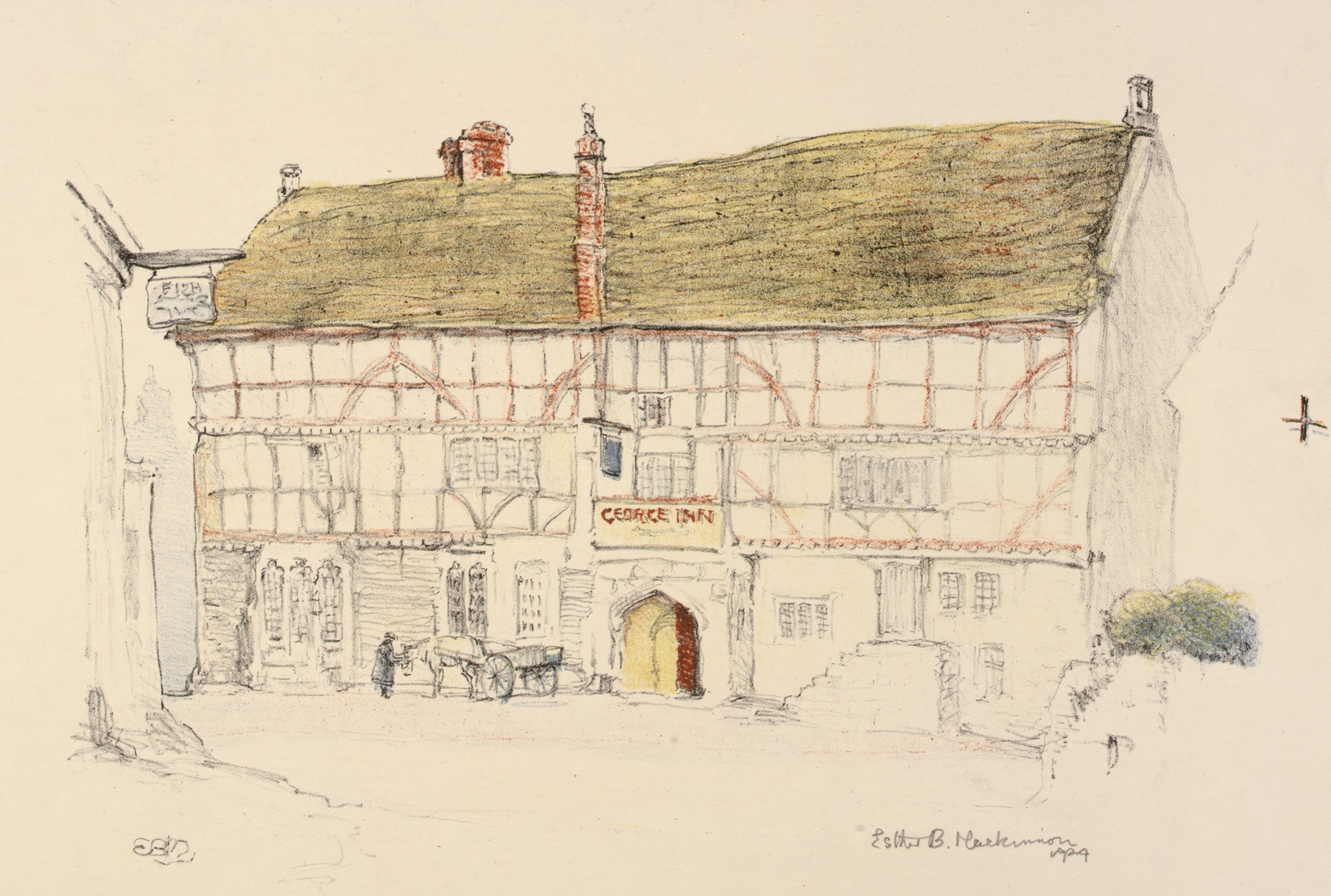
Esther Blaikie MacKinnon created Malmesbury in 1922 while living in her native England. This period was marked by a post-war introspection, as artists sought to express the complex emotions arising from loss and recovery. MacKinnon's exploration of landscape and its emotional resonance reflects the changing tides of her time, making her work a vital part of the dialogue surrounding art and emotional expression in the early 20th century.